
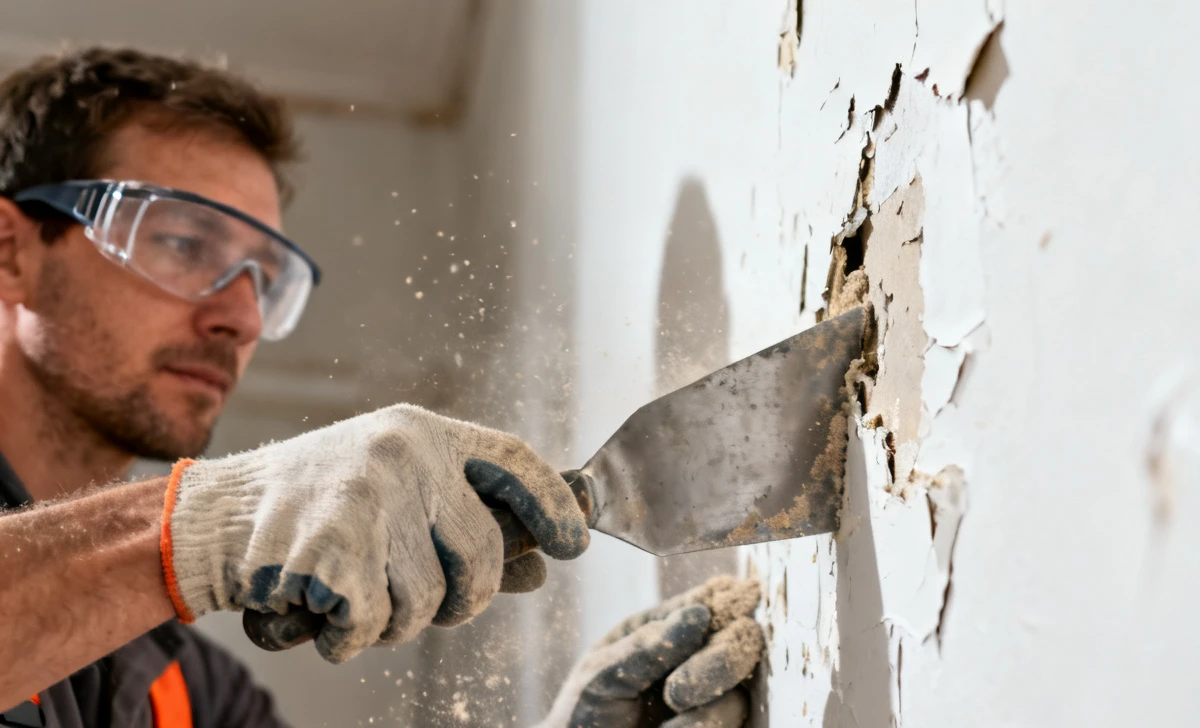
Most people think painting a wall is easy. Just grab a brush, open the can, and start rolling. But here is the truth — if you skip the prep work, your fresh paint will start peeling in just a few months. The real secret behind a long-lasting paint job is not the brand of paint you use or how many coats you apply. It all starts with what you do before the paint even touches the wall. If you want to remove old paint from walls the right way, proper surface preparation is the single most important step that most homeowners skip — and it is also the reason most DIY paint jobs fail early.
Old paint layers do not just look bad. They create a weak, uneven surface that stops new paint from bonding properly. Think of it like trying to stick tape on a dusty surface — it simply does not hold. If the existing paint is peeling, cracked, or bubbling, painting over it only makes the problem worse. You end up with the same damage showing through in a matter of weeks, along with wasted time and money. Proper surface preparation is the difference between a paint job that lasts one year and one that lasts a full decade.
In this article, you will find the complete step-by-step guide to removing old paint from walls the right way. Whether you are dealing with peeling paint in a bathroom, flaking layers in an old bedroom, or stubborn, thick coats in a hallway, this guide covers every method you need. We also cover safety tips, common mistakes, and exactly what to do after the paint is removed so your walls are truly ready for a fresh, professional-looking finish.
Why Should You Remove Old Paint Before Repainting?
Peeling paint is not just ugly — it ruins your new paint job within months. Studies from home improvement experts show that over 70% of repaint failures happen due to poor surface preparation.
Old paint creates uneven layers, and new paint simply cannot stick properly on top of damaged or flaking surfaces. If you remove the damaged paint first, your new coat can last 5 to 10 years longer.
Bottom line: Better prep = better finish + longer durability.
What Tools Do You Need to Remove Old Paint?
Before starting, gather the right tools. Using the wrong tools slows you down and can damage your walls.
Essential tools:
- Paint scraper (metal or plastic)
- Sandpaper (80–120 grit)
- Putty knife
- Drop cloths
- Safety gloves
- Dust mask or respirator
- Goggles
Optional tools:
- Electric sander (for large areas)
- Heat gun
- Chemical paint remover
Using the proper tools can reduce your work time by up to 40%.
What Are the Best Methods to Remove Old Paint?
There are three proven methods that professionals rely on:
1. Scraping — Best for peeling or flaking paint.
2. Sanding — Best for smoothing rough surfaces.
3. Chemical Stripping — Best for thick or stubborn paint layers.
Most DIY projects use a combination of all three methods depending on the condition of the wall.
How to Scrape Paint Safely
Scraping is the fastest method for removing loose paint. It requires no special equipment and works well on most wall surfaces.
Steps:
- Hold the scraper at a 30–45° angle to the wall
- Apply light, even pressure as you push forward
- Remove only the flaking and loose paint — do not dig into the wall
- Work in small sections of about 2×2 feet to stay in control
Start with dry scraping first. For stubborn spots, lightly dampen the surface with a wet cloth and try again after a few minutes.
Pro tip: A plastic scraper is gentler on drywall, while a metal scraper works better on plaster or wood surfaces.
How to Sand Walls for Paint Removal
Sanding smooths the surface after scraping and helps the new paint bond more effectively.
Steps:
- Use 80–120 grit sandpaper for most surfaces
- Sand in a circular motion to avoid creating lines or grooves
- Focus on rough edges and areas where old paint meets bare wall
- Wipe away all dust with a damp cloth and let it dry completely
For large rooms, use an electric sander to save time and energy. According to contractors, proper sanding can improve paint adhesion by up to 60%.
Note: Always wear a dust mask when sanding. Fine paint dust can irritate your lungs and eyes.
How to Use Chemical Paint, Strippers
Chemical strippers are the best choice for thick, stubborn paint that does not respond well to scraping or sanding alone. They work by softening the paint from below so it lifts off easily.
Steps:
- Apply the chemical stripper evenly using a brush or roller
- Wait 15 to 30 minutes for the product to work — follow the manufacturer’s instructions
- Scrape the softened paint off using a putty knife or scraper
- Rinse the surface thoroughly with clean water and allow it to dry
This method is slower than scraping, but it removes deep layers more effectively and causes less damage to the wall surface underneath.
Important: Always use chemical strippers in a well-ventilated room. Open windows and use a fan if possible. Wear gloves and goggles throughout the entire process.
Safety Tips You Must Follow
Paint removal can be risky if you do not follow the right precautions. This is especially true in older homes where lead paint may be present.
Follow these safety rules at all times:
- Wear thick gloves and protective goggles
- Use a dust mask or respirator rated for fine particles
- Keep windows open and the room well-ventilated
- Avoid skin contact with chemical strippers
- Test for lead paint if your home was built before 1978
Lead paint exposure is a serious health risk, especially for children and pregnant women. You can buy a simple lead paint test kit from most hardware stores. If the test comes back positive, consider hiring a certified professional for removal.
If you are also dealing with water damage on your walls, it is important to fix that issue first. Leaking ceiling mold repair should be addressed before any painting work begins, as painting over mold or moisture damage will cause your new paint to fail quickly.
Common Mistakes to Avoid
Most beginners make these mistakes, which lead to peeling paint within months:
- Skipping surface cleaning before scraping or sanding
- Using too much force while scraping, which damages the wall
- Not wearing protective gear, especially when sanding or using chemicals
- Painting over damaged paint without removing it first
- Ignoring cracks and holes in the wall before repainting
Each of these mistakes may seem small, but they have a big impact on how long your new paint lasts.
What to Do After Removing Paint
Removing paint is only the first step. Before you open a single can of new paint, your wall needs to be properly prepared.
Pre-painting checklist:
- Clean all dust and debris completely from the wall surface
- Fill any cracks or holes with wall filler or spackle
- Sand the repaired areas smooth once the filler dries
- Apply a quality primer across the entire wall surface
Primer is one of the most skipped steps in DIY painting, but it is one of the most important. A good primer improves paint bonding by over 50% and helps the final color look richer and more even. Never skip priming — especially on bare walls or areas where old paint was removed.
Key Takeaways
Here is a quick summary of everything covered in this guide:
- Proper prep prevents early paint failure — skipping it is the number one reason paint peels
- Scraping removes loose and flaking paint quickly and effectively
- Sanding ensures a smooth, even surface for better paint adhesion
- Chemical strippers handle thick or stubborn layers that scraping cannot remove
- Safety measures protect your health during the entire process
- Priming after removal locks in your hard work and extends the life of the new coat
The difference between a DIY job that looks amateur and one that looks professional is not the paint — it is the preparation.
Final Thoughts
Great paint jobs start before the paint even opens. Most failures happen not during painting, but in the steps that come before it. If you invest time in proper paint removal and surface preparation, you will save money, time, and effort in the long run. Your walls will look better, stay cleaner, and hold their finish for years instead of months.
Follow the steps in this guide, use the right tools, stay safe, and your next paint job will look like it was done by a professional — because it was prepared like one.