
Around 1 in 3 home buyers discover a major defect after moving in — a defect that a proper pre-offer inspection would have caught. That number is not a scare tactic; it reflects how many buyers skip thorough checks when emotions run high, and competition feels intense.
A used home inspection is a systematic review of a property’s condition before you sign anything. It helps you identify structural damage, safety risks, and costly repairs early — protecting your investment and your negotiating position.
In this guide, you will learn exactly how to inspect a used home before making an offer, including key areas to check, warning signs, and expert-backed tips — everything in one place.
What Is a Used Home Inspection Before Making an Offer?
A pre-offer home inspection is a detailed review of a property’s physical condition conducted before a buyer submits a formal purchase offer. Unlike a post-offer inspection (which happens after a contract is signed), a pre-offer inspection gives you full freedom to walk away — with no penalties.
The process typically covers the roof, foundation, plumbing, electrical systems, and interior spaces. Buyers who inspect before offering enter negotiations with real data, not assumptions. This step can save you tens of thousands of dollars in unexpected repair costs.
What Should You Check in a Used Home Before Buying?
Use this checklist as your starting framework before visiting any property.
| Area | What to Look For |
|---|---|
| Foundation | Cracks, settling, water intrusion |
| Roof | Missing shingles, sagging, and age |
| Plumbing | Leaks, water pressure, pipe material |
| Electrical System | Panel age, exposed wiring, breaker condition |
| Walls & Ceilings | Stains, cracks, and bubbling paint |
| Windows & Doors | Proper sealing, operation, and frame damage |
| Basement & Attic | Moisture, insulation, ventilation |
| Exterior Condition | Drainage slope, siding, and driveway cracks |
Each item on this list can reveal problems that affect both safety and resale value. Prioritize the foundation and roof — repairs in these areas routinely exceed $10,000.
How to Inspect a Used Home Before Making an Offer: Step-by-Step
Exterior Inspection (Roof, Walls, Drainage)
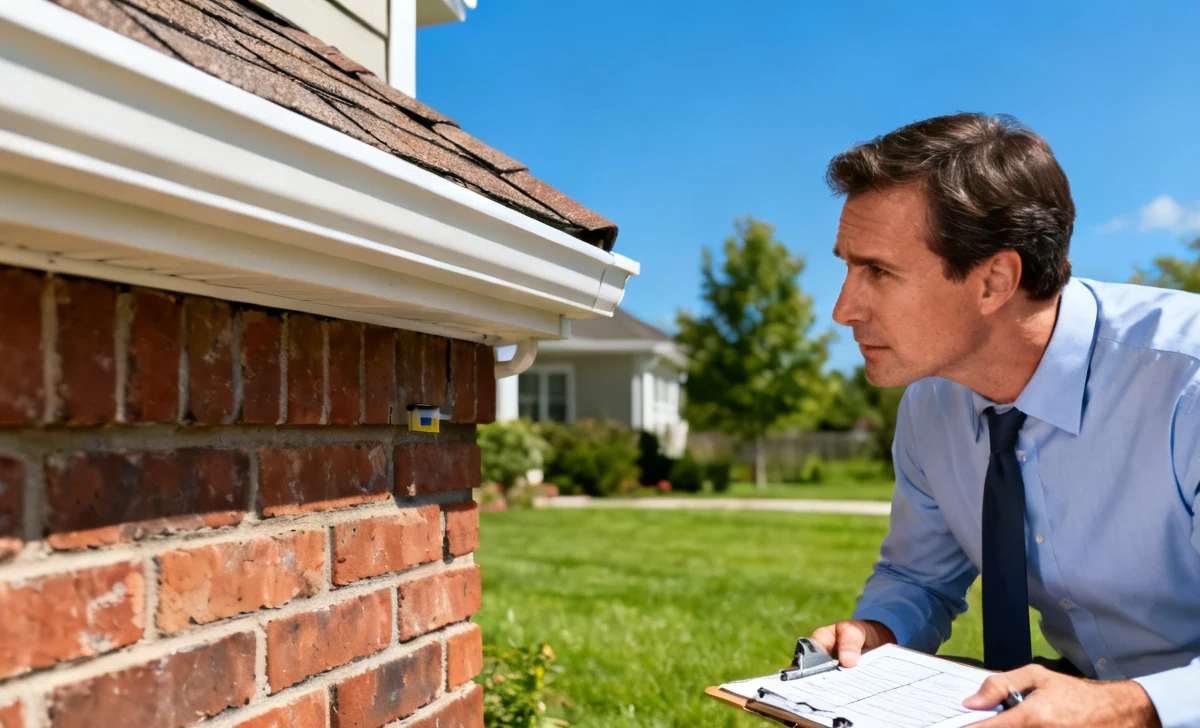
Start outside before you ever step through the front door. Walk the full perimeter and look at the roofline from multiple angles — sagging ridges or curling shingles signal aging or storm damage. Check that the ground slopes away from the foundation, because flat or inward-sloping yards push water directly toward the structure. Examine exterior walls for cracks wider than a hairline, peeling paint, or gaps around window frames.
Interior Inspection (Floors, Walls, Ceilings)
Once inside, move slowly through every room. Press gently on floors near bathrooms and kitchens — soft or spongy spots indicate water damage beneath the surface. Look at ceiling corners for yellowish stains, which almost always point to an active or past leak. Uneven floors that slope noticeably toward one wall can signal foundation movement.
Plumbing and Water Damage Signs
Turn on every faucet and flush every toilet. Low water pressure in multiple fixtures suggests either old galvanized pipes or a shared line issue. Check under all sinks for moisture, rust stains, or soft cabinet floors. Nearly 60% of used homes show hidden plumbing issues during inspection — most of them are invisible without this hands-on check.
Electrical System Red Flags
Locate the main electrical panel and note the brand and amperage. Panels from brands like Federal Pacific or Zinsco have known safety issues and may not be insurable. Look for double-tapped breakers (two wires sharing one breaker slot), which are a code violation. Outlets in bathrooms and kitchens must have GFCI protection — missing outlets are both a safety risk and a resale problem.
Foundation and Structural Issues
Examine basement walls for horizontal cracks, which are more serious than vertical ones. Horizontal cracks suggest soil pressure pushing against the wall — a structural concern that can cost $15,000–$40,000 to repair. Check where walls meet the ceiling for separation gaps. A real estate professional with structural experience will tell you: “If the foundation has moved significantly, everything built on it has moved too.”
Common Problems Found in Used Homes
Hidden Water Damage
Water damage is the most expensive problem buyers discover after purchase. It hides behind walls, under flooring, and inside ceilings. Stains that sellers paint over reappear within months of move-in.
Mold and Moisture Issues
Visible mold in bathrooms is manageable. Mold inside wall cavities, attics, or HVAC systems is a health hazard and a remediation project that can exceed $5,000. A musty smell in closed spaces is a reliable early indicator.
Faulty Wiring and Old Plumbing
Homes built before 1970 often have aluminum wiring or cast-iron pipes. Aluminum wiring expands and contracts differently from copper, creating fire risks at connection points. Cast iron pipes corrode from the inside and fail without visible warning signs on the surface.
Roof Damage and Leaks
Asphalt shingles typically last 20–25 years. A roof nearing the end of its lifespan is not a deal-breaker, but it is a negotiating point. Active leaks damage insulation, framing, and drywall simultaneously — one leak can trigger three separate repair bills.
What Warning Signs Should You Never Ignore?
Some issues are immediate deal-breakers. Walk away — or negotiate hard — if you find any of the following:
- Stair-step cracks in brick exterior walls (foundation settling)
- Doors that stick or won’t close in multiple rooms (structural shifting)
- Strong musty or sewage smell without a visible source
- Water stains on multiple ceiling levels (chronic leak, not isolated)
- Visible daylight through the roof from the attic
- Knob-and-tube wiring is still active in an older home
- Any crack in a basement wall wider than ¼ inch
These are not cosmetic issues. Each one points to a systemic problem that will cost far more to fix after purchase than it would have cost to negotiate before signing.
Should You Hire a Professional Home Inspector?
A DIY walkthrough helps you ask the right questions — but it does not replace a licensed inspector. Professional inspectors carry liability insurance, use thermal imaging cameras, and check areas most buyers never examine, including attic insulation R-values and crawl space moisture barriers.
Hire a professional when the home is older than 20 years, when you notice any red flags during your own walkthrough, or when the listing price is above your market average. A professional inspection costs $300–$600 on average and can reveal issues that justify $5,000–$50,000 in price reductions.
Costly Mistakes Buyers Make During Home Inspection
One of the most common buyer mistakes is skipping the inspection entirely to win a bidding war. A buyer in a competitive 2023 market waived inspection on a home priced at $420,000 — and discovered a failing septic system and active roof leak within 60 days of closing, totalling $28,000 in emergency repairs.
Other frequent errors include:
- Not attending the inspection in person — the written report misses visual context
- Focusing only on cosmetic issues and ignoring structural ones
- Trusting the seller’s disclosure without independent verification
- Skipping the attic and crawl space because they are inconvenient to access
- Not testing every outlet, faucet, and appliance during the walkthrough
Tips to Negotiate After Home Inspection Findings
Inspection findings are negotiating tools — use them strategically. Do not demand repairs for every minor issue; focus your energy on structural problems, safety hazards, and high-cost systems like the roof, HVAC, and plumbing.
Request repair credits instead of completed repairs when possible. Sellers rushing to close often accept a price reduction faster than they agree to manage a contractor. For a deeper look at using inspection results to lower your purchase price, read this guide on negotiating a lower price when buying a home — it covers the exact tactics that work in today’s market.
Present your requests in writing with contractor estimates attached. A $4,000 quote for a roof repair is far more persuasive than a general statement that “the roof needs work.” Prioritize your top three concerns and be willing to accept a seller credit rather than fight for every item.
Key Takeaways — What Every Home Buyer Should Remember
- Inspect before you offer — not after. Pre-offer inspection gives you full negotiating power and a clean exit option.
- Focus on foundation, roof, plumbing, and electrical first — these are the highest-cost repair categories.
- A professional inspector catches what buyers miss, especially in attics, crawl spaces, and behind walls.
- Warning signs like stair-step cracks, musty smells, and sticking doors are never cosmetic — they signal systemic issues.
- Use inspection findings to negotiate price reductions or repair credits before you sign anything binding.
- Never waive inspection to win a bidding war — the savings rarely justify the financial risk.
Final Thoughts
Smart home buying is not about falling in love with a property — it is about understanding exactly what you are purchasing before you commit. A thorough inspection shifts power from the seller to the buyer and turns emotional decisions into informed ones.
The most expensive home is not the one with the highest asking price — it is the one with the hidden problems you failed to find.
What was the most surprising thing you learned about inspecting a used home? Share it — your experience might protect another buyer from a costly mistake.