
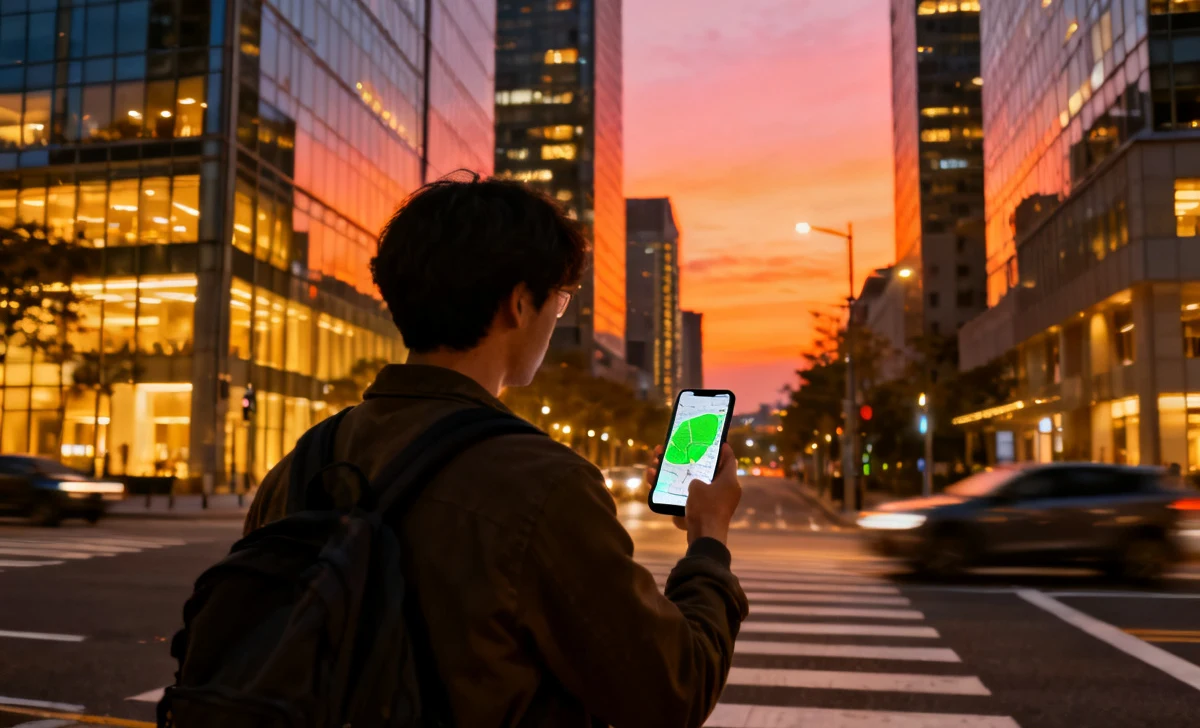
Two streets separated by one block can have crime rates that differ by 400%. Most travelers never know this until something goes wrong. Safe neighborhoods in unfamiliar cities are not just about expensive areas — they are about data, local knowledge, and smart planning.
Travelers frequently book accommodation based on price or proximity to tourist spots, ignoring the safety profile of the surrounding area. This guide solves that problem with practical, real-world methods anyone can apply before arriving.
In this guide, you will learn how to identify safe neighborhoods, check real-time crime data, use traveler reviews, and apply practical safety strategies — everything you need before booking your stay.
What Are Safe Neighborhoods in Unfamiliar Cities?
A safe neighborhood is an area with low crime rates, adequate infrastructure, and reliable emergency services. Safety is measurable — it is not a feeling but a data point.
Key safety factors include:
- Low violent and property crime rates (verified through official data)
- Active foot traffic during day and night hours
- Well-maintained streets with working lights and visible signage
- Accessible public transport with regular service
- Proximity to hospitals, police stations, and emergency services
- Positive traveler reviews from recent visitors
Why Is It Important to Choose Safe Areas Before Booking Accommodation?
Common Risks Travelers Face in Unsafe Neighborhoods
Travelers in unsafe areas face risks including theft, scams, harassment, and limited access to emergency help. According to the U.S. Department of State’s travel advisories, crime risk varies dramatically even within cities rated at the same overall safety level. Choosing the wrong block can turn a great trip into a dangerous one.
How Location Affects Your Travel Experience
Your neighborhood determines how freely you move, how well you sleep, and how much you enjoy your trip. A poorly located stay forces you to limit your activities, spend more on transport, and stay alert at all hours. Smart location choices give you freedom — unsafe ones take it away.
How to Find Safe Neighborhoods in Any City
Use Official Crime Maps and Safety Databases
Every major city publishes crime maps through police departments or government portals. Search “[city name] crime map” to access these resources. Sites like NeighborhoodScout and Numbeo compile official statistics into easy-to-read formats for international travelers.
Check Google Maps Reviews and Street-Level Photos
Google Street View lets you walk through a neighborhood before you arrive. Look for broken windows, abandoned buildings, or poorly lit streets. Read recent Google Maps reviews of hotels and nearby businesses — locals often mention safety conditions in their feedback.
Read Recent Traveler Feedback on Forums
Forums like TripAdvisor, Reddit (r/travel, r/solotravel), and Lonely Planet’s Thorn Tree contain firsthand reports from recent visitors. Search for “[city] safe neighborhood for tourists” and filter by the most recent posts. Outdated advice can mislead — always check the date of the review.
If you have ever dealt with travel disruptions like lost baggage, you know how important it is to research before arrival. The same rule applies to neighborhood safety — preparation prevents problems.
Use Travel Safety Apps (2026 Tools)
Modern travel safety apps provide real-time alerts and neighborhood ratings:
- GeoSure — rates neighborhoods globally on crime, health, and LGBTQ+ safety
- Sitata — sends real-time safety alerts for your destination
- SafeAround — combines crime data with traveler reports
- TripAdvisor Safety Scores — built into the booking interface
- Rome2Rio — includes transport safety ratings for routes
Best Tools to Check City Safety in Real Time
Crime Mapping Websites
- CrimeMapping.com — covers hundreds of U.S. cities with live data
- Numbeo — a global database with crime index by city and neighborhood
- NeighborhoodScout — U.S.-focused with hyper-local crime reports
Local Police or Government Portals
Most cities maintain public crime dashboards. London’s Metropolitan Police, New York City’s NYPD CompStat, and Australia’s state police portals all publish neighborhood-level crime data. Search “[city] police crime statistics” to find the official source.
AI-Based Travel Safety Apps
AI-powered platforms now analyze thousands of data points to score neighborhoods in real time. GeoSure’s algorithm pulls from local crime data, user reports, and news feeds to deliver a live safety score on a 100-point scale. These tools remove guesswork from the booking process.
What to Look for in a Safe Neighborhood
Street Lighting and Foot Traffic
A safe area has consistent lighting after dark and visible pedestrians at night. Avoid neighborhoods where streets empty out before 9 PM. Active public life — cafés, convenience stores, and commuters — signals a functioning, low-risk zone.
Distance from High-Risk Zones
Map the distance between your accommodation and known high-risk zones such as nightlife districts, large transit hubs, or areas with known gang activity. A two-minute walk can cross from safe to unsafe. Check crime maps for the precise address, not just the general district.
Accessibility and Transport Safety
Safe neighborhoods have multiple exit routes and reliable public transport. Check that bus and metro stops are well-lit and active. Avoid areas where the only option is unmarked taxis or long walks through poorly lit streets at night.
Mistakes Travelers Make When Choosing Accommodation
Relying Only on Hotel Ratings
A five-star hotel in an unsafe neighborhood is still an unsafe stay. Hotel ratings reflect service quality, not location safety. Always evaluate the surrounding area independently — a property’s rating says nothing about what happens outside its doors.
Ignoring Nearby Area Safety
Tourists often choose areas near major attractions but overlook safety ratings for those specific streets. Times Square in New York and La Rambla in Barcelona are iconic but are also hotspots for pickpockets. Proximity to landmarks does not equal safety.
Booking Cheap Stays in Unsafe Zones
Budget accommodation in low-cost neighborhoods often reflects the area’s risk profile. A room priced far below the city average may be cheap for a reason. Calculate the true cost — emergency transport, lost belongings, and ruined plans cost far more than a slightly higher nightly rate.
How Locals Help You Identify Safe Areas
Asking Hotel Staff or Hosts
Hotel staff and Airbnb hosts give the most current and specific safety advice. Ask directly: “Which streets should I avoid after dark?” and “Is it safe to walk to [location] at night?” Locals know what apps cannot show — recent incidents, temporary high-risk situations, and shortcuts worth avoiding.
Using Local Facebook Groups or Reddit Communities
Search for Facebook groups dedicated to expats or travelers in your destination city. Post a specific question about your accommodation address. Reddit communities like r/Bangkok, r/Istanbul, or r/Buenos_Aires respond quickly with detailed, current neighborhood knowledge.
Best Practices for Staying Safe in Any City
Day vs Night Movement Strategies
Plan routes differently for day and night travel. Walk main, well-lit roads after dark, even if they are longer. Avoid shortcuts through alleys, parks, or underused streets. Save exploration of unfamiliar areas for daylight hours when foot traffic is high.
Transportation Safety Tips
- Use official taxis or verified rideshare apps (Uber, Bolt, Grab) — never unmarked vehicles
- Share your ride details with a trusted contact
- Sit in the back seat and keep your bag on your lap
- Confirm the driver’s name and plate before entering
Emergency Planning Before Arrival
Save the local emergency number, nearest hospital address, and your country’s embassy contact before landing. Screenshot your accommodation address and share your itinerary with someone at home. Offline maps (Google Maps offline or Maps.me) work without a data connection when you need them most.
Expert Insights on Travel Safety and Neighborhood Selection
Travel safety experts from the Global Peace Index (GPI) consistently recommend that travelers assess safety at the neighborhood level — not the city level. A city ranked “moderately safe” may contain both very safe residential zones and high-crime tourist districts within a few kilometers of each other. Experts advise using layered research: official crime data as a baseline, recent traveler reviews as context, and local advice as the final verification step. Skipping any layer increases the risk significantly.
Key Takeaways — How to Always Stay in Safe Areas
- Never assess safety at the city level — always research the specific neighborhood and street
- Use official crime maps as your first research step, not your only one
- Google Street View provides a visual safety check before you arrive
- Read forum reviews dated within the last 6 months for current conditions
- Travel safety apps like GeoSure and Sitata give real-time neighborhood scores
- Ask hotel staff or local hosts for specific street-level advice
- Budget accommodations in low-cost zones often reflect real safety trade-offs
- Plan separate routes for day and night travel
- Always save local emergency numbers offline before you land
Conclusion
Choosing a safe neighborhood teaches travelers the most valuable travel skill: research before comfort. Convenience and price are easy to judge — safety requires deliberate effort, but that effort pays off every time.
The smartest travel decision you make happens before you pack your bag — it happens when you open a crime map instead of just a booking site.