
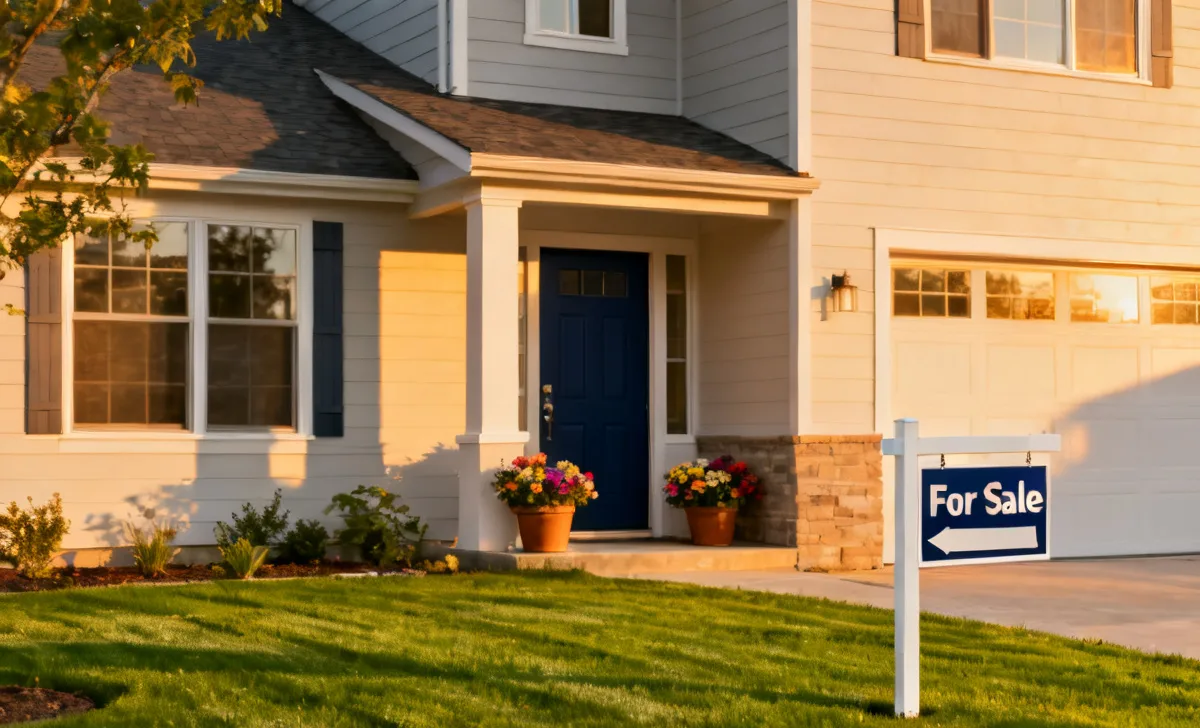
Many sellers lose thousands of dollars because they skip basic preparation steps when rushing to list. Whether you face a job relocation, financial pressure, or a tight deadline, the temptation to list immediately often backfires — buyers notice neglect fast, and low offers follow.
If you want to prepare property for sale the right way, prioritization is everything. Low-cost improvements and targeted staging strategies increase buyer interest without draining your budget.
In this guide, you will learn how to prepare a property for sale quickly, including essential repairs, staging tips, pricing strategies, and fast-impact improvements that help you attract better offers.
What Does It Mean to Prepare a Property for Sale Quickly?
Preparing a property for a fast sale means focusing your time and money only on improvements that directly impact buyer perception and market value. It is not about renovating everything — it is about strategic action.
Why Time Matters in Real Estate Sales
According to Zillow, homes that sell within the first two weeks on the market receive significantly higher offers than those that sit longer. The longer a property stays listed, the more buyers assume something is wrong. Speed combined with preparation creates the strongest competitive position.
What Buyers Notice First
Buyers form an opinion within seconds of entering a property. Curb appeal, cleanliness, and natural light are the top three factors that drive immediate emotional responses. Neglecting these areas — even with expensive interior upgrades elsewhere — will cost you offers.
How to Prepare a Property for Sale Quickly and Efficiently
Step 1 — Declutter and Deep Clean Fast
A cluttered home feels smaller and distracts buyers from the property’s actual features. Remove at least 30–50% of furniture and personal items to open up the space. Hire a professional cleaning service for a deep clean — it costs between $150–$400 and delivers an immediate visual impact.
- Clear kitchen counters completely
- Remove family photos and personalized decor
- Organize closets (buyers will open them)
- Clean windows inside and out
Step 2 — Focus on High-Impact Repairs Only
Not every repair deserves your attention before selling. Prioritize visible defects that buyers and inspectors will flag immediately. A home inspection checklist helps you identify which issues matter most before listing.
- Fix dripping faucets and running toilets
- Repair cracked tiles or damaged flooring
- Replace burnt-out light bulbs throughout
- Patch wall holes and touch up paint scuffs
Step 3 — Improve Curb Appeal on a Budget
The exterior is the first thing buyers see — online and in person. Redfin data shows that strong curb appeal can increase a home’s sale price by up to 7%. Spend two to three hours on basic landscaping and exterior touch-ups for maximum return.
- Mow the lawn and trim hedges
- Power wash the driveway and front pathway
- Paint or replace the front door if faded
- Add fresh potted plants near the entrance
Step 4 — Neutralize Interior for Broad Buyer Appeal
Bold colors and unique design choices narrow your buyer pool. Neutral tones — soft whites, warm grays, and beige — appeal to the widest range of buyers. A single coat of neutral paint on accent walls can transform a room in one weekend for under $100.
What Are the Best Quick Home Improvements Before Selling?
Low-Cost Upgrades That Increase Value
Focus on improvements with the highest return on investment relative to time and cost.
- Kitchen: Replace cabinet hardware and install a new faucet (under $150 total)
- Bathrooms: Recaulk the tub, replace the toilet seat, and add a new mirror
- Lighting: Swap outdated fixtures for modern, affordable alternatives
- Flooring: Steam clean carpets or refinish hardwood rather than replacing
Expert Insight: “Homes that are well-prepared before listing can sell up to 30% faster in competitive markets.” — Real Estate Market Analyst
[EXPERT INSIGHT: What real estate agents recommend for fast home sales] Top agents consistently advise sellers to prioritize the kitchen and bathrooms above all else. These two spaces carry the most emotional weight for buyers and deliver the strongest return per dollar spent on preparation.
What NOT to Spend Time or Money On
Avoid over-investing in improvements that buyers rarely value proportionally.
- Full kitchen or bathroom remodels (rarely recouped in a fast sale)
- Swimming pool installation or landscaping overhauls
- Converting rooms that change their primary function
- High-end finishes in a mid-range market neighborhood
How to Stage a Home Quickly to Attract Buyers
Simple Staging Tricks for Small Spaces
Staging does not require hiring a professional designer. Strategic placement of existing furniture and a few affordable accessories creates a polished, move-in-ready impression.
- Remove oversized furniture that crowds the room
- Place mirrors strategically to reflect light and add depth
- Use white or light-colored bedding in every bedroom
- Add fresh towels and a simple centerpiece in bathrooms
Using Lighting and Furniture Placement Effectively
Dark rooms feel smaller and uninviting. Replace low-wattage bulbs with bright, warm-white LEDs throughout the home. Pull furniture away from walls slightly — this counterintuitive trick actually makes rooms feel larger. Open all curtains and blinds before every showing.
How Pricing Strategy Affects a Fast Sale
How to Set a Competitive Market Price
Pricing is the single most powerful lever in a fast sale. Research comparable sales (comps) within a one-mile radius for the past 90 days. List at or slightly below market value to generate immediate interest and competing offers.
Why Overpricing Slows Down Sales
Overpriced homes create a damaging cycle — they sit on the market, buyers assume there are problems, and price reductions signal desperation. A home priced 5–10% above market value can take three to four times longer to sell than one priced accurately from day one.
Common Mistakes When Preparing a Property in a Hurry
Ignoring Minor Repairs That Matter
Small issues — dripping faucets, sticky doors, cracked switch plates — signal to buyers that the property has not been maintained. Buyers mentally multiply small problems and lower their offers accordingly.
Over-Personalizing the Space
Family portraits, bold artwork, and niche decor make it harder for buyers to visualize themselves living in the home. Depersonalization is one of the fastest and cheapest preparation steps available to any seller.
Poor Listing Photos and Presentation
Over 95% of buyers begin their property search online, according to the National Association of Realtors. Dark, cluttered, or poorly composed listing photos drastically reduce showing requests. Invest in a professional photographer or, at a minimum, use natural light and a wide-angle lens setting.
What Should You Focus on First When You Have Limited Time?
The 80/20 Rule in Property Preparation
The 80/20 rule applies directly to property preparation — 80% of your buyer impact comes from 20% of your actions. That critical 20% includes cleanliness, curb appeal, decluttering, and accurate pricing. Spend your time there first before considering anything else.
High-ROI Fixes That Work Fast
| Improvement | Estimated Cost | Time Required |
|---|---|---|
| Deep clean | $150–$400 | 1 day |
| Neutral paint touch-up | $50–$150 | Half day |
| Curb appeal (landscaping + power wash) | $100–$300 | 2–4 hours |
| Lighting upgrades | $50–$200 | 2 hours |
| Professional photography | $150–$300 | 1–2 hours |
Key Takeaways — Fast Preparation Strategy That Works
- Declutter and deep clean first — it costs little and delivers maximum impact
- Focus repairs on visible defects that buyers and inspectors will catch
- Curb appeal drives first impressions — spend at least two hours on the exterior
- Neutral, depersonalized interiors attract a wider buyer pool
- Price accurately from day one — overpricing kills momentum
- Professional listing photos are non-negotiable in a competitive market
- Use a structured home inspection checklist to avoid missing critical issues before listing
Conclusion
Fast property preparation teaches a fundamental lesson in real estate decision-making — prioritization beats perfection. Sellers who focus on the highest-impact actions consistently outperform those who either do nothing or over-invest in the wrong areas.
The key insight is simple: buyers buy on emotion and justify with logic. Clean, bright, and well-priced properties trigger positive emotional responses that lead to faster offers and stronger prices.