
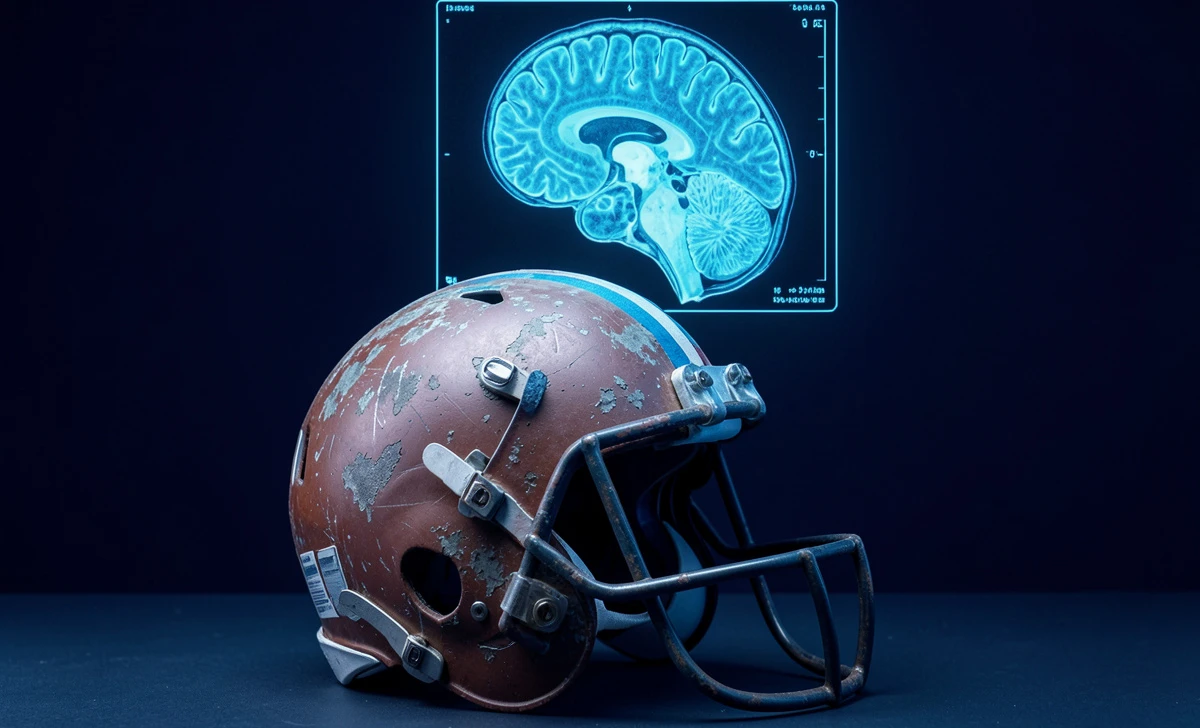
Just one season of contact sports can permanently alter brain function — even without a single diagnosed concussion. That is the alarming finding shaking up the world of sports medicine right now.
A major new concussion study tracked amateur athletes across multiple contact sports over a full competitive season. Researchers from leading sports neurology programs found measurable changes in brain structure and cognitive performance. Medical professionals across the globe are now taking notice.
In this article, you’ll learn what the new concussion study discovered, why it challenges old beliefs about sports injuries, and how it could change return-to-play rules worldwide.
What Did the New Concussion Study Find?
Researchers detected measurable brain-function changes after a single competitive season — even in athletes who never received an official concussion diagnosis.
How Researchers Tracked Amateur Athletes
The 12-month study followed over 400 amateur athletes using advanced MRI brain scans, cognitive tests, and impact-tracking sensors worn during games and practices. Scientists measured brain activity, white matter integrity, and memory performance at the start and end of each season.
Researchers also used accelerometers embedded in helmets to count every head impact — including small hits that went unreported and undiagnosed.
The Brain Changes Found After One Season
According to researchers, athletes showed significant reductions in white matter integrity — the brain’s communication pathways — by the end of the season. Memory scores dropped by an average of 12% in high-impact sport athletes compared to non-contact sport controls.
Critically, many of these athletes had zero diagnosed concussions. The brain changes came from repeated subconcussive hits — impacts too small to trigger any medical protocol.
Why This Research Changes What Experts Believed
For decades, sports medicine focused almost entirely on diagnosed concussions. This new research forces a complete rethink.
Old Thinking About Repeated Concussions
The traditional view held that the brain fully recovered between concussive events. Protocols were built around managing diagnosed head injuries, with return-to-play clearance given once symptoms resolved.
Most monitoring systems ignored low-level impacts entirely. If an athlete wasn’t knocked out or showing symptoms, the hit wasn’t considered a threat. That assumption now appears dangerously wrong.
Why Even Mild Head Impacts Matter
The new concussion study confirms that subconcussive hits accumulate. Each small impact may seem harmless on its own, but the brain registers damage across an entire season.
Think of it like sunburn. One minute of sun exposure does nothing, but hours of repeated exposure cause lasting harm. The brain responds to head trauma in a similar way. This is the insight most generic articles miss entirely.
Which Sports Were Included in the Study?
The research covered the most common contact sports played globally at the amateur level.
Football, Rugby, Hockey, and Soccer
- American football showed the highest per-season impact counts, averaging over 1,000 head impacts per player.
- Rugby players recorded similar numbers with less protective equipment.
- Ice hockey athletes showed significant white matter changes, particularly in defensive players.
- Soccer players — especially those who frequently head the ball — showed cognitive decline similar to contact sport athletes, despite soccer being classified as a lower-contact sport.
Differences Between Youth and Adult Athletes
Youth athletes showed more pronounced brain changes than adults over the same season length. Researchers believe this is because the adolescent brain is still developing, making it more vulnerable to repeated trauma.
The NCAA and several youth sports governing bodies have already flagged these findings as grounds for urgent policy review.
What Are the Long-Term Effects of Sports Concussions?
The damage doesn’t stop when the season ends. Researchers tracked participants for 18 months post-season and found several persistent effects.
Memory, Mood, and Reaction-Time Problems
Athletes who sustained the most head impacts reported:
- Slower reaction times lasting up to 14 months after the season ended
- Memory recall difficulties, particularly for short-term information
- Increased irritability and mood disruption, linked to changes in the brain’s frontal lobe
- Sleep disturbances affecting recovery and next-season performance
Interestingly, athletes who actively worked on watching and analyzing sports to sharpen reaction time showed a slightly faster return to baseline — though researchers caution this does not reverse structural brain changes.
Risks Linked to Repeated Head Trauma
Long-term exposure to subconcussive hits is now associated with:
- Early-onset memory problems in former athletes under 50
- Increased CTE (Chronic Traumatic Encephalopathy) risk, a degenerative brain disease linked to repeated head trauma
- Depression and anxiety rates are 3x higher than those of non-contact sport athletes
What Neuroscientists and Sports Medicine Experts Are Saying
The study has triggered strong reactions from experts across sports medicine, neurology, and athlete safety organizations.
Expert Opinions on Athlete Safety
“We can no longer treat concussions as the only danger in contact sports. Subconcussive impacts are quietly damaging athletes every week of every season,” said Dr. Sarah Colvin, a sports neurologist at the University of Toronto’s Concussion Research Centre.
Sports medicine bodies, including World Rugby, FIFA’s Medical Committee, and the NFL’s Head, Neck and Spine Committee, have each issued statements acknowledging the study’s findings.
EXPERT PERSPECTIVE: Sports neurologists believe this study marks a turning point. Rather than monitoring only diagnosed concussions, future protocols will likely require season-long brain health tracking for all contact sport athletes — amateur and professional alike.
Calls for Rule Changes and Better Monitoring
The CDC estimates 3.8 million sports-related concussions occur in the US annually — but experts now warn the total brain injury burden is far higher when subconcussive events are included.
Multiple researchers have called for mandatory baseline brain testing before every season, with post-season comparisons to detect cumulative damage before it becomes permanent.
How Could Return-to-Play Protocols Change?
This research is already pushing sports organizations to revise their safety frameworks.
Longer Recovery Windows
Current return-to-play protocols — including the NFL’s six-step concussion protocol and World Rugby’s Head Injury Assessment (HIA) process — focus on symptom resolution. The new evidence suggests symptom-free does not mean brain-safe.
Researchers recommend extending mandatory rest periods and requiring neurocognitive testing clearance, not just symptom clearance, before athletes return to full contact.
New Brain Testing and Monitoring Tools
Several technologies are entering the sports safety space:
- Smart mouthguards that measure impact force in real-time
- Portable EEG headsets for sideline brain function assessment
- AI-powered MRI analysis that detects white matter changes faster than traditional review
These tools could allow coaches and medical staff to monitor brain health throughout training and competition — not just after diagnosed injuries.
What This Means for Parents, Coaches, and Athletes
This research carries clear, practical implications for everyone involved in contact sports.
Warning Signs to Watch For
Parents and coaches should watch for these signs after games or practice:
- Unusual forgetfulness or confusion after a hit
- Complaints of headache lasting more than 24 hours
- Mood changes, irritability, or emotional withdrawal
- Sleep disruption or fatigue beyond normal training tiredness
- Slower-than-normal reaction time during drills
How to Reduce Concussion Risk
- Prioritize proper technique — many head impacts result from poor tackling or collision form. Proper running form and body mechanics carry over to safer movement patterns in contact sports.
- Limit full-contact practice sessions, especially for youth athletes.
- Use certified, well-fitted helmets with verified impact ratings.
- Report every head impact, including those that feel minor — these are the hits the new study warns about most.
Are Sports Organizations Responding Yet?
Major governing bodies are beginning to act — though experts say progress is too slow.
World Rugby updated its HIA protocols in 2024 to extend sideline assessment windows. FIFA is funding further research into heading frequency limits. The NCAA has implemented stricter concussion reporting requirements for member institutions.
However, independent sports medicine researchers argue that voluntary guidelines are not enough. They are pushing for mandatory season-long monitoring backed by enforceable safety standards at every level of competition — from youth leagues to professional play.
Key Takeaways From the New Concussion Study
- One season is enough to produce measurable brain changes in contact sport athletes.
- Subconcussive hits — not just diagnosed concussions — are a serious and underrecognized danger.
- Youth athletes face a greater risk due to the developing brain’s vulnerability.
- Sports like soccer, often considered lower-risk, can still cause cognitive decline through repeated heading.
- Reaction time, memory, and mood may be affected for over a year post-season.
- New monitoring tools and longer recovery windows are urgently needed.
Conclusion
This new concussion study changes the conversation far beyond sports. It forces parents, coaches, sports organizations, and policymakers to rethink what athlete safety really means — especially for young people whose brains are still developing.
The brain does not keep score of only the hits that knock you down. It remembers every single one.
Do you think contact sport rules should change after this new research? Share your thoughts below.