
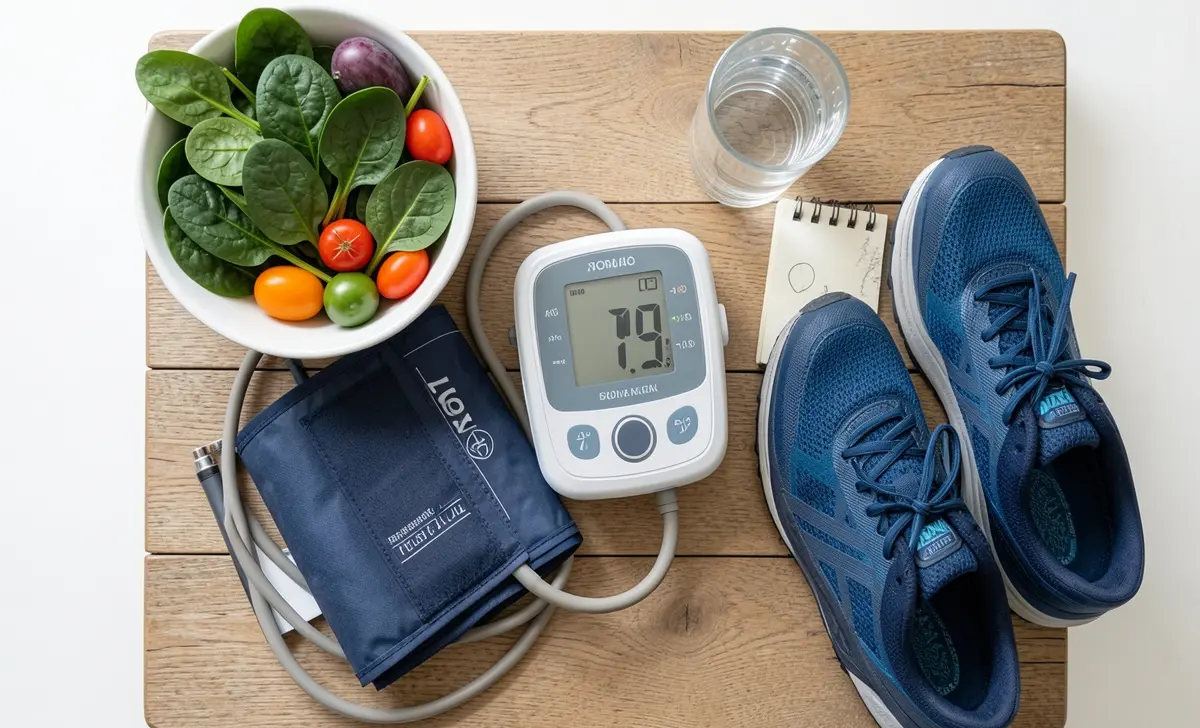
Nearly half of all adults with high blood pressure don’t know they have it — because it causes no symptoms until serious damage is done. That silence is what makes hypertension one of the leading causes of heart attack and stroke worldwide.
High blood pressure (hypertension) means your arteries are under constant excess force. Many people want to manage it without drugs — either because they’re in the early stage, concerned about side effects, or prefer to start with lifestyle changes first.
In this guide, you will learn how to lower blood pressure naturally using diet changes, exercise routines, stress control techniques, and daily habits — everything in one place.
What Is High Blood Pressure and Why Does It Matter?
How Blood Pressure Works in the Body
Blood pressure is measured in two numbers: systolic (pressure when the heart beats) and diastolic (pressure when the heart rests). A reading of 120/80 mmHg is considered normal. 130/80 mmHg or higher is classified as hypertension by the American Heart Association.
The heart, arteries, and kidneys all work together to regulate this pressure. When the system is off balance — due to diet, stress, or inactivity — pressure builds and stays elevated.
Risks of Uncontrolled Hypertension
Uncontrolled high blood pressure damages artery walls over time, leading to:
- Heart attack and heart failure
- Stroke
- Kidney disease
- Vision loss
A lesser-known fact: a reduction of just 5–10 mmHg in systolic pressure can lower stroke risk by up to 34% and coronary heart disease risk by 21%, according to research published in The Lancet.
How to Lower Blood Pressure Without Medication Naturally
Why Lifestyle Changes Matter More Than People Think
The American Heart Association states that lifestyle changes can reduce systolic blood pressure by 10–20 mmHg, comparable to the effect of a single blood pressure medication. For people with Stage 1 hypertension (130–139/80–89 mmHg), doctors often recommend trying lifestyle changes before prescribing drugs.
“Blood pressure is one of the most modifiable risk factors we have. The right diet and exercise changes can produce results in weeks, not years.” — Dr. Paul Whelton, Lead Author, ACC/AHA Blood Pressure Guidelines
If you’re also dealing with persistent fatigue alongside high blood pressure, it’s worth reading about chronic fatigue symptoms — both can share overlapping lifestyle triggers.
Timeline for Seeing Results
| Change | Expected Drop | Time to See Effect |
|---|---|---|
| DASH diet | 8–14 mmHg | 2–4 weeks |
| Regular aerobic exercise | 5–8 mmHg | 4–6 weeks |
| Reducing sodium | 2–8 mmHg | 1–2 weeks |
| Weight loss (per 10 lbs) | 5–20 mmHg | Ongoing |
| Limiting alcohol | 2–4 mmHg | 1–2 weeks |
Best Diet Changes to Lower Blood Pressure Naturally
Foods That Reduce Blood Pressure
These foods have solid clinical backing for reducing blood pressure:
- Leafy greens (spinach, kale) — high in potassium, which helps the kidneys flush sodium
- Berries — contain flavonoids linked to lower systolic pressure
- Beets — rich in nitrates that relax blood vessels
- Oats — soluble fiber reduces both blood pressure and cholesterol
- Bananas — one medium banana provides about 422 mg of potassium
- Low-fat dairy — calcium and peptides support arterial function
- Fatty fish (salmon, mackerel) — omega-3s reduce arterial stiffness
- Dark chocolate (70%+ cocoa) — flavanols improve blood vessel flexibility
- Garlic — allicin compound shown to reduce systolic BP by 7–8 mmHg in trials
Foods to Avoid
- Processed and packaged foods — a major source of hidden sodium
- Deli meats and canned soups often contain 800–1,200 mg of sodium per serving
- Sugary drinks — linked to increased systolic pressure
- Saturated fats (red meat, full-fat dairy) — raise cardiovascular risk
- Excess caffeine can cause short-term spikes in sensitive individuals
DASH Diet Explained
The DASH diet (Dietary Approaches to Stop Hypertension) was developed specifically to lower blood pressure. Clinical trials show it reduces systolic BP by 8–14 mmHg. The core principles are:
- 4–5 servings of fruits and vegetables per day
- Whole grains over refined carbs
- Low-fat dairy instead of full-fat
- Limit sodium to 1,500–2,300 mg per day
- Lean protein (fish, poultry, legumes) over red meat
A balanced weekly meal plan can help you follow DASH principles without overspending.
Best Exercises for Lowering Blood Pressure
Walking, Cardio, and Aerobic Training
Aerobic exercise directly strengthens the heart, allowing it to pump blood with less effort. Studies show regular cardio reduces systolic pressure by 5–8 mmHg.
Effective aerobic options include:
- Brisk walking
- Cycling
- Swimming
- Jogging
- Dancing
Even 30 minutes of brisk walking five days a week produces measurable results within 4–6 weeks.
Strength Training Benefits
Resistance training is often overlooked for blood pressure, but research in the Journal of Hypertension shows it lowers resting blood pressure by 2–4 mmHg when done consistently. It also improves insulin sensitivity, which is linked to blood pressure regulation.
Stick to moderate weights with higher reps (12–15 per set) rather than heavy maximal lifts to avoid short-term pressure spikes.
How Much Exercise Per Week Is Needed
The American Heart Association recommends:
- 150 minutes of moderate aerobic activity per week (or 75 minutes vigorous)
- 2 days of strength training per week
- Avoid sitting for long periods — even short walking breaks during the day help
Starting your day with a morning stretch routine can also improve circulation and reduce arterial stiffness over time.
How Stress Affects Blood Pressure
The Cortisol–Blood Pressure Link
When you’re stressed, your body releases cortisol and adrenaline, both of which raise heart rate and constrict blood vessels. Chronic stress keeps blood pressure persistently elevated. Research in Psychosomatic Medicine found that people with high work stress had a 40% higher risk of developing hypertension.
Breathing Exercises and Meditation
Slow, controlled breathing activates the parasympathetic nervous system, which counteracts the stress response. A technique called resonance breathing (5-second inhale, 5-second exhale) has been shown to lower systolic pressure by 3.8 mmHg in studies.
Effective stress-reduction methods:
- Diaphragmatic breathing — 10 minutes daily
- Mindfulness meditation — 15–20 minutes daily
- Progressive muscle relaxation
- Yoga — combines movement with breathing
Sleep and Recovery Importance
Poor sleep raises cortisol levels and disrupts the natural overnight blood pressure dip. Adults who sleep less than 6 hours per night have a significantly higher risk of hypertension. Aim for 7–9 hours of quality sleep.
A consistent bedtime routine for better sleep directly supports blood pressure regulation by keeping cortisol in check overnight.
Daily Lifestyle Habits That Help Control Blood Pressure
Reducing Salt Intake
Most adults consume 3,400 mg of sodium per day — well above the recommended 2,300 mg. Reducing intake to 1,500 mg can drop systolic BP by up to 8 mmHg.
Practical steps:
- Cook at home more often
- Read nutrition labels (aim for under 140 mg per serving)
- Use herbs and spices instead of salt
- Avoid adding salt at the table
Weight Management
Every 2.2 lbs (1 kg) of weight lost reduces systolic blood pressure by approximately 1 mmHg. Losing 10–22 lbs (5–10 kg) can reduce systolic pressure by 5–20 mmHg.
Excess weight around the abdomen (waist over 40 inches in men, 35 inches in women) is especially linked to hypertension.
Alcohol and Smoking Impact
- Drinking more than 1–2 drinks per day raises blood pressure. Cutting back reduces systolic BP by 2–4 mmHg.
- Smoking causes immediate spikes and long-term arterial damage. Quitting produces measurable improvement in blood pressure and cardiovascular risk within weeks.
How Quickly Can You Lower Blood Pressure Naturally?
Results depend on which changes you make and how consistently you apply them. Most people see measurable drops within 2–4 weeks of starting a DASH diet and regular exercise. Full benefits typically appear at 3–6 months with sustained effort.
The fastest short-term drops come from sodium reduction and stopping smoking. The most durable long-term changes come from weight loss and regular aerobic exercise.
When Should You Still See a Doctor?
Natural methods work well for Stage 1 hypertension and as a complement to treatment. But you should see a doctor if:
- Blood pressure is consistently 140/90 mmHg or higher
- You have diabetes, kidney disease, or a history of heart attack or stroke
- You experience chest pain, shortness of breath, or severe headaches
- Blood pressure doesn’t improve after 3–6 months of lifestyle changes
Never stop prescribed medication without consulting your doctor first.
Key Takeaways — What Actually Works Best?
The most effective natural approaches, ranked by clinical evidence:
- DASH diet — up to 14 mmHg reduction
- Weight loss — up to 20 mmHg for significant weight reduction
- Regular aerobic exercise — 5–8 mmHg
- Sodium reduction — up to 8 mmHg
- Stress management and sleep — 3–5 mmHg
- Limiting alcohol — 2–4 mmHg
Final Thoughts
Lowering blood pressure without medication is entirely realistic for many people — especially those caught early. The changes above are not quick fixes; they’re investments in long-term cardiovascular health. The evidence is clear that diet, movement, sleep, and stress control move the needle in ways that rival pharmaceutical intervention at the early stages.
The most powerful thing you can do today: start with one change — cut sodium, add a 30-minute walk, or fix your sleep — and build from there.