
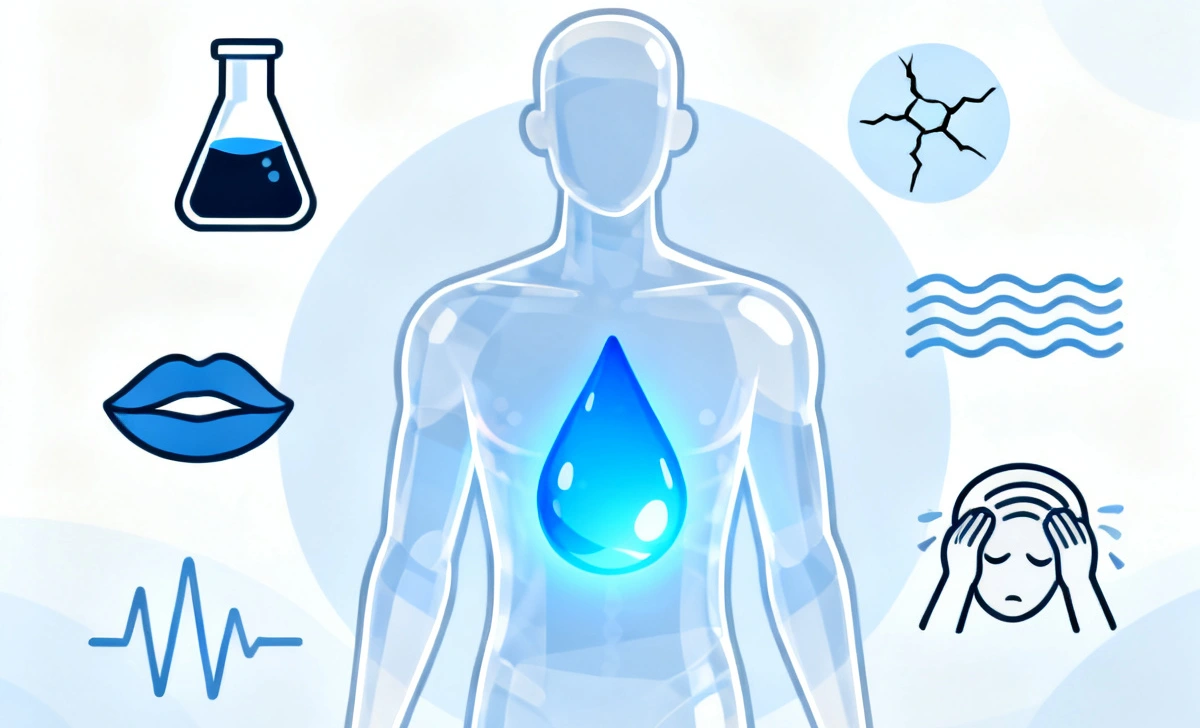
By the time you feel thirsty, your body may already be 1–2% dehydrated. That might sound small, but research shows even this level of fluid loss can affect your mood, energy, and mental performance.
Dehydration is one of the most common yet overlooked health issues. Most people wait until thirst hits — but thirst is actually a late warning signal, not an early one. Missing the earlier signs can lead to fatigue, headaches, and poor focus throughout your day.
In this guide, you will learn how to identify early signs of dehydration before thirst, what causes it, and how to stay properly hydrated every day.
What Is Dehydration and Why Does It Happen?
Dehydration occurs when your body loses more fluid than it takes in. Your body needs water for nearly every function — from regulating temperature to transporting nutrients.
Common causes include:
- Exposure to heat or hot weather
- Physical exercise without enough fluid replacement
- Illness (fever, vomiting, or diarrhea)
- Simply not drinking enough water throughout the day
According to the CDC, water makes up about 60% of an adult’s body weight. Even a slight imbalance can trigger noticeable symptoms.
Why Thirst Is a Late Sign of Dehydration
Most people believe thirst is the body’s first warning system — but it is not. By the time your brain signals thirst, your body has already lost a meaningful amount of fluid.
A fluid loss of just 1–2% of body weight can impair physical performance and cognitive function, according to studies cited by the Journal of the American College of Nutrition. For a 70 kg adult, that is only about 700 ml to 1.4 liters of water.
Older adults are especially at risk because the sensation of thirst weakens with age. This makes it even more important to recognize the earlier physical signs.
Early Signs of Dehydration You Should Never Ignore
Dark Yellow Urine (Hydration Indicator)
Your urine color is one of the most reliable real-time indicators of hydration. Pale yellow or straw-colored urine is a sign of good hydration. Dark yellow or amber urine signals that your kidneys are conserving water — a clear sign you need to drink more.
Health experts recommend using a urine color chart as a quick daily check. The scale runs from clear (overhydrated) to pale yellow (well hydrated) to dark brown (severely dehydrated).
Dry Lips and Mouth
A dry or sticky mouth is one of the earliest signs that your body produces. When fluid intake drops, your salivary glands reduce saliva production to conserve moisture.
If your lips feel cracked or your mouth feels tacky, reach for water before any other remedy. This sign often appears before any feelings of thirst.
Fatigue and Low Energy
Feeling unexpectedly tired in the middle of the day? Dehydration could be the cause. Water is essential for maintaining blood volume. When blood volume drops, your heart has to work harder to deliver oxygen to your muscles and brain — leaving you feeling drained.
According to the Mayo Clinic, even mild dehydration can affect mood and energy levels significantly.
Headaches or Light Dizziness
Your brain is surrounded by fluid that acts as a cushion. When you are dehydrated, this fluid decreases, causing the brain to pull slightly away from the skull, which triggers headaches.
Dizziness when standing up quickly (orthostatic hypotension) is another early signal. It happens because low blood volume reduces blood pressure temporarily.
Muscle Cramps
Dehydration disrupts the balance of electrolytes — especially sodium and potassium — which are essential for muscle function. When these minerals drop, muscles become more prone to sudden cramping, especially during or after exercise.
This is why athletes are advised to replenish both water and electrolytes, not just plain water, after intense activity.
Reduced Focus and Brain Fog
Struggling to concentrate? Feeling mentally sluggish? Dehydration directly affects brain performance. Studies show that a 1–2% drop in hydration can reduce short-term memory, attention span, and reaction time.
This is particularly relevant for people experiencing persistent low energy — dehydration is often an overlooked contributor that mimics symptoms of chronic fatigue.
Urine Color Chart — The Easiest Way to Check Hydration
The urine color chart is the simplest, most accurate self-check tool for hydration. Here is how to read it:
| Color | Meaning | Action |
|---|---|---|
| Clear | Overhydrated | Reduce water slightly |
| Pale Yellow | Well hydrated | Keep it up |
| Yellow | Mildly dehydrated | Drink more water |
| Dark Yellow | Dehydrated | Drink water now |
| Amber / Orange | Severely dehydrated | Urgent rehydration needed |
| Brown | Medical emergency | Seek help immediately |
[EXPERT INSIGHT]: Doctors recommend checking urine color daily as a quick hydration test. It takes seconds and can reveal your hydration status more accurately than thirst alone.
Who Is at Higher Risk of Dehydration?
Children and Older Adults
Children have a higher body water percentage and lose fluids faster through sweat and breathing. Older adults, on the other hand, have a reduced thirst response and may take medications that increase fluid loss. Both groups need proactive hydration monitoring.
Athletes and Outdoor Workers
People who exercise intensely or work outdoors in heat can lose 1–2 liters of sweat per hour. Without regular fluid replacement, dehydration sets in quickly — often before they realize it.
People in Hot Climates
Living or working in hot environments accelerates fluid loss through sweating. The WHO recommends increasing water intake significantly in hot weather, even if physical activity is minimal.
How to Stay Hydrated Throughout the Day
Daily Water Intake Guidelines
General guidance from health authorities suggests drinking 2–3 liters (8–12 cups) of water daily for most adults. However, individual needs vary based on body size, climate, and activity level.
A simple rule: drink enough so your urine stays pale yellow throughout the day.
Best Times to Drink Water
- Morning: Drink a glass of water right after waking up. Your body loses moisture overnight through breathing — making morning one of the most important hydration moments of the day.
- Before meals: Drinking water 20–30 minutes before eating aids digestion and prevents mistaking thirst for hunger.
- After physical activity: Replenish fluids lost through sweat as soon as possible after exercise.
Hydrating Foods to Include
Water does not only come from drinks. These foods have high water content and contribute to daily hydration:
- Watermelon (92% water)
- Cucumber (95% water)
- Strawberries (91% water)
- Oranges (86% water)
- Lettuce and leafy greens (over 90% water)
Common Mistakes That Cause Dehydration
Many people are unknowingly doing things every day that make dehydration worse:
- Drinking only when thirsty — as covered earlier, thirst is a late signal, not an early one
- Too much caffeine — coffee and energy drinks are mild diuretics that increase urine output and can deplete fluids if consumed in excess
- Ignoring electrolytes — plain water alone may not be enough after heavy sweating; sodium, potassium, and magnesium are also essential
- Relying on sugary drinks — sodas and juices can actually worsen dehydration due to their sugar and sodium content
- Forgetting to drink during cool weather — people often underestimate their fluid needs in winter or air-conditioned environments
When to Seek Medical Help
Most mild dehydration can be treated by drinking water and resting. However, some symptoms indicate severe dehydration that requires immediate medical attention:
- Confusion or disorientation
- Rapid heartbeat or breathing
- Fainting or extreme dizziness
- Sunken eyes or no tears
- No urination for 8+ hours
- Skin that does not bounce back when pinched (poor skin turgor)
These symptoms — especially in children or elderly individuals — should be treated as medical emergencies.
Key Takeaways — How to Catch Dehydration Early
- Do not wait for thirst — it is a late warning sign, not an early one
- Check your urine color daily — pale yellow means you are on track
- Watch for dry mouth, fatigue, headaches, and dark urine before thirst arrives
- Drink water first thing in the morning — overnight dehydration is real
- Eat hydrating foods like watermelon, cucumber, and leafy greens
- Replenish electrolytes after exercise, not just water
- High-risk groups (children, the elderly, and athletes) need extra attention and proactive hydration habits
Final Thoughts
Dehydration is not just about feeling thirsty — it is a gradual process that affects your energy, focus, mood, and physical performance long before you realize it. The good news is that it is also one of the easiest health issues to prevent with simple daily habits.
Your body is always sending signals — the key is learning to listen before thirst takes over.
Start by checking your urine color each morning, keeping a water bottle within reach, and building hydration into your daily routine. Small, consistent actions make the biggest difference in how you feel every single day.