
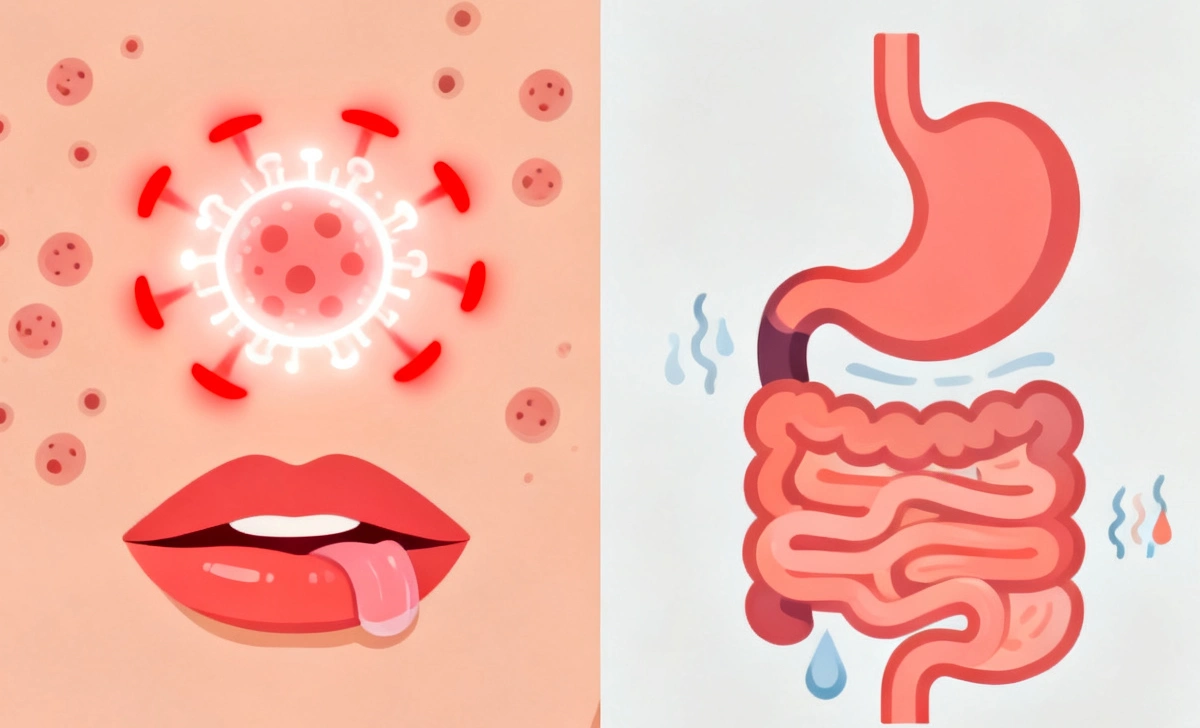
Feeling sick after eating certain foods can be deeply confusing. One day you eat something and feel perfectly fine, and the next time the same food leaves you miserable for hours. Some reactions are mild and uncomfortable, while others can turn life-threatening within minutes. The key is knowing whether you are dealing with a food allergy vs Intolerance — because the risks, causes, and treatments are completely different.
In simple terms, a food allergy involves your immune system, while a food intolerance affects your digestive system. But that is just scratching the surface. Let us break it down clearly so you can recognize symptoms, understand the causes, and know exactly when to seek medical help.
Food Allergy vs Food Intolerance: Quick Comparison
| Feature | Food Allergy | Food Intolerance |
|---|---|---|
| Cause | Immune system reaction | Digestive system issue |
| Onset | Rapid (minutes to hours) | Slower (hours to days) |
| Severity | Can be life-threatening | Usually not life-threatening |
| Common Symptoms | Hives, swelling, breathing issues | Bloating, gas, diarrhea |
| Trigger Amount | Even tiny amounts can trigger it | Often depends on quantity consumed |
| Example | Peanut allergy | Lactose intolerance |
What Is a Food Allergy?
A food allergy occurs when your immune system mistakenly identifies a harmless food protein as a dangerous invader. In response, it produces antibodies — specifically Immunoglobulin E (IgE) — to fight off that food. Every time you eat that food again, your immune system launches a defensive attack, releasing chemicals like histamine that cause allergic symptoms throughout the body.
This is an autoimmune overreaction. The food itself is not harmful, but your body treats it like a serious threat. Over repeated exposures, these reactions can sometimes become more intense and harder to predict.
Common Food Allergens
The following eight foods account for the majority of allergic reactions worldwide:
- Peanuts
- Tree nuts (almonds, walnuts, cashews)
- Milk
- Eggs
- Shellfish and seafood
- Wheat
- Soy
- Fish
Symptoms of a Food Allergy
Symptoms typically appear within minutes to two hours after eating the trigger food:
- Skin reactions: hives, itching, redness, or eczema flare-ups
- Swelling of the lips, face, tongue, or throat
- Difficulty breathing or shortness of breath
- Wheezing or persistent coughing
- Vomiting, nausea, or diarrhea
- Dizziness, lightheadedness, or fainting
- Runny nose and watery eyes
Anaphylaxis: The Most Dangerous Reaction
The most severe and dangerous form of food allergy is anaphylaxis — a full-body emergency that can be fatal if not treated immediately. When someone with a severe allergy is exposed to their trigger food, the body floods with inflammatory chemicals that can cause multiple systems to shut down at once.
Warning signs of anaphylaxis include:
- Extreme difficulty breathing or throat tightening
- A sudden and severe drop in blood pressure
- Rapid or irregular heartbeat
- Loss of consciousness
- Pale or bluish skin tone
According to the World Health Organization, untreated anaphylaxis can be fatal within minutes. The immediate use of an epinephrine injection (commonly known as an EpiPen) is critical. If you or someone nearby shows these signs, call emergency services immediately and do not wait to see if symptoms improve on their own.
What Is a Food Intolerance?
A food intolerance occurs when your body has difficulty digesting certain foods. Unlike a food allergy, it does not involve the immune system at all. Instead, the problem lies in your digestive tract — your body either lacks the enzymes needed to break down a particular food or reacts negatively to certain compounds within it.
For example, people with lactose intolerance do not produce enough lactase, the enzyme responsible for breaking down lactose — the natural sugar found in dairy products. Without enough lactase, undigested lactose ferments in the gut, causing uncomfortable but non-dangerous symptoms.
Common Types of Food Intolerance
- Lactose intolerance — difficulty digesting milk sugar
- Gluten sensitivity — a reaction to gluten in wheat, rye, and barley (different from celiac disease)
- Caffeine sensitivity — overreaction to caffeine in coffee, tea, or energy drinks
- Food additive intolerance — reactions to preservatives, artificial colors, or flavor enhancers
- Fructose malabsorption — inability to properly absorb the sugar found in fruits and some vegetables
Symptoms of Food Intolerance
Symptoms are generally delayed and less severe than allergic reactions:
- Bloating and excessive gas
- Stomach cramps or abdominal pain
- Diarrhea or loose stools
- Headaches or migraines
- Fatigue and low energy
- Mild skin irritation (in some cases)
Unlike allergies, food intolerance symptoms are uncomfortable and frustrating, but they are rarely dangerous to your life.
Key Differences Explained in Detail
1. Immune System vs. Digestive System
Food allergies are an immune system problem — your body mistakenly goes to war against a harmless food. Food intolerance is a digestive problem — your gut struggles to process a particular ingredient properly. The immune system stays out of it entirely.
2. Speed of Reaction
Allergic reactions are fast. You can feel symptoms within minutes of taking your first bite. Food intolerance, on the other hand, takes time to develop. Symptoms may appear hours later or even the following morning, which makes it significantly harder to identify the trigger food.
3. Severity and Risk Level
This is where the biggest difference lies. Allergies can escalate into anaphylaxis and become life-threatening without warning. Food intolerances, while genuinely unpleasant, stay within the digestive system and are manageable with dietary adjustments.
4. The Amount You Eat Matters
With a food allergy, even a microscopic amount of the trigger food can set off a dangerous reaction. A person with a severe peanut allergy can react to trace amounts of peanut residue on a shared cooking surface. With food intolerance, the quantity usually matters — a small amount may be tolerated fine, while a larger portion brings on symptoms.
Listen to What Your Body Is Telling You
Your body constantly sends you signals about its needs. The problem is that most people either ignore these signals or misinterpret them. Repeated headaches, persistent fatigue, bloating after meals — these are not normal. They are your body asking for attention.
The same principle applies to hydration. Just as certain foods trigger symptoms, dehydration creates its own warning signs that are easy to overlook. Paying attention to the early signs of dehydration can help you act before the situation becomes serious. Health awareness begins with tuning in to what your body is trying to communicate — whether through food reactions or everyday physical cues.
How to Figure Out Which One You Have
Ask yourself these questions after a reaction:
- Did symptoms appear quickly, within minutes? → Likely a food allergy
- Did you experience breathing trouble, throat tightening, or significant swelling? → Food allergy — seek urgent care
- Did symptoms build slowly over hours and involve mainly your stomach? → Likely food intolerance
- Does eating a small amount cause no problems, but a large amount causes symptoms? → Points toward intolerance
Medical Diagnosis Options
Doctors use several methods to properly identify your condition:
- Skin prick tests — for detecting IgE-mediated food allergies
- Blood tests (IgE levels) — to measure immune response to specific foods
- Elimination diets — removing suspected foods and slowly reintroducing them to identify triggers
- Hydrogen breath test — specifically used to diagnose lactose intolerance and fructose malabsorption
- Oral food challenge — conducted under medical supervision to confirm or rule out an allergy
The Mayo Clinic strongly recommends professional testing rather than self-diagnosing, especially when symptoms are severe or recurring. Guessing wrong can lead to unnecessary food restrictions or, more dangerously, leaving a real allergy unmanaged.
When Should You See a Doctor?
Seek emergency medical help immediately if you experience:
- Trouble breathing or a feeling of throat tightening
- Swelling of the tongue or throat
- Sudden drop in blood pressure
- Rapid heartbeat combined with dizziness
- Loss of consciousness
Schedule a regular doctor’s appointment if:
- Symptoms occur repeatedly after eating certain foods
- You suspect multiple foods are causing problems
- Your diet has become increasingly restricted out of fear
- You are losing weight unintentionally
- Symptoms are affecting your daily quality of life
How to Manage Each Condition
Managing a Food Allergy
- Avoid trigger foods completely — there is no safe minimum amount
- Always carry an epinephrine auto-injector if you have been prescribed one
- Read food labels carefully every single time, even for familiar products
- Inform restaurant staff about your allergy before ordering
- Wear a medical alert bracelet so others can help in an emergency
Managing Food Intolerance
- Reduce, not necessarily eliminate, trigger foods from your diet
- Use digestive aids where appropriate, such as lactase enzyme supplements for lactose intolerance
- Adjust portion sizes — smaller amounts spread throughout the day may be better tolerated
- Keep a food diary to identify patterns and specific triggers
- Eat slowly and regularly to support better digestion
A Common Misconception Worth Clarifying
Many people believe that lactose intolerance is a type of milk allergy — but it is not. Lactose intolerance is caused by a deficiency of the lactase enzyme, not by an immune response. There are no antibodies involved and no risk of anaphylaxis. It is one of the most widely misdiagnosed conditions worldwide, and understanding the difference matters because the management approach is entirely different.
A person with a true milk allergy must avoid all dairy completely and carry emergency medication. A person with lactose intolerance may be able to enjoy small amounts of dairy or use lactase supplements without any serious consequences.
Expert Perspective
Clinical guidance from the American College of Allergy, Asthma and Immunology states that food allergies can escalate rapidly and unpredictably, while food intolerances generally remain contained within the digestive system. This fundamental distinction is what guides doctors in determining treatment urgency and long-term risk management.
Key Takeaways
- Food allergies involve the immune system and can be life-threatening
- Food intolerance affects digestion and is usually far less serious
- Allergies react fast; intolerances are slow and delayed
- Any amount can trigger an allergy; intolerance often depends on how much you eat
- Always get a proper medical diagnosis — do not rely on guesswork
- Anaphylaxis is a medical emergency — act immediately and do not wait
Final Thoughts
Understanding the difference between a food allergy and a food intolerance is not just useful knowledge — it can genuinely protect your health and the health of people around you. One condition demands immediate emergency action, while the other typically requires thoughtful dietary adjustments over time.
The real lesson here is a simple but powerful one: your body gives you signals every single day. Learn to read them early, take them seriously, and do not hesitate to seek professional guidance when something does not feel right. Your health is worth that attention.