

Are you worried you will pay too much for your next home? Most buyers never ask for a lower price because they do not know what to say, or they fear losing the deal entirely. That fear is understandable, but it costs real money.
Negotiation is not a personality you are born with. It is a set of learnable steps, specific words, and timing decisions anyone can follow. In this guide, you will learn exactly how to negotiate lower price buying home — from your first research move to the final number at the closing table.
How Do You Prepare to Negotiate a Lower Price on a Home?
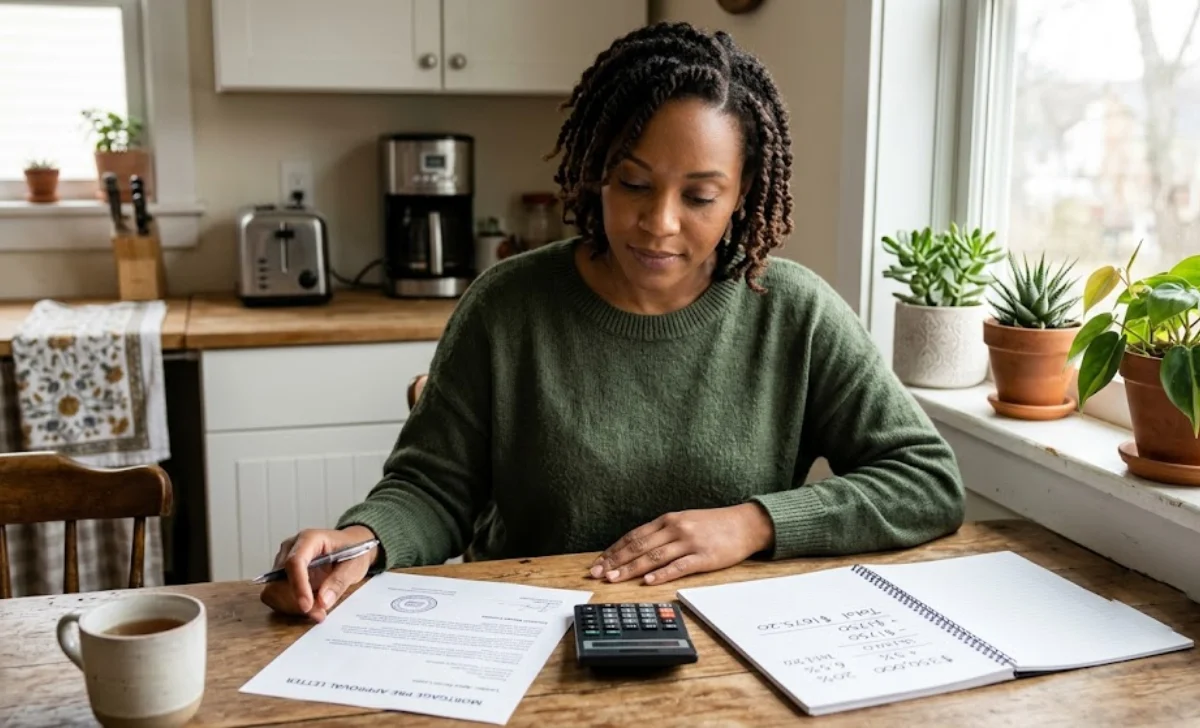
Before you walk into any open house, your negotiating power is already being built or broken. Sellers and their agents form quick opinions about which buyers are serious.
Start by getting fully pre-approved by a reputable lender, not just pre-qualified. A pre-approval letter tells the seller that your finances are verified and your loan will not collapse weeks before closing. Pair that with a solid earnest money deposit, and sellers will often accept a slightly lower offer from a buyer they trust over a higher number from one who looks risky.
Before any specific house captures your emotions, write down a hard ceiling price. When negotiation pressure builds, that number keeps you grounded and stops you from bidding against yourself.
The Real Estate Market: Your First Step in Negotiation
If you negotiate without reading the market, you are playing a game where everyone else knows the rules except you. Understanding market cycle basics before making any offer is one of the most practical moves you can make.
A buyer’s market has more homes than buyers, with days on market stretching past thirty or forty days. You hold more cards than you realize in that environment. A seller’s market runs the opposite direction, with bidding wars and homes gone in under a week.
Your agent can pull a sale-to-list price ratio report for your area, which shows exactly what percentage of asking price homes are closing at. Even in a global real estate slowdown, that single number reveals more negotiating room than anything else.
How Do You Find a Buyer’s Agent Who Will Actually Negotiate?
Not every real estate agent is built for the negotiation table. Some are great at finding homes but crumble when it is time to push back against a listing agent playing hardball. Interview at least two or three agents before signing anything, and ask directly how they handle price negotiations.
A strong negotiating agent will give you a specific example of money they saved a client, not vague claims about being tough. Before choosing anyone, check whether a realtor suggests lower price adjustments based on market data or simply tells you what you want to hear. That difference separates an advocate from an order taker.
What Is a Comparable Market Analysis and How Does It Save You Money?
A comparable market analysis, called a CMA, is your primary tool for justifying a lower offer without offending anyone. Your agent pulls data on recently sold homes in the same neighborhood that match the size, condition, and features of the property you want. Those sold prices tell the real story of what the market will actually pay.
When you submit an offer below asking price along with a CMA showing similar homes sold for less, you change the conversation entirely. You are no longer a lowballer — you are a data-driven buyer pointing to evidence. If you want to do your own research first, check Zillow price history to understand how the listing price has moved since it appeared. That context sharpens your starting point before your agent pulls the full report.
How Much Below Asking Price Can You Offer Without Offending the Seller?
In a pronounced buyer’s market where homes sit for months, offers ten to fifteen percent below asking are not unusual and rarely cause offense. In a balanced market, five to ten percent below asking is the sweet spot where you signal seriousness while still pushing for a better deal.
The real key is not the number itself but the story you attach to it. A standalone low number feels like an insult because nothing justifies it except the buyer’s desire to save money. That same number, wrapped in market data and a calm explanation, becomes a business proposition any rational seller must consider. Your agent should also tell you whether the listing has negotiation room built in or was priced to move fast.
What Should You Say When You Make a Low Offer on a House?
Words matter more than numbers in many negotiations. When your agent presents the offer, the framing should not be We think your home is worth less. It should be that we want to make this work, and here is what the market data supports.
Your agent might say: My buyers have reviewed the comparable sales and believe this price is supported by the market. They are fully pre-approved, flexible on the closing timeline, and ready to move quickly. You can also ask about seller concessions toward closing costs as part of the same conversation, since bundling a modest price reduction with a closing credit often gets more traction than asking for a large price cut alone.
Using the Home Inspection to Negotiate a Lower Price
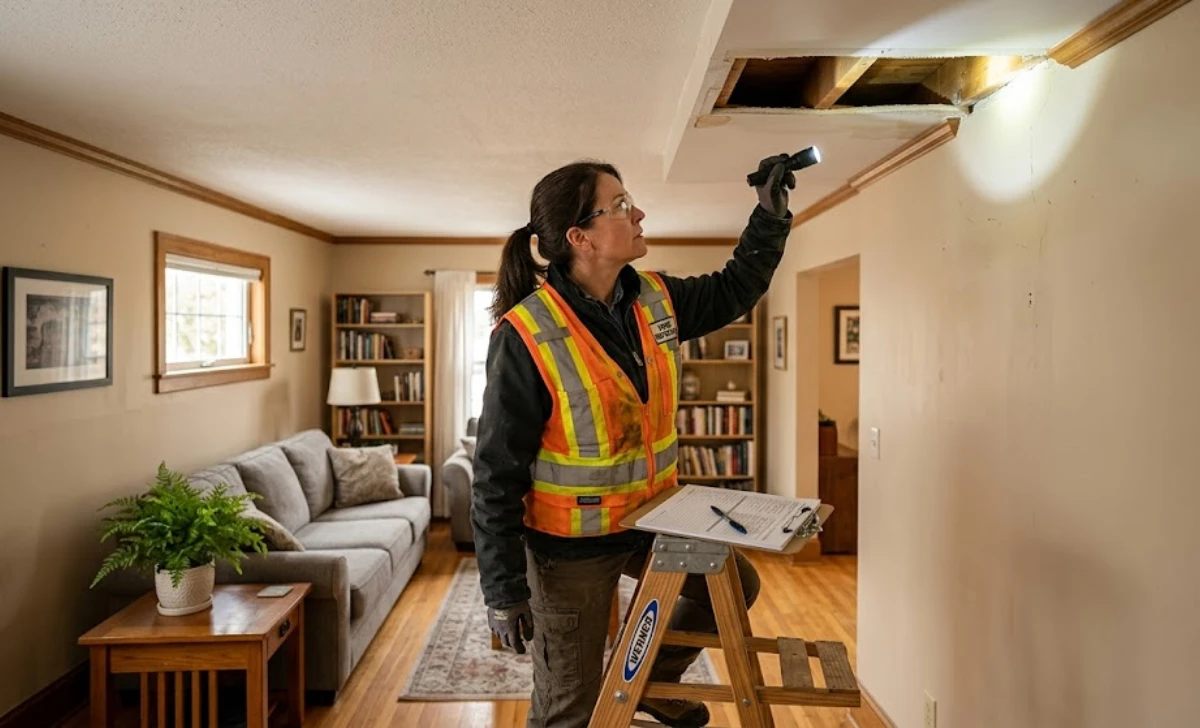
The home inspection is often the most powerful negotiation moment in the entire buying process, yet many buyers treat it as just another box to check. When the inspector hands you the report, you have a second chance to revisit the price without being the bad guy.
Separate the cosmetic issues from the material defects. Peeling paint and outdated fixtures are not negotiation chips. But a roof with three years of life left, a failing HVAC, or serious issues found during a used home inspection are legitimate grounds for a price reduction or repair credit at closing. Request a credit rather than demanding the seller perform repairs — it puts you in control of the work and ensures it gets done right.
What Happens When the Appraisal Comes in Low?
A low appraisal feels like a disaster but can become your strongest negotiating ally. The bank is telling everyone at the table that the home is not worth the agreed price, and since the bank only lends against the appraised value, the seller faces a cold mathematical reality.
Lean into the appraisal contingency your agent included in the purchase agreement. That clause lets you renegotiate down to the appraised amount without penalty. Simply say that the appraisal came in below the agreed price, and you need to adjust to match it. Understanding closing costs real estate math also helps here, since a seller who covers part of your closing costs reduces your cash outlay just as effectively as a price drop.
Negotiating Closing Costs to Keep More Cash in Your Pocket
The purchase price is not the only number you can move. Closing costs run between two and five percent of the loan amount, and asking the seller to cover a portion is a quieter way to reduce your total cash at the table.
This tactic works especially well when the seller resists dropping the headline price. A closing cost credit sits inside the settlement statement and does not appear as a lower sale price in public records. Your lender will have limits on how much seller credit you can receive based on your loan type, so confirm those numbers before making the ask. The request is simple: ask the seller to contribute two or three percent toward closing costs as part of the final agreement.
What Are the Most Common Negotiation Mistakes That Kill a Deal?
Getting emotionally attached before the ink dries is the most common error. When a seller senses you have mentally moved in, your leverage disappears because they know you will not walk away, no matter what they demand.
Talking too much about renovation plans is another frequent mistake. Sellers often have deep emotional ties to their homes, and hearing you describe changes creates resistance that spills directly into the negotiation.
Overlooking property title issues before making an offer is also a serious error. Title problems discovered late give you less leverage and far more stress than catching them during initial due diligence.
Check for any property lien rights attached to the home before you commit to a price. A lien can delay or kill a closing entirely, and discovering it after you have fallen in love with the property puts the seller back in control.
How Do You Know When It Is Time to Walk Away?

Set your walk-away price before any specific house captures your emotions. Pick a hard number above which you will not go, and make it specific enough that you cannot rationalize past it later.
Walk away when the seller refuses to address major safety or structural problems. Watch for foundation issues’ warning signs carefully, because foundation repairs can cost tens of thousands of dollars.
Never ignore water damage red flags either. They point to ongoing moisture problems that no purchase price discount will fully cover once you own the home.
There will always be another home. The best negotiators are not the ones who win every battle. They are the ones who know which battles are worth fighting and which ones to leave behind.
Common Questions About Home Price Negotiation
Can you negotiate a house price after your offer is accepted?
Yes, but only through contingencies already in your contract. The home inspection and appraisal are the two events that legally reopen the price conversation. You cannot simply change your mind without a valid, contract-supported reason like newly discovered defects.
How long should you wait to negotiate after a home inspection?
Most contracts give you five to ten days to submit any requests. Act within that window because waiting too long can waive your right to negotiate based on the report. Your agent should move the same day you receive the results.
What is the best season to negotiate a lower home price?
Late fall and winter generally give buyers more power because fewer active buyers are in the market. Sellers who list during the holidays are often motivated by necessity rather than casual interest.
Should you ever tell the seller your highest offer?
No. Revealing your maximum number hands the seller all the leverage. Keep that number between you and your agent and let the negotiation unfold based on market data and reasonable offers.
Conclusion
You now know exactly how to negotiate a lower price when buying a home, from the market research that shapes your strategy to the specific words that carry your offer forward. Negotiation is not about being difficult or demanding. It is about being prepared, staying calm, and knowing that asking for a fair deal is smart, not offensive. Walk into your next offer conversation with quiet confidence. You are not hoping for a good deal anymore. You know exactly how to go get one.