You step off the train in an unfamiliar city, drag your suitcase down a cobblestone street, and try to buy a coffee by pointing and nodding. It works, sure. But you miss the actual magic. The truth is, figuring out why learning hello in the local language matters has less to do with vocabulary and everything to do with how people treat you the moment you make the effort. Most travelers don’t realize that local phrases transform travel in ways that go far beyond simple communication.
You’re not just a passing tourist anymore. You’re being a guest. And that quiet shift changes the entire trip.
The Psychology Behind Why “Hello” Changes Everything
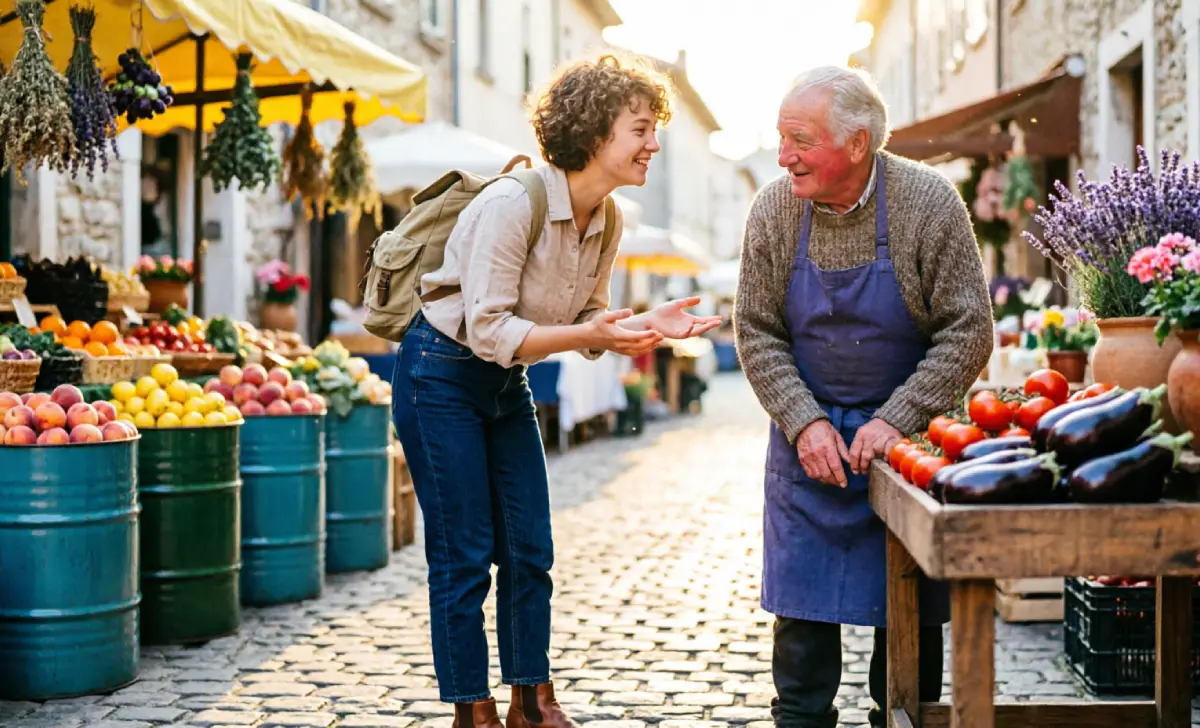
When you drop a basic greeting, something shifts in the room. I remember sitting at a tiny bakery in Lisbon, completely fumbling through Portuguese. I just said “Bom dia” with a hesitant accent. The woman behind the counter didn’t switch to English. She smiled, pointed to the warm pastries, and actually showed me how to ask for them properly.
That five-second exchange turned a routine purchase into a memory I still carry.
It’s not about fluency. It’s about signaling respect. When you try, even poorly, you break down the invisible wall between visitor and stranger. People notice the effort. They respond with patience, not pity.
A simple greeting ripples into better service, quieter neighborhoods you’d otherwise never find, and invitations to places not listed on any map. You set a tone of mutual respect before you’ve even asked for directions.
The 5 Essential Phrases That Deliver Maximum Travel Impact
You don’t need a thick phrasebook. You need five when you’re mapping out the 5 essential phrases to learn before traveling to a new place. Stick to the ones that actually open doors, not the ones you’ll only use once in a lifetime.
- Hello / Good morning: Your opening move. It sets the tone before you even speak your actual request.
- Thank you: This one carries real weight. I’ve watched how saying thank you in the local language improves travel when visitors use it after receiving help or paying for something. It creates a quiet gratitude loop. People hold doors longer, share better recommendations, and genuinely want you to enjoy their city.
- Please / Excuse me: Politeness isn’t just manners. It’s how you move through crowded markets, busy transit hubs, or tight restaurant tables without stepping on toes.
- I don’t understand / Slowly, please: This saves you from awkward guessing games. It shows you’re listening, even when your ears can’t quite catch up.
- One personal observation: Pick something specific to the place. “The coffee here is incredible,” or “Your neighborhood feels so peaceful.” Something that proves you’re actually paying attention to where you are.
Does Learning Basic Phrases Actually Improve Your Trip?
Let’s be honest for a second. Does learning basic phrases help you travel better? Or is it just a nice idea that sounds good on social media?
I used to think it was optional. Then I started paying attention. Travelers who learn even three or four words consistently report fewer misunderstandings, friendlier service, and access to spots locals actually frequent.
There’s a solid reason for this. When you mirror someone’s language, even clumsily, it triggers what communication researchers call the “similarity-attraction effect.” People naturally lean toward those who try to meet them halfway.
Your trip stops being a checklist. It becomes a series of small conversations. You’ll get better food recommendations, find quieter trails, and actually feel grounded in places that otherwise blur together.
How to Show Respect When You Don’t Speak the Language
You’re not expected to be fluent. But you are expected to try. Figuring out how to show respect when traveling without speaking the language isn’t about perfect grammar. It’s about pacing, body language, and humility.
- Put the phone down when asking for help. Eye contact goes further than a perfectly translated query.
- Accept corrections gracefully. If someone gently fixes your pronunciation, just smile and repeat it. It’s a compliment, not a quiz.
- Match the local energy. Some places love loud, enthusiastic greetings. Others prefer a quiet nod and a soft word. Watch how they interact with each other first.
- Never treat a local like your personal translator. A quick phrase followed by a gesture is polite. Demanding they carry the whole conversation isn’t.
Quick-Start Guide: Learn Your 5 Phrases in Under 30 Minutes
You don’t need months of prep. Give yourself half an hour before you pack your bags.
- Find a native audio source. Skip robotic text-to-speech generators. Look for videos or language apps with real speaker recordings. Hear the rhythm, not just the spelling.
- Record yourself on Voice Memos. Play it back next to the native clip. You’ll instantly catch where your vowels are flattening, or your stress is sitting on the wrong syllable.
- Practice the “traveler accent.” Locals don’t expect textbook perfection. They just want clarity. Focus on the first syllable of each word. That’s usually where the meaning lives.
- Write them in your phone’s notes app. Having them ready means you won’t panic when you’re standing at a crowded ticket counter or trying to order lunch.
- Test one phrase out loud today. Say it while making coffee. Muscle memory builds before you even land.
FAQs
What if I completely butcher the pronunciation?
It rarely backfires. Most people recognize the effort and switch to patience mode. If you genuinely mangle it, a quick “my pronunciation is still rough” with a smile covers it. Locals appreciate the attempt way more than silence.
Do I need to memorize these for every country on my itinerary?
Stick to your main destinations. Trying to learn greetings for six different regions usually means you’ll only retain two from each. Focus on one or two places per trip. Quality beats quantity every time.
What if the person I’m speaking to immediately switches to English?
Let them finish the English sentence, then gently repeat your original phrase. Or just say “thank you” in their language and keep moving. They’ll often catch the cue and stick with the local tongue for a moment longer.
Wrapping Up
Travel doesn’t require fluency. It just requires a bridge. Five short phrases are more than enough to build it. You’ll walk away with better recommendations, quieter moments, and the kind of interactions that actually stick with you long after the passport stamps fade.
Next time you’re packing, spend twenty minutes on those five words. They’ll pay for themselves on day one. Start with a greeting, listen closely to how it’s returned, and let the rest of the trip unfold naturally.