
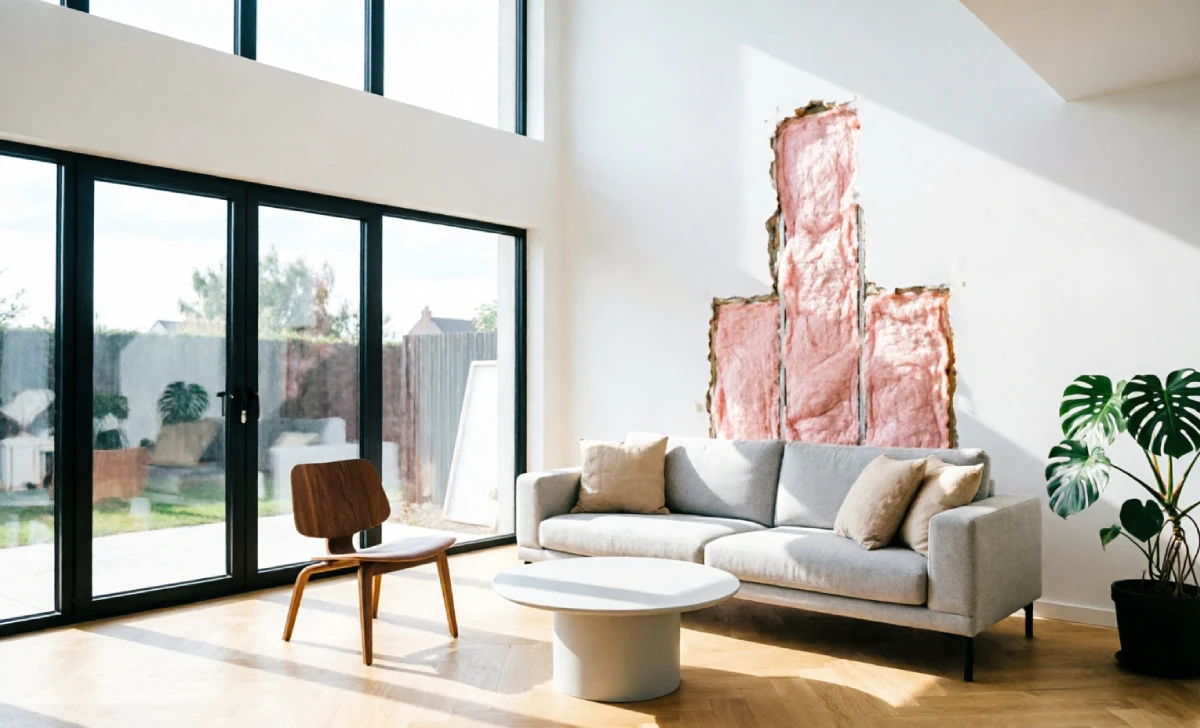
You have probably had that moment—standing near a drafty window, watching your heating bill climb higher than last year. More homeowners are connecting the dots between their discomfort, their bills, and energy-efficient home improvements. In the next few minutes, you will understand exactly why these upgrades are everywhere, which ones matter most, and how to take a first step today.
What Exactly Are Energy-Efficient Home Improvements?
Energy-efficient home improvements are any changes that reduce the energy your home needs to heat, cool, or power itself. The goal is not sacrifice—it is getting the same warmth, cool air, and bright rooms while using less electricity or gas to produce them.
Think of your home as a system. Insulation slows heat from escaping in winter. Double-pane windows create a buffer between your living room and the weather outside. Even swapping old bulbs for LEDs counts, because they use a fraction of the energy and last for years.
Why Are Energy-Efficient Home Improvements Suddenly So Popular?
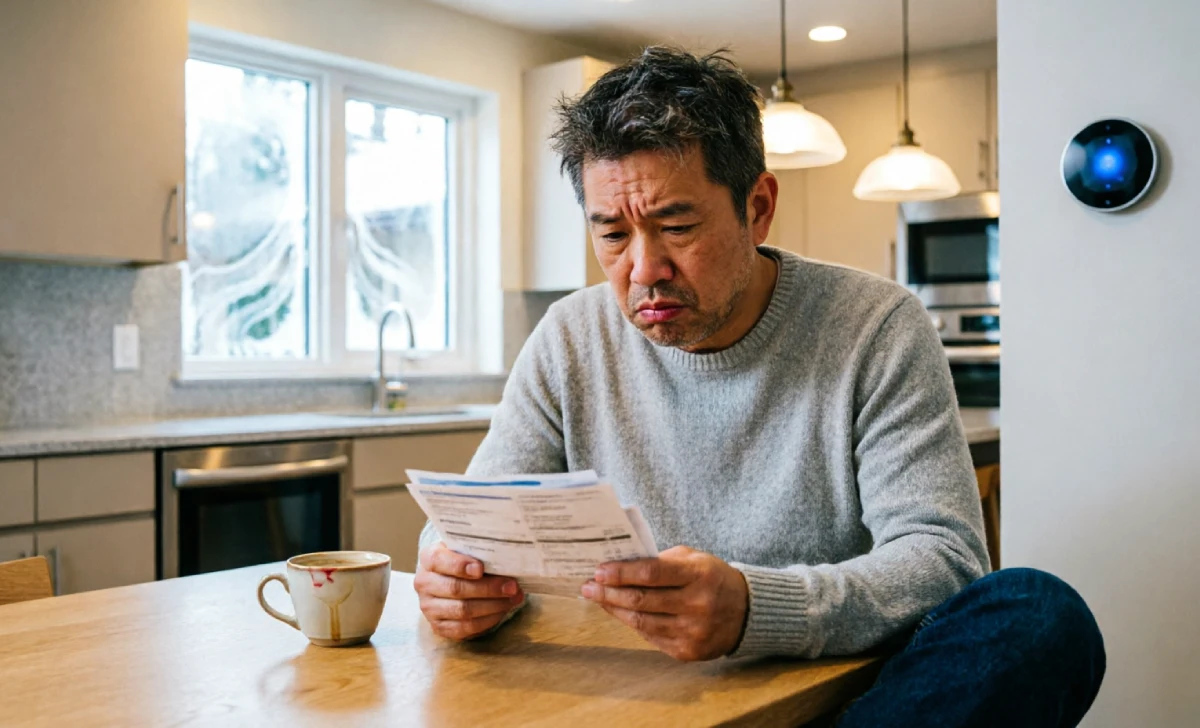
Several forces have collided to push these upgrades from a niche interest into mainstream awareness. Once you see them clearly, the trend makes complete sense.
Energy prices have climbed sharply, and the volatility makes budgeting feel unpredictable. When your utility bill arrives higher than expected month after month, you naturally start asking what you can do about it. That question leads straight to the upgrades that stop waste before it starts.
Climate awareness has shifted from abstract concern to something personal. Cutting waste at home feels like a concrete action you can actually take. Technology has met this moment well—smart thermostats, affordable LED bulbs, and heat pumps that work in freezing temperatures are now available at your local hardware store.
Government programs have opened the door even wider. Federal tax credits now cover a significant portion of upgrades like solar panels and heat pump installations, making the decision much easier for budget-conscious homeowners.
How Much Money Can You Actually Save with These Upgrades?
Healthy skepticism about savings claims is reasonable. The honest answer is that results vary, but the effects are real and often larger than people expect.
The U.S. Department of Energy estimates households can reduce energy bills by five to thirty percent through straightforward upgrades. Sealing air leaks alone can save ten percent or more, and much of that work costs very little. Attic insulation pays for itself faster than almost any other home investment.
Larger upgrades like heat pumps carry higher upfront costs, but their long-term performance changes the math on homeownership. Even replacing your five most-used bulbs with LEDs trims enough from your annual expenses to notice—and that project costs less than a dinner out.
The Four Drivers Behind the Popularity Surge
The surge in interest traces back to four clear forces. Rising energy costs sit at the top—when electricity and gas trend upward, your budget feels it immediately. You have more control over how much of that expensive energy your home retains than you might realize.
Climate concern works alongside financial pressure rather than competing with it. Residential energy use accounts for a significant share of total emissions, and reducing waste at home is one of the few actions that also puts money back in your pocket.
The wider availability of sustainable home design thinking and affordable technology has changed what is possible. Smart thermostats now sell for under a hundred dollars. Heat pumps work efficiently even in cold northern winters—something that was not true a generation ago.
Government and utility support provides the final push. Federal tax credits, state rebates, and utility incentive programs reduce the effective cost of upgrades significantly, turning consideration into action for many homeowners.
What Are the Most Cost-Effective Energy-Efficient Home Improvements to Start With?
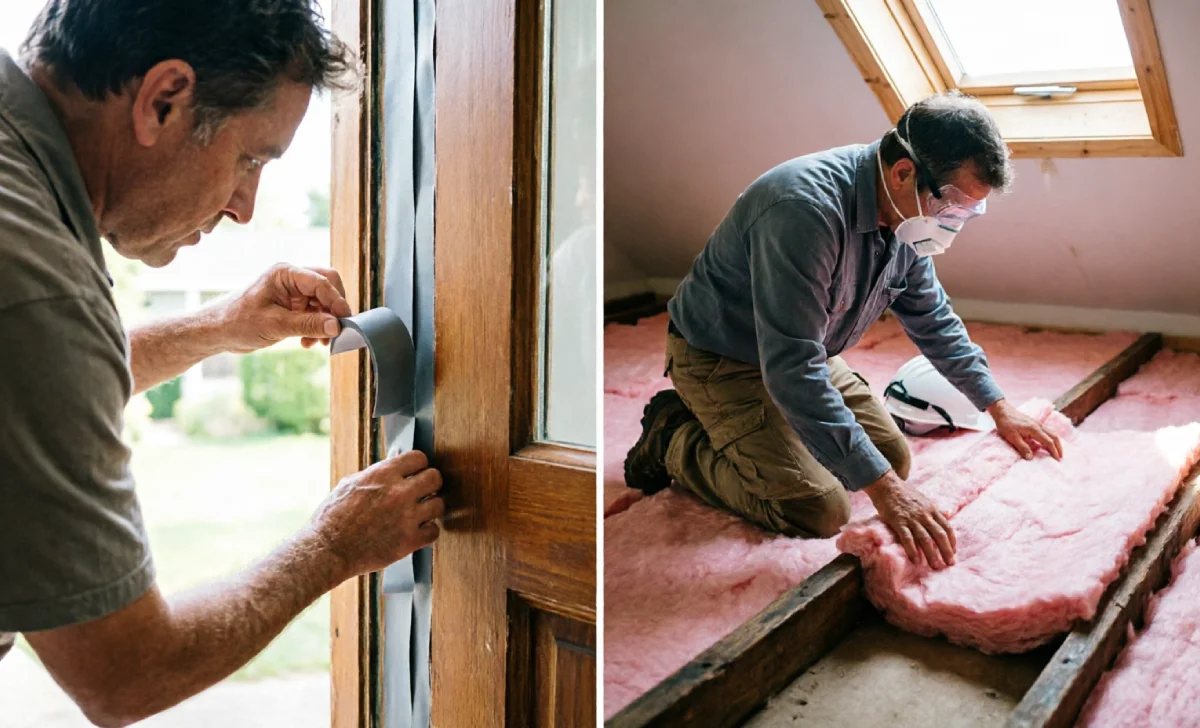
The most cost-effective improvements are often the least glamorous, and they almost always start with the invisible parts of your home. Air sealing is the quiet champion. Gaps around windows, doors, and attic hatches let conditioned air escape constantly. Weatherstripping and caulk cost very little and require only a free afternoon.
Attic insulation is the next logical step. Heat rises, so an under-insulated attic acts like an open valve at the top of your house. Many utility companies offer rebates that cover part of the expense, making it even more accessible.
Once your home is tighter, smaller swaps compound the savings. LED bulbs use seventy-five percent less energy than old incandescent bulbs. Smart power strips cut phantom power draw from electronics that sip electricity even when switched off. None of these require expertise or major commitment.
Do Energy-Efficient Home Improvements Really Increase Home Value?
Real estate studies show that homes with energy-efficient upgrades tend to sell faster and at a premium. Appraisers are beginning to factor energy performance into valuations more formally as buyer demand grows.
Upgrades like insulation, double-pane windows, and a modern heat pump make your home feel higher quality. Rooms stay comfortable, drafts disappear, and buyers notice—even if they cannot always say exactly why. For a broader look at what buyers respond to, home resale value upgrades offer useful context worth exploring before you prioritize projects.
Are There Tax Credits or Rebates for Energy-Efficient Home Improvements?
You might be missing opportunities to save thousands of dollars on upgrades you thought were out of reach. At the federal level, recent legislation expanded tax credits significantly. You can receive credits covering up to thirty percent of qualifying upgrades like heat pumps, solar panels, and certain insulation projects. These are credits, not deductions—they reduce your tax bill dollar for dollar.
Utility companies add another layer of incentives that many people overlook. Your local provider might offer rebates for a smart thermostat, insulation, or an efficient appliance. Checking their website takes five minutes and can reveal programs that make a previously daunting project feel entirely within reach.
Simple Weekend Upgrades You Can Start Right Now
Real progress is available this weekend without special skills or major spending. Start with your light bulbs—replace the five fixtures you use most with LED equivalents. The project takes ten minutes, costs under twenty-five dollars, and the savings begin the same day.
Next, address the drafts you can feel. Pick up weatherstripping and a tube of caulk from any hardware store. Seal gaps around exterior doors and windows that stay closed for the season. Under-door draft stoppers block airflow that sneaks under exterior doors—these fixes feel almost too simple, but air leakage is one of the biggest sources of energy loss in a typical home.
Can an Older Home Become Truly Energy Efficient?
Many owners of older homes believe their houses are too drafty and too old to fix efficiently. That belief stops people from even trying, and it is far more discouraging than it is accurate.
Air sealing is particularly effective in older houses because decades of settling create more gaps than in newer construction. Insulation can be added to attics and basements without disturbing the character of living spaces. Storm windows add an air gap that improves thermal performance while leaving original windows intact—you can have both efficiency and character.
What Are the Hidden Benefits Beyond Saving Money?
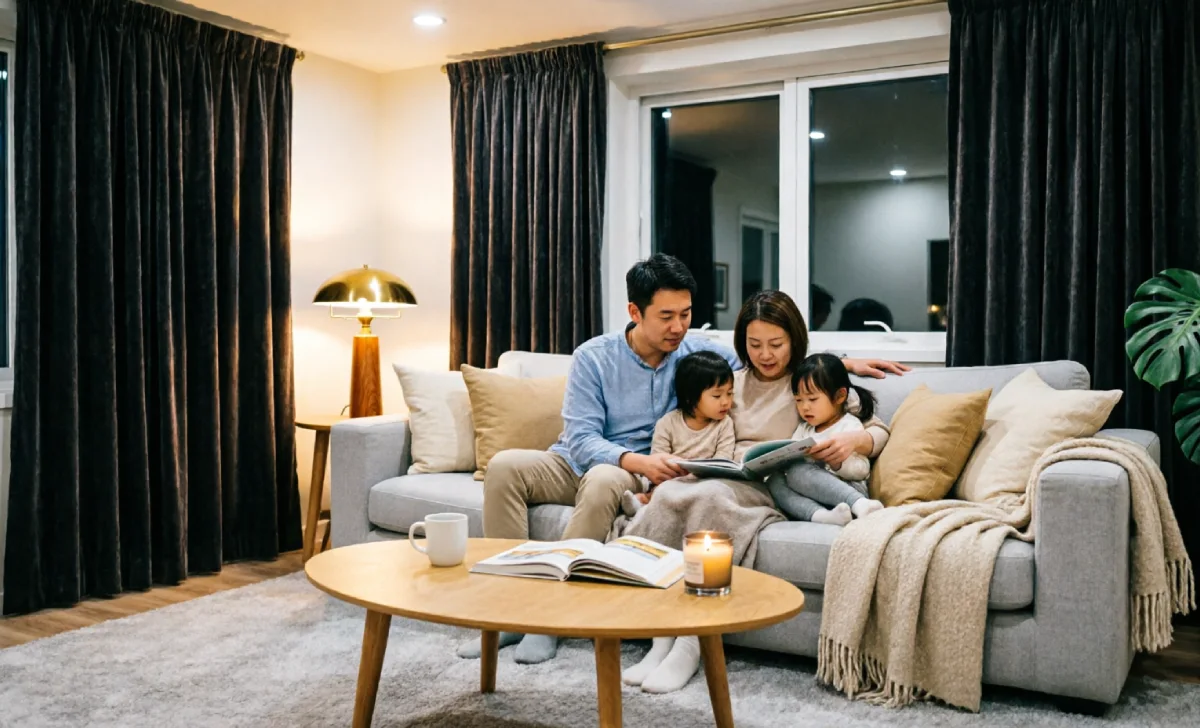
Talking about efficiency purely in dollar terms misses some of the most meaningful reasons people stay committed to their upgraded homes. Comfort is the benefit people mention first—rooms stay at a consistent temperature, drafts disappear, and your heating system does not cycle on every few minutes.
Indoor air quality improves as a side effect of proper sealing. When you control where air enters and exits, you reduce the infiltration of dust and pollen. Noise reduction also surprises many people—double-pane windows and dense insulation block sound as effectively as they block heat. These daily quality-of-life gains, combined with utility savings, make the case much broader than any simple financial calculation. They also connect naturally to making your home more comfortable in ways that go beyond a single upgrade.
Where Should You Go From Here?
Check your local utility company’s website for audit offerings or rebate programs. This takes five minutes and costs nothing, and it surfaces opportunities you might otherwise never learn about.
Energy-efficient home improvements are not about perfection or large sums of money. They are about gradually making your home work better for you, keeping more of what you earn, and feeling genuinely comfortable every day. You already know more than most people do—now you get to act on it.
FAQs
What is the difference between energy efficiency and energy conservation?
Energy efficiency means using less energy to do the same task—an LED bulb producing the same brightness while drawing far less power. Energy conservation means reducing use altogether, like turning off lights when leaving a room. Both matter, but efficiency lets you maintain comfort while cutting waste.
How long does it typically take for an upgrade to pay for itself?
Air sealing and LED lighting often pay for themselves within a year or less. Larger investments like heat pumps or solar panels may take several years, but they continue delivering savings well beyond that point while also improving comfort and home value.
Do I need a professional for an energy audit, or can I do it myself?
A basic DIY walkthrough checking for drafts and inspecting insulation provides useful direction. A professional audit uses blower doors and infrared cameras for a far more precise picture. Many utility companies offer discounted professional audits, making them a low-cost and worthwhile starting point.
Are there any downsides to making my home too airtight?
Homes need some ventilation for healthy indoor air quality. Modern efficiency upgrades address this through controlled mechanical ventilation rather than random air leaks. A well-designed approach tightens the building envelope while ensuring fresh air enters in a managed, healthy way.