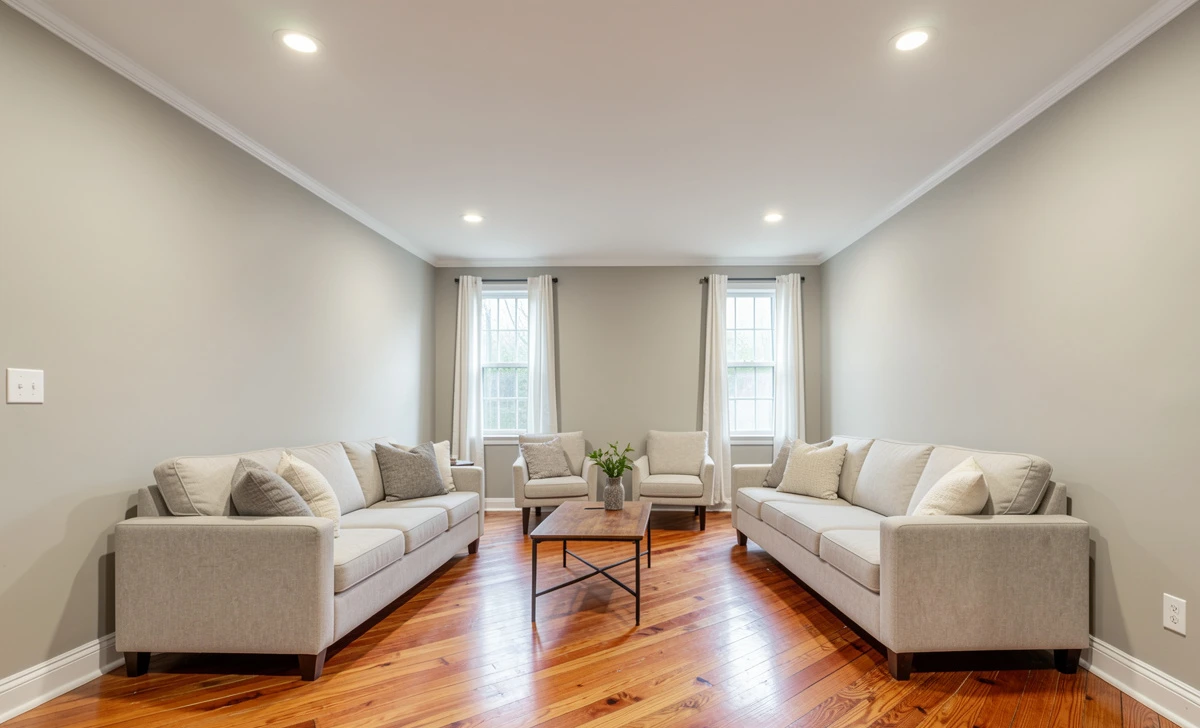
You’re about to list your home, and the fear hits: what if you spend money on updates buyers don’t care about? Strategic interior design home resale value decisions — not expensive gut renovations — are what move buyers from “maybe” to “offer.” This guide gives you a data-backed plan, so you spend where it counts.
Why Does Interior Design Strategy Matter So Much for Your Final Sale Price?
Buyers form an opinion about your home within seconds of walking through the door. That first impression is shaped almost entirely by what they see and feel — not the inspection report or the square footage. You are selling the feeling of a life that’s easy to step into.
Buyer psychology drives offers more than most sellers realize. When someone walks into a space that feels bright and cared for, they begin mentally moving in — and that shift turns a showing into an offer.
The appraisal side matters just as much. Appraisers use a standardized condition rating scale, and your interior design choices directly influence where your home lands on it. According to the National Association of Realtors, staged homes sell faster and for more money — and it all starts with these interior decisions.
Which Rooms Should You Focus On for the Biggest Return on Your Investment?
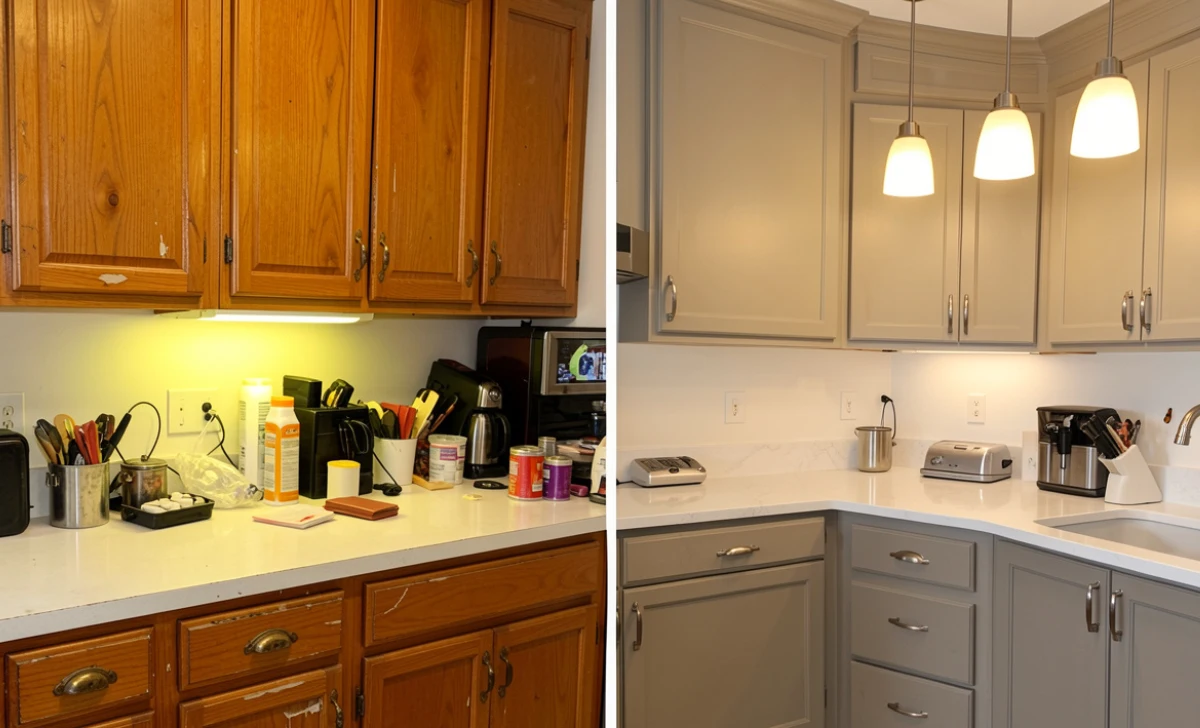
Not every room carries the same weight with buyers, and spreading your budget evenly is one of the most common pre-sale mistakes. Spend your first dollar where buyers look first.
The kitchen is where the buying decision often lives. Fresh cabinet paint, updated hardware, and clear countertops can change the entire perceived age of the space. A kitchen that already looks done removes the mental cost deduction from a buyer’s offer.
Your primary bathroom comes next. Replacing a dated vanity light, re-grouting tile, and swapping out an old mirror are low-cost updates that shift how the room reads entirely. Guest rooms and basements are lower priority — focus on what buyers walk into first.
What Specific Paint Colors Have Been Proven to Attract Higher Offers?
“Use neutral colors” is advice you’ve probably heard, but it’s too vague to act on. A widely referenced Zillow analysis found that specific color families correlated with measurably higher sale prices. The difference between the right neutral and the wrong one can be thousands of dollars.
Bathrooms painted in a soft, cool blue sold for roughly 1.6 percent more than expected. On a four-hundred-thousand-dollar home, that’s over six thousand dollars. Blue reads as clean, calm, and water-adjacent — exactly what you want a buyer to feel in a bathroom.
For living spaces and kitchens, greige — a warm blend of gray and beige — consistently outperforms both stark white and bold accent walls. Shades like Accessible Beige from Sherwin-Williams or Pale Oak from Benjamin Moore work well here. You want walls to recede so buyers can project their own style without mentally budgeting for a repaint.
Flooring Upgrades That Pay You Back and the Ones That Just Cost You
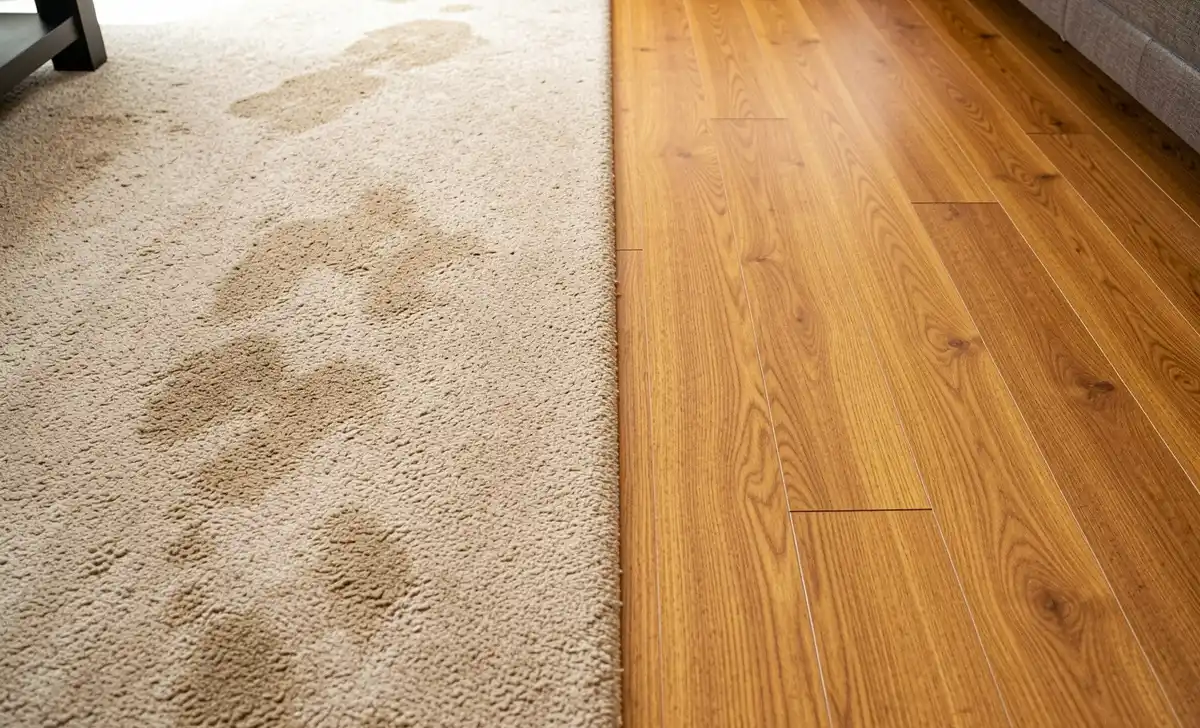
Flooring registers instantly. Worn or stained flooring plants a doubt that follows buyers through the entire showing, while good flooring signals a well-maintained home.
If you have hardwood hiding under old carpet, refinishing it is one of the highest-return jobs you can do before listing. It makes every room look larger and cleaner, which is a consistent advantage during showings and in listing photos. Buyers pay a premium for floors that already feel done.
Luxury vinyl plank is the smart choice where hardwood isn’t practical. Wall-to-wall carpet in main living areas is where you need to be careful — most buyers see it as a project they’ll rip out, and they deduct that imaginary cost from their offer.
Lighting: The Low-Cost Upgrade That Transforms Perceived Value
Dated lighting makes a freshly painted room feel stuck in the past. Lighting is also one of the least expensive categories to update, with a return that far outpaces the cost.
Layered lighting separates a polished home from an amateur one. Recessed LED lights provide clean base illumination, while a pendant over a kitchen island or a floor lamp in a corner creates warmth and depth. Strategic lamp placement alone changes how a room photographs and feels in person.
Swapping out old fixtures for updated brushed nickel or matte black finishes takes an afternoon and costs very little per room. Adding dimmer switches in bedrooms and living areas gives buyers a sense of control and quiet luxury that shows up in their offer.
What Does It Really Mean to Depersonalize and Declutter for a Successful Sale?
Depersonalizing isn’t about erasing your story. It’s about making room for the buyer’s story to begin.
When a home is full of another family’s photos and collections, buyers stay at arm’s length. Removing personal items lets the architecture come forward — the ceiling height, the natural light, the layout — which is what buyers are actually paying for.
Decluttering works alongside this by making every room feel larger and more functional. Clear countertops, half-full closets, and shelves with breathing room signal abundant storage. Buyers consistently rank storage as a top priority, and a home that looks spacious answers that need before they have to ask.
Are Smart Home Features and Modern Fixtures Worth the Investment Right Now?
The key is to invest in upgrades that feel like infrastructure, not gadgets. A smart thermostat consistently adds perceived value — it signals efficiency and careful ownership for under two hundred dollars installed. USB outlets in the kitchen and primary bedroom are another low-cost touch that registers as genuinely useful.
For fixtures, choose timeless finishes over trend-driven ones. Matte black and brushed nickel feel current without feeling risky. Avoid proprietary whole-home automation systems — most buyers view these as a complication, and they rarely translate into a higher appraised value.
The Design Choices That Could Accidentally Lower Your Home’s Value Before You List
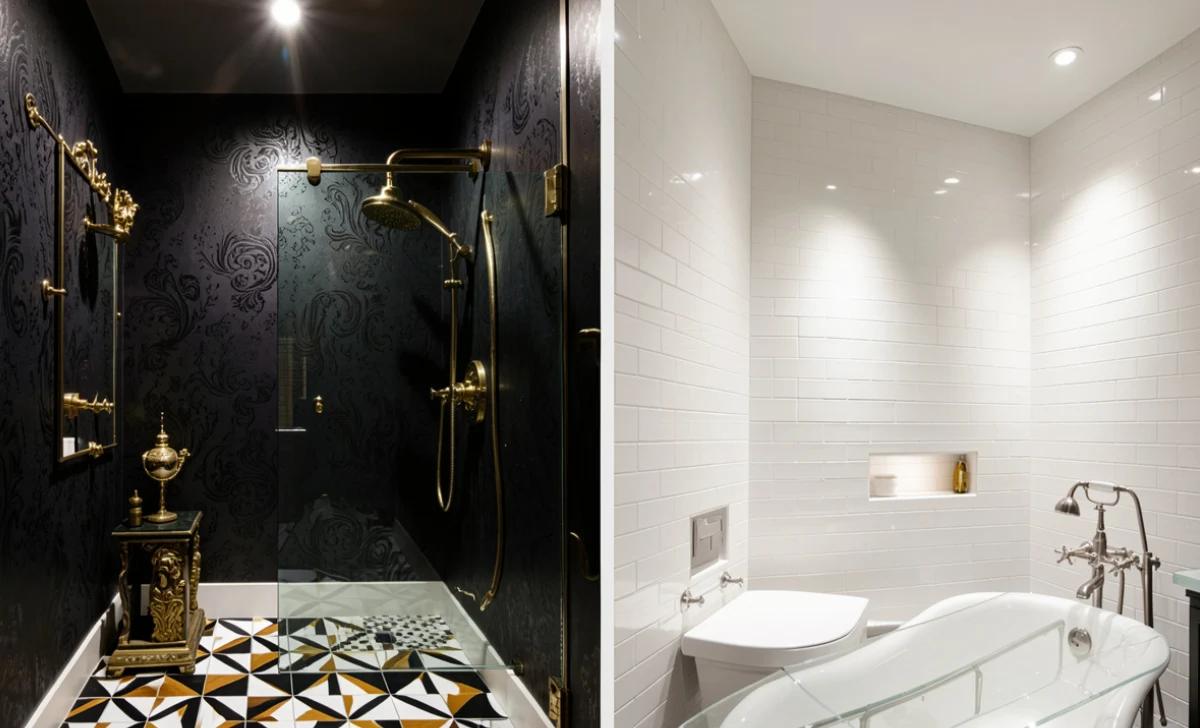
Well-intentioned updates can work against you when preparing to sell. Removing the only bathtub to install a walk-in shower feels like an upgrade, but it shrinks your buyer pool immediately. Families with young children need at least one tub, and will remove your home from consideration once they notice it’s gone.
Converting a garage into a living space without permits creates a different problem. Appraisers cannot include unpermitted square footage in their valuation, and some lenders will flag the property entirely. Bold permanent choices like intricate mosaic tile or heavy patterned wallpaper carry similar risk. Smart design choices before listing mean thinking like a buyer at every decision point, not like someone who plans to stay.
FAQs
How much value does a fresh coat of paint add to a home before selling?
A fresh coat in the right neutral shade can return over one hundred percent of its cost at resale. It makes your home feel move-in ready, which encourages buyers to offer closer to the asking price.
Should I stage an empty home or leave it vacant to maximize resale value?
Staged homes sell faster and for more money. Empty rooms feel smaller with no reference for scale, and buyers struggle to picture how furniture would fit. Staging solves both.
Do luxury vinyl plank floors really increase home resale value compared to carpet?
Yes. Luxury vinyl plank is viewed favorably by buyers who want durable, waterproof flooring. It consistently outperforms carpet in buyer preference, particularly in kitchens and high-traffic areas.
What is the single most common interior design mistake that turns buyers away?
Keeping the home too personalized. Cluttered surfaces and family photos prevent buyers from mentally moving in, which directly affects the offers you receive.
Conclusion
You now have a research-backed plan that puts buyer psychology and appraisal logic on your side. Focus on the kitchen and primary bathroom first, choose paint colors with data behind them, and invest in flooring and lighting that signal move-in ready. Remove anything that makes the space feel claimed, and list with the confidence to hold firm on the price it deserves.