
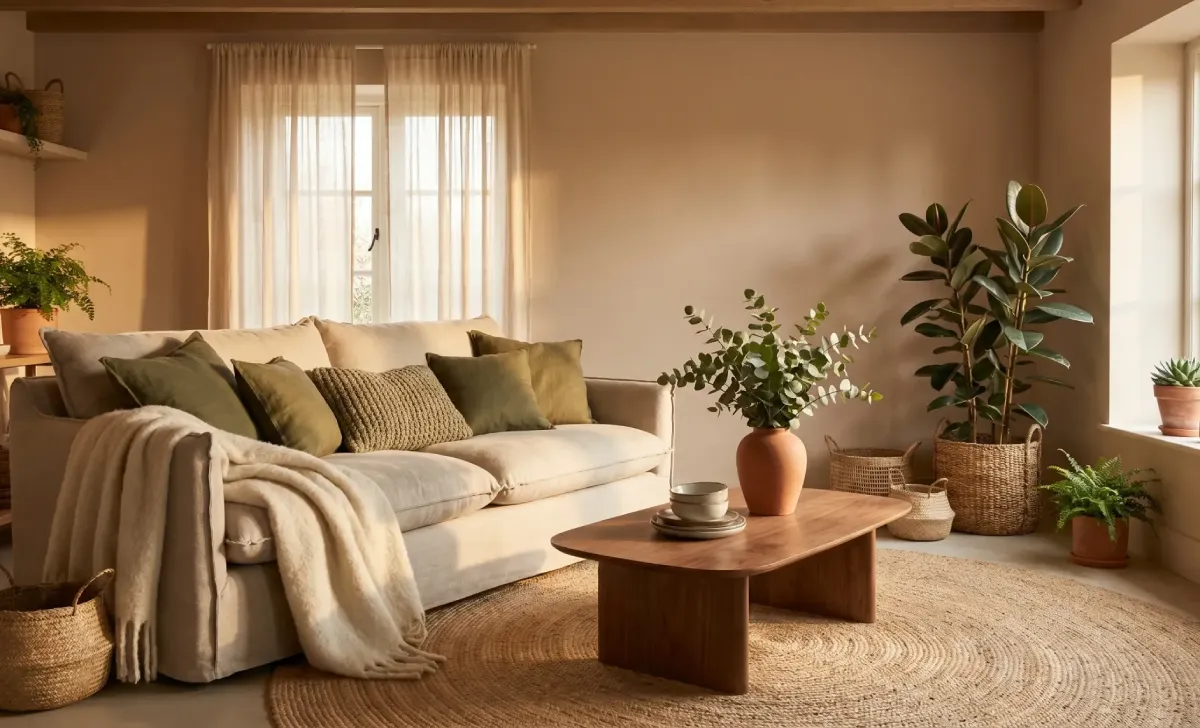
You might walk into a freshly painted room and still feel like something is missing. The furniture looks fine, the colors work, but the space still feels cold and flat. That frustrating feeling has a simple fix.
The missing ingredient is almost always texture in interior design. It is the tool professional designers use to add warmth, depth, and personality to a space. Before you choose your next paint finish for rooms, understanding texture will make every decorating decision easier and smarter.
In this guide, you will learn the difference between tactile and visual texture, how to mix them safely, and which common mistakes to avoid. Let us turn your flat room into something that truly feels like home.
What Is Texture in Interior Design and Why Does It Matter
If you have ever walked into a room that instantly felt cozy and inviting, texture is the reason why. That welcoming quality is rarely an accident, and it is something you can recreate yourself.
Texture refers to the surface quality of objects and how those surfaces interact with light. It is the secret weapon that stops your decor from looking like a cold, sterile showroom. Think of it as the seasoning that makes a room feel complete.
When you layer different materials together, you create visual interest and spatial depth. This simple shift transforms a basic room into a curated space that feels personal and alive.
Texture also engages more than just your eyes. A room should not only look good, it should also feel good to be in.
Understanding the Difference Between Tactile and Visual Texture
Most people do not realize that texture comes in two very different forms. Once you understand this distinction, your entire approach to decorating will change.
Tactile texture is the actual physical feel of a surface. Think of a chunky knit throw blanket draped over a sofa, or the rough grain of a reclaimed wood table. You can reach out and feel these surfaces directly.
Visual texture, on the other hand, is an illusion. A glossy paint finish or a wallpaper printed with a faux stone pattern adds perceived depth and complexity. It tricks the eye into seeing a dimension where the surface is actually flat.
You can use visual texture brilliantly in small spaces. It adds character and richness without taking up any physical room at all.
How Do You Add Texture to a Room Without Creating Clutter
Many homeowners worry that adding more elements will make a room feel chaotic and messy. This is one of the most common fears, and it is completely understandable.
The key is intentional contrast, not random addition. You want to balance heavy, rough materials with lighter, smoother ones to maintain visual harmony. This thoughtful pairing keeps a space feeling curated rather than cluttered.
Start small by introducing just one or two new pieces at a time. A woven jute basket placed beside a sleek leather armchair creates instant design harmony without overwhelming the eye.
Also, pay close attention to scale. Large, bold textures work best as focal points, while smaller, subtle textures are perfect as supporting details that quietly enrich the room.
Top Natural and Manufactured Textures to Transform Your Space
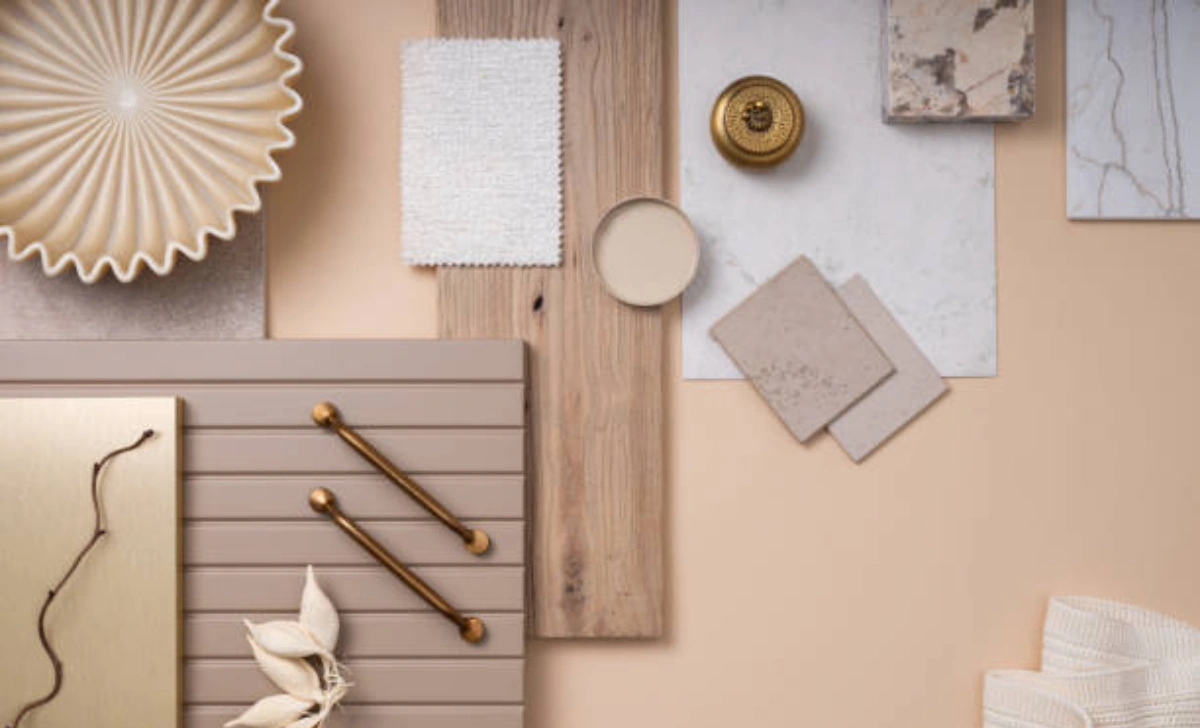
Knowing which material categories work well together makes the process far less intimidating. Here are the most effective types of texture to bring into your home.
Soft fabrics like velvet and linen bring immediate warmth and comfort to any seating area. They invite you to sit down, relax, and stay a while. These plush textiles are essential for creating a livable, cozy atmosphere.
Rough elements such as reclaimed wood, exposed brick, or raw stone add a grounding, organic feel. They bring character and a sense of history into even the most modern space.
Smooth and reflective surfaces like brass fixtures or polished glass catch and bounce light beautifully. They break up the visual heaviness of softer materials and keep a room feeling open and bright.
Natural fibers are another fantastic category worth exploring. Materials like jute, rattan, and seagrass introduce an earthy, relaxed quality that works across almost every decorating style.
When you measure a room for flooring, keep your planned texture layers in mind. Rugs, in particular, are one of the most powerful and budget-friendly tools for adding tactile depth to any floor surface.
What Are the Best Rules for Mixing Textures Safely
Blending different materials can feel overwhelming at first, but a few simple guidelines will keep you on track every time. You will be surprised how quickly it becomes second nature.
Always pair opposites to create a dynamic yet balanced look. Place a soft, plush area rug beneath a hard metal coffee table. Drape a smooth linen cushion against a rough, woven sofa throw.
The classic 60-30-10 rule is also a reliable guide for material selection. Use one dominant texture across sixty percent of the room, such as a smooth painted wall or a natural wood floor. Apply a secondary texture to thirty percent of the space, like an upholstered sofa or a large area rug. Reserve the remaining ten percent for accent textures, such as brass vases or a woven wall hanging, to tie the whole room together beautifully.
Finally, trust your instincts. If a pairing feels too busy when you step back and look, it probably is. Editing down is just as important as adding in.
How to Apply Texture in Key Rooms Like the Living Room and Bedroom
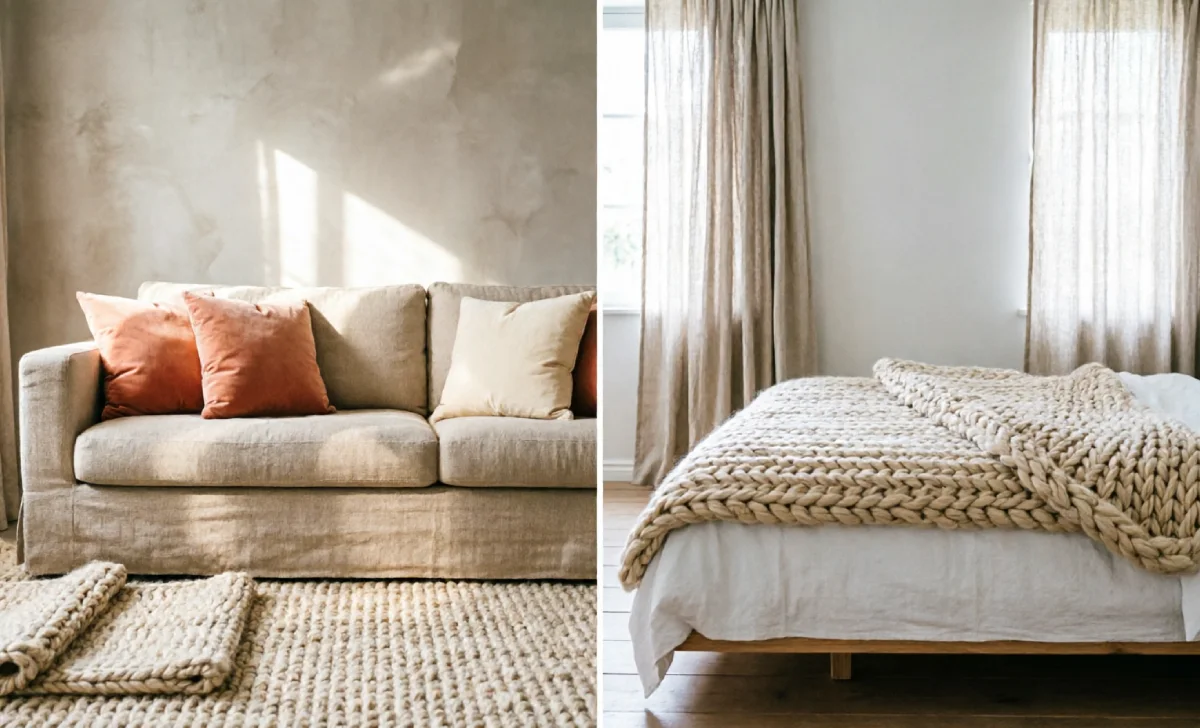
Every room in your home has its own unique needs when it comes to layering surfaces. Tailoring your approach to each space ensures it both looks great and functions well.
In the living room, balance durability with comfort. A sturdy canvas or linen sofa layered with soft velvet throw pillows hits that balance perfectly. Adding a thick wool or jute rug beneath the coffee table anchors the whole seating area and creates a warm, defined zone.
In the bedroom, the priority shifts entirely to tactile comfort and relaxation. Layering crisp cotton sheets with a heavy knit duvet or a waffle-weave blanket creates a peaceful, hotel-style retreat you will love coming home to.
Do not forget the windows in either room. Hanging linen or cotton curtains adds visual softness and frames the space in a way that feels both intentional and effortless.
What Common Texture Mistakes Should You Avoid in Your Home
Even well-intentioned decorating decisions can go wrong. Knowing these common pitfalls ahead of time will save you both money and frustration.
Matching every single surface too perfectly is a mistake that leads to a flat, manufactured look. You actually need some friction and contrast to keep the eye moving naturally around the room. Perfect uniformity reads as boring, not polished.
Over-texturing a small space is another trap to avoid carefully. Piling too many heavy, dark, or bulky materials into a compact room will make it feel cramped and stifling rather than cozy.
In smaller rooms, opt for lighter, airier textures that add visual interest without closing in the walls. Subtle patterns and fine-grain materials are your best allies in tight spaces.
If you are starting fresh with your walls, knowing how to remove old paint from walls properly gives you a clean, smooth foundation that makes every texture layer above it look sharper and more intentional.
FAQs
Can you mix wood and metal textures in the same room?
Absolutely. Wood and metal are one of the most classic and reliable pairings in modern design. The natural warmth of wood perfectly offsets the cool, sleek finish of metal accents. Together, they create a balanced contrast that feels both grounded and sophisticated.
How do you add texture to a room on a budget?
You do not need to renovate to make a meaningful impact. Swap out plain pillow covers for woven or knitted ones, or add an inexpensive jute rug to a bare floor. These small, affordable swaps add surprising visual depth and warmth instantly.
Does adding texture make a small room look smaller?
Not if you choose your materials wisely. Light fabrics, subtle visual patterns, and reflective surfaces can actually make a compact space feel larger and more open. The key is avoiding heavy, dark, or oversized textured pieces that dominate the room.
What is the easiest way to add texture to a rental apartment?
Focus entirely on movable, non-permanent items. Layered throw blankets, plush floor cushions, woven baskets, and textured rugs are all renter-friendly solutions that require zero commitment. When it comes to flooring choices, reviewing waterproof vs water-resistant flooring can help renters make smarter, longer-lasting texture decisions for their space.
Conclusion
Mastering texture in interior design is ultimately about creating a space that feels as good as it looks. You now have a clear, practical framework for layering materials, pairing opposites, and avoiding the most common mistakes.
You do not need to overhaul your entire home to see a real difference. Start small by placing one woven basket or a single soft throw in your favorite room today.
Notice how quickly the mood of that space shifts. With just a few thoughtful choices, you have everything you need to turn any room into a warm, welcoming sanctuary that truly feels like yours.