
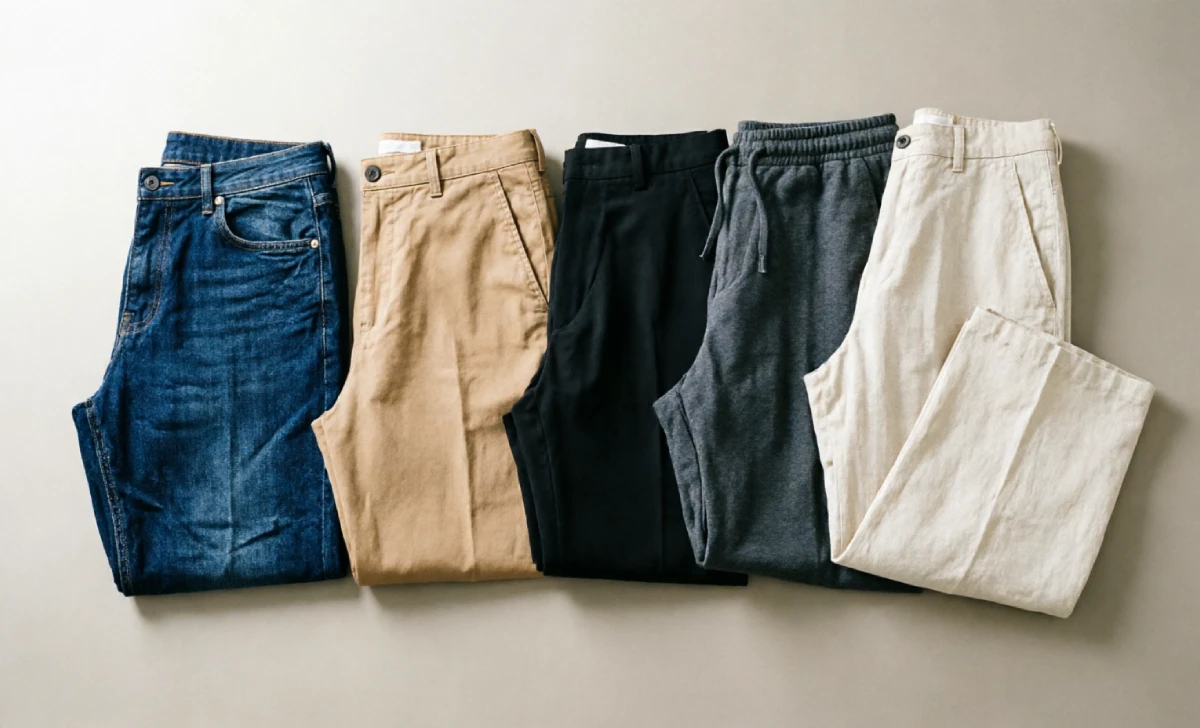
Staring at a wall of pants where every label sounds like a foreign language? You’re not alone. Learning a few types of pants basics turns that overwhelm into confidence fast.
Pants break down into three simple factors: fit, length, and occasion. This guide maps all three in plain language, no jargon required.
By the end, you’ll name every major style and know which brown pants or classic neutral suits your next event.
What Are the Main Categories of Pants You Should Know?
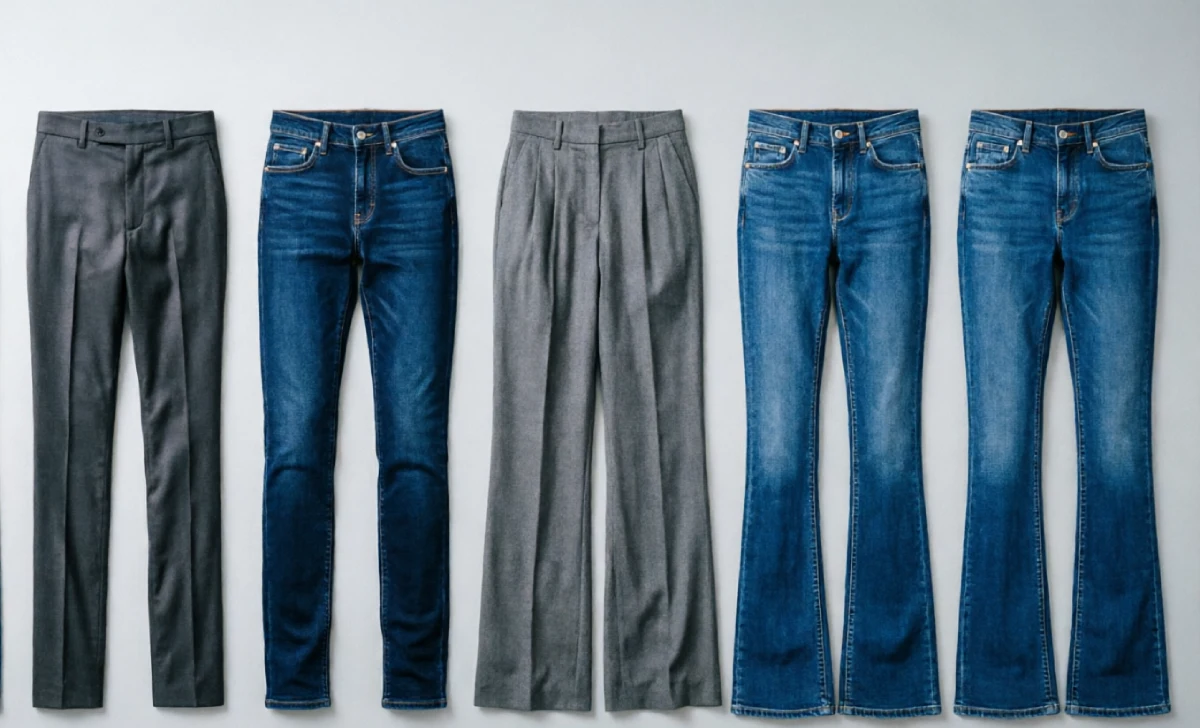
Most pants fall into a handful of groups based on fit, rise, and hem length. Spot these patterns once, and you’ll recognize any style at a glance.
Fit is the biggest divider. Straight-leg pants stay the same width from thigh to ankle for a clean, timeless line. Slim-fit pants taper gently, while skinny pants hug the leg from top to bottom. Relaxed and wide-leg cuts pull away from the body for an airy, comfortable feel.
Bootcut pants flare slightly below the knee, just enough to clear a boot. Flare pants take it further, opening dramatically for a bold, retro shape.
Rise changes the whole silhouette too. Low-rise sits below your natural waistline, mid-rise lands near the belly button, and high-rise sits above it, often lengthening your legs visually. Length adds the finishing touch, ranging from full-length to ankle, cropped, and capri cuts.
Which Pants Styles Are Best for Casual Wear?
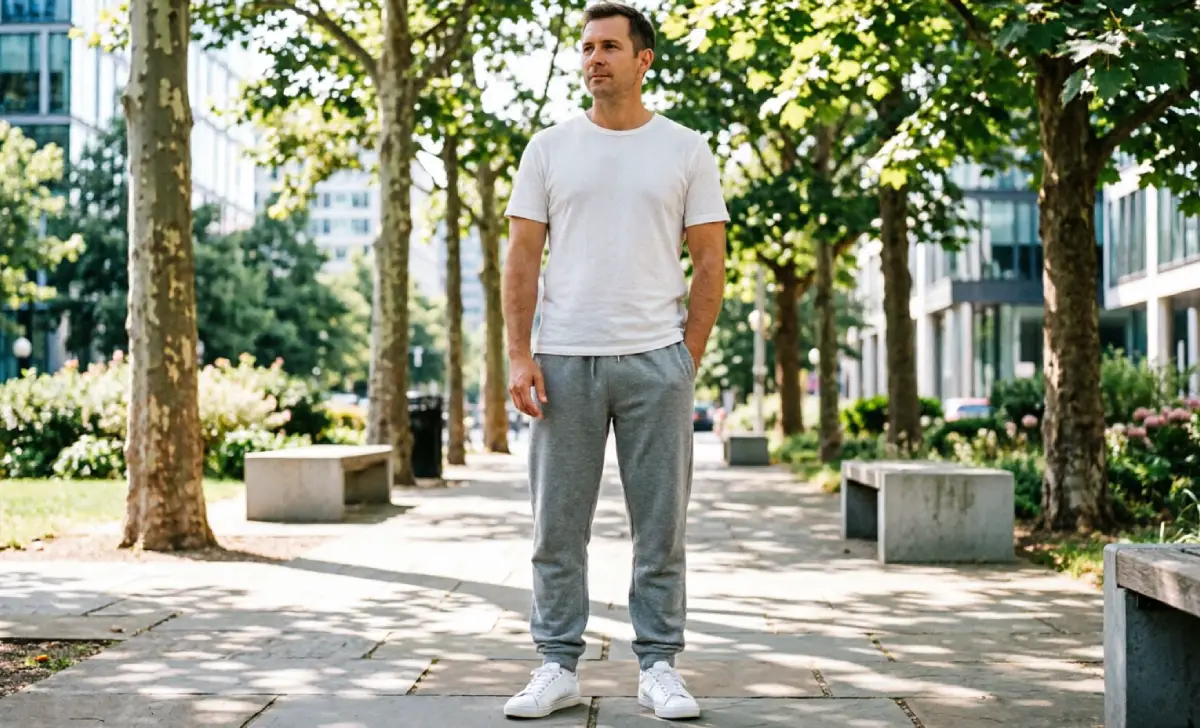
Comfort doesn’t mean sacrificing style. Casual pants now balance soft fabrics with a put-together look that works well beyond the couch.
Joggers lead this category with soft knit fabric, an elastic waist, and cuffed ankles. Throw on a tee and sneakers for downtime, or add a structured jacket to dress the same pair up.
Cargo pants offer a utility edge through their signature pockets. Slimmer modern cuts avoid the bulk of older versions, so pair them with a fitted top and skip the extra bag entirely.
Sweatpants have earned real style credibility. Heavyweight cotton fleece holds its shape well, making errands and travel days feel effortless rather than sloppy.
Chinos bridge casual and smart territory nicely. A broken-in pair in olive or stone looks intentional without trying too hard.
What Types of Pants Work for Office and Formal Settings?
Professional dressing gets simpler once you know which styles fit the dress code. Look for pieces that stay polished through a full workday.
Dress pants anchor any formal wardrobe. Smooth fabrics like wool or crepe, paired with a straight or tapered leg, keep them versatile in black, charcoal, and navy.
Slacks share that DNA but feel softer and more relaxed. They suit business casual offices, move easily, and rarely wrinkle in a quality blend.
Tailored trousers sit between classic and modern, cut precisely to follow your body’s lines. A front crease or cropped hem adds a sharp, current touch.
Chinos also work in business casual settings, especially in navy or deep olive. Their smooth cotton twill pairs cleanly with a tucked-in shirt and loafers.
Essential Pants Every Wardrobe Should Include
A capsule approach solves closet overwhelm fast. A few key styles cover nearly every occasion you’ll face.
Dark-wash jeans form the foundation. Fit through the hip and thigh matters most; minimal fading lets them shift from smart casual with a blazer to weekend mode with a sweater.
Neutral chinos in beige, stone, or olive pair with almost any color you own. A mid-rise straight or slim-straight cut gives your legs room without bulk.
Black trousers anchor the formal end of your closet. Added stretch and a tapered leg make interviews and dinners feel effortless instead of stiff.
An elevated jogger rounds out the list for travel and creative workplaces. Clean design, free of loud logos, keeps it intentional rather than lazy.
How Do You Choose Pants for Your Body Shape?
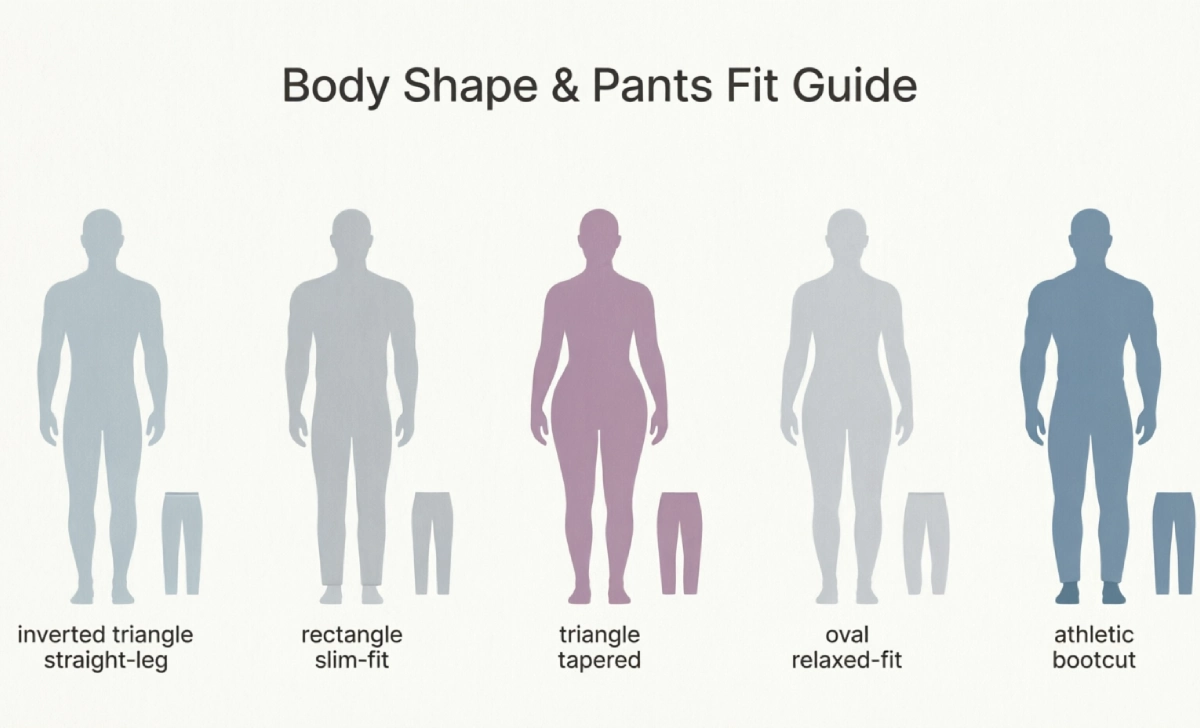
Clothes should work for your body, not against it. A few proportion strategies make fitting rooms far less stressful.
Pear shapes, where hips and thighs are wider than the shoulders, benefit from straight-leg or wide-leg cuts that create an even line. A high-rise waist defines your narrowest point.
Apple shapes do well with mid-rise pants that offer light stretch without digging in. A slim-straight or tapered leg draws the eye downward for a streamlined look.
Hourglass figures shine in high-waisted styles that hug the waist and flow over the hips. Skinny, slim-fit, and tailored trousers all highlight this shape naturally.
Rectangle shapes gain curves through pockets, pleats, or a slight flare. Wide-leg pants and cargos add movement, while cropped lengths break up the line at the ankle.
What Is the Difference Between Common Pants Styles That Look Similar?
A few near-identical styles trip up even careful shoppers. Small details decide fit and occasion.
Chinos use a lighter, smoother cotton twill built for a modern look. Khakis, originally military tan trousers, feel heavier and more casual today. Chinos are simply the dressier cousin.
Leggings rely on thick, stretchy knit fabric with no zipper or structured waistband, keeping them firmly in athleisure territory. Skinny pants use woven denim or cotton with some stretch but keep traditional details like a fly and pockets.
Bootcut widens just slightly below the knee, staying close to straight overall. Flare opens dramatically from the knee down for real drama. Pick bootcut for subtlety, flare for statement-making.
What Are the Best Pants Materials for Warm and Cold Weather?
Fabric choice decides your comfort long before the outfit does. Knowing what breathes and what insulates keeps you covered all year.
Linen excels in heat, wicking moisture and staying breathable through beach trips and sweaty commutes. Lightweight cotton chinos hold their shape better while still keeping things cool.
Merino wool trousers handle cold months well, staying breathable yet warm and resisting wrinkles. Corduroy traps heat through its ribbed texture; a wide-wale style in olive tones pairs beautifully with warm neutrals for winter.
Modern Pants Trends You’ll See Everywhere
Lasting trends succeed because they feel good, not just current. A few small updates refresh your wardrobe without an overhaul.
Wide-leg pants dominate right now, moving freely in both casual linen and structured office fabric. High-waisted versions define the waist while adding dramatic movement to your stride.
Cargo pants have returned in slimmer, streamlined cuts. A simple tank and minimal jewelry keep the utility pockets looking polished rather than bulky.
Your Most Common Pants Questions Answered
How many types of pants are there in total?
No official count exists, but styles number well over twenty once you factor in cuts, fabrics, and occasions. Ten to fifteen core types cover most everyday needs.
What type of pants make you look slimmer?
Dark solid colors, a mid-to-high rise, and a straight or tapered leg create a lengthening line. A flat front with minimal pocket detail keeps things clean.
What are the most comfortable pants for long travel days?
Stretch joggers, pull-on pants with an elastic waist, and breathable cotton chinos handle hours of sitting well. Skip stiff denim and tight waistbands entirely.
Can I wear cargo pants to the office?
A slim-cut cargo in a neutral shade works in business casual or creative offices. Pair it with a tucked-in blouse or tailored blazer, and check this types of pants for men guide for more ideas.
Conclusion
You now have a clear mental map of every major pants style, from weekend joggers to sharp trousers. Knowing the names and fits saves time and steers you toward pieces that actually earn their closet space. Next time you shop, trust what you’ve learned — you already know what works for you.