
You just left your lip blush appointment, caught a glimpse of your reflection, and your heart skipped a beat. Your lips are swollen, the color is alarmingly dark, and a thousand worried thoughts race through your mind. That exact moment of panic is why you need a clear, honest guide to the lip blush healing process that holds your hand through every single day ahead. This healing journey touches your emotions, your daily routines, and your confidence — it’s a short-term wellness journey in itself.
Lip blush is a semi-permanent cosmetic tattoo designed to give your lips a soft, natural tint. But before that gorgeous, subtle color settles in, your lips travel through a predictable healing journey that can look anything but pretty. Many artists explain this quickly, yet nothing prepares you for seeing it on your own face in real time. Understanding the biology behind each phase makes all the difference.
In this complete guide, you’ll walk through your lip blush healing process day by day. You’ll discover why your lips look so dark initially, when peeling begins, how to handle the strange “ghost phase,” and which aftercare habits protect your final result. No confusing jargon, no sugarcoating — just the real, reassuring roadmap you need right now.
What Happens Immediately After Your Lip Blush Appointment?
You might expect to walk out of the studio with perfectly tinted lips, but the reality in the first few hours is much more intense. Your lips will feel tender and appear swollen, and the color will seem shockingly bold. This is your body’s natural response to tiny needles depositing pigment into the lip skin.
During the procedure, your immune system sends lymphatic fluid to the area. That fluid mixes with the fresh pigment and begins to form a thin, wet layer. Your artist will likely have you gently blot it with a clean tissue for the first hour. Doing this prevents a thick crust from forming, which could pull out color later.
At this stage, the darkness comes from swelling and pigment oxidation. The pigment sits in the uppermost layers and reacts with air, looking much deeper than the final result. Don’t apply any product yet. Simply let your lips rest and trust that this dramatic look is temporary.
Why Does Lip Blush Look So Dark at First?
You might think the color is completely wrong — what should be a soft rose is now a bold brick or deep berry. That happens because the pigment is still in the outer skin, exposed to oxygen, triggering oxidation. Think of it like a foundation that hasn’t blended with your skin yet.
Your lips have thinner skin with no oil glands, so everything looks more vivid. As healing progresses and new cells grow over the pigment, that dark intensity will fade into your chosen shade. Most people see the true color only after three to four weeks.
This dark phase is actually a sign that the pigment was implanted well. If your lips looked perfect right away, the color would likely fade too fast. So when you see that bold tone, know that it’s doing exactly what it should.
What Does the Day-by-Day Lip Blush Healing Timeline Look Like?
Your healing follows a predictable pattern, though your pace may vary slightly based on age, skin type, and how closely you follow aftercare. Knowing what to expect each day turns anxiety into patience.
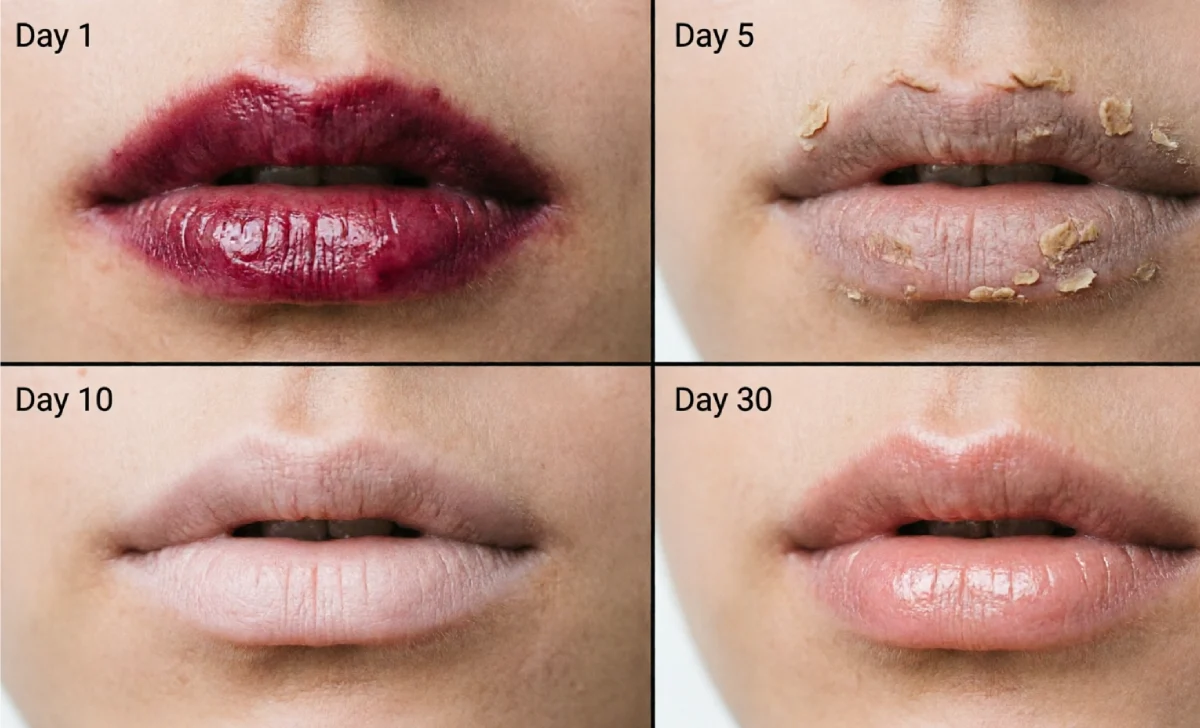
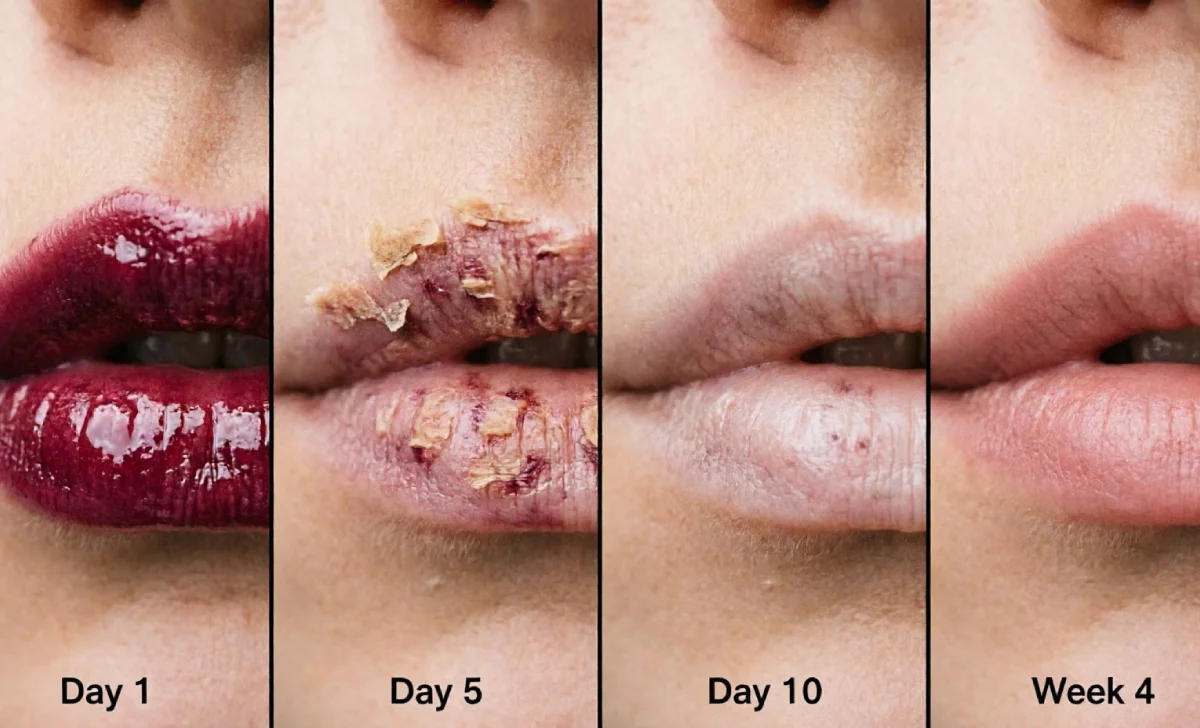
Days one and two bring peak swelling, dark color, and a tight sensation like severely chapped lips. Around day three, the outer skin starts to lift, and you’ll notice light flaking — this isn’t the pigment leaving, just dead skin cells cycling out. By day five, peeling becomes more obvious, and small sheets of color may come off; underneath, the lips look pale or milky, starting the ghost phase.
From day six to about day ten, the color can seem to disappear. A fresh, opaque skin layer now covers the pigment. Over the next two weeks, that skin becomes more translucent and the blush tone slowly blooms back. By week four, the pigment stabilizes, and you see the soft, natural color you wanted. Patience really is the secret ingredient.
How Should You Care for Your Lips During the Healing Process?
Aftercare is where you hold the most power over your result. Keep the lips clean, lightly moisturized, and untouched by anything that could introduce bacteria or pull out pigment. Good aftercare isn’t just about color retention — it supports your overall health and wellness. Starting the next morning, gently cleanse with a mild, fragrance‑free wash and cool water using fingertips and a patting motion — no rubbing.
After cleansing, apply a thin layer of the aftercare ointment your artist recommends. The right product is usually an occlusive balm without petroleum or lanolin, because heavy occlusives can sometimes draw pigment out. Use just enough to prevent cracking, not a greasy coat. Reapply lightly after eating or drinking.
Don’t soak your lips, skip swimming and hot showers, and never touch them with unwashed hands. The skin is essentially an open micro‑wound that needs a clean, undisturbed environment to heal well. Following these steps faithfully for the first seven to ten days sets the stage for even color retention.
What Eating and Drinking Habits Must You Avoid While Healing?
Your eating routine affects the lip blush healing process more than you might think. In the first days, every lip movement stresses the fragile skin. Cut food into small bites, slide it onto your back teeth, and avoid stretching or pulling motions.
Temperature and spice matter too. Hot foods and drinks increase blood flow and worsen swelling, while spicy or acidic items sting raw skin. Stick to lukewarm meals and drink through a straw placed past the lips. Alcohol thins the blood and delays healing. Greasy or crumbly foods that stick to the mouth are also problematic because wiping your lips can peel away pigment.
This phase only lasts about a week, but it can feel inconvenient. Remind yourself that every careful bite protects the investment you’ve made in your smile. The restrictions are temporary, but the color payoff is lasting.
How Can You Sleep and Exercise Safely During Lip Blush Healing?
Your sleeping position directly affects how evenly your lips heal. For the first several nights, sleep on your back with your head slightly elevated. This reduces fluid pooling and prevents your face from pressing into a pillow, which could rub off healing skin or transfer bacteria.
Use a freshly washed pillowcase made of soft fabric. If you must side‑sleep, keep your lips from pressing into the pillow. Heavy sweating is an enemy of delicate healing tissue — sweat introduces bacteria, and the salt can sting. Light movement is fine, but intense workouts, hot yoga, and running should wait until peeling is complete. While you rest, you can try gentle relaxation like legs up the wall to support circulation and reduce stress without disturbing your lips.
This rest period protects the tiny pigment channels still settling. A few days of modified movement are worth a lifetime of even, pretty color.
How Do You Prevent a Cold Sore Outbreak After Lip Blush?
If you’ve ever had a cold sore, take this seriously. The procedure creates micro‑injuries that can awaken the dormant virus even after years of no outbreaks. This common complication is largely preventable.
Speak with your doctor about antiviral medication before the appointment. A typical protocol starts a prescription antiviral a day or two before the procedure and continues for several days after. Waiting until you feel the telltale tingle is often too late. If a blister appears despite precautions, call your artist and consult a healthcare provider right away. Never apply over‑the‑counter creams without guidance, as some affect pigment retention.
This proactive step is not optional for anyone with a cold sore history. It protects both your health and your lip blush investment.
What’s the Difference Between Normal Peeling and Problem Scabbing?
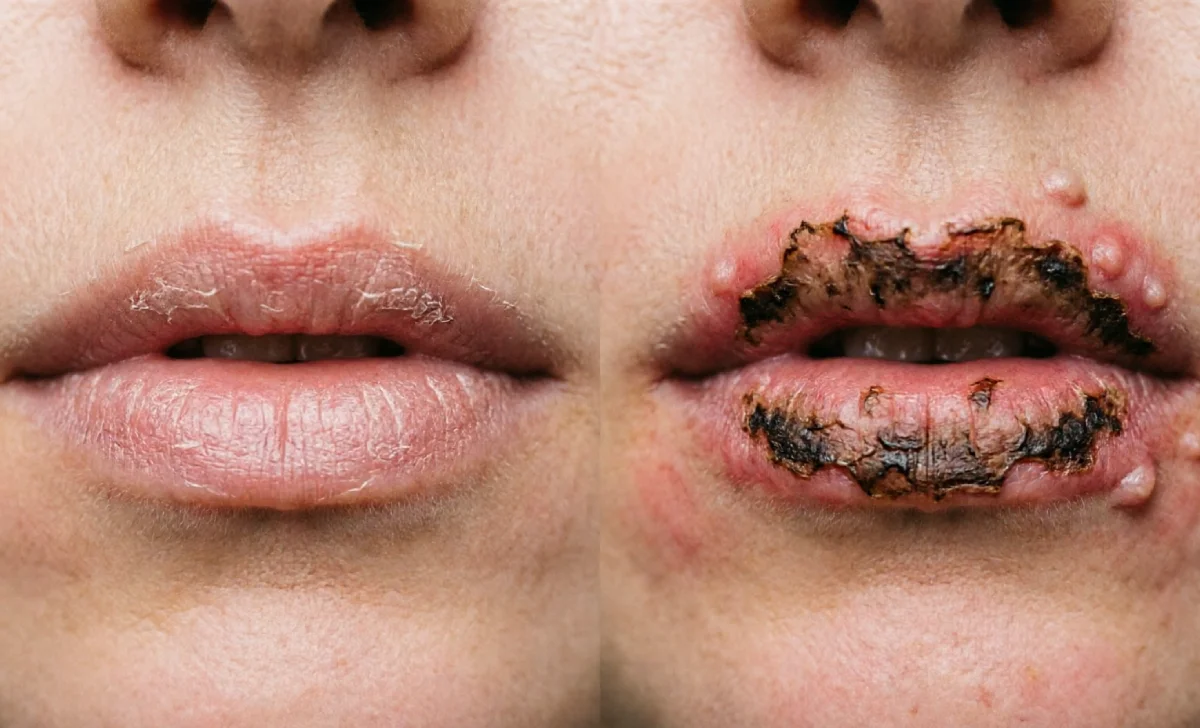
Peeling is a normal part of the lip blush healing process, while true scabbing signals trouble. Normal peeling looks like thin, dry flakes similar to sunburn shedding. Let them fall off naturally — picking, even gently, tears out pigment and creates patchy spots.
Problem scabbing is thick, often yellow or dark, and may feel tender. It usually happens when the lips are overworked, aftercare isn’t clean, or the skin is picked. Unlike peeling, scabs can pull color from deeper layers. If you notice thick scabbing, contact your artist and stick to gentle, clean aftercare.
Understanding this difference stops the most common mistake — interfering. Trust your skin to do its job, and keep your hands off.
What Are the Signs of an Infection or Allergic Reaction?
Infections after lip blush are rare with a licensed professional, but know the signs. Normal healing includes mild tenderness, some swelling, and light peeling. Increasing pain, spreading redness, warmth, or a yellow‑green discharge can signal a bacterial infection that needs quick medical attention.
An allergic reaction is even less common but may appear as persistent itching, hives, or unusual swelling. If you suspect either issue, first contact your artist to assess the situation. Then see a board‑certified dermatologist or healthcare provider right away. Catching problems early protects your health and your cosmetic outcome. You’re not being dramatic — you’re being smart.
Why Did My Lip Color Disappear? Understanding the Ghost Phase
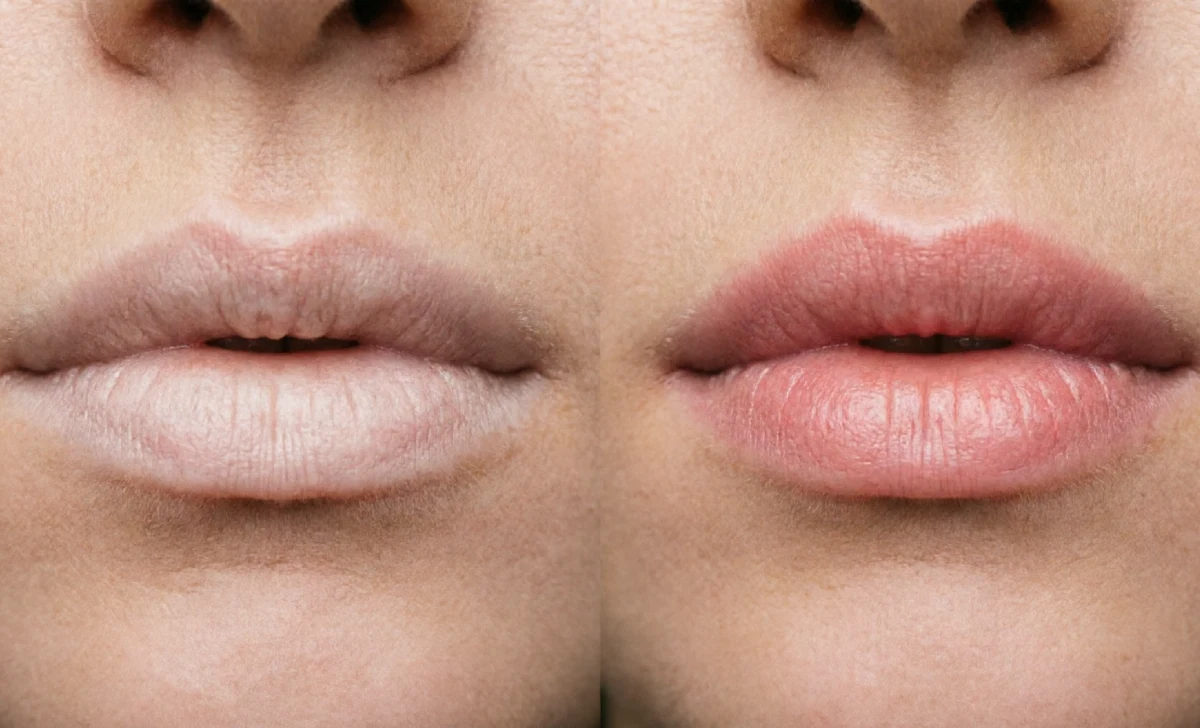
Just when you think you’ve crossed the finish line, your lips may turn pale, milky, or nearly colorless. This ghost phase is one of the biggest emotional hurdles. The pigment hasn’t vanished — it’s hidden beneath a fresh, temporarily opaque layer of skin.
After peeling completes, your body generates that protective layer. Over the next few weeks, as the skin becomes more translucent, the color resurfaces in a softer, more natural form. It often returns unevenly at first, then balances out. The ghost phase demands patience. Don’t add lipstick or pick at the skin. Let your body finish its deeper work; the color almost always comes back.
Why Is a Touch‑Up Session Essential for Your Final Lip Blush Result?
Many people don’t realize lip blush is a two‑step process. The first appointment builds the foundation, and the touch‑up six to eight weeks later perfects it. Healing can leave some areas with less pigment due to skin texture variations, aftercare slip‑ups, or your immune response.
The touch‑up allows your artist to fill small gaps, adjust the shade, and even out the overall look. Skipping this step often means a result that’s close but not quite polished. Think of it like tailoring a garment — the first fitting gets you most of the way there, and the final alterations make it flawless. This second session is your safety net, built into the process for a reason.
How Can You Protect Your Lip Blush for Long‑Term Retention?
After all those weeks of careful healing, you’ll want your soft lips to last. The number one enemy of cosmetic tattoo pigment is ultraviolet light. UV rays break down color molecules, so a daily lip sunscreen of SPF 30 or higher is non‑negotiable.
Avoid harsh lip scrubs, chemical exfoliants, and products with drying alcohols. Keep your lips hydrated with a gentle balm, and remove makeup carefully without scrubbing. Annual color‑boost sessions refresh the tint. Regular wellness checks with your artist catch fading early and keep your lips at their best. With simple daily habits, your lip blush can stay beautiful for years.
Frequently Asked Questions About the Lip Blush Healing Process
Can I wear lipstick during the healing process?
No, avoid all lip makeup until fully healed, about two to four weeks. Lipstick application introduces bacteria, and rubbing can strip healing skin and pigment.
When can I kiss or have oral contact again?
Wait until peeling is finished and skin feels smooth, usually ten to fourteen days. Even then, be gentle; deeper healing continues, and contact too early can cause patchy pigment loss.
Why does my lip blush look uneven while healing?
Unevenness is normal because different lip areas heal at different rates. The touch‑up session exists specifically to correct these irregularities once the lips have settled.
How soon can I book my touch‑up appointment?
Your artist will recommend waiting six to eight weeks so the color fully stabilizes. Booking too early means the skin hasn’t finished remodeling, and the touch‑up may not take as evenly.
Conclusion
Your lip blush healing process is a rollercoaster of dark color, peeling, ghosting, and waiting, but every stage has a purpose. None of it means something went wrong — it means your skin is doing its intricate work. Trust the timeline, follow the aftercare faithfully, and let the days pass without interfering. Soon you’ll wake up to soft, evenly tinted lips that look yours naturally, and all that patience will be absolutely worth it. You’ve got this.