
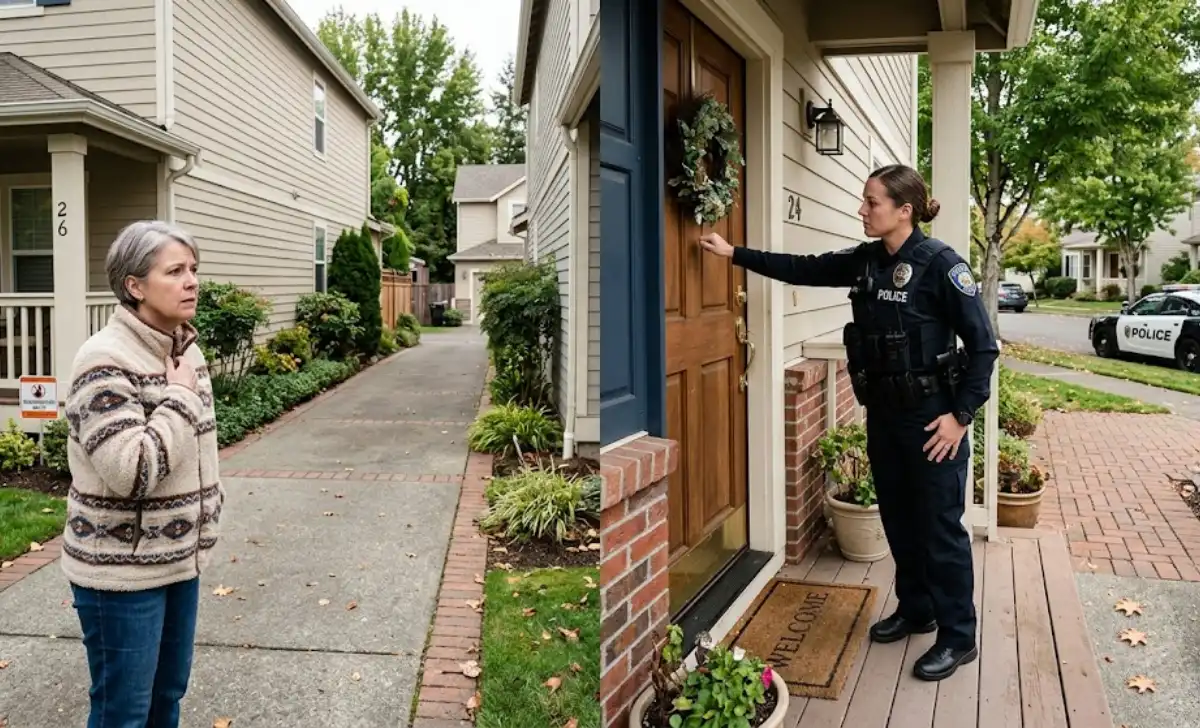
You haven’t heard from someone you love, and your mind races with worry. A wellness check (also called a welfare check) is a service that lets police stop by and verify a person’s safety when you’re concerned. This guide will show you exactly when a wellness check is appropriate, how to request one step by step, and what happens after the call.
What Exactly Is a Wellness Check?
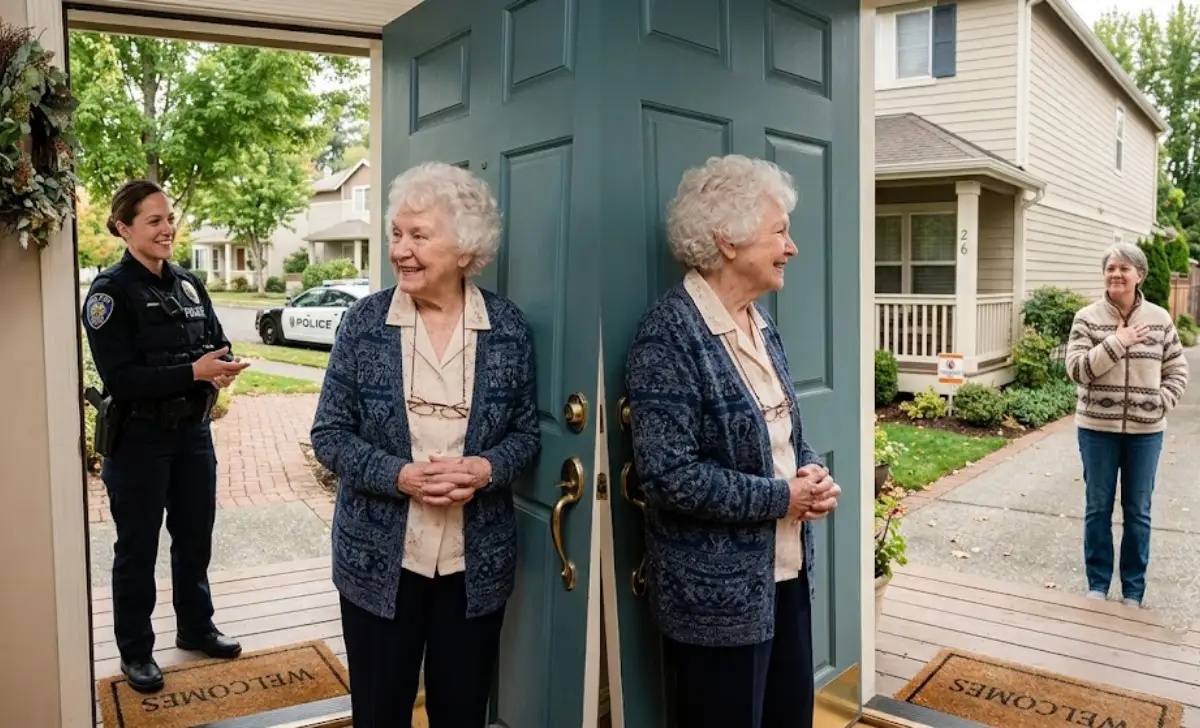
A wellness check is a welfare visit, not a criminal investigation. Officers simply stop by to make sure someone is safe.
A police wellness check has nothing to do with a doctor’s appointment. It’s a request for officers to visit a residence and confirm that the person inside is okay. They aren’t there to enforce a law or investigate a crime.
This kind of visit falls under community caretaking. Law enforcement can act when there’s a reasonable concern for someone’s welfare, entirely separate from any criminal matter. You aren’t filing a complaint; you’re simply asking for a brief, respectful check.
When Should You Request a Wellness Check?
If a normal routine suddenly breaks and you can’t explain it, a wellness check is worth considering. Maybe your elderly neighbor’s newspapers are piling up, or your father didn’t answer his usual Sunday call. These aren’t vague feelings—they’re real, observable changes.
The service is also for people with health conditions who live alone. If a friend with a heart problem falls silent after feeling unwell, your worry makes sense. And anyone who lacks a strong support network is exactly who this system is designed to help.
A wellness check isn’t for casual curiosity or a minor texting delay. If someone is in immediate danger or you’re witnessing a life‑threatening emergency, call 911 right away. Trust your gut, but anchor it in what you’ve actually seen or heard.
How Do I Request a Wellness Check Step by Step?
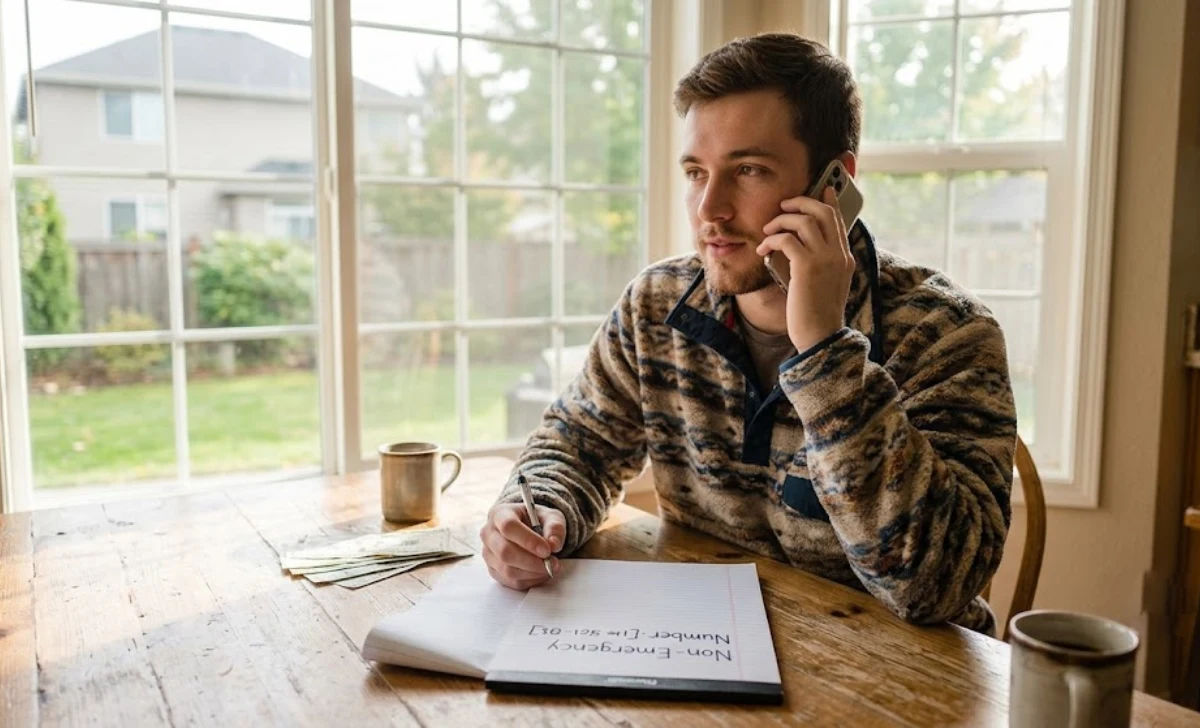
The process is simpler than you think. You only need the right phone number and a few honest facts.
Find the non‑emergency number for the police department in the city where the person lives. Search the town name plus “non‑emergency police number”—never use 911 for a wellness check. Once you’re connected, a dispatcher will answer with something like, “Police non‑emergency, how can I help?”
At that moment, just state your request clearly. You could say, “Hi, I’d like to request a wellness check on my father.” Give the address, and briefly explain your concern. Something like, “He lives alone, usually answers my calls, and I haven’t heard from him in two days,” gives the dispatcher exactly the context needed.
What Information Will the Dispatcher Need from You?
The dispatcher will ask for the person’s exact address, including apartment or unit number. Even a good description of the home can help if you don’t know the number.
Next, they’ll need a clear description: full name, approximate age, height, build, and any notable features. After that, they’ll ask why you’re worried. Mention the last time you had contact, what felt normal before, and what changed.
If the person has a medical condition or takes essential medication, share that calmly. This isn’t an interrogation. The dispatcher just needs enough detail to help the officer assess the situation safely and quickly.
What Happens During a Police Wellness Check?
Once you hang up, the dispatcher sends the information to an available officer. That officer then drives to the residence and approaches the door with a calm, professional demeanor.
The officer will knock and announce themselves, saying something like, “Police department, just checking in—is everything okay?” There are no sirens or aggressive tactics. If someone answers, a brief conversation follows to confirm they’re safe.
If no one answers, the officer may look through windows, try a side door, talk to neighbors, or call any known phone number. The goal is always to verify safety with the least intrusion possible.
What Are the Possible Outcomes of a Wellness Check?
Most often, the person is absolutely fine. Maybe their phone died, or they were napping with the ringer off. The officer thanks them, and the visit ends quickly.
Sometimes the check uncovers a medical need. The person might be confused, injured, or too weak to come to the door. The officer then calls paramedics and stays until help arrives—this is exactly why the service exists.
If nobody answers and there are no urgent signs, the officer may leave a note asking the person to call the department. In rare cases where something inside looks or sounds alarming, officers can enter under community caretaking laws to prevent serious harm. Whatever happens, your call was never a mistake.
How Is a Wellness Check Different From Calling 911?
A 911 call is for emergencies happening right now—smoke, screams, or immediate physical danger. A wellness check is for the quiet worry that builds over time, when you haven’t heard from someone, and it’s unlike them.
Using the non‑emergency number keeps 911 lines open for true crises. Dispatchers on non‑emergency lines are trained for exactly this kind of request and will never make you feel foolish. You’re using the system exactly as intended, and that’s always the right move.
Requesting a Wellness Check for Someone in Another City or State
Distance doesn’t make you powerless. You can request a wellness check for someone far away by calling the police department in their town, not your own.
Find that agency’s non‑emergency number the same way you would locally. When you call, explain that you’re out of state and haven’t been able to reach your loved one. The dispatcher will ask the same questions—address, description, reason for concern—and will note your distance.
Police departments are very accustomed to handling out‑of‑state requests. The officer who responds will treat the call with the same seriousness as a neighbor’s call, because the concern is just as real.
What If the Person Doesn’t Answer the Door?
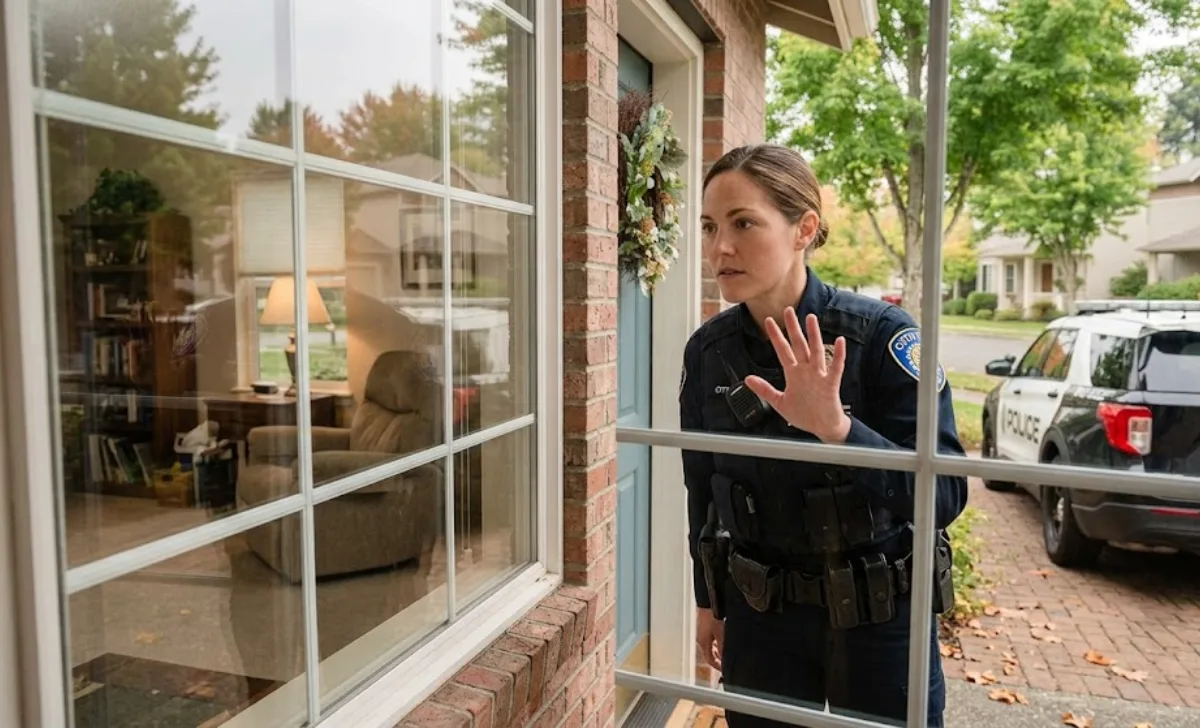
The silence behind the door is what many callers fear most. Knowing the procedure can ease that anxiety.
If no one answers, the officer doesn’t simply drive away. They’ll check windows, try side doors, and speak with neighbors. They may also attempt phone contact if a number is available.
Under the community caretaking doctrine, officers can enter without a warrant if they reasonably believe someone inside needs immediate aid, like visible injury, calls for help, or a strong gas smell. Such entries are rare and never taken lightly. If no emergency signs exist, the officer leaves contact information and may follow up later. You can always call back for an update.
Are There Alternatives Before Calling the Police?
Sometimes, a quick check closer to home can bring the answer faster. Think about other people who might have seen the person recently—a neighbor, a nearby relative, or a building manager.
If you live close enough and feel safe, a personal visit can work wonders. You might just find them with a dead phone battery. But if distance, safety, or those alternatives only deepen your worry, a wellness check remains the caring, appropriate next step.
Things to Keep in Mind After You Request a Wellness Check
After the call, you may feel relief, anxiety, or even guilt. Those feelings are normal and do not mean you overreacted. Give the police a little time—wellness checks are prioritized alongside other calls, so a short delay is common.
If you haven’t heard back and your concern is growing, you can call the non‑emergency line again for an update. And if the check reveals the person was embarrassed but fine, be gentle. Most people, once the awkwardness passes, feel touched that someone noticed. If your call truly helped, take a quiet moment to recognize that your action mattered.
Quick Answers to Common Wellness Check Questions
Can I request a wellness check anonymously?
Yes, you can ask to remain anonymous, and officers typically won’t volunteer your name. However, the person being checked may guess based on the context.
Do wellness checks cost any money?
No, requesting a police wellness check is a free public service. There is no fee for this community caretaking function.
How long does a typical wellness check take?
The actual visit often takes only a few minutes if the person answers and is safe. Department workload can cause a slight delay, but these calls are treated seriously.
Will I be told what happened afterward?
You can ask for a follow‑up, and many departments provide a brief update. Privacy laws may sometimes limit how much detail they can share.
Conclusion
A wellness check isn’t an overreaction—it’s a quiet, powerful way to show you care. Now you know what it means, when it fits, and how to make that call with a steady voice. Trust your instinct, use the non‑emergency line, and speak honestly. Acting from genuine concern is never something to apologize for.