
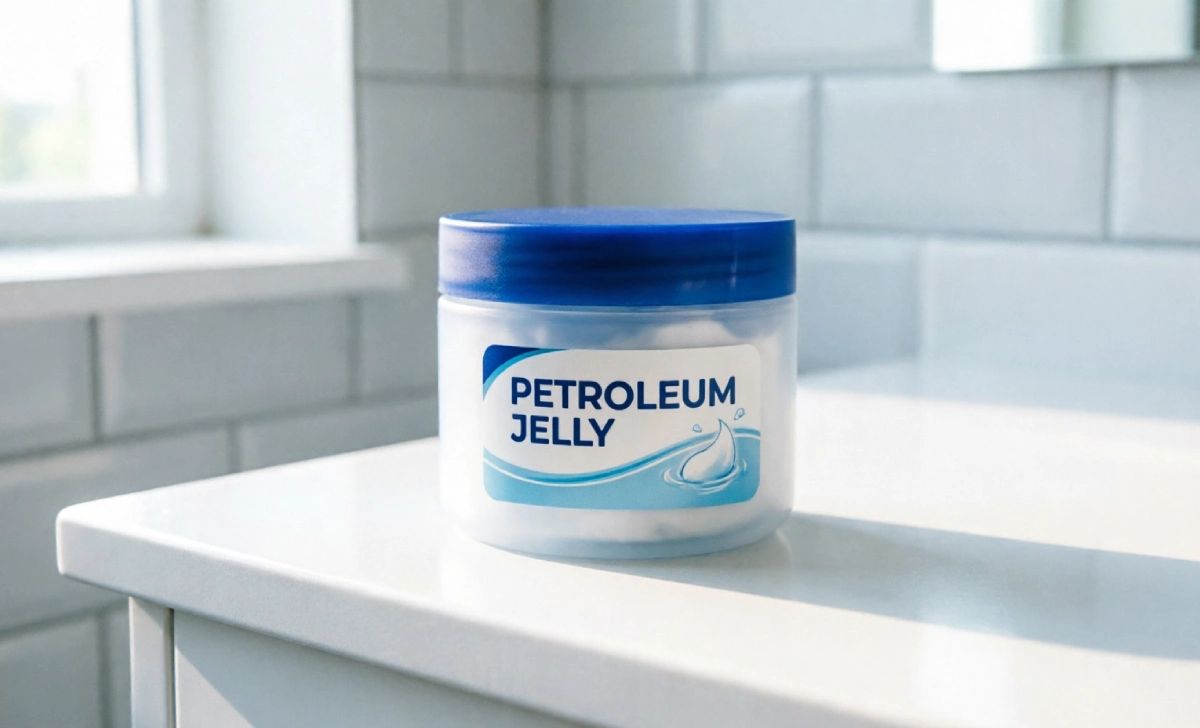
Maybe you’ve heard conflicting things about petroleum jelly, and you might worry it could cause breakouts. If you’re asking is petroleum jelly bad for you, you’re not alone. This is similar to the confusion people have when they ask if retinol causes acne or if heavy ointments trap dirt.
The truth sits somewhere in the middle, and it is far less frightening than online rumors suggest. By the time you finish reading, you will know exactly what makes it safe and how to use it.
So, Is Petroleum Jelly Bad for You?
If you have been losing sleep over that little jar on your nightstand, take a deep breath. For the vast majority of people, refined petroleum jelly is completely safe for daily use.
It has been thoroughly purified to remove anything that could genuinely harm you. Decades of widespread medical use strongly back up this excellent safety record across the globe.
The real danger only appears when you use an unrefined, unpurified version. In short, the answer is a clear “not if you use the right kind.”
What Is Petroleum Jelly Made From?
You might have heard that petroleum jelly comes from crude oil, and that is absolutely true. It starts as a natural by-product of the oil refining process.
On its own, that sounds alarming, but so do many origins that lead to safe materials. What happens next is the part that truly matters for your skin’s health.
Before it reaches your skin, that raw material goes through an intense purification journey. Think of it like filtering muddy water through many layers until it is crystal clear.
The Refined vs. Unrefined Difference That Matters
This is the single most important distinction you will learn today. Refined petroleum jelly is often labeled as white petrolatum or marked with a clear USP symbol.
It has been carefully processed to remove polycyclic aromatic hydrocarbons, also called PAHs. Those compounds are the real culprits in the cancer-scare stories you may have encountered.
Unrefined petroleum jelly, on the other hand, can still contain PAHs and other contaminants. To protect yourself, you just need to glance at the label for purity.
Why Do People Think Petroleum Jelly Is Dangerous?
The fear is not random, as it comes from real studies that are often misunderstood. Years ago, researchers looked at unrefined petroleum jelly and found it contained PAHs.
Those findings were true for the unrefined form, and they got repeated until the context disappeared. What most people do not realize is that modern cosmetic-grade petroleum jelly is stripped of those PAHs.
Health authorities like the FDA and the World Health Organization confirm that refined petrolatum poses no cancer risk. The molecules are also too large to be absorbed through your skin.
How Petroleum Jelly Actually Works on Your Skin
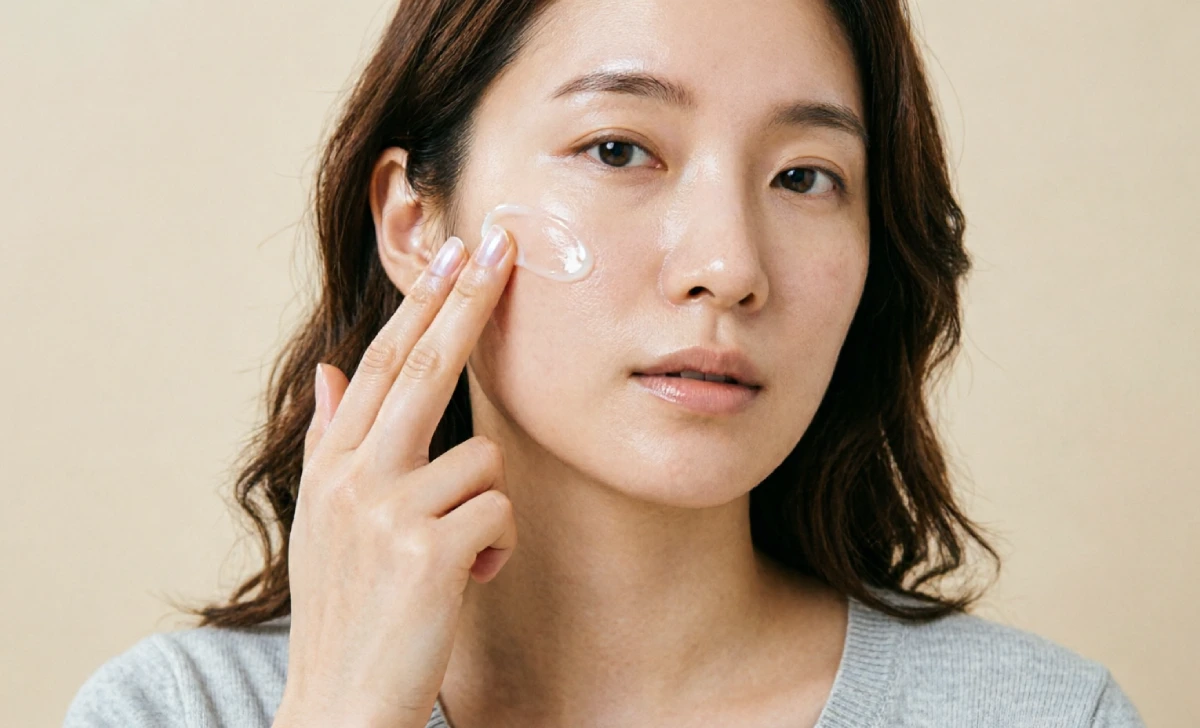
Here is where the real magic lies, and it is simpler than any expensive serum. Petroleum jelly is an occlusive, which means it forms a thin, breathable seal over your skin.
That seal traps the moisture your skin already has and prevents it from evaporating into the air. It stops water loss and lets your skin heal itself from within.
Imagine wrapping a slightly damp towel in plastic wrap to keep it fresh. This is why petroleum jelly works so well on rough heels, chapped lips, or dry patches.
What Are the Real Benefits of Using Petroleum Jelly?
You might be surprised by how many genuine, science-backed uses this simple product has. One of the most powerful is wound care for minor cuts and scrapes.
Studies show that keeping a minor wound moist speeds up healing and reduces scarring. This is especially helpful if you later need to remove flat moles and want the skin to heal smoothly.
For people with eczema, it can be a total game-changer for dry skin. By sealing moisture into stressed skin, it helps calm the relentless dryness and itching.
If your main goal is to look younger naturally, keeping your skin barrier intact is the best first step. It also works beautifully for the popular beauty routine known as slugging.
Can Petroleum Jelly Clog Your Pores and Cause Acne?
If you have oily or acne-prone skin, this question probably sits at the top of your mind. Pure petroleum jelly is technically non-comedogenic, meaning it should not clog pores on its own.
Because it is so heavy, it can trap dead skin cells and oil against your face. The jelly itself is not the villain; it is what gets sealed underneath.
If your skin tends to erupt, you might want to use it only on very dry spots. A quick patch test behind your ear can tell you everything you need to know.
Is It Safe on Lips, Around Eyes, and for Babies?
You want to be extra careful with delicate areas, and that instinct is spot on. Petroleum jelly has been used safely on lips for decades without any stinging.
When it comes to babies, refined petroleum jelly is a trusted barrier against diaper rash. It shields fragile skin from moisture and irritation in a way few other products can.
Just ensure you are using a pure, fragrance-free version for your little one. Used properly, it is one of the gentlest tools on your shelf.
When Should You Absolutely Avoid Petroleum Jelly?
There are a few clear moments when this product goes from helpful to harmful. Never put petroleum jelly on a fresh burn because it seals in heat.
It also weakens latex, which means it should never be used with latex condoms. Choose a water-based or silicone-based alternative instead to avoid breakage.
Another hard rule is to avoid applying it inside your nostrils repeatedly over long periods. Persistent application has been linked to a rare condition where tiny oil particles enter the lungs.
How to Use Petroleum Jelly Safely Every Day
Using petroleum jelly the right way is about building a tiny, simple habit. Start with clean skin by washing away dirt and bacteria before you seal anything in.
Apply a thin, almost sheer layer to skin that is still slightly damp. You do not need a thick glob, as more product just means a greasier feel.
If it is your first time, watch how your skin responds over the next day. Almost nobody reacts badly to pure petrolatum, but paying attention is always smart.
How to Spot the Purest, Safest Petroleum Jelly in Stores
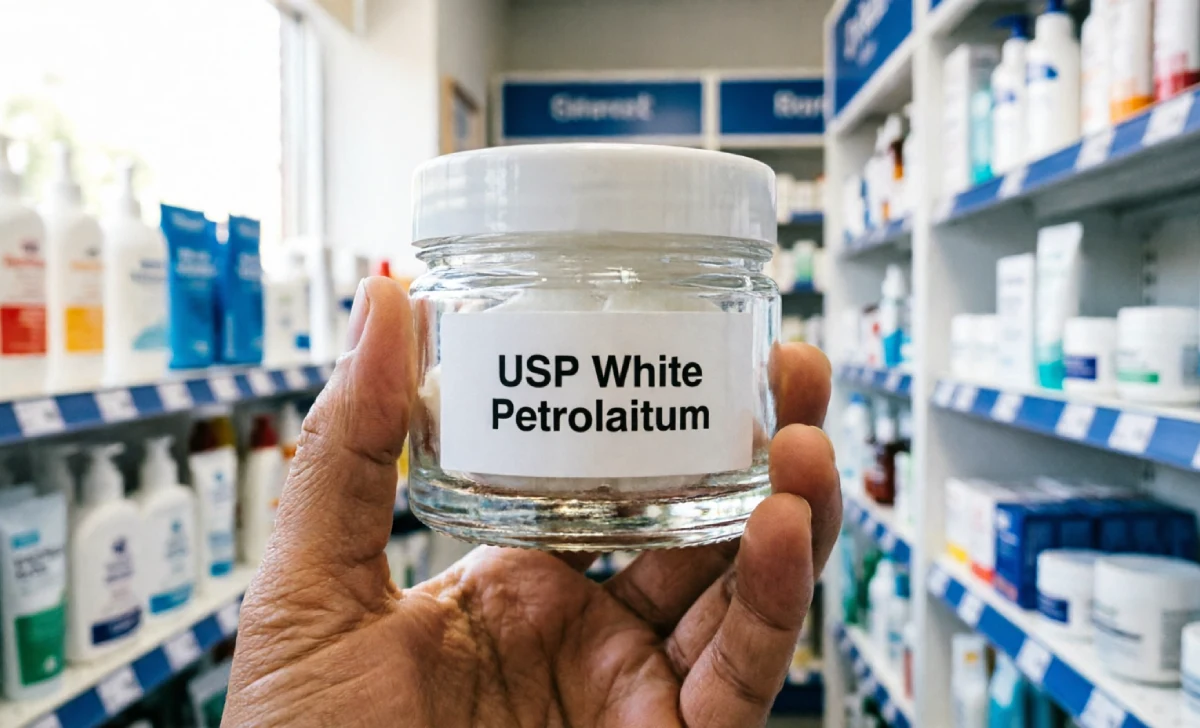
You do not need an expensive brand or a complicated ingredient list to stay safe. The single most powerful thing you can do is look for the letters “USP”.
That tells you the product meets strict purity standards and has been refined properly. Most well-known drugstore jars carry this label, even the highly affordable ones.
If a jar does not list any purity information, it is best to put it back. Trust the label, and you will never have to guess about safety.
Simple Natural Alternatives If You Prefer to Skip It
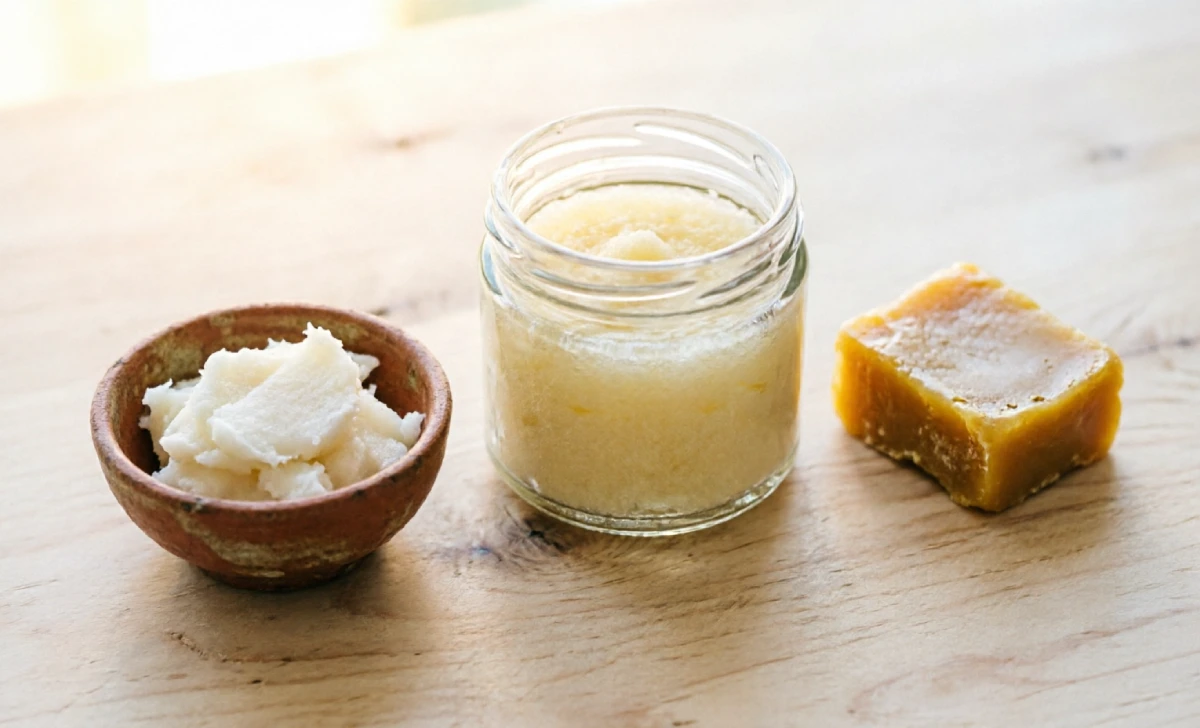
Maybe you have read all of this and still feel more comfortable avoiding crude oil derivatives. That is perfectly okay, and your personal preference is entirely valid.
Shea butter is rich and creamy, forming a gentle shield that works beautifully on dry body skin. Beeswax-based balms offer a comparable barrier for lips and are often blended with nourishing oils.
If lanolin does not bother your skin, it is another deeply occlusive option. Many people also combine these natural butters with their Korean skincare routine for amazing results.
FAQs
Does petroleum jelly cause cancer?
No, when it is refined and USP-grade, petroleum jelly does not cause cancer. The cancer concerns only apply to unrefined versions that contain PAHs.
Can I use petroleum jelly on my face every night?
For most people, yes, as long as your skin is clean beforehand. If you are prone to breakouts, test it on a small area first.
How can I tell if my petroleum jelly is pure?
Look for “USP” or “white petrolatum” on the label. That mark means the product has been refined to meet pharmaceutical standards.
Conclusion
Now you have the full picture, and it is far less frightening than the half-truths that float around online. Refined petroleum jelly is a safe, affordable, and effective skin protectant.
Whether you choose to keep using it or reach for a natural alternative, you can do so with clarity. You can make the best choice for your skin without any worry.