
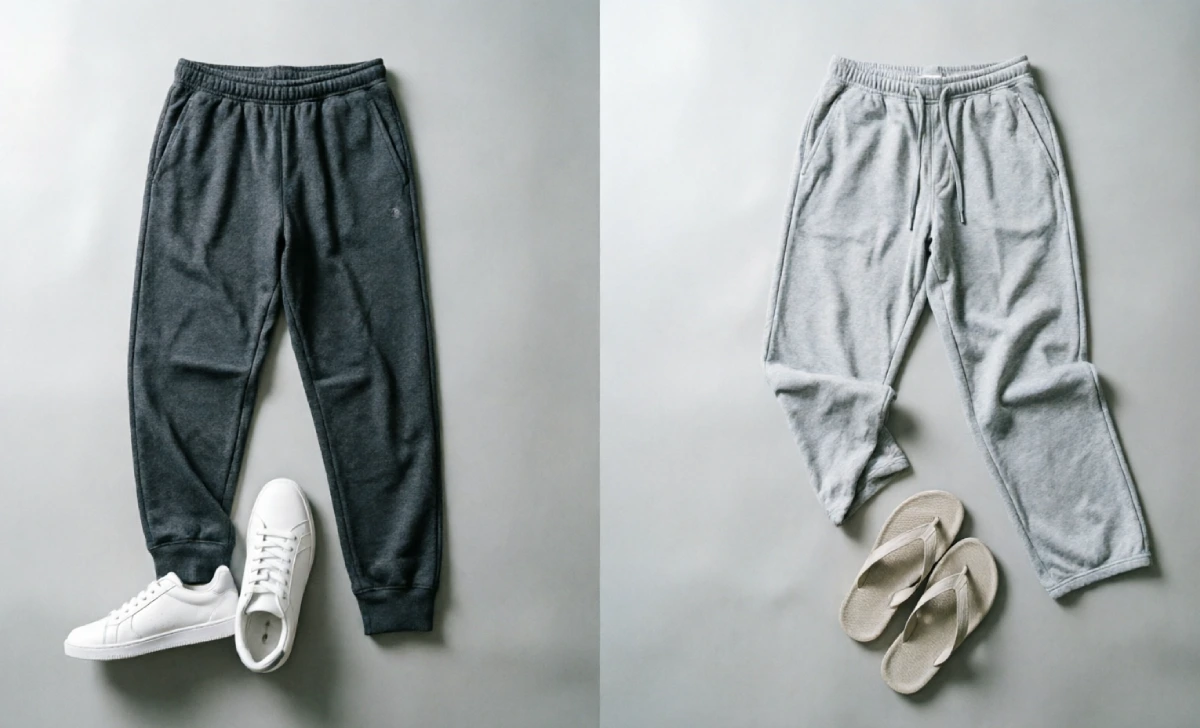
Two pairs of pants, one closet, and one nagging question: are joggers vs sweatpants actually different, or is this just clever marketing? Brands rarely make it easy, since they use both words almost interchangeably. Among the countless types of pants filling your drawers, these two get mixed up more than any other pair.
The truth is simpler than it seems. Both garments share the same casual DNA, but small, deliberate design choices push them apart in fit, fabric, and feel. That overlap is exactly why so many “sweatpants” today look suspiciously like joggers.
By the end of this guide, you’ll spot the details that separate the two instantly, know which one suits your day, and stop guessing every time you shop.
What Exactly Are Joggers?
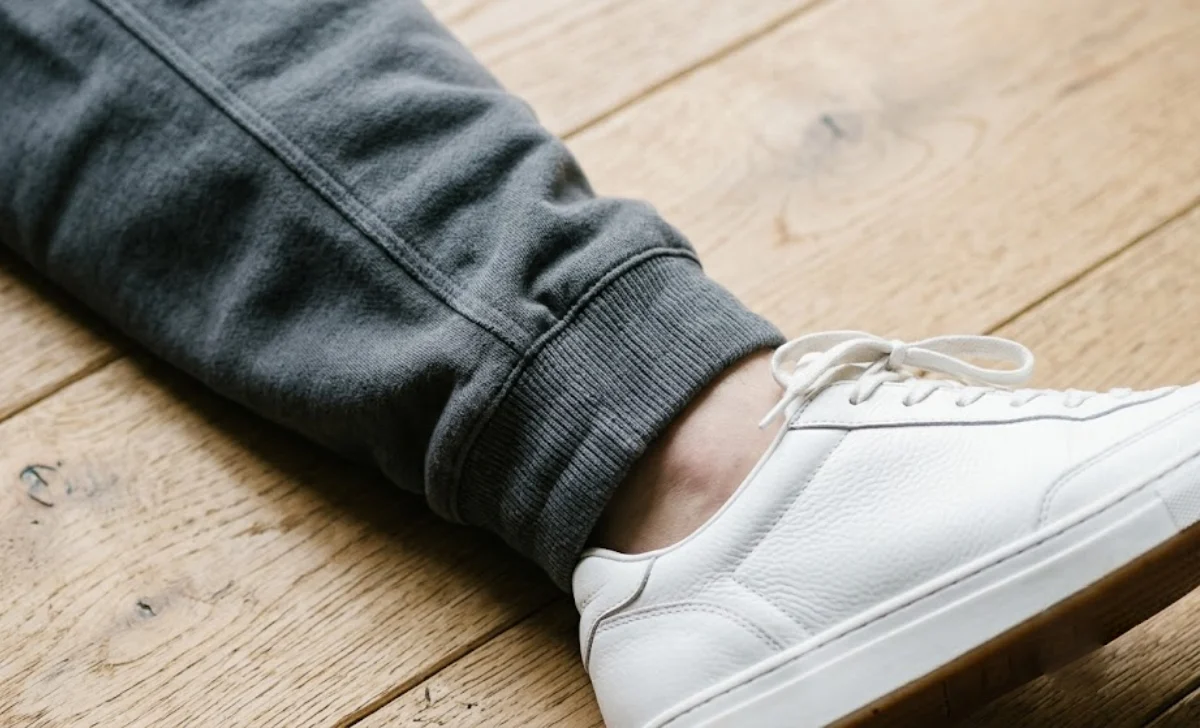
A true jogger tapers from the knee down and ends in a ribbed or elastic cuff at the ankle. That cuff isn’t optional. It controls the entire drape of the pant and keeps loose fabric from pooling over your shoes.
Runners popularized this cut first, needing something that moved with their stride instead of flapping around. Designers later softened the fabric, and a performance piece quietly became an everyday staple.
Picture a slim, structured pair with a cuff sitting just above your sneaker, and you’re already picturing a modern jogger. Browsing different joggers for men styles is the fastest way to train your eye for this exact silhouette.
What Are Sweatpants Really?
Classic sweatpants skip the ankle cuff entirely. Instead, the leg drops into a relaxed, open hem that lets fabric move freely around your calves, prioritizing warmth over shape.
Athletes wore early versions before and after games, which explains the brushed cotton fleece lining still used today. That heavier fabric drapes looser, giving sweatpants their signature slouch.
Nothing about a sweatpant tries to sculpt your body. A drawstring waist adjusts the fit, but from hip to hem, comfort stays the only priority.
Joggers vs Sweatpants: What Is the Actual Difference?
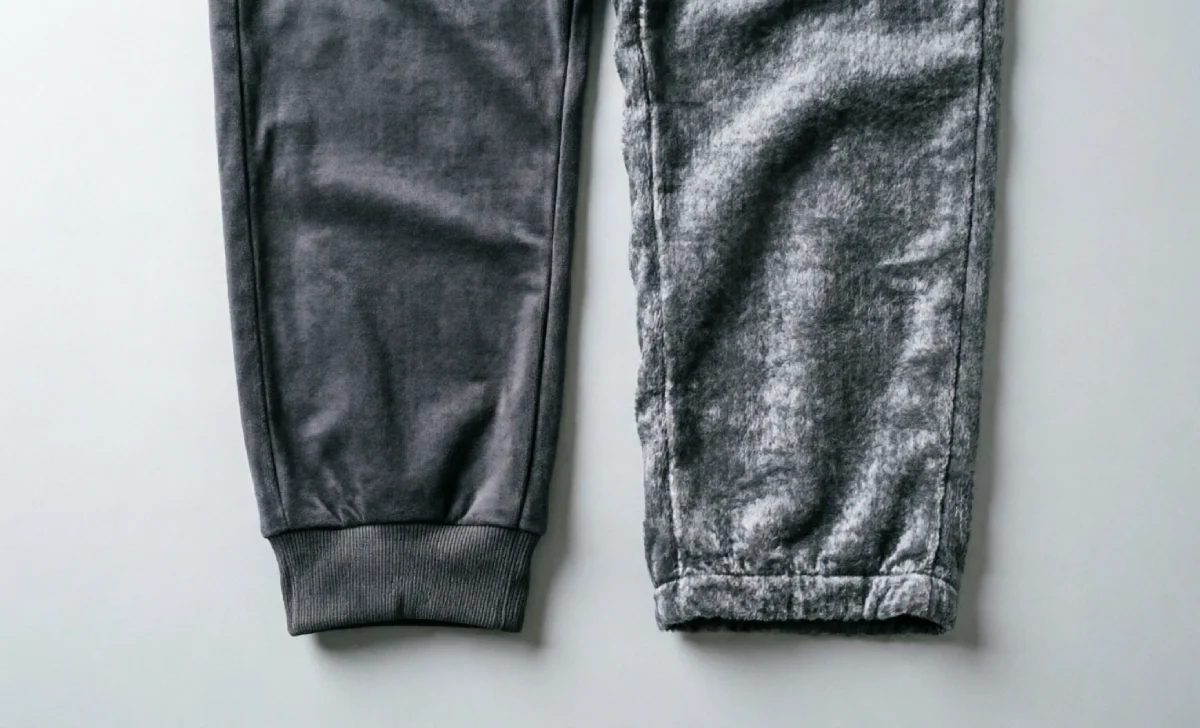
Look past the labels, and a handful of details separate these garments. Joggers gather at the ankle; sweatpants release into an open hem that hangs loose over your shoes. That single choice changes the entire personality of the pant.
Fabric weight tells a similar story. Joggers typically use lighter French terry or moisture-wicking blends, giving them a sharper shape, while sweatpants stay loyal to heavyweight cotton fleece built for insulation.
Pockets round out the picture. Zippered pockets on joggers keep valuables secure during movement, while sweatpants stick to simple open pockets that match their laid-back purpose.
Which Is Better for the Gym and Working Out?
Joggers made from breathable French terry move with you, sidestepping the bunching and snagging that plague looser fabrics near gym equipment. A cuffed ankle also stays clear of your shoes mid-lunge.
Sweatpants can survive a workout, but not without tradeoffs. Heavy cotton fleece traps sweat quickly, and a looser cut can slow down fast, controlled movements.
Athletic-style joggers with a tapered fit and sweat-wicking finish remain the safer bet for intense sessions. Save relaxed sweatpants for stretching, light activity, or a chilly warm-up before you really get moving.
Can You Wear Joggers as Sweatpants for Lounging?
Slim joggers in soft French terry work fine on the couch, and they still look presentable if you need to step outside for five minutes. Personal taste decides this one more than any rulebook.
Still, nothing beats a loose, heavy fleece sweatpant on a lazy Sunday. No cuff grips your ankle, and the brushed interior wraps your legs in steady warmth that joggers rarely match.
Many people keep both. Joggers handle quiet afternoons with a few errands, while sweatpants take over when the plan is total, uninterrupted rest.
Are Joggers Always More Stylish Than Sweatpants?
Style depends on behavior, not labels alone. A tapered jogger leg mirrors a tailored trouser far more than a baggy sweat does, which is why it reads as intentional even in casual settings.
Pair slim joggers with a crewneck and clean sneakers, and you’ll look put-together at a casual dinner with almost no effort. The cuff frames your shoes and sharpens the whole outfit.
Sweatpants pull in the opposite direction, channeling a retro, off-duty mood built on attitude rather than polish. Neither approach is wrong; one says you’re aware of your silhouette, and the other says comfort matters more today.
How Should Joggers and Sweatpants Fit Your Body?
A good jogger tapers smoothly from thigh to ankle without gripping either. The cuff should rest just above your shoe, and horizontal pulling across the front usually means it’s time to size up.
Sweatpants need an easy, straight drape from hip to hem, free of bunching at the knees or dragging on the floor. The drawstring should sit securely without needing a tight pull.
Fit varies by brand more than most shoppers expect. Premium fabrics hold their shape for hours, while cheaper blends can lose their taper after a few washes, so check product photos closely before buying online.
Material Matters: Why Fabric Changes Everything
Cotton fleece traps body heat through a brushed inner layer, making it the go-to choice for sweatpants built for cold mornings. French terry does the opposite, using a smooth face and small back loops that let air move through freely.
That difference explains why joggers feel lighter on spring walks or travel days, while fleece sweatpants dominate winter lounging. Polyester blends add a third option, bringing stretch and durability that pure cotton simply can’t offer.
Skip the style photos next time and read the fabric details instead. That short paragraph reveals more about daily comfort than any product image.
How to Decide: A Simple Checklist for Your Lifestyle

A day full of movement, casual meetings, and quick errands calls for joggers. A slim pair in French terry delivers shape and comfort together, without ever tipping into sloppy territory.
An empty calendar and gray weather call for sweatpants instead. The open hem and thick fleece create a level of comfort no structured pant can replicate.
Travel splits opinion. Joggers suit flights when you want a neat, secure fit with pockets you can trust, while a soft, well-cut sweatpant wins if your only goal is sleeping through the trip.
What Is the Future of Joggers and Sweatpants?
Activewear brands keep blending the plush comfort of sweatpants with the tapered shape of joggers, producing hybrids that stretch, breathe, and hold form across very different activities.
Reading a pant’s actual features now matters more than memorizing its category. Check the cuff, weigh the fabric, and notice how it moves with you. Fashion keeps reshaping casual staples, the same way it’s reshaped formalwear pieces like a tea-length dress, but these fundamentals will keep you dressed right regardless of what trends next.
FAQs
Are joggers and sweatpants made from the same material?
Not usually. Joggers lean on lighter French terry or polyester blends for structure, while sweatpants rely on heavier brushed cotton fleece for warmth. Check the fabric tag rather than the product name for an accurate read.
Can you wear joggers to a casual office?
Yes, if you choose a slim, dark-colored pair in a clean fabric. Add a neat sweater and simple sneakers for an intentional look, and skip anything with loud branding or athletic piping.
Why are joggers sometimes more expensive than sweatpants?
Construction usually explains the gap. Zippered pockets, elastic cuffs, and tailored seams take extra steps to produce, and premium joggers often use specialty fabrics that cost more than basic fleece.
What’s the difference between joggers and track pants?
Track pants use lightweight synthetic fabric and typically close at the ankle with a zipper rather than a soft cuff. Joggers favor casual materials and sit comfortably between athletic wear and everyday style.
Conclusion
The real difference between joggers and sweatpants comes down to a few intentional choices in fit, fabric, and purpose. Joggers offer a tapered, modern line built for movement through a busy day, while sweatpants deliver unmatched comfort when rest is the only goal. Neither wins outright. The smarter pick is whichever one matches what you’re actually doing, and how you want to feel while doing it.