
So, is it bad to crack your knuckles every day? Short answer: No, it won’t give you arthritis. But there’s more to the story—and a few real side effects worth knowing about.
The Short Answer: No, Knuckle Cracking Doesn’t Cause Arthritis
Let’s cut through the noise. Decades of research—including long-term studies from major medical institutions—show zero link between knuckle cracking and osteoarthritis.
One famous doctor even cracked the knuckles on his left hand for 60 years and never on his right. Guess what? No difference in arthritis between them. (Yes, really.)
Why does this myth stick around?
Probably because the pop sounds… concerning. Like something’s grinding or wearing down. But sound alone doesn’t equal damage. Our bodies make all kinds of noises—knees creaking, backs popping—without meaning something’s broken.
So, Why Do Knuckles “Pop”? The Science of Cavitation
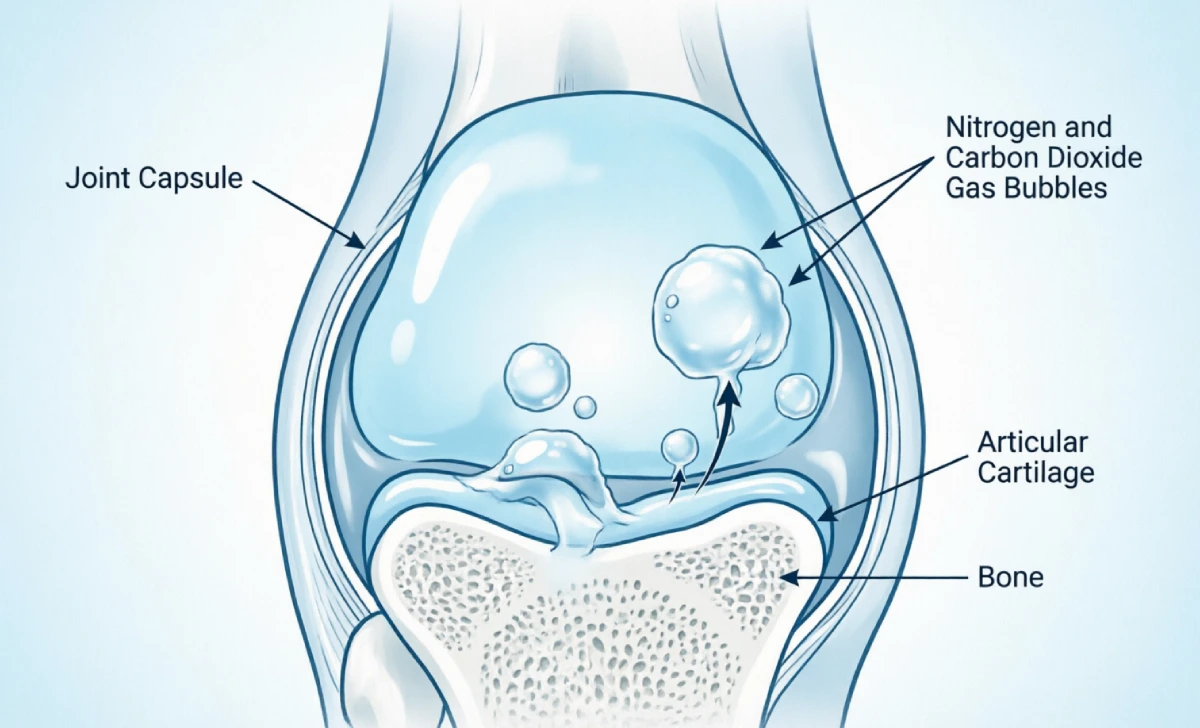
Here’s the cool part: that satisfying crack isn’t bones rubbing. It’s gas bubbles.
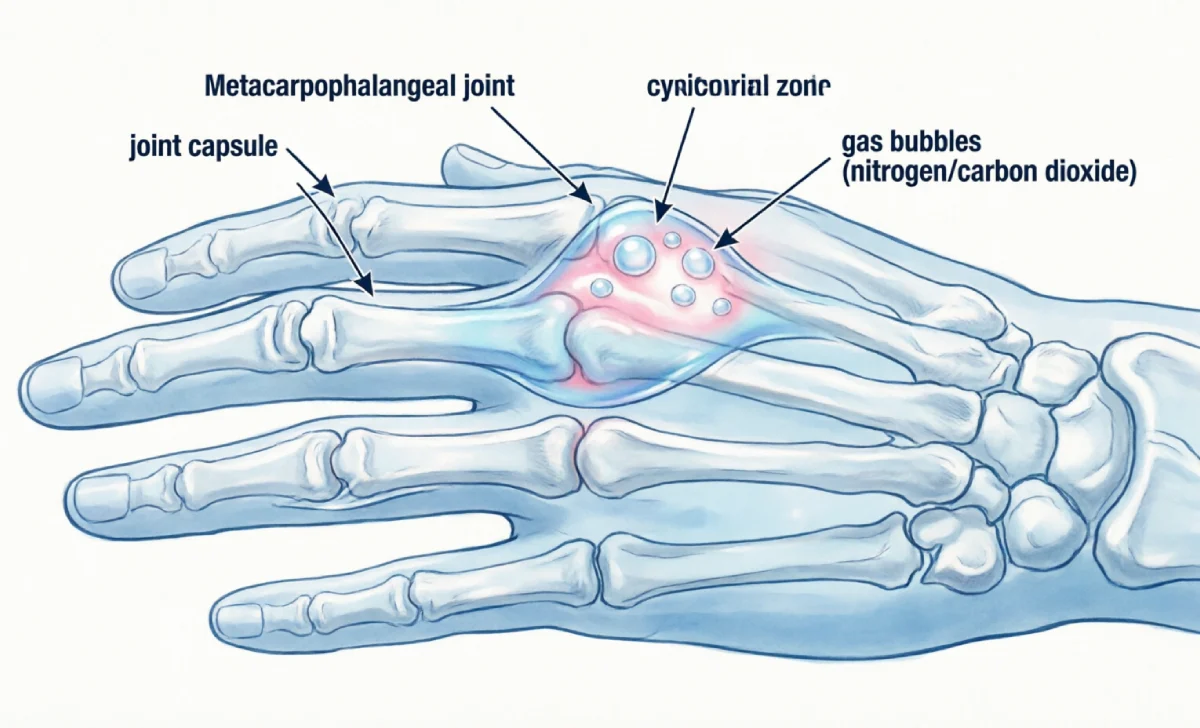
When you pull or bend a finger, you stretch the joint capsule. That creates negative pressure in the synovial fluid (the slippery stuff cushioning your joints). Dissolved gases—mostly carbon dioxide—rush to fill the space, forming a bubble that instantly collapses. Pop.
This process is called cavitation. And once it happens? You can’t re-crack that same knuckle for about 15–20 minutes. That’s the gas needing time to re-dissolve.
Why does it feel so good?
Two reasons:
- You’re briefly stretching the joint capsule, which can relieve tension.
- Your brain gets a tiny dopamine hit from the sensory feedback. It’s the same reason people enjoy stretching or hearing bubble wrap pop.
You’ve probably noticed you can’t force a second pop right away. That’s not your body warning you—it’s just physics doing its thing.
Real Side Effects of Habitual Knuckle Cracking
Okay, so arthritis isn’t on the list. But does cracking your knuckles really cause arthritis-level problems? Nope. Still, if you’re doing it aggressively or constantly, a few other things might come up.
Grip Strength Changes: What Studies Show
A handful of small studies suggest very frequent, forceful cracking might slightly reduce grip strength over time. But we’re talking subtle shifts—not “can’t open a jar” territory. And correlation isn’t causation: maybe people who crack a lot already have looser joints.
Does knuckle cracking cause hand swelling?
Rarely. If your hands swell after cracking, it’s more likely from overuse, minor strain, or an unrelated issue like mild tendonitis. The cracking itself isn’t inflaming the joint—but if you’re yanking fingers hard, you could irritate surrounding tissues.
When to actually worry
- Pain during or after cracking
- Visible swelling or redness
- A knuckle that feels “stuck” or unstable
If any of that sounds familiar, it’s worth chatting with a doctor. But if it’s just noise and relief? You’re probably fine.
Special Concern: Can Young People Get Arthritis from Cracking Knuckles?
Parents ask this a lot: Can you get arthritis from cracking knuckles young?
Good news: Age doesn’t change the science. Teens and kids who crack their knuckles aren’t setting themselves up for early arthritis. Osteoarthritis is driven by genetics, age, joint injuries, and repetitive heavy stress—not casual joint popping.
That said, young joints are still developing. If a teen is cracking knuckles and feeling pain, or doing it so often it distracts from daily life, it’s worth exploring why. Sometimes, habitual cracking is tied to stress, anxiety, or just boredom. No shame in that—but addressing the root cause helps more than banning the pop.
How to Crack Your Knuckles Safely (If You Choose To)
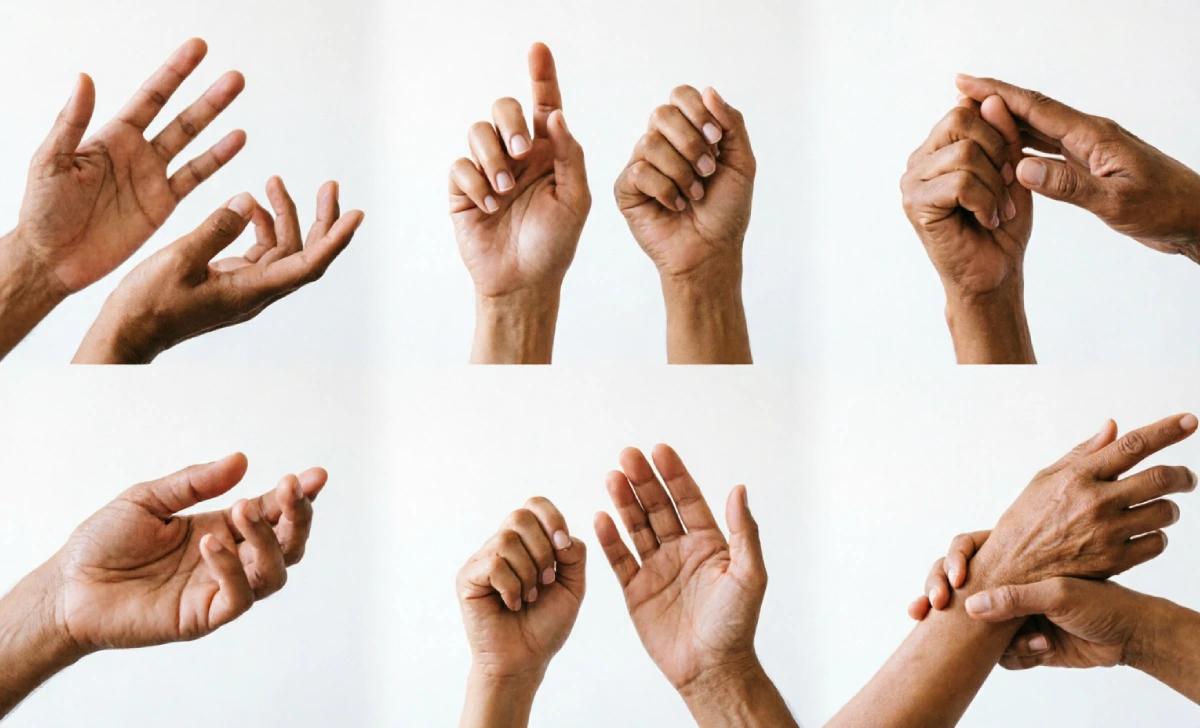
Look, we’re not here to police your habits. If cracking your knuckles feels good and isn’t causing problems, keep doing you. But if you want to minimize any risk of strain, try these gentle tweaks:
- Go slow: Gentle stretching > forceful yanking. Let the pop happen naturally.
- Warm up first: Roll your wrists or soak your hands in warm water if joints feel stiff.
- Stop if it hurts: Discomfort is your body’s “hey, ease up” signal.
- Mix it up: Try wrist circles or finger stretches for similar relief without the pop.
Think of it like stretching your back: a little movement feels great; forcing it can backfire. And if you’re dealing with a mattress causing back pain, that could actually be adding extra strain to your hands and wrists too.
The Bottom Line: Focus on Real Arthritis Risk Factors
If you’re worried about hand health long-term, knuckle cracking isn’t the hill to die on. Far bigger factors:
- Family history of arthritis
- Previous joint injuries (sports, accidents)
- Repetitive heavy gripping (certain jobs, hobbies)
- Overall health: weight, smoking, and inflammation levels
Quick self-check: Is your joint pain actually arthritis?
Arthritis pain usually feels like a deep ache, morning stiffness lasting 30+ minutes, or swelling that doesn’t go away. Occasional pops or brief twinges? Probably not.
Truth is, your knuckles are tougher than you think. The habit might annoy your coworkers, but it’s not wrecking your joints. A quick posture self-test can also help you spot if alignment issues are contributing to joint tension elsewhere.
FAQs
If knuckle cracking doesn’t cause arthritis, why do my hands feel sore sometimes?
Soreness is usually from overuse, minor strain, or tension—not the pop itself. Try gentle stretches or a warm compress. If pain persists, check with a healthcare provider.
Can I “train” myself to stop cracking my knuckles?
Absolutely. Many people find success by replacing the habit with a fidget tool, stress ball, or quick hand stretches. Awareness is the first step.
Does the type of crack matter? (e.g., pulling vs. bending)
Not really. Both methods create the same gas-bubble effect. What matters more is force: gentle movement is low-risk; aggressive pulling isn’t worth it.
Should I mention my knuckle-cracking habit at a doctor’s visit?
Only if it’s causing pain, swelling, or worry. Otherwise, it’s like mentioning you chew gum—interesting, but not medically urgent.
The Takeaway
Cracking your knuckles every day won’t give you arthritis. The science is clear on that. But if it’s causing pain, swelling, or just driving your friends nuts? Maybe ease up.
Focus on what actually protects your joints: staying active, managing stress, and listening to your body when something does hurt. Small habits—like watching for early signs of dehydration or keeping joints mobile—add up over time.