
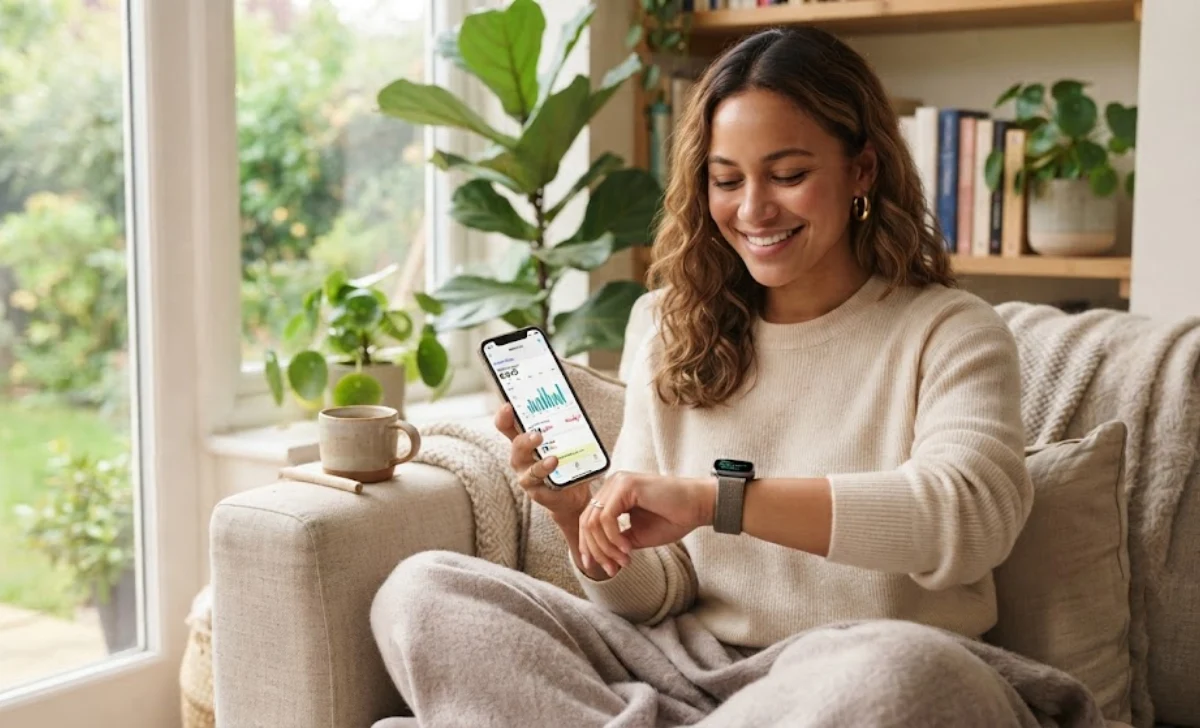
You’ve probably heard that screen time is ruining your health. That message is everywhere. But the device in your pocket can also become one of the most useful tools for your wellness journey you own. How Does Technology Directly Support Your Mental and Emotional Wellness?
Technology itself is neutral. The outcome depends on how you use it. This guide breaks down the technology positive effects on wellness across mental, physical, and social health.
Why Do We Often Blame Technology for Our Wellness Struggles?
If you’ve felt drained after a day of notifications, you’re not alone. Many people connect their devices to stress. That reaction is understandable.
The device usually isn’t the problem. Passive, unmindful use is. A constant stream of content pulls your attention without giving anything back.
My own mood shifts depending on whether I open an app for a reason or just start scrolling. That small choice changes the outcome every time.
Purposeful use produces different results. The same phone that drains you in one moment can support you in the next. Recognizing that you control the tool is the first step.
How Does Technology Directly Support Your Mental and Emotional Wellness?

A simple app can shift your mood faster than you’d expect. When your mind races at night, a structured tool nearby changes the situation. You’re not left alone with the thoughts.
Apps like Calm and Headspace have made meditation practices available on a phone. You learn to sit with your thoughts for a few minutes a day. These are practical exercises, and they help lower stress over time.
Platforms like BetterHelp remove common barriers to therapy. No commute, no weeks-long wait for an appointment. You can talk to a licensed professional from home, which makes it easier to reach out before a problem grows.
Mood tracking apps add another layer. Logging how you feel each day reveals patterns tied to sleep, exercise, or specific events, patterns that are hard to spot without a written record.
Can Fitness Trackers and Smart Health Devices Really Make You Physically Healthier?
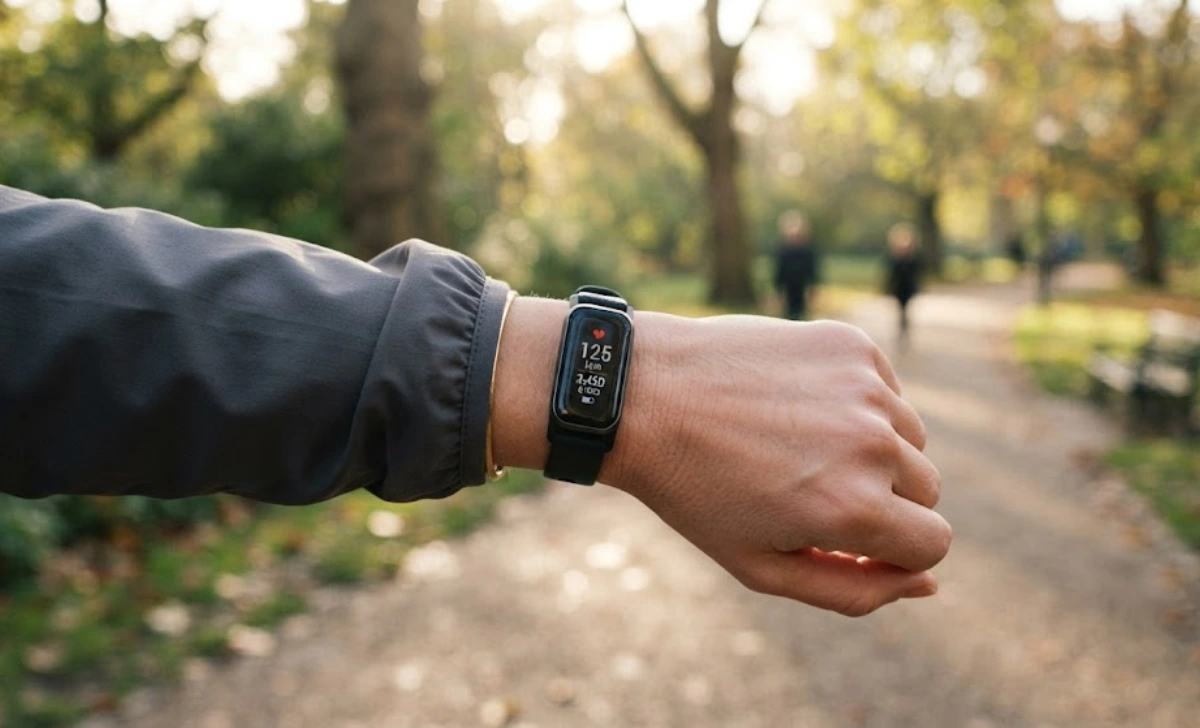
A fitness tracker might seem like it only counts steps. Its real value is the awareness that builds after weeks of watching that number.
When your watch taps your wrist to stand, it interrupts a sedentary stretch of your day. You notice how long you’ve been sitting. That nudge often leads to a short walk, and those moments add up over months.
These devices also reveal patterns in your body you couldn’t track alone. Watching your resting heart rate drop as your fitness improves signals that the effort is working, feedback a scale can’t offer.
Wearables connect to the bigger picture of preventive health too. Consistent activity data can flag changes worth mentioning to a doctor before they become serious.
The Transformative Role of Telehealth in Modern Preventive Care

Getting to a doctor’s office is hard when you’re busy or unwell. Telehealth has removed that barrier for a large number of people. You can get medical advice from a licensed provider without leaving your home.
Teladoc lets you describe symptoms over video in minutes. For minor illnesses or follow-up questions, this saves hours and keeps you out of crowded waiting rooms. Care starts fitting your schedule instead of the reverse.
This matters more for ongoing conditions. People managing chronic illness share daily health data with their provider without a constant string of office visits, catching small issues before they turn into emergencies.
Patients using remote monitoring tools report fewer hospital readmissions. Consistent check-ins catch problems early.
How Sleep and Nutrition Apps Help You Build Lasting, Healthy Habits
Sleep and food are personal, and willpower alone rarely fixes them. Technology offers awareness instead of commands.
A ring or sleep-tracking app works quietly while you rest. It records how long you spend in deep sleep and shows patterns you’d never catch on your own. Seeing that your late coffee correlates with a restless night gives you a reason to change.
Nutrition apps work the same way. Logging a meal in MyFitnessPal shows you what you actually ate, often different from what you assumed.
Over a few months, these small realizations add up. You start making better choices because you understand your own patterns.
What About Social Connection? Can Technology Truly Reduce Loneliness?
Scrolling through a feed can leave you more isolated than before. That experience is real, and it’s earned digital connection a bad reputation. But blaming the device misses what it can support when used with intent.
A video call with a parent who lives far away is a genuine social experience, not a lesser version of an in-person visit. The difference lies in whether you’re actively reaching out or passively watching a feed scroll by.
Online communities built around specific health conditions or life stages give people a place to be understood. Finding a group that gets exactly what you’re going through lowers isolation in a way your immediate surroundings sometimes can’t.
Family group chats and shared photo albums keep relationships alive across distance, closing a gap that used to be much harder to bridge.
Mindful Tech: A Simple Guide to Digital Wellness and Stress Reduction
These tools work only if you stay in control of them. Mindful use keeps the other benefits intact. Without it, passive habits creep back fast.
Start small. Turn on your phone’s focus mode during meals or after a set hour at night. This single change reclaims a chunk of your attention almost immediately.
A biofeedback device, like a heart rate variability sensor, shows you in real time how your breathing affects your nervous system. Relaxation becomes something you practice and measure, not just something you hope happens.
The goal isn’t constant use. Pick tools that serve a purpose, use them with a clear reason, and put them down once they’ve done their job.
Your Questions About Technology and Wellness, Answered
What’s the first and easiest wellness tech tool a beginner should try?
Start with a free breathing or mindfulness app on the phone you already own. Try a one-minute guided session with no commitment. You’ll get a quick sense of how technology can calm your mind, no purchase required.
Do I need an expensive smartwatch to see health benefits from technology?
No. Your phone’s built-in health app already tracks steps, activity, and even sleep if placed near your bed. A wearable adds convenience, but the core benefit comes from paying attention in the first place.
How much screen time is still healthy when using wellness apps?
It depends on intent, not minutes on a clock. Twenty minutes on a guided workout or therapy session is time well spent. Endless, unmindful scrolling is the pattern worth cutting.
Is online therapy as effective as seeing a therapist in person?
For many people and many types of therapy, yes. Research on video-based cognitive behavioral therapy shows results similar to in-person treatment for physical and mental health. The format that works best is the one you’ll actually keep showing up for, and online therapy removes several barriers to that consistency.
Conclusion
Technology doesn’t have to work against your health. Used with intention, your devices support mental clarity, physical activity, sleep, and connection. Pick one habit from this guide and try it today. The shift starts with that first small choice.