

You want medical alert devices Ontario seniors trust — but without the bulky, obvious look. Today’s devices look like jewelry, fitness watches, or tiny clips that no one notices. In this guide, you’ll find the most discreet options available in Ontario, what features matter most, and how to choose one that fits your daily life.
What Makes a Medical Alert Device Discreet?
When we talk about discreet, we mean a device that doesn’t announce itself as a medical tool. The most subtle designs blend into your outfit, your wrist, or your pocket without drawing attention. A small pendant on a short chain can sit completely hidden under a blouse or shirt.
Others prefer a clip-on sensor that attaches inside a waistband — invisible and out of mind. A medical alert watch often passes as a regular smartwatch, so nobody gives it a second glance. The colour, material, and how it attaches to your body all matter just as much as size.
Just as you’d want to optimize physical health with tools that fit naturally into your routine, your safety device should feel like a seamless part of daily life, not an intrusion.
In-Home vs. Mobile Medical Alert Systems: Which Is Right for You?

In-home systems use a base station paired with a small wearable button that works inside and around your home. Mobile systems use a GPS-enabled wearable with its own cellular connection, so help follows you wherever you go.
If you spend most of your time at home, an in-home system feels simpler and costs less per month. A mobile GPS device works in your house, in the car, and anywhere in Ontario with cellular coverage — and that extra freedom makes the choice easy for most active seniors.
Do Medical Alert Watches and Jewelry Really Work as Well as Pendants?
You might worry that a tiny watch or jewelry-style pendant delivers less protection than a larger button. That fear makes sense, but it’s no longer true. The internal components have shrunk dramatically, so even the most delicate device can house a speaker, a microphone, fall sensors, and a GPS chip.
You press the button, and within seconds, you’re speaking to a trained operator who knows your location and medical history. The technology inside a slim bracelet is the same technology powering the larger units — the shape doesn’t change the protection.
Why Ontario Seniors Are Switching to Discreet Alert Devices
Across the province, more older adults are moving away from traditional pendants toward options that feel like a natural accessory. It isn’t vanity; it’s dignity. When you still lead an active social life, you don’t want your safety tool to become the only thing people notice.
I’ve spoken to many families who said their parent refused to wear a device until they found one that looked like a silver bracelet. Once the device became invisible to others, it became acceptable to the wearer — and that matters more than any spec sheet.
What Should You Look for in a Discreet Medical Alert System?
Start by narrowing your list to devices that offer more than one wearing option. A system that includes a pendant, wristband, and clip lets you test what feels most natural. The best device is the one you’ll actually put on every single morning.
Water resistance is non-negotiable — look for an IP67 rating or higher, which means the device handles shower spray or brief submersion. Fall detection is equally important; a good sensor can automatically call for help even if you can’t press the button yourself.
How Much Do Medical Alert Devices in Ontario Cost?
Most private medical alert devices are not covered by OHIP, but monthly fees often work out to less than a daily coffee. In Ontario, you can expect to pay roughly $30 to $60 per month for a monitored service, depending on whether you choose in-home or GPS mobile protection.
Always ask for pricing in Canadian dollars and confirm there are no surprise activation or shipping fees. The trend today is toward month-to-month service with no cancellation penalty, which makes the decision far less stressful.
Top 5 Discreet Medical Alert Devices Available in Ontario
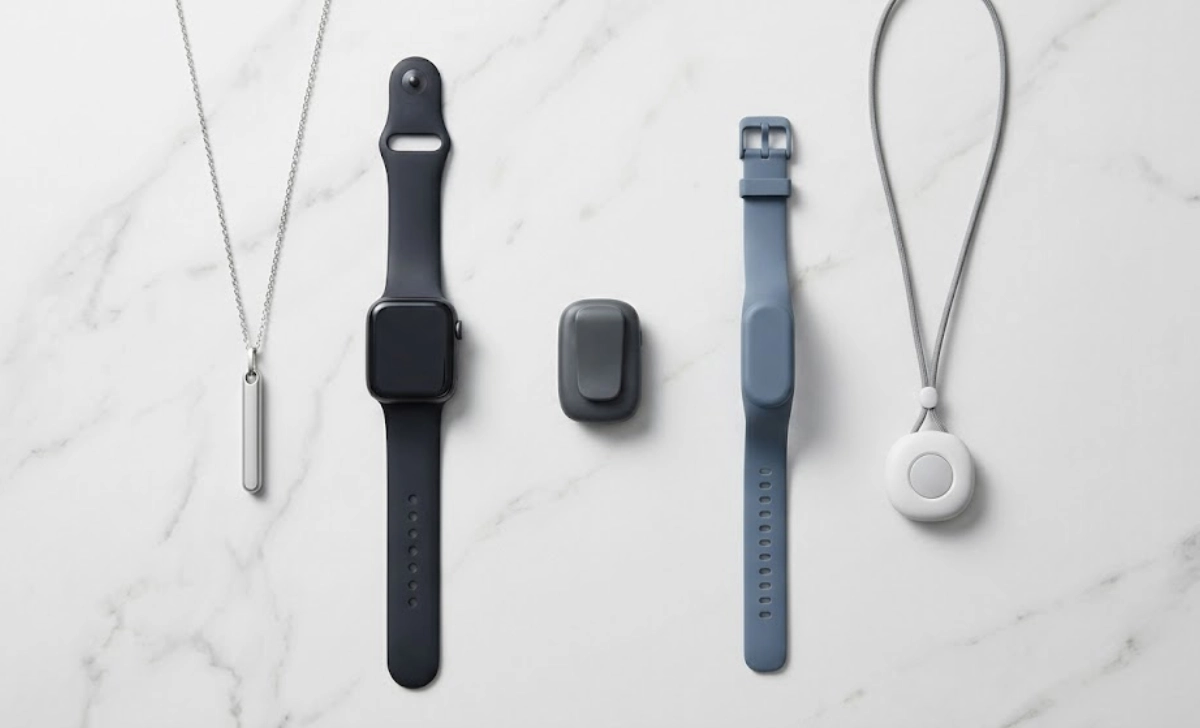
The Telus LivingWell Companion Go looks like a small black pendant on a lanyard or clip, connecting directly to Telus’ cellular network for excellent coverage across Ontario. The Medical Guardian Mini Guardian is smaller than a car key fob, packs in two-way voice and optional fall detection, and customers consistently note how light it feels.
The Bay Alarm Medical SOS Smartwatch looks like a basic digital watch to anyone nearby and includes a dedicated help button. Philips Lifeline GoSafe 2 offers a rounded pendant design with automatic fall detection and access to experienced Canadian monitoring centres. Finally, the QMedic wrist wearable uses soft silicone bands, feels comfortable all day, and sends proactive alerts to family members through an easy caregiver app.
Can You Get a Medical Alert System Without a Monthly Fee in Ontario?
Devices that promise no monthly fees are typically unmonitored gadgets that dial a pre-set list of relatives when pressed. They don’t connect you to a professional emergency operator — and if your loved one doesn’t answer, there’s no backup.
Instead of chasing zero fees, look for affordable monitored plans. Many Ontario-friendly providers now offer basic monitoring for under $30 a month, ensuring help is always dispatched without relying on a family member to pick up the phone.
How Cellular Coverage Affects Your Medical Alert Device in Ontario
In cities like Toronto or Ottawa, coverage is rarely an issue. But as you move toward rural Ontario or cottage country, the landscape changes quickly. The best devices use multi-carrier SIMs that hop between Rogers, Bell, and Telus depending on which signal is strongest.
Before you order, check the provider’s coverage map and ask whether they guarantee service in your specific postal code. Even in rural areas, some base station systems connect via landline or Wi-Fi as a backup — a quick call to support can clarify what will work at your address.
How to Set Up a Discreet Medical Alert Device for an Older Parent
Frame the device as a tool for independence, not a mark of decline. Unbox it together and read the simple setup card — most systems only require charging the wearable and making one test call. Do that first test call in the living room so the operator’s voice feels familiar, not startling.
Encourage your parent to wear the device for a few hours a day at first, then gradually build up to full-time use. Let them choose the wearing style that feels least intrusive. When they feel in control of the choice, the habit sticks naturally.
Are Discreet Medical Alert Devices Waterproof for the Shower?
Most discreet pendants and wristbands today are designed to get wet. A device you have to remove before showering is a device that won’t be there when you slip — manufacturers understand this. Look for an IP67 or IP68 rating so the speaker and microphone still work during an emergency.
Even with a water-resistant device, check the fine print on straps. Some wristbands use leather that doesn’t love water, though the module itself stays sealed. Opting for a silicone strap keeps everything fully shower-ready.
What Real Users in Ontario Say About Discreet Medical Alerts
People who’ve switched to a discreet design often describe the relief they didn’t expect. They no longer feel like they’re wearing a neon sign that says “senior at risk,” and many report that friends don’t even realize they’re wearing a medical device.
Much like simple habits that support your overall health and wellness, wearing a discreet device becomes second nature when it fits quietly into everyday life. Family members notice a difference too — when the device looks normal, the wearer actually keeps it on.
Which Is Better: A Medical Alert Bracelet, Pendant, or Clip?
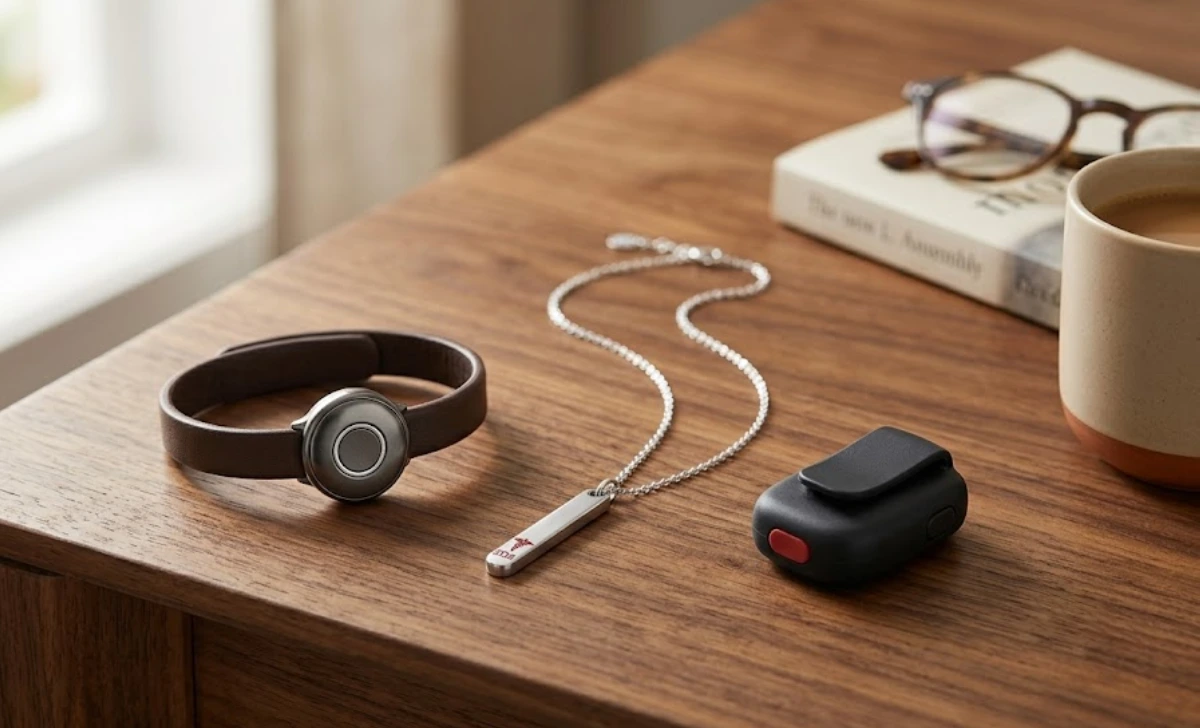
A pendant works beautifully if you prefer to tuck it under clothing and forget it. It stays close to your centre of gravity, which actually improves fall detection accuracy. A bracelet or watch style suits you better if you find necklaces irritating or if arthritis makes small clasps difficult.
A clip-on sensor is the most invisible option of all — it attaches inside a waistband or under a collar with nothing around your neck or wrist. Making it part of your daily self-care routine, like a regular wellness check, means you’ll never leave home unprotected.
Frequently Asked Questions
Will a discreet medical alert device work if I travel outside Ontario?
Yes, most GPS mobile devices work across Canada and in the United States. Confirm that roaming is included with your provider, and your protection travels with you wherever a cellular signal exists.
How long does the battery last on a small pendant or watch?
Most pendants and watches last between two and seven days on a single charge. Many devices send a low-battery alert so you never forget to top up before it runs out.
Can I wear my medical alert device on an airplane?
You can, though you may need to set the device to airplane mode during the flight. A quick call to your provider before the trip will clarify the exact steps to follow.
What if my discreet device gets lost — can it be tracked?
Most mobile units with GPS can be located through the caregiver app as long as the battery has power. If truly lost, your provider can deactivate it and help you get a replacement quickly.
Conclusion
Today’s discreet medical alert devices give you the same powerful connection to help, hidden in plain sight. Try a wearing style that feels natural, test the device in your own home, and don’t be afraid to switch if it doesn’t suit your routine. You can live your life fully — knowing one press of a hidden button is all it takes to bring help to your side.