
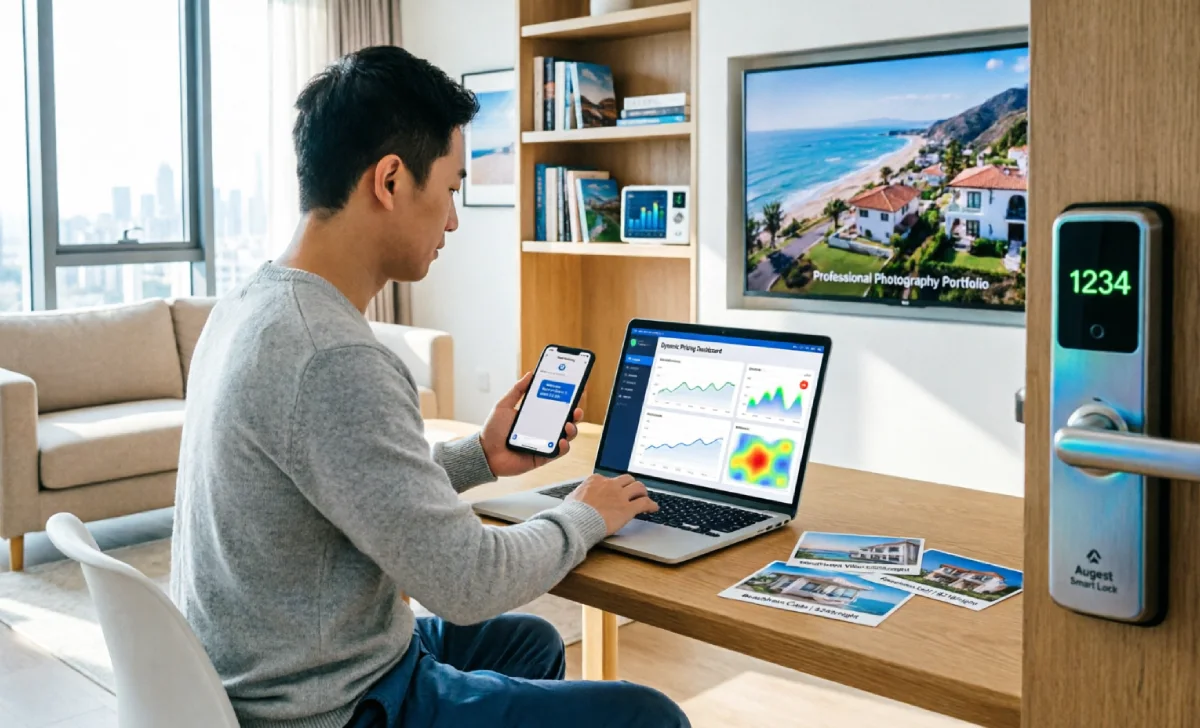
You’ve probably felt it—the vacation rental world looks nothing like it did five years ago. The way guests search, book, and experience a stay has quietly transformed while most hosts were busy simply keeping up. It’s not just about having a nice property anymore. The entire game has moved online, and the rules are being rewritten by smartphones, platforms, and smart devices that guests now treat as basic expectations.
In this article, you’ll discover the most important vacation rental market trends, why they happened, and simple steps you can take to keep your rental competitive and profitable. By the time you finish reading, you’ll have a clear map of the digital shifts that matter and a straightforward action plan that doesn’t require a tech degree or a huge budget.
What Has Really Changed in the Vacation Rental Market?
If you’ve ever wondered why hosting feels more complex and more connected all at once, the answer sits squarely in the digital transformation that swept through the entire travel industry. The vacation rental market didn’t just add websites and apps—it fundamentally rewired how guests discover properties, how they make decisions, and what they expect the moment they walk through your door.
This digital shift is the engine behind every other trend you’ll read about today. Understanding that is empowering, because once you see the big picture, all the separate trends start to connect into one manageable story. You’ll stop feeling like you’re chasing a hundred different changes and start seeing how they all flow from the same source.
How Did Online Travel Agencies Redefine the Entire Industry?
What most people don’t realize is that platforms like Airbnb, Vrbo, and Booking.com didn’t just give hosts a place to list—they completely reshaped traveler psychology. Suddenly, a guest in London could browse a treehouse in North Carolina, read reviews, and book it in seconds without a single phone call. That explosion of access created enormous opportunity, but it also quietly shifted control away from the individual host.
That’s why one of the most important vacation rental market trends right now is the growing awareness that you can’t build your entire business on rented land. The platforms are essential, but they’re also taking a significant commission and controlling the guest relationship. Your next step is learning how to balance their reach with something far more powerful: your own direct connection to guests.
The Rise of Direct Bookings and Your Own Brand

You might notice that the smartest hosts in your market aren’t panicking about algorithm changes or fee hikes, and there’s a simple reason: they’ve started building their own booking channels. The direct booking movement is not about abandoning Airbnb; it’s about making sure that if a platform disappears tomorrow, your past guests still know exactly how to find you.
This doesn’t mean you turn your back on the OTAs. It means you use their massive audience to bring guests in, and then you give those guests a reason to return directly. Even a simple step—like including a subtle card in your welcome guide that mentions your direct site—can shift the revenue balance over time. In a market defined by digital trends, owning a piece of the digital real estate is the ultimate move toward stability.
Why Is Dynamic Pricing Suddenly So Important for Hosts?
If you’ve ever stared at your calendar wondering whether to drop your rate or raise it, you already know that gut-feel pricing is exhausting. Learning how to determine a fair rental price with real data is the first step toward leaving the guesswork behind. The market has become too competitive and too data-rich for set-and-forget rates, and dynamic pricing has moved from a pro-level advantage to something every host needs to understand.
These tools aren’t about squeezing every last dollar; they’re about finding the sweet spot where guests feel they’re getting value and you’re earning what the market says your property is worth right now. It’s the difference between flying blind and having a dashboard that shows you exactly what’s happening in your neighborhood. In a digital-first market, data-driven pricing is simply the new common sense.
Contactless Check-In: The New Standard for Safety and Convenience
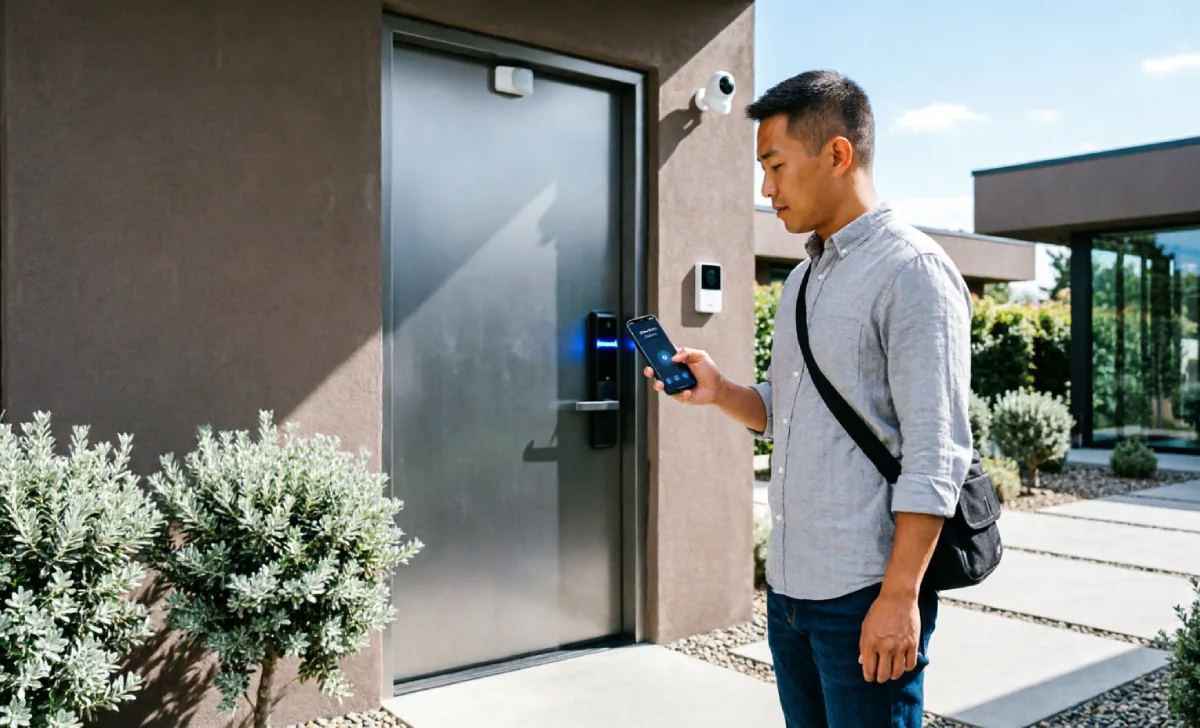
The travel industry’s pivot to contactless experiences was accelerated by the pandemic, but it has settled into a permanent guest expectation that has everything to do with convenience. Today’s travelers value the freedom to arrive on their own schedule, skip awkward key exchanges, and walk into a space that feels ready and private from the first moment.
The technology needed is simpler than many hosts assume. A smart lock, reliable WiFi, and a short automated message that arrives with the door code and WiFi password the morning of check-in cover the essentials beautifully. When you combine this with a digital guidebook, you’ve created an arrival experience that rivals any high-end hotel while keeping all the personality of a unique rental.
AI and Automation: Your 24/7 Guest Communication Assistant
You probably know the dread of waking up to a string of messages asking about the WiFi password or how to work the TV. AI and simple automation can now handle those repetitive questions instantly, even while you’re asleep, keeping response rates high and your stress low. This isn’t about replacing your warmth; it’s about freeing you to focus on the guest interactions that actually need your personal touch.
The emotional benefit for you is significant. Instead of feeling tethered to your phone, you can trust that guests are taken care of while you enjoy a dinner out or a full night’s rest. When guests receive instant, helpful answers, they feel supported, and that sense of reliability is a huge part of what makes a stay memorable. You get to be the thoughtful host without burning yourself out.
The Mobile-First Guest and the New Booking Experience
A staggering percentage of bookings now originate on a smartphone screen, often while a traveler is commuting or lounging on the couch. This mobile-first behavior changes everything about how you should present your property, because what looks beautiful on a desktop can feel clunky and frustrating on a phone.
Open your own listing on your phone and notice how the photos crop and how much text is visible before a scroll. Small adjustments—like paying attention to how you take listing photos so they shine on small screens, using vertical orientations, and making sure that first image pops at thumbnail size—can lift your conversion rate noticeably. Platforms like the Airbnb app already optimize a lot, but your content needs to work with that flow.
What Do Digital Age Guests Really Expect from Your Property?
If you look at recent reviews in your area, you’ll notice that guests are mentioning things that barely existed a decade ago. Fast, reliable WiFi is no longer a nice extra; it’s as basic as running water for the growing number of remote workers and streaming-hungry families. A dedicated workspace, even if it’s just a small desk with good lighting, now shows up in wish lists and five-star praise.
The emotional truth behind these expectations is simple: travelers are tired. They want a stay that feels restorative, not one that requires problem-solving. When you provide strong WiFi, a comfortable work nook, and a space that just works, you’re giving them the peaceful experience they’ve been craving. That emotional payoff inspires glowing reviews and repeat visits.
Digital Marketing Beyond the OTA: Social, SEO, and Email
If Airbnb and Vrbo disappeared tomorrow, would your past guests know how to find you again? For many hosts, the answer is an uncomfortable no. One of the quietest but most powerful vacation rental market trends is the realization that a diversified marketing strategy is no longer optional—it’s the safety net that lets you sleep well at night.
Email is the quiet workhorse. Collecting guest emails—with permission, through a welcome guide or a post-stay thank-you—lets you reach out when you have a last-minute opening or a special offer. It’s a direct line to people who already love your space and are most likely to book again. Start small. Just one channel, done consistently, can begin to build a brand that outlasts any algorithm change.
Are Sustainability and Green Tech Really a Market Trend?
You might be skeptical that eco-friendly practices actually move the booking needle, but travel surveys consistently show that a growing number of guests prefer stays that align with their values. Sustainability in the vacation rental market isn’t about grand gestures; it’s about the thoughtful, visible choices that make guests feel good about where they’re spending their money.
The beauty is that many sustainable upgrades also save you money over time. LED lighting, efficient appliances, and better insulation all reduce operating costs. When you mention these features gently in your listing—without preaching—you attract a segment of travelers who often leave more thoughtful reviews and treat properties with extra care. It’s a quiet trend that rewards both your conscience and your calendar.
What Should You Do Next? A Simple Action Plan for Hosts
Now that you’ve seen how the digital age has reshaped the entire vacation rental market, the most important thing is to avoid overwhelm. You don’t need to implement everything at once. The hosts who win in the long run are the ones who take one or two high-impact steps and build momentum steadily.
After that, pick the next trend that speaks to you most. Maybe it’s setting up a simple direct booking page. Maybe it’s starting an email list. The key is forward motion, not perfection. The digital age isn’t slowing down, but you don’t have to sprint—you just have to keep walking, one smart step at a time.
FAQs
What is the single most important vacation rental trend for a small host to focus on right now?
If you only have time for one change, prioritize dynamic pricing and a smart lock. Together, they improve guest experience and revenue with very little daily effort, which frees you up to tackle everything else.
Do I need to list my property on every booking platform to stay competitive?
No, you don’t need to be everywhere. List one or two major platforms that perform well in your area while building a direct booking presence. Quality across a few channels beats spreading yourself thin across many.
How much does smart home technology cost for a typical two-bedroom rental?
A reliable smart lock starts around $150, and a good thermostat around $200. Many hosts begin with just the lock and see immediate benefits, adding other devices slowly as confidence and budget allow.
Are direct bookings truly better than relying on Airbnb and Vrbo?
Direct bookings let you keep more revenue and build guest relationships, but they work best alongside platforms, not instead of them. Think of it as a long-term strategy that strengthens your business over time.