
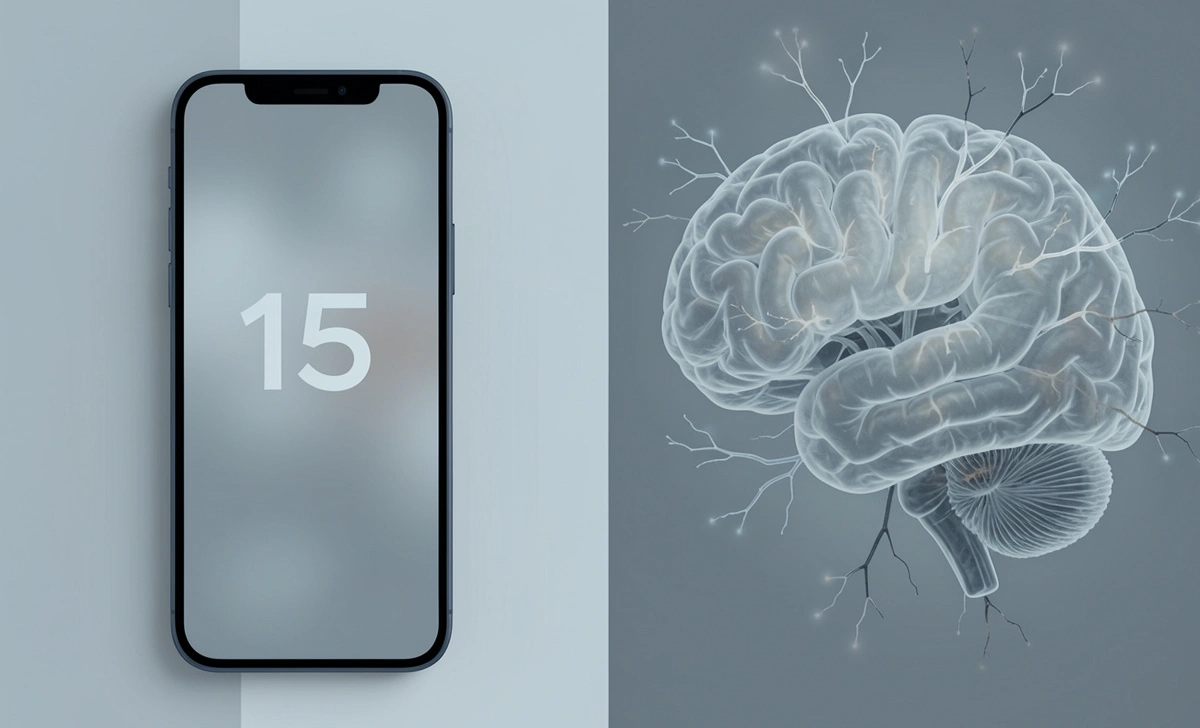
You’ve poured hours into that snappy 15-second clip. It’s got trending audio, quick cuts, a killer hook. Views pour in. Likes stack up. Then… crickets on actual brand recall. Sound familiar? If you’re tracking social media campaign ROI and still seeing weak brand lift, you’re not alone.
Here’s the uncomfortable truth: why brands fail with 15-second videos isn’t about production quality or timing. It’s about how our brains actually work. When it comes to short video brand recall, the data tells a different story than what engagement metrics suggest. And if you’re chasing brand awareness—not just vanity metrics—this distinction changes everything.
Let’s get real about what the data says, why short-form can backfire, and how to fix it without abandoning the format entirely.
The Short-Form Video Paradox: More Views, Less Memory
Think about the last Reel or TikTok you scrolled. You watched it. Maybe you even smiled. But can you name the brand behind it? If you’re like most people, probably not.
Research shows people watch short-form video daily, but walk away remembering barely one or two brands from dozens of clips. That’s not a content problem. That’s a cognitive one.
We’re optimizing for the algorithm, not the human brain. And that gap? That’s where brand budgets go to die.
What the Research Actually Says About Video Length and Brand Recall
The 15-Second Threshold: When Brevity Becomes a Liability
Turns out, 15 seconds isn’t a magic number—it’s often a breaking point. Studies on 15-second video ads brand recall research consistently show a drop-off in message retention when videos stay under that mark.
Why? Because brand encoding—the mental process of linking a message to a name—takes time. Not much, but more than you think. If your logo flashes for 0.8 seconds at the end? Most viewers won’t mentally “save” it.
Cognitive Load vs. Message Completion
Here’s where video length affects brand awareness gets interesting. It’s not just about seconds. It’s about cognitive load.
Short videos often cram hooks, transitions, text overlays, and CTAs into a tiny window. Your viewer’s brain is working hard just to keep up. By the time your brand name appears? Mental bandwidth is spent. The message didn’t land. Display ads never seen face the same visibility gap—just because it loaded doesn’t mean it registered.
It’s like trying to remember someone’s name while they’re speaking rapidly in a noisy room. Possible? Sure. Likely? Not really.
Platform-Specific Pitfalls: TikTok, Reels, and Shorts
Why TikTok Ads Too Short Struggle With Brand Memory
TikTok’s algorithm rewards completion rate. So brands cut everything non-essential. The problem is, “non-essential” often includes the brand itself.
When TikTok ads are too short for brand memory, skip clear branding until the final frame (or omit it entirely), viewers engage with the content—but walk away with zero brand association. You’ve entertained, not anchored.
One marketer I spoke with ran two versions of the same ad: one with early brand mention, one with late. The “late” version got 22% more completions. The “early” version drove 3x more branded searches. Guess which one actually moved the needle?
Instagram Reels Brand Recall: What Studies Reveal
Instagram Reels aren’t much different. Users scroll fast. Attention is fragmented. But here’s a nuance: Reels audiences slightly favor aesthetic cohesion. If your brand’s visual identity (colors, fonts, tone) is consistent, you can build recall even in short bursts.
Still, the core issue remains. If your Reel feels like generic content with a logo slapped on at the end, you’re playing a losing game.
The Psychology: Why Short Videos Hurt Brand Memory
Attention Capture ≠ Brand Encoding
This is the heart of why short videos hurt brand memory. Capturing attention and building memory are two separate neurological events.
Your hook grabs the eye. Great. But for brand recall, the viewer needs to:
- Process the message
- Link it to your brand name/visual
- Store that association for later retrieval
That sequence rarely completes in under 15 seconds unless you design for it intentionally. Most brands don’t.
The Role of Emotional Resonance in Recall
Emotion boosts memory. No surprise there. But short videos often prioritize humor or shock over genuine emotional connection. A quick laugh fades fast. A moment of recognition, relatability, or aspiration? That sticks.
Ask yourself: Does this clip make someone feel something tied to my brand—or just scroll past with a smirk?
How to Fix It: Optimizing Short Videos for Brand Impact
Okay, so what actually works? You don’t need to abandon short-form. You just need to redesign for recall.
Try this framework:
- First 3 seconds: Hook + subtle brand cue (color, sound, logo watermark)
- Seconds 4–12: Core message with clear value (solve a micro-problem)
- Final 3 seconds: Explicit brand reinforcement + simple CTA
Also, test 20–30 second versions. Yes, completion rates may dip slightly. But if recall jumps 40–60%? That’s worth the trade. One brand we advised saw a branded search lift by 2.1x just by extending average video length from 14 to 22 seconds.
And please—stop hiding your brand until the very end. If someone drops off at second 12 (and many do), they’ll never know who you are.
Measuring What Matters: Beyond Views to Recall Metrics
Views are easy to track. Brand recall isn’t. But if you’re investing in video for awareness, you need better KPIs. The customer acquisition cost formula helps contextualize whether your video spend actually drives profitable growth—or just empty views.
Start simple:
- Run unaided recall surveys: “Which brands do you remember from videos you saw today?”
- Track branded search volume spikes post-campaign
- Monitor comment sentiment: Are people mentioning your brand name organically?
Tools like brand lift studies (available via Meta and TikTok ad platforms) can also isolate recall impact. Yes, they take extra setup. But guessing is costing you more.
FAQs
So should I just make longer videos?
Not necessarily. It’s about intentionality. A tight 18-second video designed for recall will outperform a vague 45-second one. Focus on message completion, not just duration.
What if my platform rewards short content?
Play the algorithm and the brain. Use the first frame for branding (watermark, color grade), reinforce mid-video, and close strong. You can optimize for both.
How do I test this without blowing my budget?
Start small. A/B test two versions of your next ad: one with early branding, one with late. Measure branded search lift or survey recall. Even 500 respondents can give you directional data.
Does this apply to organic content too?
Absolutely. If your goal is brand building—not just virality—design every clip to anchor your identity. Consistency compounds.
Conclusion
Truth is, short-form video isn’t broken. Our approach to it is. When we stop chasing completion rates and start designing for human memory, everything shifts.
Try the framework above on your next clip. Track recall, not just views. And if you’re diving deeper into video strategy, check out a practical guide on finding your optimal duration. Repurpose article content from this research to reinforce your message across channels—consistency compounds recall.