
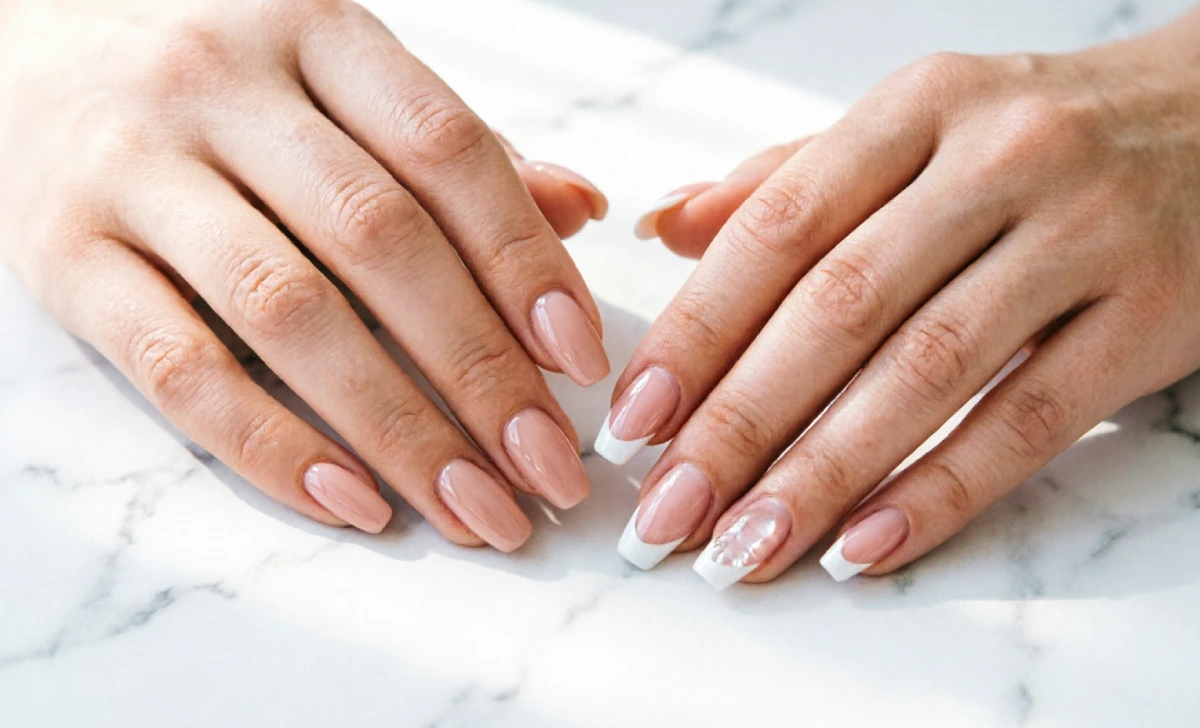
The debate around gel vs acrylic nails is real — you’re holding the nail menu, staring at two words that seem simple but hide a world of difference. Your appointment is in ten minutes, and you still don’t know which one to pick. You’re not alone in this tiny moment of salon-chair panic.
Both are nail enhancements that can give you a beautiful, lasting manicure. You don’t need a chemistry degree — just a few honest minutes with someone willing to skip the sales pitch. By the time you finish reading, you’ll know exactly which one your hands are asking for.
What Are Acrylic Nails, Exactly?
Acrylic nails have been a salon staple for decades, and there is a real reason they never go away. The system uses two parts: a liquid monomer and a fine powder polymer. When your nail technician dips a brush into the liquid and then the powder, a chemical reaction begins instantly.
That reaction creates a moldable bead that hardens in open air without any lamp needed. The technician shapes it over your natural nail, using either a plastic tip for length or a form for a sculpted look. What you end up with is a hard, protective shell — almost like a tiny suit of armor on each finger.
The sharp smell you associate with nail salons comes directly from the monomer. In a properly ventilated space, it is completely manageable. Understanding this liquid-plus-powder system makes everything else about acrylics easy to follow.
What Are Gel Nails and How Do They Work?
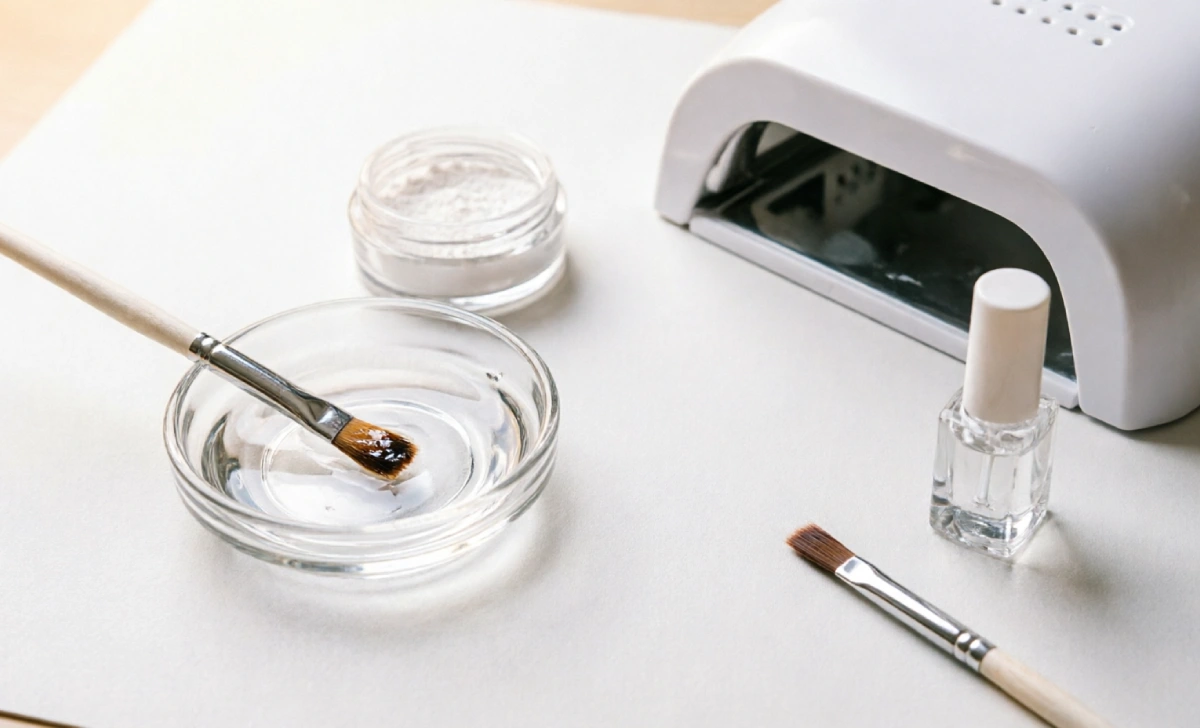
Gel nails take a completely different path to reach a similar goal. Instead of air-cured powder, gel is a thick, honey-like substance that stays wet and workable until a specific type of light hits it. When your nail technician slides your hand under a UV or LED lamp, the gel transforms into a solid, glossy finish in about thirty to sixty seconds.
There are two main types you might encounter. Soak-off gel polish is softer and known for its natural, glossy finish. Hard builder gel is tougher, used to create real length and structure, with a slight flex that mimics your natural nail.
What’s the Main Difference Between Gel and Acrylic?
Strip away the salon talk, and the real difference lives at the chemical level. Acrylic forms when monomer and polymer react in open air, creating long, rigid chains that lock into a rock-hard network. Gel forms its structure only when light hits it, producing a tighter but more flexible result.
Think of acrylic as a ceramic plate and gel as a strong, flexible credit card. This single difference ripples out into everything else you care about — how they feel when you type, how your natural nail responds, and how tricky removal will be.
Which Lasts Longer, Gel or Acrylic Nails?
Acrylic nails generally hold the edge in pure longevity because that rigid structure resists chipping even under rough conditions. If you work with your hands or are hard on your manicure, you might squeeze an extra week out of acrylics.
Gel nails are no lightweight either, typically lasting two to three weeks before needing a fill. Their flexibility works in their favor, bending slightly with your nail instead of popping off under pressure. What shortens the lifespan of either system is usually your nail growth rate and daily habits, not the product itself.
Both need maintenance every two to three weeks as your natural nail grows out. Skipping fills leads to lifting, water trapping, and breakage — regardless of which system you chose.
Are Acrylic Nails Harder on Your Natural Nails?
This is the question hiding in the back of every first-timer’s mind, and the honest answer might genuinely relieve you. Acrylic nails themselves do not destroy your natural nail plate. The damage you have heard about almost always comes from aggressive removal, over-filing, or peeling them off at home.
What actually happens is that your natural nail becomes temporarily softer because it has been covered and cut off from normal moisture exchange. A nail technician who rushes removal and attacks your nail plate with a coarse e-file is the real villain in most damage stories.
Gel carries similar risks if someone peels it off before the acetone has done its job. Both systems demand care during removal. Ask your technician to use a fine-grit band and soak thoroughly rather than drilling straight to your natural plate.
Why Does Acrylic Smell So Strong, and What About the Gel Heat Spike?
The strong, almost clinical smell near an acrylic station comes directly from the monomer liquid. It is a normal part of how the product cures and dissipates quickly in a space with good ventilation.
Gel brings a completely different sensory surprise. During curing under the lamp, you might feel a brief wave of warmth — called an exothermic reaction — that passes within seconds. Nobody warns first-timers about it, but it is completely safe.
If the acrylic smell bothers you deeply, gel offers an odor-free experience. If sudden warmth makes you uncomfortable, let your technician know, and they can adjust the curing speed.
How Much Do Gel and Acrylic Nails Really Cost?
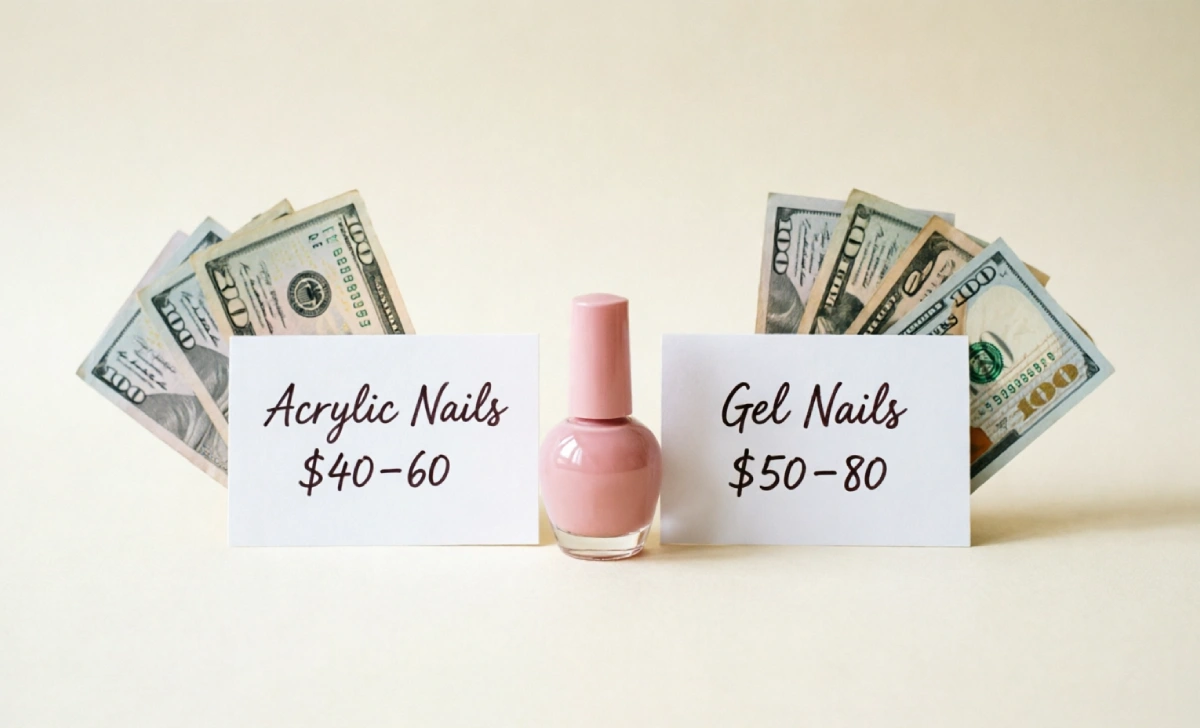
A full set of acrylic nails typically ranges from $35 to $60, depending on location and salon level. Gel nails often start a little higher, around $45–$75 for a full set.
What those numbers hide is the ongoing maintenance cost every few weeks. Acrylic fills usually cost less than gel fills, so over six months, the budget gap can widen noticeably in acrylic’s favor. Removal also carries a fee, and gel removal often takes longer.
The real question is not which costs less on day one, but which fits your long-term beauty budget without stressing you out every time you book a fill.
How Do You Remove Gel vs. Acrylic Nails Without Destroying Your Nails?
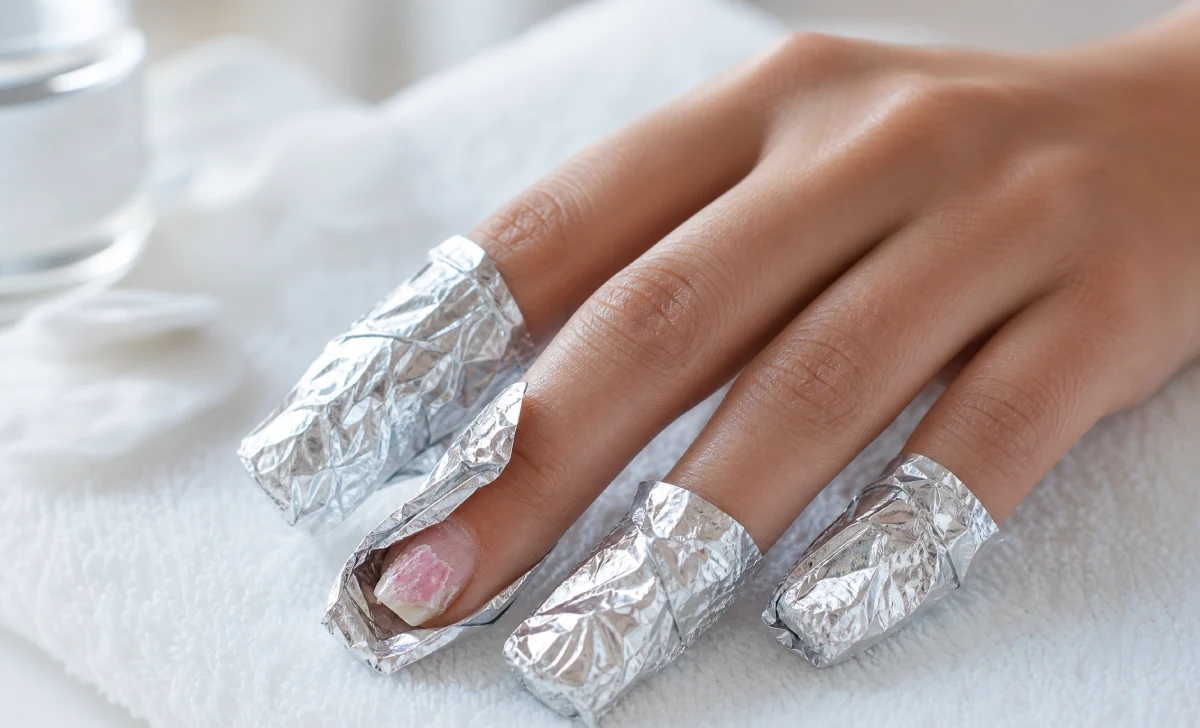
Removal is where most natural nail damage actually happens. Acrylic nails are best removed by soaking cotton in pure acetone, placing it on each nail, and wrapping it in foil. After fifteen to twenty minutes, the product softens and can be gently pushed off without scraping.
Soak-off gel follows the same acetone and foil method. Hard builder gel does not dissolve in acetone and must be carefully filed off by a skilled technician — not something to attempt at home. The single worst thing you can do is peel or pop off any enhancement before it is ready, as layers of your nail plate can tear away with it.
Which Nail Enhancement Is Better for Nail Biters, Typists, and Busy Hands?
Your daily habits deserve a loud voice in this decision. Nail biters often find real success with acrylic because the hard, thick structure makes biting genuinely difficult. The unyielding surface acts as a physical barrier that can help break the habit by removing the satisfying sensation.
If you spend eight hours a day typing, the softer flexibility of gel may feel more natural against the keys. People who work with water constantly — nurses, hairstylists — also lean toward gel because the sealed surface resists lifting better under steady moisture exposure.
Think honestly about what your hands actually do all day, not what you wish they did. Let that reality steer your choice toward the system that respects your lifestyle rather than fighting it.
Your Personalized Gel or Acrylic Choice in 60 Seconds
If you want a more natural look, a flexible feel, and a gentler removal process, then gel is calling your name. The odor-free application and glossy finish make it a favorite for anyone who wants strength without bulk.
If you prioritize maximum durability, a lower long-term cost, and serious length that doesn’t budge, acrylic is your match. The rigid structure holds up to rough treatment and gives nail biters the hard stop they need.
There is no wrong answer here — only the one that fits your hands, your schedule, and your comfort level best.
FAQs
Can I be allergic to gel or acrylic nails?
Yes, allergic reactions to acrylates in both systems are possible. Symptoms include redness, itching, and small blisters around the nail. If you notice these signs, remove the product and see a dermatologist promptly.
Is it safe to get gel or acrylic nails while pregnant?
There is no definitive evidence that properly applied enhancements pose a significant risk during pregnancy. However, the strong monomer smell may trigger nausea, so a well-ventilated station or gel application can be a more comfortable option.
How do I find a nail tech who won’t damage my nails?
Look for a technician who discusses removal before application and never makes you feel rushed. A good sign is someone who answers your health questions patiently and shows their sanitation practices without hesitation.
Can I put a gel top coat over acrylic nails?
Absolutely — many people do exactly this to get the glossy gel finish over acrylic’s strength. The gel top coat cures under the lamp just like a full gel set, giving you the best of both worlds.
Conclusion
Every set of nails starts with a decision, and the right one depends entirely on how you live. Gel offers flexibility, a natural finish, and a gentler experience. Acrylic brings unmatched durability, budget-friendly fills, and the power to build serious length.
There is no universal winner — only the choice that slips seamlessly into your life. Walk into your next appointment with the quiet confidence of someone who has done their homework.