
You have probably sat in the barber chair feeling completely lost when asked if you want a taper or a fade. Understanding the taper vs fade difference is simpler than it sounds — both styles use shorter sides, but the execution and final look are completely different. By the end of this guide, you will know exactly what to choose and walk out with the haircut you actually wanted.
What Exactly Is a Taper Haircut?
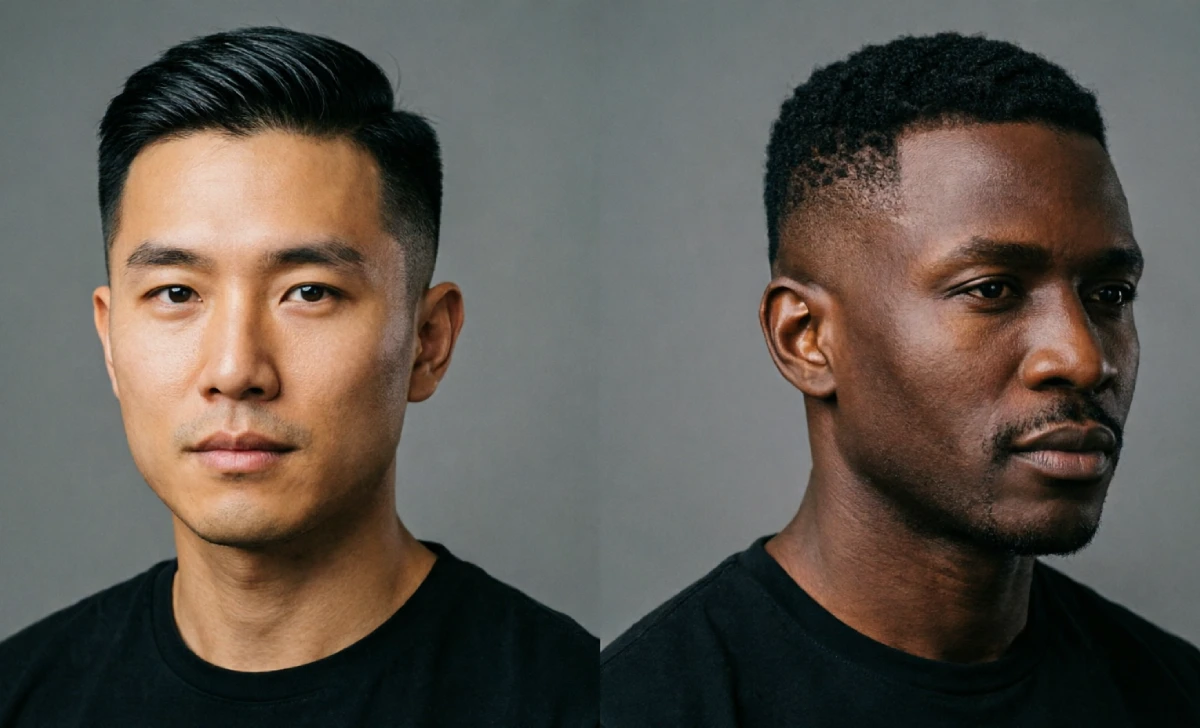
If you want a clean look that still keeps some length on the sides, a taper is likely your best choice. This style gradually shortens the hair as it moves down toward your neck and ears. The key detail is that the hair never fully disappears into the skin.
A taper leaves a neat, finished edge around your natural hairline and sideburns. This subtle transition creates a professional appearance that grows out gracefully over time. It is the perfect choice for the office or everyday casual life.
Your barber achieves this look by using progressively smaller clipper guards as they move down your head. They blend the longer hair on top into the shorter sides without dropping all the way to zero. The result is a soft, natural gradient rather than a harsh contrast.
Because the hair stays slightly longer at the bottom, the grow-out phase is very forgiving. You will not need to rush back to the barbershop the moment your hair starts growing. This makes the taper a highly practical choice for guys who want to look sharp without constant effort.
How Does a Fade Haircut Differ?
A fade takes that same concept of blending and pushes it to the extreme. Instead of stopping above the skin, the hair blends down until it disappears. This creates a striking, high-contrast look that is bold and modern.
The visual impact of a fade is much sharper than that of a standard taper. Your barber will use clippers without a guard to get that skin-tight finish at the bottom. The transition from bare skin to longer hair on top happens over a very short distance.
This style works perfectly if you want a fresh, edgy appearance that really stands out. It draws the eye upward and puts full focus on the hair left on top of your head. You will actually feel a noticeable breeze since the sides are completely bare.
However, the contrast fades quickly as the hair starts to grow back. A visible line of demarcation appears after just one or two weeks of growth. This means you need to commit to visiting the shop frequently to keep it looking crisp.
Key Differences at a Glance
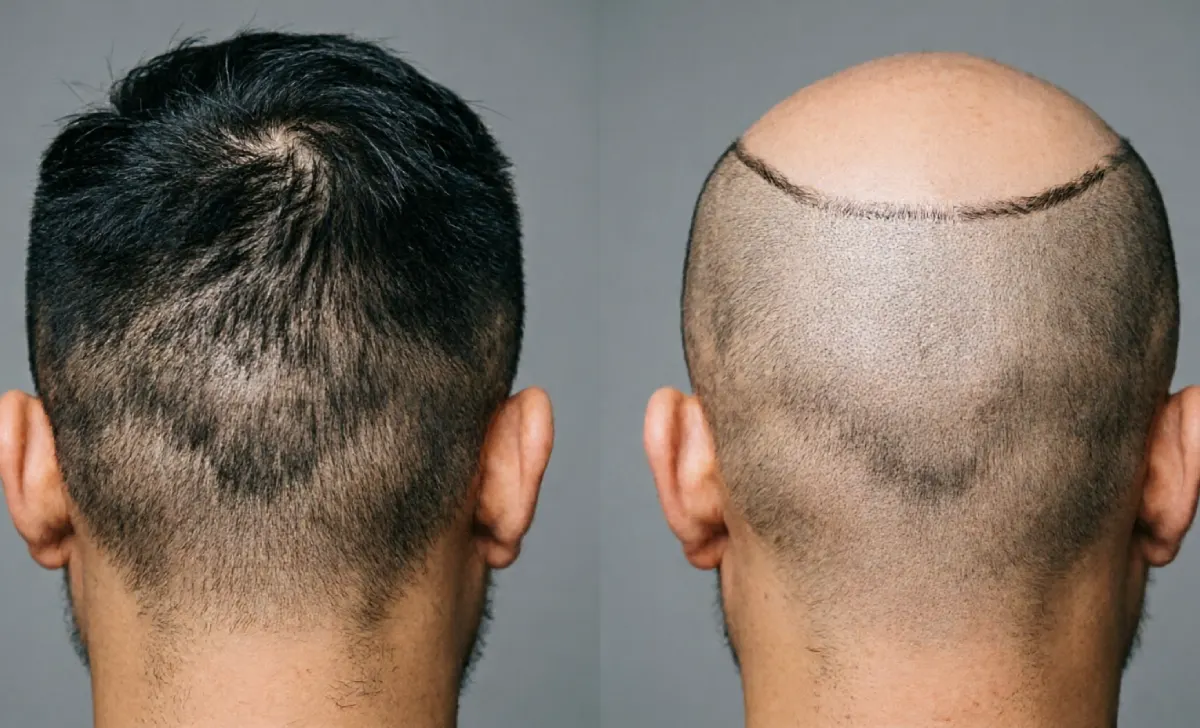
The real differences between these two styles come down to length, skin exposure, and overall boldness. A taper is all about subtlety, keeping the hairline intact, and maintaining a softer transition. A fade is about high contrast, bare skin, and making a strong visual statement.
At the neckline, a taper follows your natural hair growth pattern. The barber cleans the edges and blends the hair above them, leaving the neck relatively covered. A fade often features a completely bare neckline that fades upward into the rest of the cut.
The clipper guards also tell a very different story. A taper typically stops at a number one or a zero-and-a-half guard at the very bottom. A fade drops all the way to a bare blade, literally touching the skin to create that seamless vanish.
The grow-out process is perhaps the most practical difference in daily life. A taper looks perfectly fine for several weeks as the blended lengths grow out naturally. A fade will look blurry and lose its sharp contrast within just a few days of growing out.
Which Style Should You Choose for Your Face Shape?
Choosing the right style is about what actually flatters your specific features. Your face shape plays a massive role in whether a subtle taper or a bold fade will look best on you. Let’s look at how these cuts interact with different head shapes.
If you have a round face, you want to add height and keep the sides close to the head. A high fade works beautifully here because it removes width from the sides, making your face look longer and leaner. A taper might leave too much bulk, which can emphasize the roundness even more.
Guys with square or rectangular faces can pull off almost any style they want. A classic low taper softens the sharp angles of your jawline without losing your natural structure. You can also go for a mid fade if you want to emphasize those strong, masculine features.
Those with an oval face shape, you have the most versatile canvas to work with. Both a taper and a fade will look balanced and proportional on your symmetrical features. You can easily switch between the two styles depending on whether you want a conservative or edgy look.
If you have a longer or oblong face, avoid adding too much height on top. A low taper is your best friend here because it keeps the sides slightly fuller, helping to balance your face length. A high fade will make your head look even longer by removing all the visual weight from the sides.
How Do You Ask Your Barber for the Perfect Cut?

Knowing the difference is only half the battle — communicating it clearly is where most guys fall short. You need to be specific about where you want the hair to start tapering or fading on your head. Using the right words will save you from barber chair regret.
Start by telling your barber how short you want the top to remain, since this sets the foundation for the whole cut. Then specify if you want a taper or a fade, and immediately follow up with the starting point. You can request low, mid, or high placement depending on how dramatic you want the transition.
If you are asking for a taper, clarify what you want done with your natural hairline and sideburns. You can ask to keep the sideburns thick and natural, or request a clean, sharp edge around the ears. Pointing to the exact spot on your head where you want the shortest part is incredibly helpful.
Never be afraid to bring in reference pictures of someone who has a similar hair texture and face shape to you. A picture instantly aligns your vision with your barber’s understanding. It removes all the guesswork and guarantees you both are aiming for the same final result.
Maintenance and Upkeep Requirements
Your haircut will only look as good as the effort you put into maintaining it. Both tapers and fades require some daily styling to keep them looking sharp and intentional. However, your barbershop visit frequency will differ drastically depending on which style you choose.
If you opted for a fade, plan to see your barber every two to three weeks. The contrast of bare skin against longer hair becomes obvious the moment stubble starts growing back. Scheduling your appointments consistently is the only way to keep that fresh-out-of-the-shop look alive.
A taper is incredibly forgiving and can easily go four to six weeks between cuts. The gradual blend means that as the hair grows, it just looks like a slightly longer, natural haircut. This makes it the ideal low-maintenance choice for busy guys who want to look sharp every day.
At home, invest in the right styling products to get the most from your chosen cut. A high-quality matte clay or styling paste adds great texture and separation to the hair on top. Avoid heavy, greasy pomades that weigh your hair down and ruin the clean silhouette.
What Are the Most Popular Variations of Both Cuts?
Once you know the basics, there is a whole world of variations to explore within these two styles. Barbers have gotten incredibly creative with placement, shape, and transition levels. Knowing these options gives you even more ways to personalize your look — check out different hair styles for even more inspiration on what works with short-sided cuts.
The low taper fade is arguably the most popular hybrid style in modern barbershops today. It combines the natural, professional look of a taper around the ears and sideburns with a subtle fade at the very bottom of the neck. This gives you the best of both worlds without going too aggressive.
A skin taper takes the subtle approach of a taper but drops the very bottom edge down to bare skin. This creates a sharp, clean edge around the ears while keeping the sides slightly fuller than a traditional fade. It is a great option if you want an edge without going fully bald on the sides.
For fade lovers, the drop fade curves downward behind the ear and follows the natural contour of your head perfectly. This creates a unique, dynamic shape that adds real artistry to your haircut. A standard straight-across fade simply cannot match the visual depth of a well-executed drop fade.
You can also change the vibe completely by experimenting with length on top. Pairing a taper with a messy textured crop gives off a relaxed, European feel. Combining a high fade with a slicked-back pompadour delivers a bold, classic gentleman look that genuinely commands attention.
FAQs
Is a taper better for a receding hairline?
Yes, a taper is generally much better for a receding hairline because it keeps more weight and texture around the sides. This helps balance the forehead and draws less attention to thinning areas on top. A high fade can sometimes exaggerate a receding hairline by removing all visual weight from the sides.
How long does a fade last before it needs a touch-up?
A fade typically lasts about two to three weeks before the contrast starts looking blurry and grown out. Because the hair is cut down to bare skin, even a few millimeters of growth ruins the sharp transition. Regular barber visits every couple of weeks are essential to keep it perfectly fresh.
Can you combine a taper and a fade into one haircut?
Absolutely, and the taper fade is actually one of the most requested styles in modern barbershops today. This hybrid approach uses a taper around the ears and sideburns while dropping into a fade at the back of the neck. It gives you a clean, detailed finish while keeping the overall look slightly more natural and forgiving.
Conclusion
Choosing between a taper and a fade comes down to how bold you want your look to be and how much maintenance you are willing to handle. A taper offers a subtle, professional, and low-maintenance style that grows out beautifully over time. A fade delivers a sharp, high-contrast aesthetic that needs frequent shop visits to stay fresh.
You now have everything you need to walk into any barbershop and confidently ask for exactly what you want. Consider your face shape, hair texture, and daily lifestyle before making your final call. If you are still exploring style ideas, your barber can help you find the perfect look for 2026. Whichever style you choose, you are guaranteed to walk out looking and feeling sharp.