
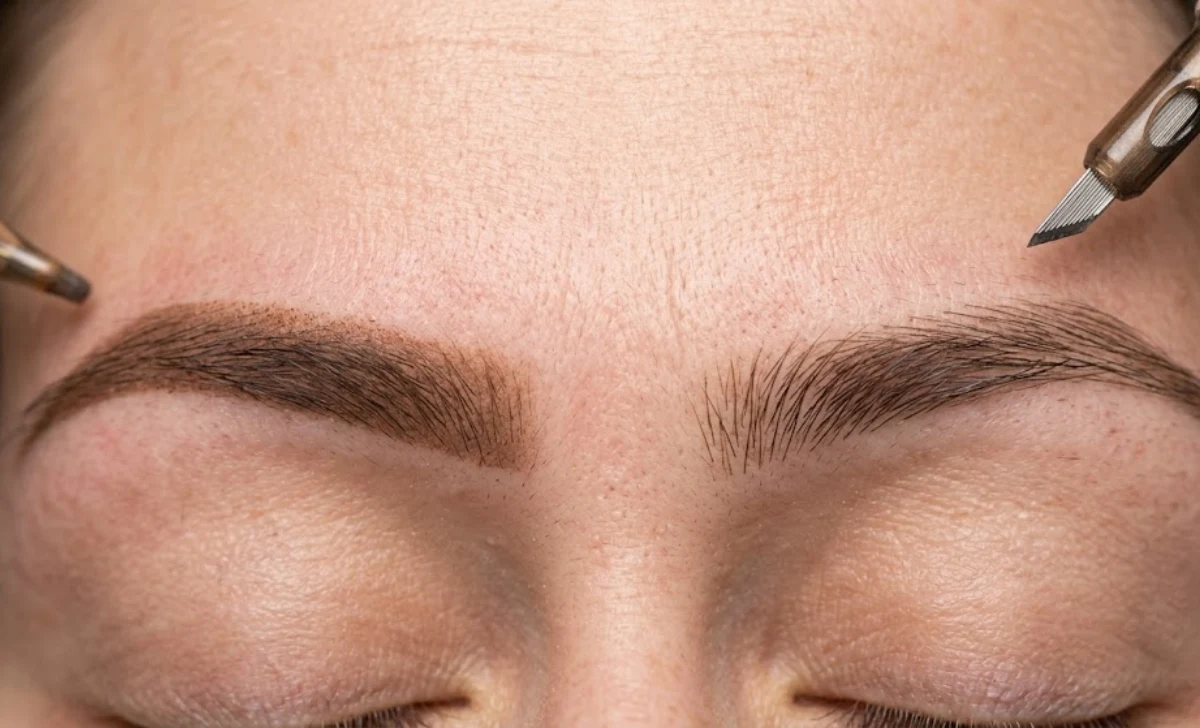
Brow pencil in hand, you’re staring into the mirror, wondering if today’s the day you finally book a semi-permanent appointment. The debate around eyebrow tattoo vs microblading is real — terms like powder brows, nanoblading, and PhiBrows get thrown around online like they mean the same thing. They don’t, and if you’re also weighing a brow lamination comparison against these tattoo-based methods, that’s worth reading separately since lamination works on your natural hairs rather than pigment. This guide clears up the confusion so you can pick the option that actually fits your skin and style.
What Is an Eyebrow Tattoo Today?
A soft, makeup-like brow that holds its shape all day usually points to a modern eyebrow tattoo. Older methods relied on heavy ink that faded into unflattering blue or green tones. Studios now use a gentle rotary or digital machine that deposits pigment in fine dots, producing what’s called powder or ombre brows.
That mist of color sits in the skin’s upper layers rather than going as deep as a body tattoo, so it fades naturally over the years. The payoff is a filled-in, makeup-like shape without the daily routine.
What Exactly Is Microblading?
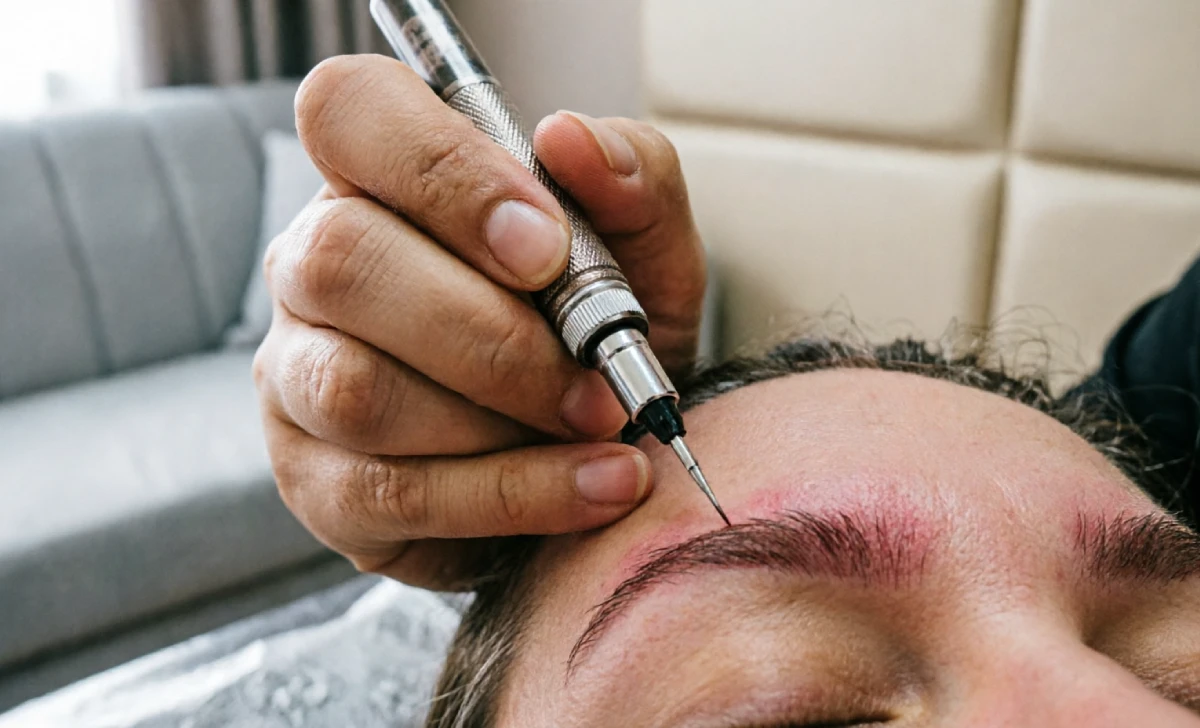
Picture a fine pen drawing individual hairs, except the “pen” is a manual hand tool loaded with cosmetic pigment. An artist uses a blade made of tiny needles to create hair-stroke incisions across the brow’s surface, following your natural growth pattern. Done well, the result can be nearly impossible to tell from real hair.
PhiBrows remains one of the most recognized training standards in the field, prized for precise mapping and pigment consistency. Because the pigment sits closer to the surface, strokes heal crisp on the right skin type — though not on every skin type, which is the whole reason this comparison matters.
Where Does Nanoblading Fit In?
Nanoblading is often confused with microblading, but the tools are different. A nano machine uses a single fine needle to create hair-like strokes, instead of the hand-held multi-needle blade used in microblading. The result looks similar — thin, hair-like lines — but the machine causes less trauma to the skin and tends to heal slightly more evenly.
It’s worth asking your artist directly which method they use, since “microblading” is sometimes used as a catch-all term even when the tool is actually a nano machine.
How Do the Techniques Actually Differ?
Tool, depth, and motion separate these methods. A cosmetic tattoo machine vibrates and deposits pigment in a shaded dot pattern. A microblading blade is pulled by hand in a straight line, and a nano machine sits somewhere between the two — machine-powered, but built for fine strokes rather than shading.
Deeper placement makes machine work more resistant to oil and generally longer-lasting. Manual strokes sit closer to the surface, which creates that realistic hair texture but speeds up fading. The recovery process shares some similarities with the lip blush healing timeline, where darkening, settling, and softening happen in stages.
Quick Comparison
| Microblading | Powder / Ombre Tattoo | Nanoblading | |
|---|---|---|---|
| Tool | Manual hand blade | Machine (dot shading) | Digital machine, single needle |
| Best for | Dry to normal skin | Oily or combination skin | Dry to normal skin |
| Look | Individual hair strokes | Soft, filled-in powder look | Fine hair strokes, less trauma |
| Typical longevity | 12–18 months | 18–30 months | 12–18 months |
| Healing feel | Light scratch sensation | Quick buzzing vibration | Similar to microblading, often milder |
Which Looks More Natural?
Both methods can look natural — just in different ways. Microblading produces a feathery texture that blends into existing brow hairs, so you read as having fuller natural brows rather than makeup.
A soft powder tattoo mimics brows filled in with powder cosmetics instead of individual hairs. Skin type decides which reads as “natural” on you: dry skin keeps microblading strokes sharp, while oily skin blurs them into a soft haze over time — the same reason powder brows tend to hold up better long-term on oilier skin.
How Long Do Results Really Last?
On dry skin, microblading typically stays crisp for twelve to eighteen months before strokes soften unevenly and need refreshing. On oilier skin, that window can shrink to six to nine months, which is worth factoring into your decision if you already deal with midday shine.
Machine-applied eyebrow tattoos generally last longer — often eighteen months to two and a half years before a noticeable color refresh is needed. Pigments can shift slightly cooler as they fade, which is why many artists intentionally start with warm-based browns rather than true neutrals.
Is One More Painful Than the Other?
Neither procedure involves the agony you might be picturing. Topical numbing cream is standard for both, and most clients describe the sensation as mild irritation at most.
Microblading feels like a light scratch, similar to a small paper cut. The machine produces a quick buzzing vibration that many people find even less noticeable once numbing takes effect.
What About Healing and Aftercare?
Healing stages catch people off guard mainly because nobody explains them beforehand. Expect brows to look darker and thicker during days one through three — that’s surface pigment and a normal healing response, nothing to worry about.
Light scabbing and flaking usually start around day five. Let flakes fall off on their own; picking can pull pigment out and leave gaps. A “ghosting” phase often follows, where color appears to fade — this is temporary, and tone returns gradually over the following weeks.
Which Is Better for Oily Skin?
Excess sebum is the reason microblading struggles on oily skin. Oil gradually pushes pigment out of fine incisions, turning crisp strokes into a soft, undefined shadow — sometimes within six to nine months rather than the full eighteen.
Machine-applied powder brows resist this far better, holding their structure even on oilier skin types. A skilled artist might still achieve a hair-stroke look on oily skin, but expect more frequent touch-ups to maintain it, and ask them directly about their experience with your specific skin type before booking.
Who Should Think Twice Before Booking
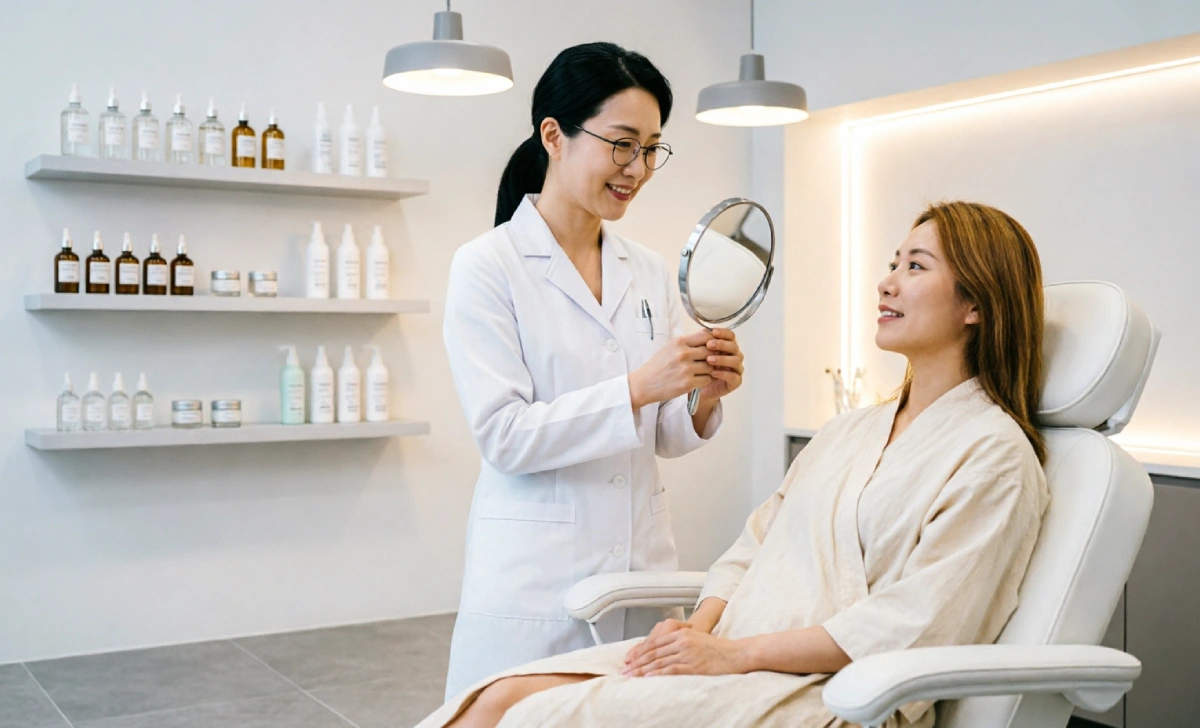
A few conditions call for a conversation with a doctor before either procedure. Pregnancy and breastfeeding are common reasons artists postpone treatment, since pigment safety hasn’t been studied in these groups. Blood thinners, autoimmune conditions, active eczema or psoriasis near the brow, and a history of keloid scarring are all reasons to get medical clearance first.
A patch test a few days before your appointment is a reasonable ask if you have known allergies or sensitive skin — a reputable studio won’t push back on this request.
How Much Do They Cost?
Pricing varies widely by city and by the artist’s experience level, but a first session with a certified professional commonly falls somewhere in the low hundreds to around eight hundred dollars. That price reflects training, sterile equipment, quality pigment, and an experienced eye — not just the time in the chair.
Touch-ups, usually scheduled six to twelve weeks later, cost less but still factor into your total budget. Ask your studio for their current pricing directly, since it’s the only way to get an accurate number for your area.
Can You Switch from One to the Other?
An old, faded eyebrow tattoo doesn’t necessarily rule out microblading. If the existing pigment is light enough, new strokes can be layered on top for a refreshed look.
Combination brows take this further, pairing hair strokes at the front with machine shading toward the tail. A consultation will determine whether you can switch directly or need a lightening or removal session first.
Important Factors Before You Decide
A few practical details matter before booking. Conditions like keloid scarring or active skin issues near the brow may require medical clearance beforehand, and any studio worth trusting will ask about these upfront rather than skipping the intake questions.
Trust matters most. Review healed results rather than fresh photos, confirm the artist holds a valid license, and ask whether they use single-use needles and follow bloodborne pathogen safety protocols. Certifications from groups like the Society of Permanent Cosmetic Professionals (SPCP) signal a genuine commitment to safety standards, though a license check with your state or local health department is worth doing regardless.
Aftercare Tips for Long-Lasting Results
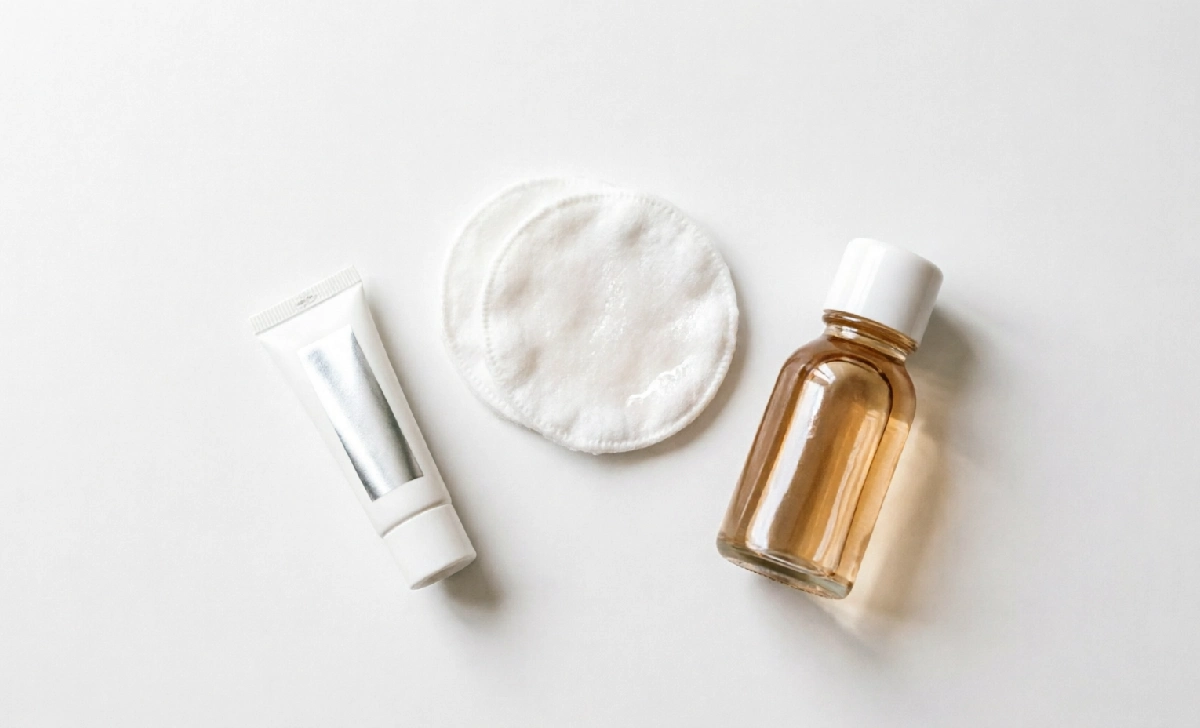
The first two weeks largely determine how your brows age. Stick to gentle cleansing with a damp cotton pad and the ointment your artist provides, and avoid soaking the area, sweaty workouts, or steam rooms while skin heals.
Sunscreen is the most overlooked step, despite UV exposure being a leading cause of pigment fade. A few seconds of SPF each morning protects your results more than any specialty aftercare product on the market.
Eyebrow Tattoo vs Microblading for You
Dry or normal skin paired with a love for wispy, hair-like strokes points toward microblading or nanoblading. Oily skin or a preference for a softly shaded look points toward a machine-applied powder tattoo instead.
Neither choice is wrong — both deliver defined brows without daily upkeep. If you’re not ready to commit to pigment at all, an eyebrow tinting option is worth trying first since it’s cheaper, non-invasive, and gives you a rough sense of how a darker, fuller brow looks on your face. Book a consultation with two or three studios before committing either way. A good artist will look at your skin, ask about your lifestyle, and tell you honestly which technique will actually hold up for you.
Quick Questions About Eyebrow Tattoo and Microblading
Can I wear makeup after microblading or an eyebrow tattoo?
Skip makeup on the brow area for ten to fourteen days while the skin heals. Once flaking stops and the surface seals, makeup is safe again.
Will my brows look fake right after the appointment?
Yes, expect darker, bolder color for the first few days as surface pigment settles. This softens noticeably as healing progresses.
What happens if I don’t get a touch-up?
Brows will likely fade unevenly without one. The shape remains as a soft guide, but definition gradually fades.
Is microblading safe for older or thinner skin?
Generally yes, and it can restore definition to thinning brows. Artists adjust pressure and technique for more delicate skin, though healing can take slightly longer.
Can I get either procedure while pregnant?
Most studios decline to work on pregnant or breastfeeding clients, since pigment safety hasn’t been studied in these groups. Check with your artist and your doctor before booking.
What if I have combination skin — oily T-zone, dry brow area?
This is common, and it’s worth mentioning to your artist during the consultation. Many will recommend a hybrid approach, blending hair strokes with light shading so the result holds up across both textures. If you’re building out a full brow-and-lash routine anyway, it’s worth also looking into how to grow eyelashes naturally, since the same skin-health habits that protect your pigment also support healthier lash growth.
How do I know if an artist is actually qualified?
Ask about their training, how long they’ve been practicing, and whether they can show healed results (not just fresh, still-swollen photos). A willingness to answer these questions directly is itself a good sign.