

In this article
- Why Layering Is the Secret to Comfort on Any Trail
- What Should a Man Wear for Hiking? The Core Outfit Components
- How Do You Choose the Right Hiking Shirt for Men?
- What Are the Best Hiking Pants for Men?
- How Do You Layer for Cold Weather Hiking? A Simple System
- Summer Hiking Outfits for Men: Staying Cool and Protected
- Footwear and Socks: The Foundation of Your Hiking Outfit
- What Accessories Should You Wear Hiking? A Quick Checklist
- What Are the Biggest Hiking Outfit Mistakes to Avoid?
- Frequently Asked Questions About Men’s Hiking Outfits
- Conclusion
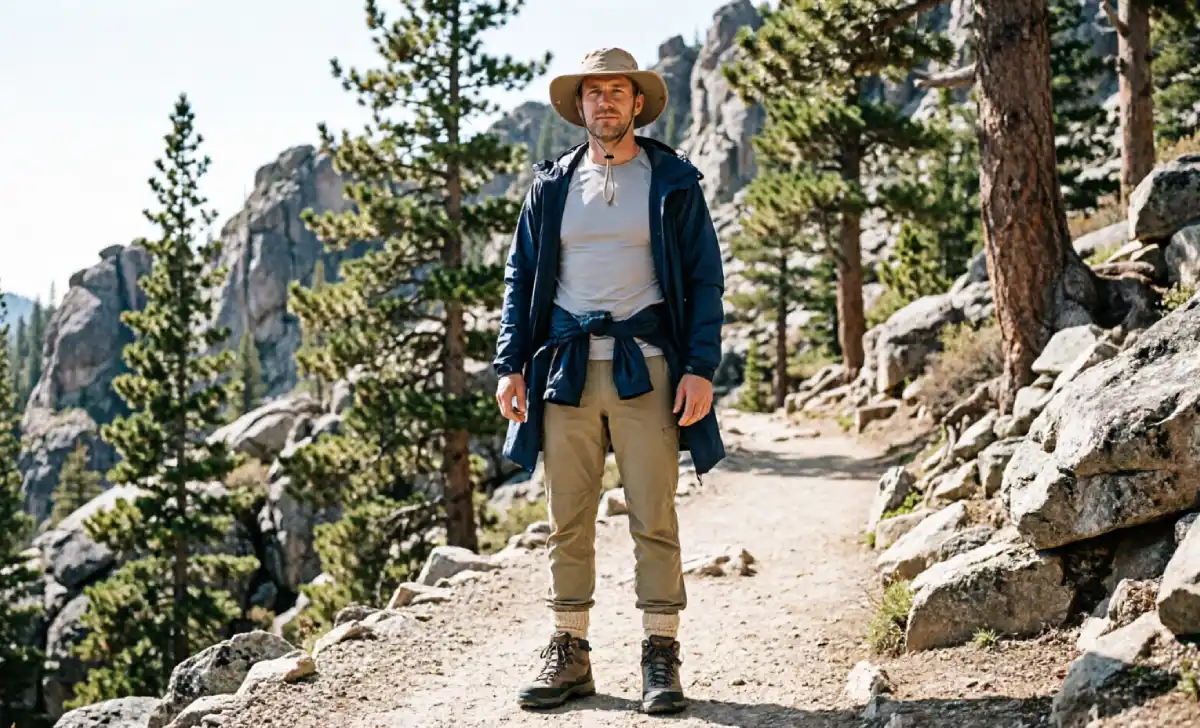
You check the weather, lace up your boots, and then stare blankly into your closet. The question echoes: what mens hiking outfits will actually keep you comfortable out there, mile after mile? It’s a moment of quiet uncertainty that almost every hiker knows. Picking the wrong shirt or pair of pants can turn a beautiful trail into a soggy, chafing ordeal. This guide strips away the confusion and gives you a clear, repeatable system for dressing right, whether you’re scaling a Rocky Mountain pass or walking a gentle woodland loop.
Most hiking comfort problems come down to one simple thing: not knowing how to build an outfit in layers. You don’t need a closet full of expensive technical gear. You just need to understand what each piece of clothing is supposed to do for your body. Once you see how a base layer, a mid layer, and a shell work together, you can mix and match confidently.
Why Layering Is the Secret to Comfort on Any Trail
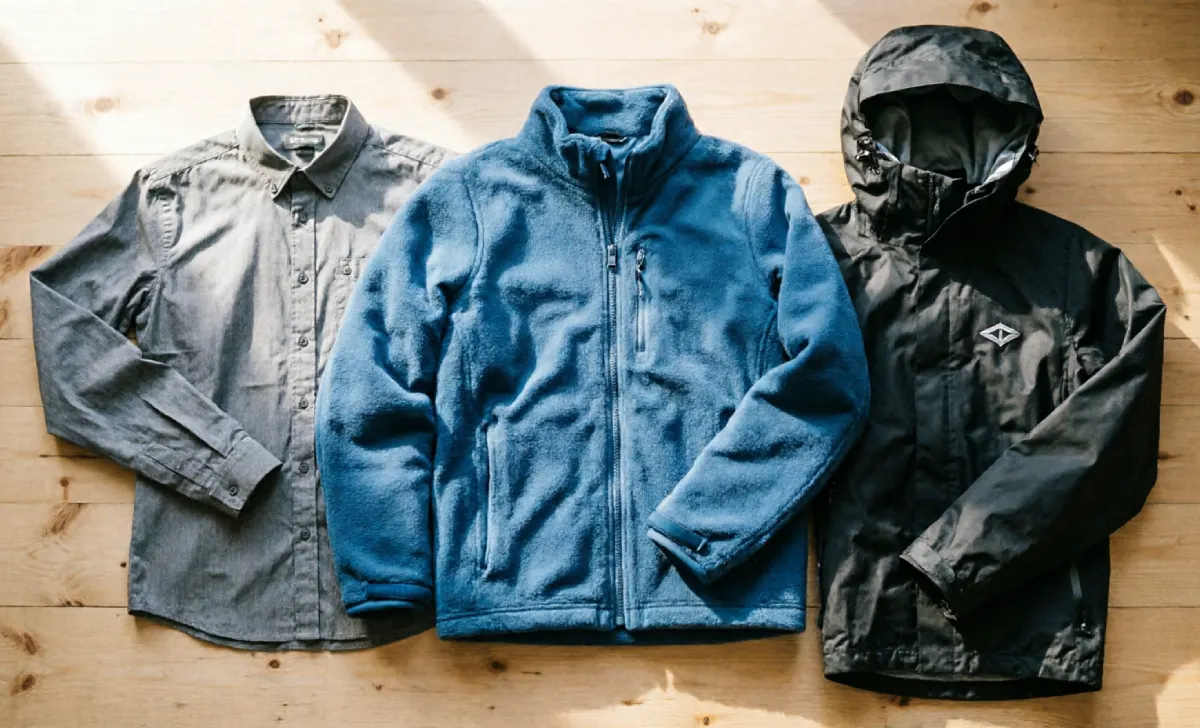
If you’ve ever started a hike freezing and ended it drenched in sweat, you already know that a single heavy jacket is not the answer. The real secret is layering. Layering simply means wearing three independent pieces that each handle a different job: moving moisture, holding in warmth, and blocking wind and rain. You can peel off a layer when the sun breaks through or add one when you stop for a snack on a windy ridge.
The layer that sits against your skin is your base layer, and its only job is to pull sweat away from your body and let it evaporate. When this piece fails, you feel clammy, cold, and miserable within minutes. The middle layer traps your body heat to keep you warm, and the outer shell acts like a shield, stopping raindrops and gusts of wind without suffocating your body. Once you start thinking in these three categories, every hiking outfit you build will work with nature instead of against it.
What Should a Man Wear for Hiking? The Core Outfit Components
When you strip away all the marketing, the core hiking outfit for men is remarkably simple. You need a top that stays dry, bottoms that let you move, a jacket that cuts the wind and rain, and the right socks and shoes for your terrain. It’s not about looking like a mountaineer. It’s about giving your body the tools it needs to regulate temperature and stay comfortable for hours of walking.
Your shirt should be made of a synthetic polyester blend or merino wool. Both of these materials wick sweat and dry fast, which keeps you from getting chilled when you stop moving. Your pants need to be lightweight and flexible; nylon blended with a touch of spandex is the gold standard because it shrugs off light moisture and resists abrasion from rocks and branches. A waterproof and breathable rain jacket is your emergency insurance, even on a sunny morning.
How Do You Choose the Right Hiking Shirt for Men?
What most people don’t realize is that the shirt against your skin controls your entire comfort level. Pick a cotton tee, and you’re basically wearing a wet sponge that will rub you raw and leave you dangerously cold the moment the temperature drops. The right hiking shirt manages moisture so effectively you almost forget you’re sweating.
A merino wool shirt is naturally odor-resistant and feels soft against the skin. You can wear it for a multi-day trip, and it will still smell fresh enough to wear to dinner. Synthetic polyester shirts are more affordable and extremely durable, though they may hold onto odors a bit faster. Beyond the fabric, think about sun protection. A long-sleeve shirt with a UPF rating shields your arms without making you overheat.
What Are the Best Hiking Pants for Men?
You might notice that seasoned hikers rarely wear jeans or heavy cotton pants on the trail. There’s a painful reason for that: once denim gets wet from rain or sweat, it turns heavy, stiff, and can chafe your thighs into a raw mess. The best hiking pants behave more like athletic wear with an outdoor-ready attitude.
Look for pants made from a nylon-spandex blend with a durable water repellent finish. This combination gives you freedom of movement and enough toughness to handle rough terrain. On hot days, convertible pants that zip off into shorts give you two outfits in one. Make sure the waistband fits comfortably under your pack’s hip belt and that the seams are placed away from areas that rub together.
How Do You Layer for Cold Weather Hiking? A Simple System
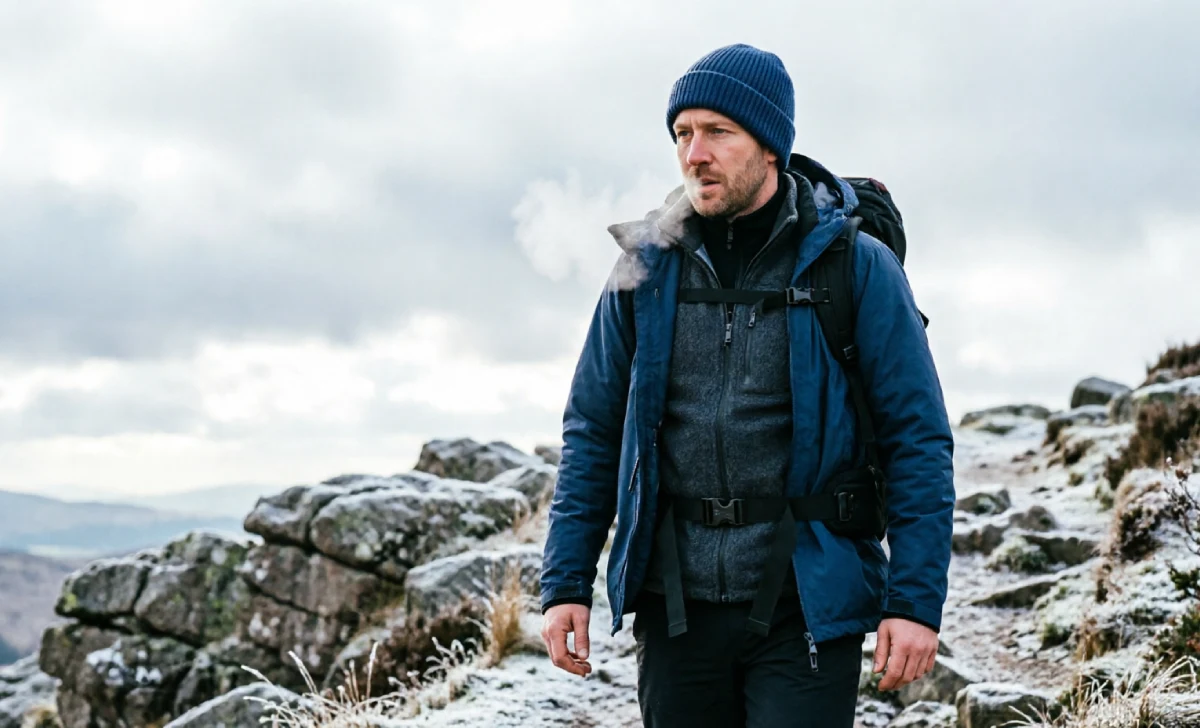
When the temperature drops, the layering system really earns its keep. You might think you need a giant insulated parka, but the truth is you generate a lot of heat while moving. Start with a snug, moisture-wicking base layer against your skin. This piece can be lightweight or midweight depending on the chill, but it must be synthetic or wool.
Next, add an insulating mid layer. A lightweight fleece or a synthetic puffy jacket works beautifully here. Your outer layer seals the deal: a windproof and waterproof shell that stops cold gusts from stealing your body heat. You can strip the mid layer off when you’re climbing and toss it back on the moment you pause.
Summer Hiking Outfits for Men: Staying Cool and Protected
Hot weather brings its own set of challenges, but the principles don’t change. You’re still building an outfit that manages moisture and protects you from the elements, only now the enemy is the blazing sun and oppressive humidity. Light-colored fabrics reflect the sun’s rays and allow every breeze to cool you down.
Choose a loose-fitting, long-sleeve shirt with a high UPF rating. It might seem counterintuitive, but that thin layer of airflow over your skin can feel cooler than direct sunlight. Your bottoms can be well-ventilated shorts with a built-in moisture-wicking liner. A wide-brimmed hat is not a fashion accessory; it’s your primary defense against heat exhaustion. And don’t forget to pack a featherweight rain shell, even in summer.
Footwear and Socks: The Foundation of Your Hiking Outfit
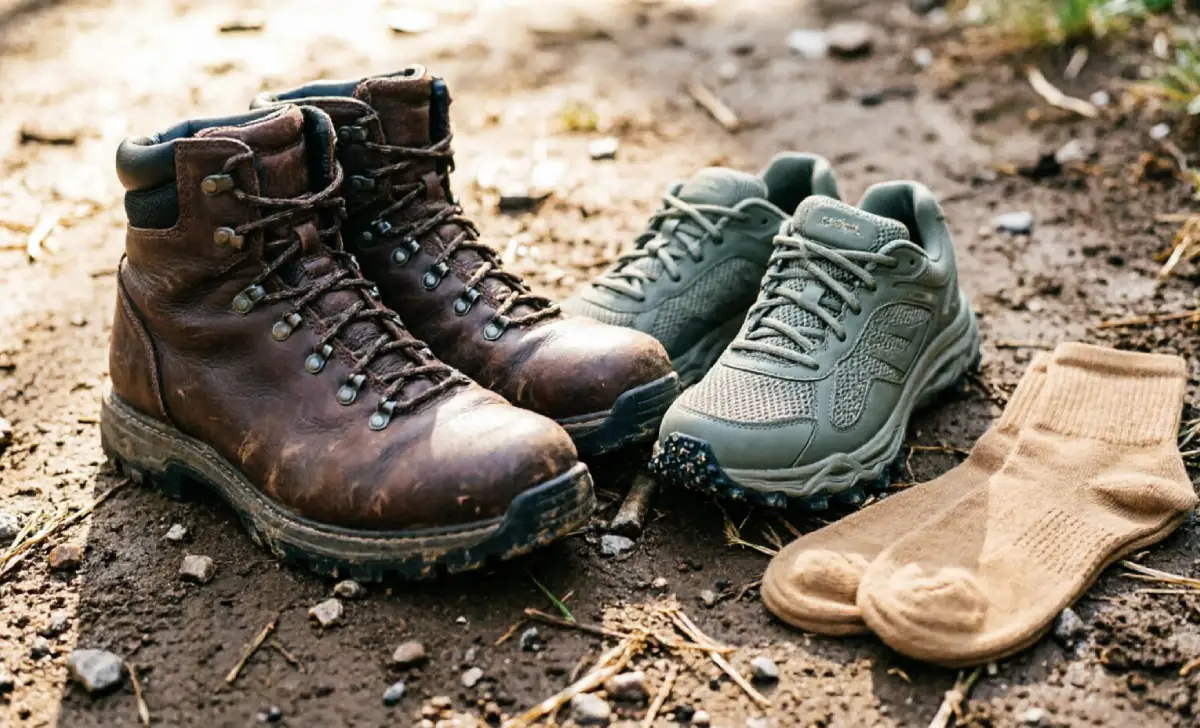
You can nail every other part of your outfit, but if your feet are miserable, the hike is ruined. The debate between hiking boots and trail runners is less about right or wrong and more about matching your footwear to your terrain and personal needs. Trail runners are light and breathable, while sturdy boots offer more ankle support on rocky ground.
What goes inside your shoe matters just as much. Merino wool socks are the unsung heroes of blister prevention. They wick moisture away from your skin, provide natural cushioning, and resist odor for days. Avoid cotton socks at all costs; they lose all shape and become sandpaper once wet.
What Accessories Should You Wear Hiking? A Quick Checklist
The difference between a good hike and a great one often comes down to the little things you threw into your pack at the last minute. A lightweight neck gaiter, also called a buff, is one of the most versatile items you can own. It can keep your neck warm, wipe sweat, or cool you down when dipped in a cold stream.
A brimmed hat shields your eyes and face from sun and rain, and a pair of light gloves takes the sting out of a chilly morning start. For trails with loose gravel or tall grass, low gaiters keep debris from ruining your stride. Sunglasses protect your eyes from UV damage at higher altitudes, and together, these small items round out an outfit that’s ready for anything.
What Are the Biggest Hiking Outfit Mistakes to Avoid?
Some lessons are learned the hard way, but you don’t have to be the one shivering and miserable to understand them. The most common mistake hikers make is wearing cotton. It feels soft and harmless until it soaks up sweat and refuses to dry, and from that point on, your body loses heat rapidly and chafing sets in.
Neglecting your rain jacket is equally risky. Even a ten-percent chance of rain means you need a shell in your pack, no exceptions. Skipping proper socks guarantees blisters that can end your hike early. The fix is simple: no cotton, always bring a rain layer, and choose wool or synthetic socks every time.
Frequently Asked Questions About Men’s Hiking Outfits
Can I wear regular athletic clothes for hiking, or do I need special gear?
You can absolutely start with the gym clothes you already own, provided they’re synthetic and moisture-wicking. Hiking-specific pieces do offer more durable fabric and a better fit under a backpack, making them a worthwhile upgrade over time.
How many hiking outfits do I really need for a weekend trip?
For a two- or three-day trip, you only need one complete hiking outfit and a change of base layers and socks. The outer pants and shell can be worn repeatedly, while a fresh shirt each day keeps you feeling clean.
Is it worth spending more on branded hiking clothing?
The brand name matters less than the materials and construction. Many affordable brands offer excellent nylon pants and polyester shirts that perform just as well as premium labels. Invest your money in your rain shell and socks instead.
How do I clean and care for my hiking clothes without ruining them?
Wash synthetic and wool hiking clothes in cold water with a gentle detergent, and skip the fabric softener entirely. Fabric softener clogs the fibers and destroys moisture-wicking finishes. Air-drying is best for longevity.
Conclusion
A great hiking outfit is never about buying the most expensive gear or following fleeting trends. It’s about understanding the simple system that keeps you dry, warm, and comfortable. When you build your outfit around a wicking layer, a breathable insulation piece, and a protective shell, you can handle nearly any weather the trail throws at you. Now you have the blueprint to walk out the door with confidence, knowing your outfit is truly trail-ready.