

You feel that first crisp breeze and immediately reach for your favorite hoodie — but is it actually hoodie season yet? Most people just guess based on the calendar, then end up overdressed or sweating through their sleeves. This guide breaks down the real start and end dates, the exact temperatures that trigger hoodie weather, and how to find your personal style while you layer through the season.
What Is Hoodie Season, Really?
Hoodie season is not an official date on any calendar. It is the stretch of weeks when the air turns cool enough that a hoodie feels like the smartest choice you own. You know the feeling: your first pumpkin spice order, the leaves starting to turn, and that morning walk where a t-shirt suddenly feels too thin.
For most people in temperate regions, this window lines up with the shift from summer heat into fall’s cooler mornings and evenings. It is less about the exact date and more about a pattern of mornings that make you grab a layer without thinking twice.
When Does Hoodie Season Officially Start?
In most of the United States, Canada, and the UK, hoodie season begins in mid-to-late September. That is when average daytime highs drop into the 60s Fahrenheit and mornings start feeling noticeably sharper. You will notice it first on your commute, when the air feels different even though the sun is still out.
Coastal areas tend to start a little later because ocean air keeps temperatures milder for longer. Inland and northern regions often feel that first hoodie-worthy chill by early September instead.
When Does Hoodie Season End?
Hoodie season usually wraps up in April, once daytime highs consistently climb past 65°F and evenings stop requiring an extra layer. For many people, this is a gradual fade rather than a hard stop, since spring weather can swing between warm afternoons and chilly mornings for weeks.
In the Southern Hemisphere, the same pattern happens on the opposite calendar, running from March through October. The logic stays the same everywhere: it is about temperature, not the month printed on your phone.
What Temperature Is Best for Hoodie Season?
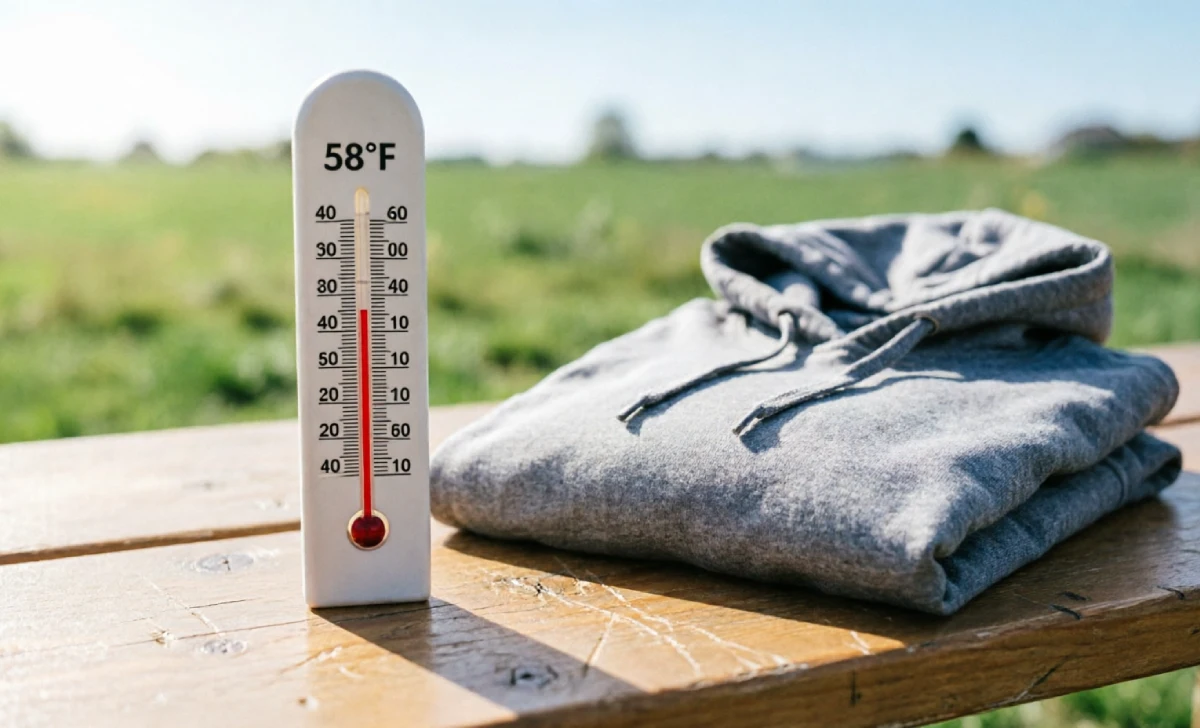
The sweet spot for hoodie weather sits between 50°F and 65°F. Below that range, you will likely need a jacket over your hoodie for real warmth. Above it, a hoodie alone can start to feel heavy and uncomfortable.
If you are trying to decide what to wear in 60-degree weather, a mid-weight hoodie over a light tee is usually your best bet. That combination keeps you warm during a morning chill without overheating once the sun climbs higher in the afternoon.
The Ultimate Month-by-Month Hoodie Calendar
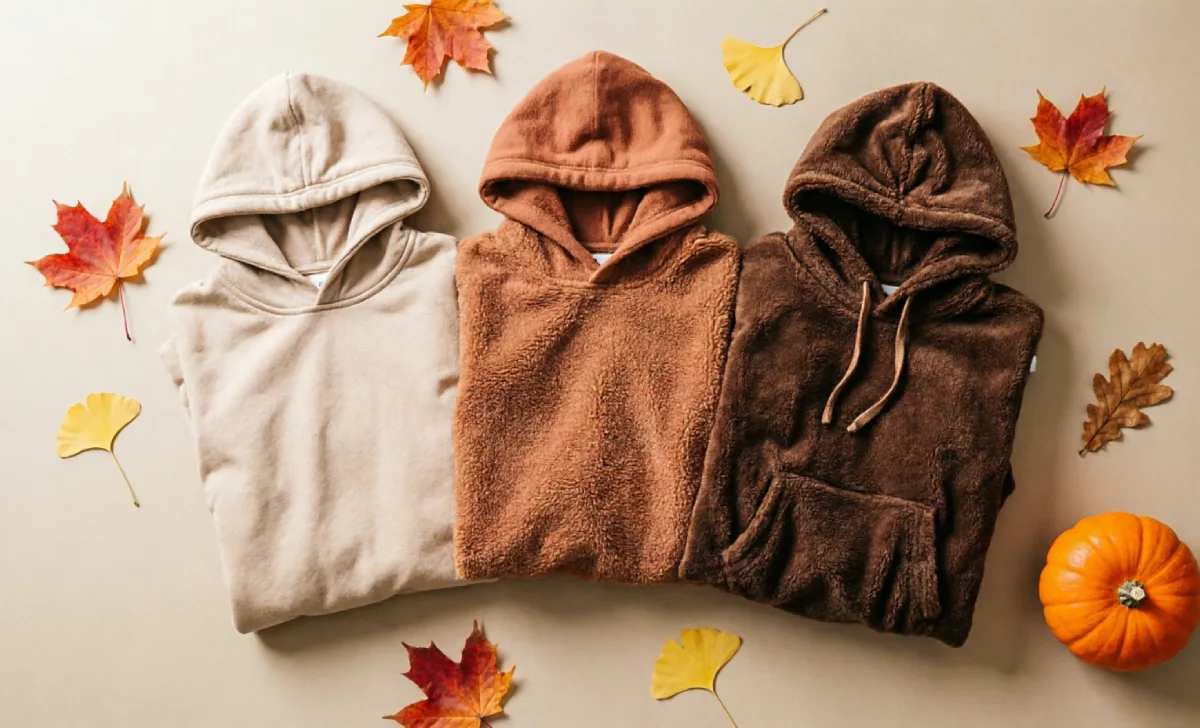
September is your transition month, perfect for a lightweight hoodie paired with shorts or jeans. October brings cooler air, so a fleece-lined hoodie under a light jacket starts to make sense on most days.
November and December call for heavier hoodies, often layered under a real winter coat for extra warmth. By January and February, your hoodie becomes a base layer rather than your outermost piece, especially in colder climates.
March and April bring the thaw, so you can drop back down to a single hoodie on milder days. This calendar shifts a little depending on where you live, but the general rhythm holds almost everywhere.
Can You Wear a Hoodie in Spring or Summer?
Yes, but the strategy changes once temperatures climb. A thin, breathable hoodie can still work for cool spring evenings or air-conditioned indoor spaces during summer. The trick is choosing a lightweight cotton blend instead of heavy fleece.
Deciding between a jacket or hoodie in 70-degree weather usually comes down to activity level. If you are walking a lot or heading somewhere warm, a light hoodie beats a jacket because it breathes better and takes up less space if you need to tie it around your waist later.
Pullover vs Zip-Up: Which Should You Choose?
Pullover hoodies trap more warmth because they have no front opening to let air escape. This makes them the better pick for genuinely cold days when you want maximum coziness.
Zip-up hoodies give you more control over your temperature throughout the day. You can leave them fully open on a warm afternoon or zip up completely once the evening turns chilly, which makes them ideal for that unpredictable transitional weather in early fall and late spring.
How to Layer a Hoodie for Any Weather

Layering is where hoodie season really gets fun. Start with a plain tee underneath for early fall days, then add a hoodie as your middle layer once the air turns colder. A denim or utility jacket over the top handles wind and light rain without adding too much bulk.
Sticking to the three color rule keeps your layered outfit looking put together instead of thrown on. Pick one neutral, one accent, and one anchor tone across your hoodie, jacket, and pants, and the whole look reads as intentional rather than accidental.
Accessories matter too once temperatures drop further. A beanie style guide can help you figure out when a beanie adds warmth versus when it is purely a style choice on a mild day.
Common Hoodie Season Mistakes to Avoid
The biggest mistake people make is starting too early, wearing a heavy hoodie on a day that is still genuinely warm. This leaves you sweaty and uncomfortable instead of cozy. The fix is simple: check the actual forecast instead of the date on your calendar.
Another common error is choosing the wrong fabric weight for the day ahead. A thick fleece hoodie on a 68°F afternoon will feel like overkill, while a paper-thin hoodie on a 45°F morning will leave you cold within minutes.
Stopping too late is just as common, especially once you have grown attached to your favorite hoodie through the whole winter. Pay attention to how your body actually feels rather than forcing the same outfit through a season that has already moved on.
Hoodie vs Sweatshirt: What’s the Difference?
A hoodie includes a hood and usually a front pocket, while a classic sweatshirt has neither. Both are typically made from cotton or a cotton-poly fleece blend, which keeps them warm without being bulky.
Sweatshirts tend to sit a little closer to the body, while hoodies often have a looser, more casual fit. Many people use the terms interchangeably, but knowing the difference helps when you are shopping for the right layer for a specific temperature range.
Now You Know When to Wear It
Hoodie season is not just a date on the calendar. It is a feeling tied to temperature, activity, and how your body actually responds to the air outside. Once you know the real range, roughly 50°F to 65°F, you can dress with confidence instead of guessing.
So go ahead and embrace the cozy months on your own terms. Layer smart, pick the right weight for the day, and let your hoodie work for you instead of against you.