
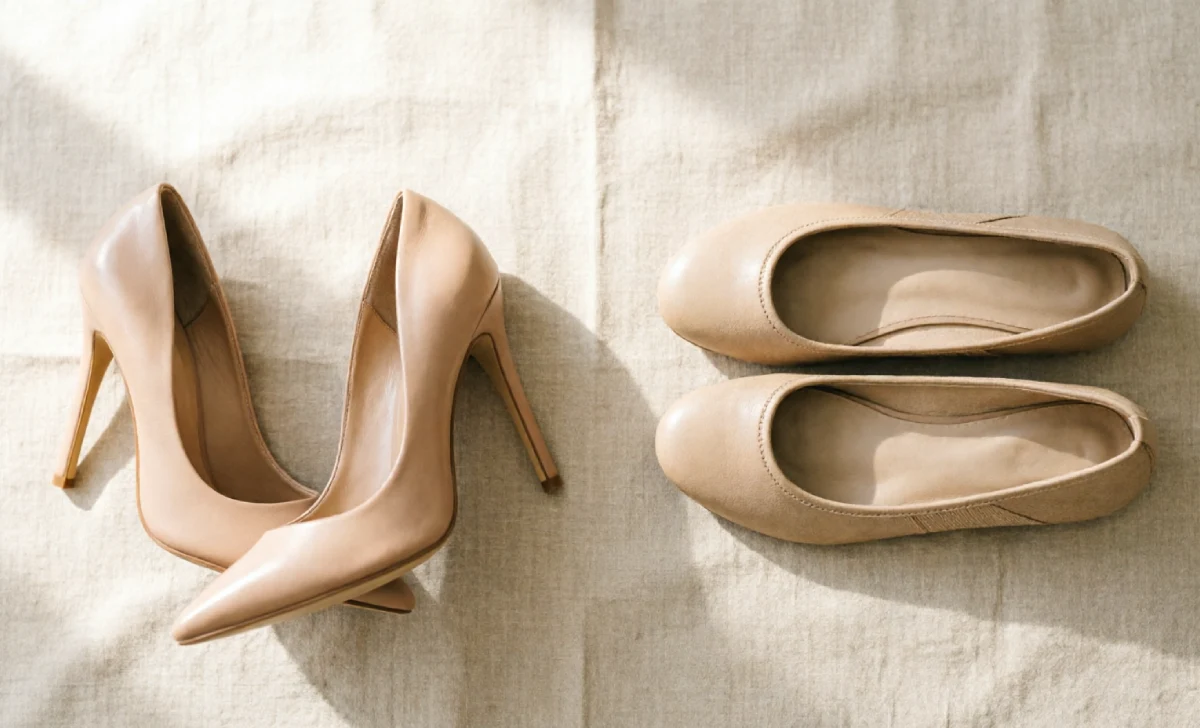
You stand in front of your closet every morning, looking at a row of stunning heels and a pair of well-loved flats, and feel the same quiet conflict. You want to look great, feel good, and last the whole day without an aching back or sore feet. Shoes are only one part of your outfit choices, but they carry the heaviest weight — quite literally — in how comfortable your day feels. This heels vs flats debate comes down to more than personal taste; it’s about how each style treats your body. Read on to learn why your feet hurt, what podiatrists actually recommend, and how to choose the healthiest option without sacrificing style.
Why Does Your Foot Hurt? The Real Difference Between Heels and Flats
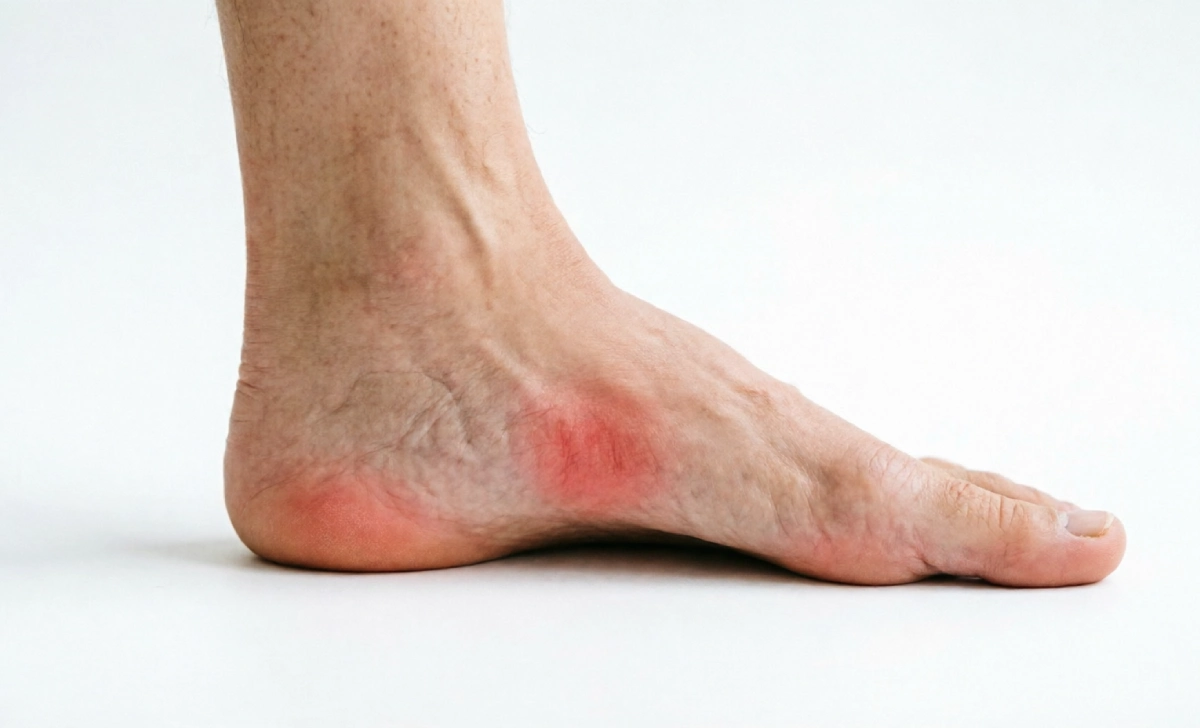
Peel off a pair of heels and feel instant relief, and you already know something shifts inside your foot with every wear. That pain isn’t imagined; heels push your body weight forward, concentrating pressure onto the delicate ball of the foot.
Rather than spreading the load across your sole the way nature intended, a high heel creates a small, intense pressure point that fatigues the metatarsal bones faster than almost any other shoe style. Flats, surprisingly, can cause their own kind of ache. Without proper cushioning or arch support, the plantar fascia ligament beneath your foot stretches and strains with every step, which is why your arch burns after a long day in thin ballet flats.
Support and weight distribution matter more than heel height alone. A quality shoe — heeled or flat — should cradle your arch and cushion the ball of the foot.
Are Heels Always Bad for Your Feet?
The tallest stilettos deserve their bad reputation, but labeling every heel “dangerous” misses a hopeful detail: a one-inch block heel with a wide base can actually be gentler on some bodies than a rigid, completely flat shoe.
That small lift can ease tension on the Achilles tendon and tilt the pelvis toward a more neutral position for people with certain postural habits. The real culprit is extreme angle — a four-inch stiletto shortens the calf muscles over time and forces the knee and hip to compensate.
So the question isn’t whether heels are bad, but what kind, how high, and for how long. A wedge or chunky heel spreads your weight across a wider surface, offering real relief compared to a pin-thin spike.
Can Flats Actually Cause Foot Pain?
Flats feel like the safe choice when your feet are tired, and often they are. But slip on a flimsy pair of ballet flats and feel that deep ache through your arch, and you’ll know flat doesn’t always mean comfortable.
Zero arch support and paper-thin soles are the real danger. Without a contoured footbed, your arch collapses inward with each step, overstretching the plantar fascia and triggering the stabbing pain of plantar fasciitis.
Supportive flats exist, though, and they don’t have to look orthopedic. Look for a molded footbed, a slight half-inch heel lift, and a sole sturdy enough that it won’t fold in half like a slipper.
How Do Heels and Flats Affect Your Posture and Back?
Your feet form the foundation of your entire skeleton, so what you put on them changes your alignment all the way to your neck. High heels shift your center of gravity forward, forcing your lower back to arch excessively just to keep you upright.
That exaggerated curve compresses the lumbar spine, leaving you with a dull backache after a night out. Flats seem harmless by comparison, yet a shoe with zero heel elevation can strain certain feet just as easily.
Neither option is universally better for posture. Look instead for whatever keeps your ankle, knee, and hip stacked in a line that feels strong and effortless.
Which Shoe Is Healthier for Standing All Day?
A demanding shift on your feet exposes the wrong shoe fast. High heels concentrate weight on the forefoot, and your toes start screaming within the first hour.
Flat, unsupportive shoes fare little better — arches fatigue, and by midday you’re shifting from foot to foot. All-day standing calls for a low, wide heel paired with deep cushioning and solid arch support.
Podiatrists frequently recommend this moderate-heel-with-cushioning combination for exactly that reason. Shock absorption, structural support, and a roomy toe box that lets your feet spread naturally should top your list.
How Your Foot Type Changes the Heels vs Flats Decision
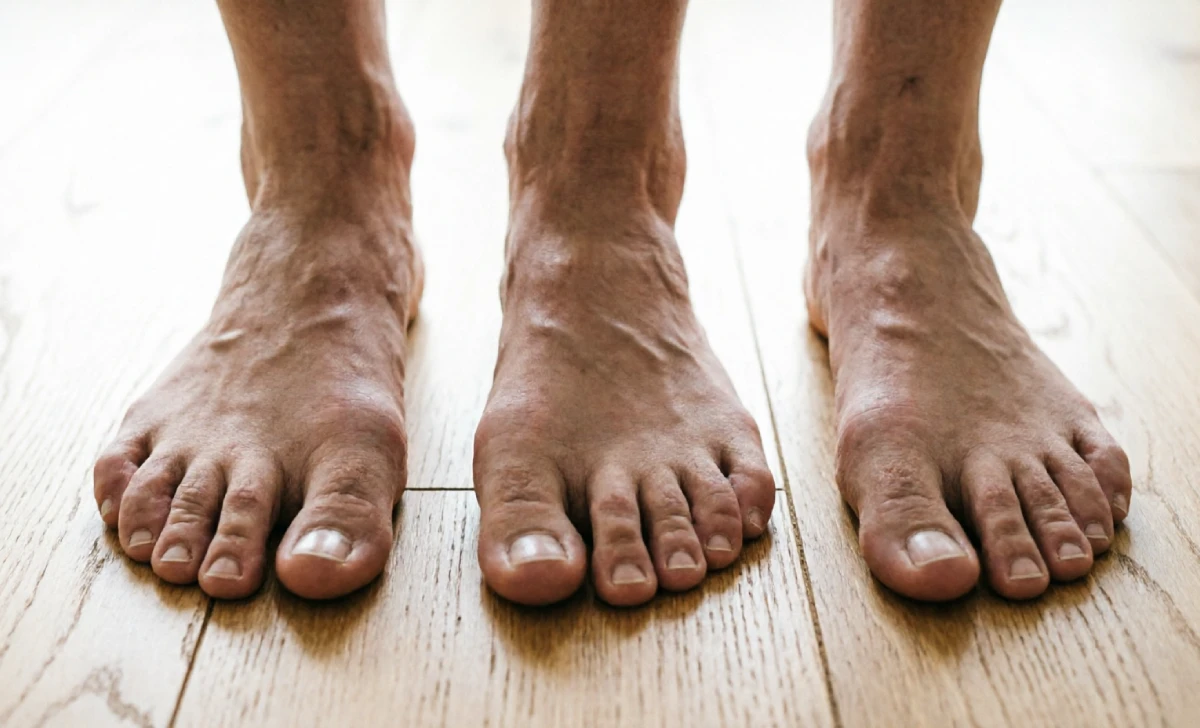
If a friend dances all night in heels while your feet ache after an hour, your foot shape likely explains the gap. Flat feet tend to overpronate, rolling too far inward with each step, and a completely flat shoe without motion control can worsen that roll. A moderate heel with firm arch support often stabilizes the foot instead.
High arches tell a different story — rigid and poor at absorbing shock, they need a cushioned flat as a lifeline. Neutral arches have more freedom but still shouldn’t chase extremes. Not sure of your arch type? A simple wet-foot test at home will point you in the right direction.
Heels vs Flats for Work, Weddings, and Walking
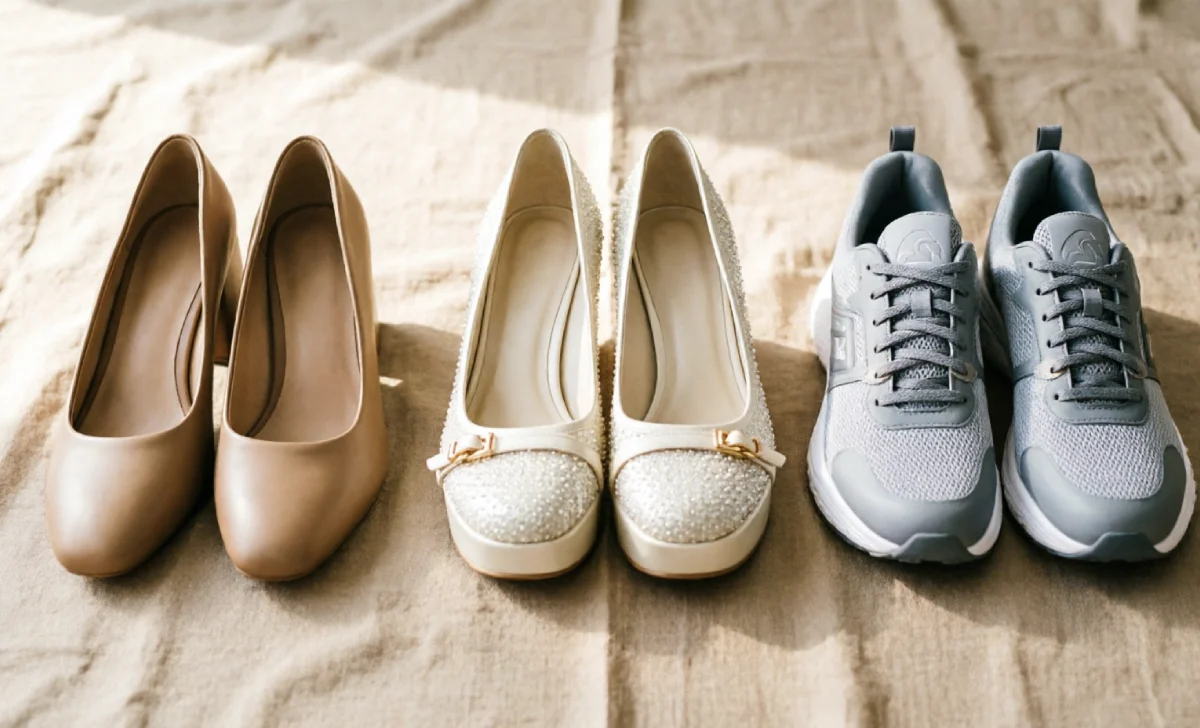
A boardroom meeting demands polish, but your feet still need to survive presentations and coffee runs. A low block heel or a refined supportive flat, paired with smart casual outfits, bridges that gap easily.
Weddings might call for the extra height of a wedge or chunky heel, which offers a wider platform under the ball of the foot. Prefer a moodier, bookish look instead? Pairing flats with a dark academia aesthetic can stay comfortable for hours.
Walking-heavy city days need a different strategy entirely — a deep-cushioned sneaker or well-designed loafer lets you explore without counting down the minutes until you can sit.
What Do Podiatrists Say? The Medical Verdict on Heels vs Flats
Most foot doctors agree that a heel between one and two inches, with a wide base and generous cushioning, sits in the safest range for most women. Completely flat, unsupported shoes can injure your feet just as badly as the tallest pump.
Fit, materials, and internal structure matter more than the category. A quality shoe supports the arch, provides a firm heel counter, and flexes only at the toe. Many podiatrists also suggest varying your heel height through the week so no single muscle group tightens permanently.
How to Make Your Heels More Comfortable Instantly
Certain events still call for heels, and that’s fine. Start with a metatarsal pad just behind the ball of the foot to redistribute pressure away from that overworked spot.
Gel heel grips stop your foot from sliding forward and jamming your toes into the front of the shoe, while a silicone forefoot insert absorbs shock and mimics the padding heels usually lack. A simple stretching trick — thick socks plus a blow dryer — can soften tight spots before you wear them out. None of these fixes turn a stiletto into a sneaker, but together they make a real difference.
So, Heels or Flats – What Should You Choose?
The real answer isn’t a single shoe but a mindset that honors your body. A well-designed low heel with arch support can treat your frame better than a thin, unsupported flat ever could.
Love mixing textures and prints? Even folklore-style outfits can be built around comfortable, supportive footwear instead of pain-inducing ones. Your foot shape, daily activities, and the shoe’s actual construction matter far more than the category printed on the box.
You deserve to feel good in what you wear — choose shoes that support your unique structure and your life.
Frequently Asked Questions About Heels and Flats
Is it safe to wear heels or flats during pregnancy?
Your center of gravity shifts during pregnancy and your ligaments loosen, making heels a fall risk. A supportive flat or very low wedge with good traction is the safer choice.
What heel height is recommended for someone with plantar fasciitis?
About one to one and a half inches, paired with firm arch support, eases tension on the plantar fascia. Avoid both unsupportive flats and very high heels.
How do I break in new heels so they don’t hurt?
Wear thick socks with your new heels at home for short stretches, apply gentle heat with a blow dryer to soften tight spots, and use a shoe stretcher overnight.
Do leather flats provide better support than synthetic ones?
Leather molds to your foot over time for a more personalized fit, but support still depends on the footbed and arch structure underneath.
Conclusion
Your feet carry you through every important moment, and they shouldn’t have to suffer to look good. Whether you reach for a sleek low heel or a smartly cushioned flat, the best shoe is the one that fits your arch and supports your posture. Trust how your body feels, keep variety in your rotation, and never settle for a shoe that asks you to ignore pain.