
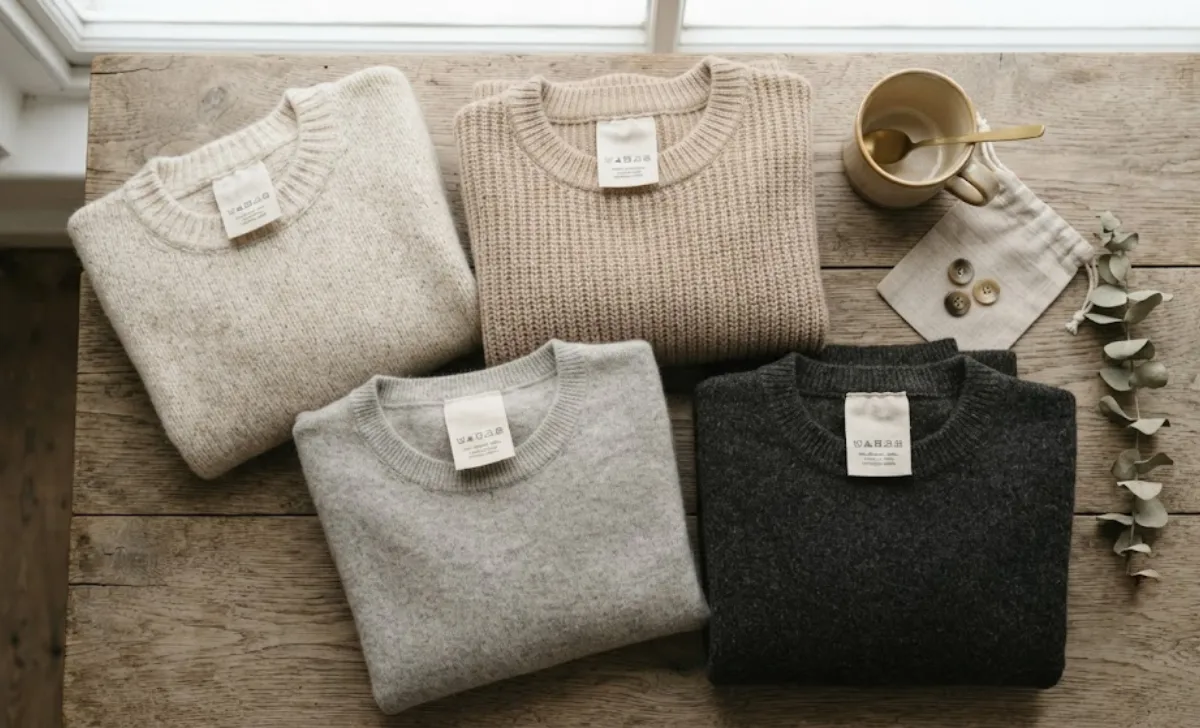
That feeling when you pull on a pair of perfectly tailored trousers and everything just clicks? For many of us, it happens inside an Aritzia fitting room, surrounded by soft knits and clean lines. Then, somewhere between admiring the fabric and glancing at the price tag, a quiet question creeps in: is Aritzia fast fashion, and what exactly are you supporting with your wallet?
If you’ve paused mid-checkout wondering whether Aritzia belongs in the same category as the fast fashion giants, you’re not alone. Accessible luxury and rapid trend churn have started to blur together, and brands rarely make the truth easy to find.
This review cuts through that confusion. We’ll cover how often new styles drop, what happens inside the factories, and what independent watchdogs actually say — so you can shop with a clear conscience.
What Is Fast Fashion? The Definition You Need to Know
Before judging Aritzia, you need a shared definition of fast fashion. It’s a term thrown around constantly, but it rests on a few specific pillars beyond just “cheap prices.”
Speed is the first pillar: turning runway trends into store-ready items within weeks, through nonstop micro-seasons rather than two or four seasonal collections a year. This churn manufactures urgency — miss today’s viral top, and it’s gone tomorrow.
Low labor costs and environmental harm round out the model. Cheap synthetics, heavy textile waste, and carbon-intensive shipping are baked into the system. Garments are built for a short life, both stylistically and physically, which fuels constant disposal and replacement.
How Many New Styles Does Aritzia Release Each Week?
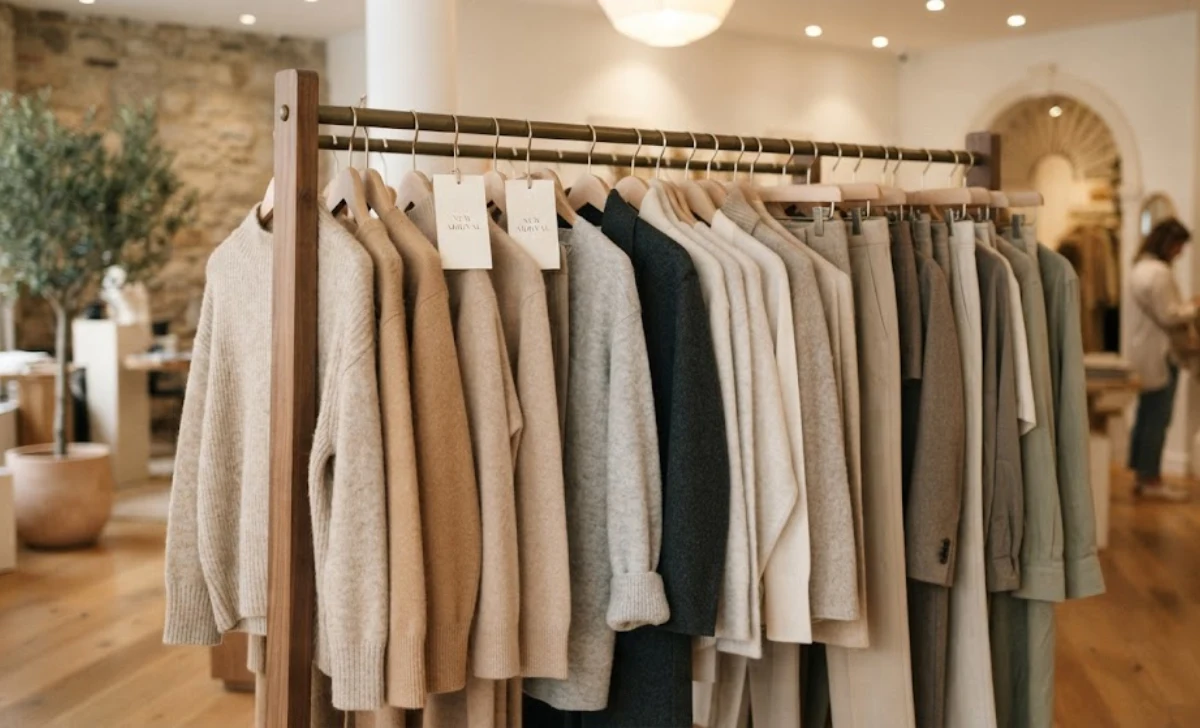
New-arrival frequency reveals more about a brand than its price tags do. Constant fresh stock usually signals a speed-focused operation, so where does Aritzia fit?
Aritzia isn’t churning out 500 designs a week like Zara. Still, it runs a steady drop model that keeps things feeling new. Scroll the “New” section on any given Sunday, and you’ll find curated additions arriving well outside a traditional seasonal calendar.
These updates aren’t always brand-new silhouettes — often they’re fresh colorways, restocked bestsellers, or small capsules under Wilfred or Sunday Best. Even so, the psychological pull mirrors fast fashion’s core trick: check back often, or risk missing out.
Where Are Aritzia Clothes Actually Made?
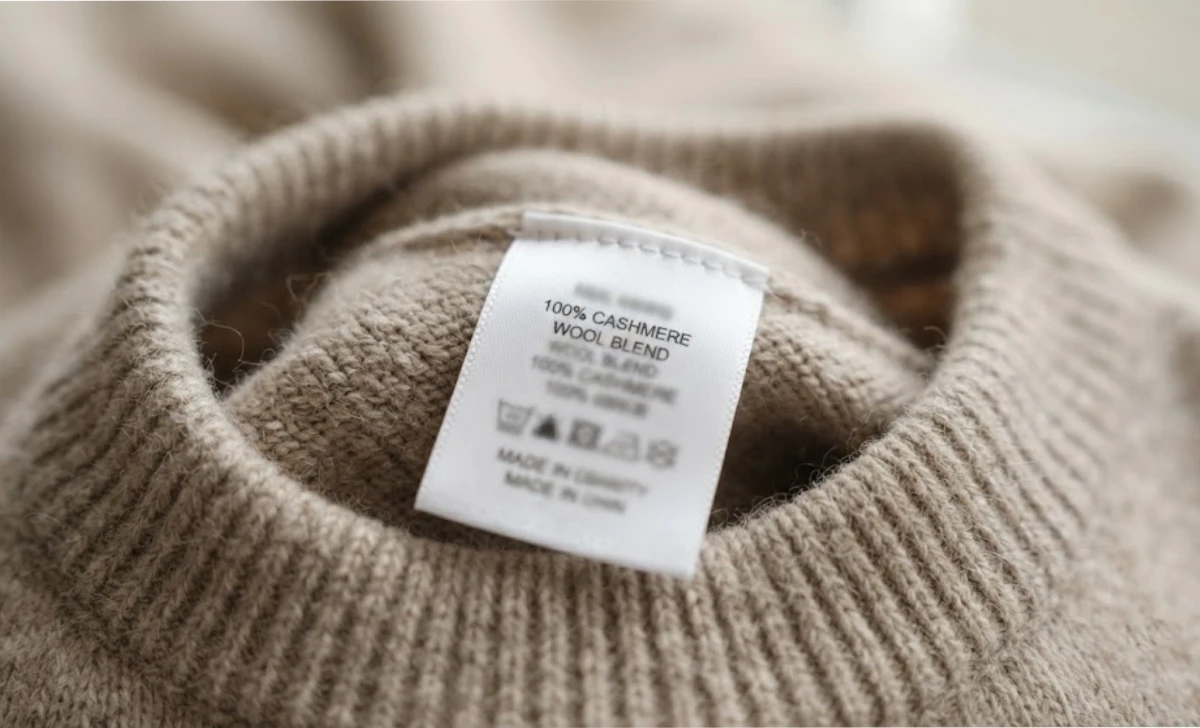
Flip the tag inside a Babaton blazer or Tna hoodie, and a country name might give you pause. Manufacturing location is one of the most honest signals a garment offers — and where many brands go vague. Aritzia primarily manufactures in China, Vietnam, Cambodia, and other large apparel hubs.
That alone doesn’t make a brand unethical, but it raises the bar for transparency. Aritzia publishes a supplier list and a code of conduct covering wages, hours, and safety. Watchdogs point out, though, that a published list isn’t proof of consistent, unannounced audits at every supply-chain tier.
Every garment you hold is the endpoint of a long, often opaque chain of subcontractors. Aritzia shares more than some competitors, but still less than full transparency would require.
Does Aritzia Use Sustainable Materials and Fabrics?
A Sculpt Knit tank or a Super Puff jacket can feel almost too good — soft, structured, part of that signature minimalist aesthetic the brand is known for. But material sourcing tells a mixed story.
Recycled polyester, organic cotton, and responsibly sourced down now appear across several lines — real upgrades over virgin synthetics. The Super Puff uses 100% responsibly sourced down, and Tencel shows up in select Wilfred and Babaton pieces.
What’s missing is a blanket commitment across the whole catalog. Plenty of items still use conventional viscose, standard polyester, and nylon blends with zero recycled content. The better materials exist, but you have to hunt for them rather than assume any given piece qualifies.
What Is Aritzia’s Sustainability Rating from Independent Watchdogs?
Third-party scores strip away marketing language and offer a faster gut-check than reading a brand’s own claims.
Good On You currently rates Aritzia “It’s a Start” — a middle-tier score that credits progress on materials and disclosure while flagging real gaps in labor conditions and living-wage evidence.
The Fashion Transparency Index, which measures public disclosure, puts Aritzia around 30–40%. That’s meaningful openness, but large parts of the supply chain remain hidden. Bottom line: not the worst performer, but far from a leader.
Aritzia’s Labor Practices and Code of Conduct
Sustainable materials mean little if the people making the clothes aren’t treated fairly. Aritzia’s code of conduct bans forced and child labor, caps working hours, and guarantees at least local minimum wage. The brand also states it audits its manufacturing partners.
These are baseline commitments, not exceptional ones. The real gap is transparent audit reporting and independent, on-the-ground proof that living wages — not just minimum wages — are actually paid. Aritzia clears the floor here; it hasn’t proven it goes much further.
How Does Aritzia Compare to Zara, H&M, and Reformation?
Context matters more than an isolated verdict. Against Zara and H&M, Aritzia shows real restraint: higher garment quality, slower turnover, and pricing that doesn’t depend on $10 tops. Pieces built to last for years — not weeks — genuinely shift the sustainability math.
Reformation tells a different story. Sustainability sits at its core, backed by fabric innovation, a traceable supply chain, and consistent third-party disclosure. Aritzia, by comparison, reads more like a conventional model with sustainability layered on top than one rebuilt from scratch.
Is Aritzia Greenwashing? How to Spot the Difference
Some brand claims feel like a thin coat of green paint over business as usual. Greenwashing happens when marketing outpaces substance — so does Aritzia cross that line?
Its A-OK program, reduced packaging, and preferred-material sourcing are real initiatives, not fabrications. The risk is proportion: spotlighting a handful of eco wins while staying quiet on the thousands of other styles produced under standard conditions.
Watch what a brand emphasizes versus what it skips. Aritzia isn’t the worst offender, but it does sit in that grey zone where genuine effort and strategic marketing overlap.
Aritzia’s Recycling Program and Circular Fashion Efforts
Circular fashion keeps clothing in use and out of landfills. Aritzia’s take-back program accepts gently used garments for resale or recycling — a solid, feel-good option.
But industry-wide, very little collected clothing becomes new garments again. Most gets downcycled into things like insulation, or worse, exported to countries with overwhelmed waste systems.
Dropping off an old parka is a genuine positive step, not a closed loop. Buying less and choosing pieces built to last remains the more impactful move.
So, Is Aritzia Fast Fashion? The Final Verdict
Pulling every thread together: if fast fashion means rock-bottom prices, disposable quality, and constant trend-chasing, Aritzia doesn’t fit. Quality is too high, pricing too elevated, pace too measured.
Widen the definition to include overseas mass production, frequent drops that manufacture urgency, and only partial transparency, and Aritzia sits uncomfortably close to the line — occupying the messy middle ground, improving in places while still operating inside a growth-driven system.
Aritzia isn’t slow fashion, and it isn’t the worst offender either. It’s a brand in transition, making real but incomplete progress.
How to Shop Aritzia More Mindfully Right Now
You don’t have to quit Aritzia to shop with more intention. A few small shifts go a long way.
Favor pieces you’ll wear for five years, not five weeks. Wool coats, simple knits, and structured trousers shine as long-term investments, lowering your cost-per-wear dramatically. Skip the micro-trend pieces destined for the back of the closet by next season.
Shopping secondhand is another strong option — the resale market for Aritzia is huge, with everything from the Effortless Pant to the Super Puff available on Poshmark and Depop. Buying new? Check the fabric list and pick recycled or lower-impact fibers whenever possible.
Frequently Asked Questions About Aritzia and Fast Fashion
Does Aritzia have a good ethical rating?
Good On You rates Aritzia “It’s a Start” — solid progress on materials and disclosure, with clear room to improve on labor transparency.
Is Aritzia more sustainable than H&M?
Slightly, mainly due to material quality and durability. Both still face criticism over supply chain transparency, and neither leads the sustainable fashion space.
What is the most sustainable Aritzia line?
No single “sustainable line” exists, but Tencel, recycled polyester, and responsibly sourced down pieces — including the recycled Super Puff and select Babaton knitwear — rate best.
Can you recycle old Aritzia clothes?
Yes, through its take-back program for resale or recycling. It helps divert some textiles from landfill, though it’s a small step rather than a full circular solution.
Conclusion
Aritzia isn’t a villain or a hero — it’s a brand making genuinely better pieces while still working inside a system that needs deeper reform. You now have the full picture instead of just the marketing highlights.
Use that clarity to shape better habits, not guilt. Buy that blazer secondhand, or invest in one great coat you’ll wear for a decade. Either way, you’re shopping with your eyes open now.