
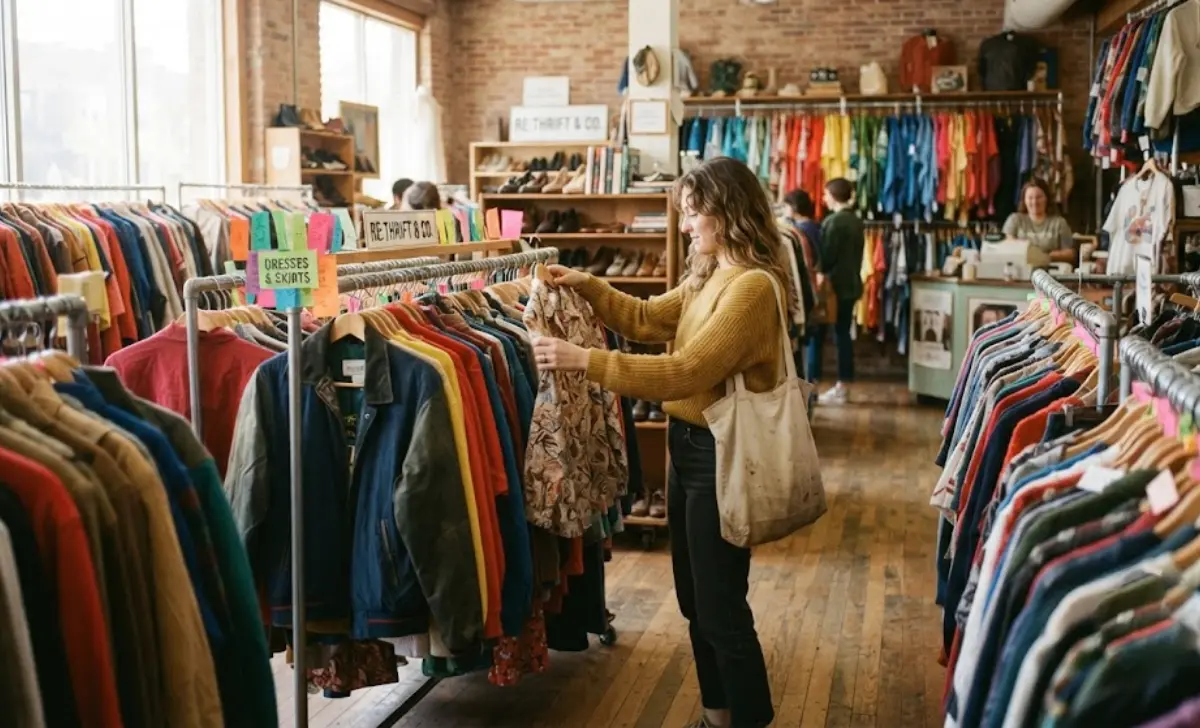
Walking into a thrift store can feel like entering a maze where nothing makes sense. Racks overflow with random colors, sizes, and decades, and it’s easy to leave empty-handed. Maybe you’ve wondered how other shoppers walk out with complete outfit ideas while all you see is clutter.
Thrifting isn’t a rare talent — it’s a set of learnable skills. Once you pick them up, a world of affordable, unique, sustainable style opens up. This Thrifting Guide walks you through the whole process, from preparation to wearing your finds home.
What Is Thrifting and Why Should You Start Shopping Secondhand?
Thrifting means buying pre-owned clothing, accessories, and household items from charity shops, resale chains, or independent secondhand stores. Forget the idea that secondhand equals worn-out; modern thrifting is about finding quality pieces with plenty of life left, often for a fraction of retail price.
Fast fashion tells you what to wear each season. Thrifting lets you build a wardrobe that actually reflects who you are, while keeping textiles out of landfills and cutting demand for resource-heavy production.
Beyond the savings, you’re joining a growing group of shoppers who value individuality over trends. The hunt itself becomes part of the reward.
What Should You Do Before You Even Step Into a Thrift Store?
Rushing in unprepared is the fastest way to get overwhelmed. A little planning changes how the whole trip feels, so treat it like packing for a mini adventure.
Wear something simple to remove, like a fitted tank top with leggings or jeans, since fitting rooms are often small or nonexistent. Slip-on shoes make trying on multiple pairs far less annoying.
Pack a reusable bag and a small measuring tape for checking garments or home goods. Set a loose budget too — prices are low, but they stack up fast when everything feels like a steal.
How Do You Choose the Right Thrift Store for Your Goals?
Matching the store to your mission saves time. For everyday basics like t-shirts and sweaters, large chains such as Goodwill and Salvation Army offer huge, constantly rotating inventory at standard prices.
Need something more specific, like a vintage jacket or statement dress? Curated shops such as Buffalo Exchange or Crossroads Trading pre-select their stock, so fewer low-quality items stand between you and a great find. Expect higher prices, but a better hit rate.
Online platforms like ThredUp work well when you’d rather filter by brand, size, and condition than dig through racks. Each channel has its place — the trick is knowing which one fits today’s goal.
When Is the Best Time to Go Thrift Shopping for Hidden Gems?
Timing shifts what you find. Stores restock on specific days, so shopping right after new inventory hits the floor puts you ahead of other shoppers — just ask an employee when donations get processed.
Weekday mornings tend to be quieter and less picked-over. Seasonal donation surges also matter: post-holiday clean-outs and spring decluttering flood stores with better stock.
Watch for color-tag discounts, too. Many chains rotate a specific tag color at 50% off on certain days, and learning that rhythm stretches your budget further.
How to Scan Thrift Store Racks Like a Pro
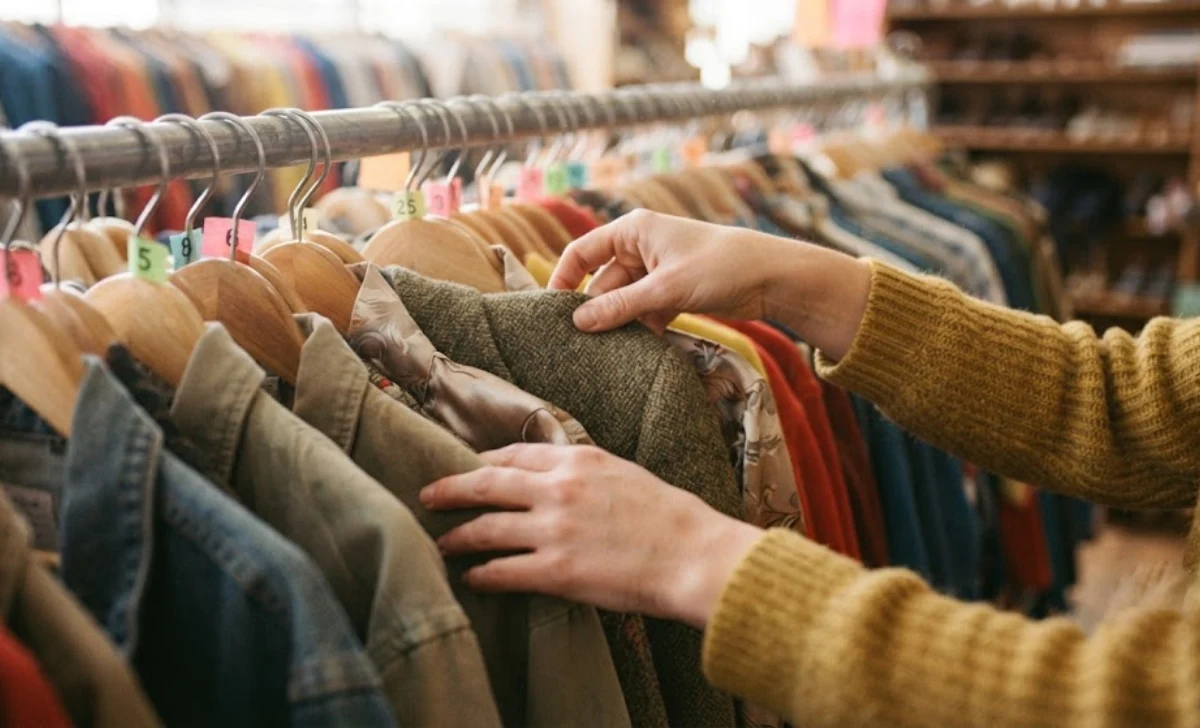
Seasoned thrifters don’t stop at every hanger — they scan fast and trust their hands over the size tag. Run your fingers along the rack, feeling for textures that stand apart from typical polyester blends.
Silk, linen, cashmere, and heavy cotton announce themselves before your eyes even catch up. Keep scanning for colors, patterns, and silhouettes that grab your attention, and pull anything promising into a small pile without stopping to inspect yet.
This method avoids decision fatigue. Once you’ve gathered a few pieces, find a quiet spot to evaluate them properly — moving fast first, filtering later, turns an overwhelming rack into a manageable task.
How Do You Spot High-Quality Clothes and Durable Fabrics?
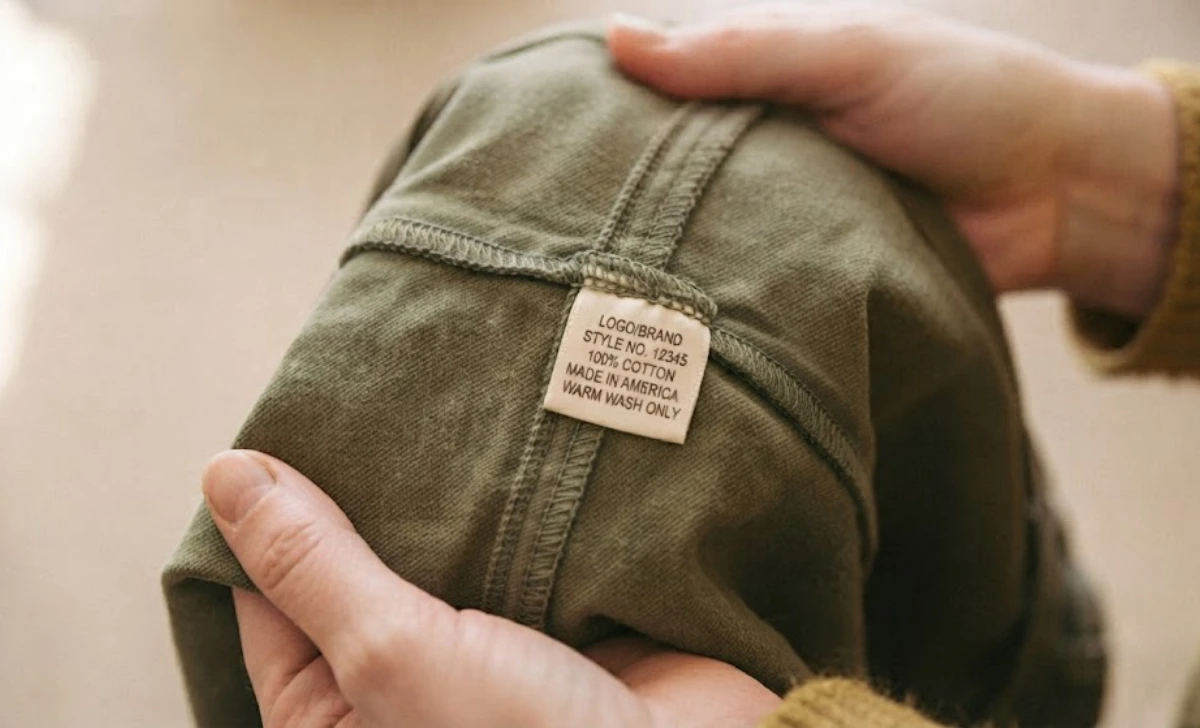
Check the seams first. Turn the garment inside out; tight, even stitching with no loose threads signals real care in construction.
Fabric matters just as much. Natural fibers like cotton, wool, and silk soften with age, while cheap synthetics pill and lose shape after a few washes — hold fabric to the light to catch thin spots or hidden stains.
Small details tell the rest of the story: sturdy buttons, smooth zippers, aligned seam patterns, and generous hems. A garment that passes these checks tends to last years, not weeks.
Which Brands and Labels Should You Always Grab?
A few reliable names put you ahead without needing encyclopedic fashion knowledge. Heritage brands like Levi’s, L.L.Bean, and Pendleton are built to last, making them smart secondhand picks whenever spotted in good condition.
Mid-range names such as Eileen Fisher and J.Crew hold up well and resell easily later. You might also spot designer labels like Theory or Coach, but a famous name never guarantees quality — condition and craftsmanship should decide, whether you’re piecing together a shirt and pants combo or something dressier.
Unfamiliar vintage labels can still be gems. Tags reading “Made in USA” or “Union Made” often point to production standards rarely seen today.
What Are the Most Common Thrifting Mistakes Beginners Make?
Buying something purely because it’s cheap is the biggest trap. Five “okay” pieces that don’t fit or excite you just become closet clutter.
Skipping inspection is another common error — small holes, stains, or broken zippers can turn a bargain into a wasted trip if missed in the excitement. Ignoring the fabric label often leads home with something requiring dry cleaning you never wanted.
Skipping the fitting room causes the most regret. Sizing varies wildly by era and brand, so trying items on — or at least measuring — prevents that letdown once you’re home.
How Should You Handle Fitting Rooms and Sizing at Thrift Stores?
Thrift store sizing is genuinely inconsistent, so drop the assumptions a size tag gives you. Compare actual garment measurements to something you already own and love.
No fitting room? A thin, form-fitting base layer lets you try skirts and tops right in the aisle over your clothes. Plus-size and petite shoppers may need extra patience, but exploring different sections often uncovers miscategorized gems.
Shoulders and length are the hardest features to alter, so prioritize those. A minor tailoring fix on anything else can turn a near-perfect piece into a custom fit.
How Do You Clean, Sanitize, and Refresh Thrifted Clothes?
Feeling uneasy about a stranger’s old clothes is normal, but a consistent cleaning routine fixes that fast. Start by sealing new finds in a bag until you’re ready to clean them.
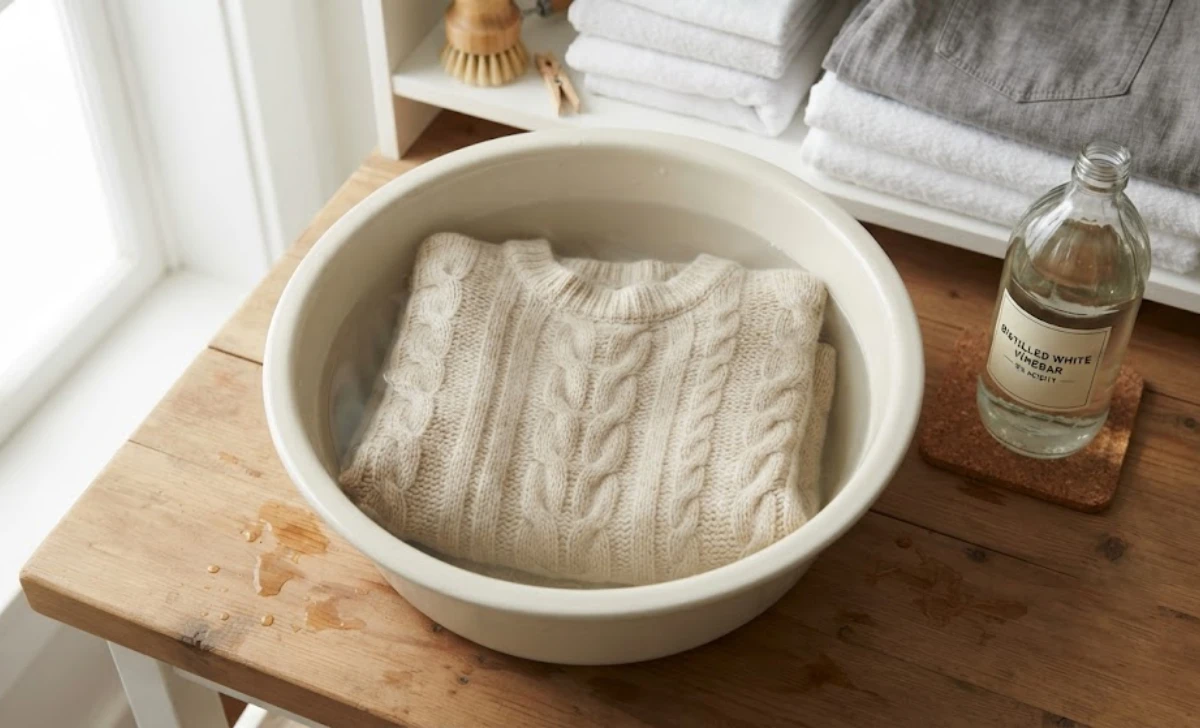
Sturdy items like cotton and denim handle a warm machine wash fine. Delicates such as silk or wool need cool hand-washing with gentle soap. For bug concerns, seal dry-clean-only pieces in plastic and freeze for a few days, or send them straight to a trusted cleaner.
Musty odors respond well to an overnight soak in cool water with a cup of white vinegar. A wash and air-dry afterward leaves even a vintage blouse smelling clean.
How Can You Build a Complete Wardrobe Entirely from Thrifted Finds?
A few successful trips in, you can think beyond single pieces. Building a wardrobe entirely secondhand is genuinely achievable with a loose plan rather than a strict checklist — useful whether you’re dressing for daily errands or soccer mom outfits that need to work hard.
Start with neutral foundation pieces: a well-fitted blazer, great jeans, a couple of quality knit sweaters. Since you’re not shopping seasonally, grab these whenever they appear, even mid-summer.
Once your base is solid, add vintage statement pieces for personality — a silk scarf, a retro bag, a bold printed dress. Over time, your wardrobe fills with stories no one else’s closet has.
Why Is Thrifting a Powerful Act of Sustainable Fashion?
Fashion carries a massive environmental footprint, and buying secondhand pushes back against it directly. Choosing a pre-owned sweater over a new one saves water and avoids manufacturing emissions.
Fast fashion depends on clothes feeling disposable, cycling trends every few weeks. Thrifting treats clothing as valuable instead, cutting demand for new resources with every purchase.
As more shoppers embrace secondhand, the industry takes notice and shifts toward circular economy models. Your personal style becomes part of something larger than a single outfit.
Thrift Store vs. Consignment Shop vs. Online Thrifting: What’s the Difference?
A traditional thrift store — Goodwill or Salvation Army, for example — relies on donations and offers the lowest prices with the widest, least-sorted variety. Consignment shops instead hand-select inventory and pay sellers a cut, so quality is higher but so is the price.
Online platforms like ThredUp or Depop let you filter precisely by brand, size, and condition, though you lose the ability to touch fabric or check seams yourself. Most experienced thrifters mix all three, depending on mood and goal.
Can You Make Money Flipping Thrift Store Finds?
Reselling is a real side hustle: buy low in-store, sell higher on eBay, Poshmark, or Depop. Successful flippers develop a sharp eye for brands with steady demand.
It does take time, storage, and patience with shipping and customer service — profit isn’t instant, and inventory sometimes sits longer than planned. Even without ever reselling, the skills involved sharpen every future thrifting trip.
Your Smart Thrifting Trip: A Final Checklist for Success
Before your next trip, remember thrifting rewards patience over rushing. You now have a full toolkit — prep, scan, inspect, clean — that turns chaos into clear steps.
Trust your hands for quality fabric, and let curiosity pull you toward sections you’d normally skip, including the men’s aisle or home goods corner. Even polished looks like suits with sneakers can come together entirely from secondhand pieces.
Thrifting improves with every trip. Walk in with confidence — your next favorite piece is waiting to be found.
FAQs
Do thrift stores wash the clothes before selling them?
Most don’t, given the sheer volume they process daily. Assume everything needs a full cleaning once you get home.
Is it safe to buy thrifted upholstered furniture?
Soft materials can harbor pests or odors more easily than hard surfaces. Inspect seams and cushions closely, and consider professional cleaning before bringing a piece indoors.
Can you return items to thrift stores?
Policies vary — many offer only exchanges or store credit within a short window. Check the posted policy before buying anything pricier or electronic.
How can you find the best thrift stores when traveling?
Search “thrift store near me” on Google Maps, or simply ask locals. Suburban and small-town shops outside major city centers often have less-picked inventory and lower prices.
Conclusion
You’ve walked the full path from overwhelmed beginner to confident thrifter. It isn’t luck — it’s a repeatable, step-by-step approach that works in any store, any season. Each trip sharpens your eye and builds a wardrobe that’s truly yours, without straining your wallet or the planet. Trust what you’ve learned here, and enjoy the hunt. Your next great find is closer than you think.