
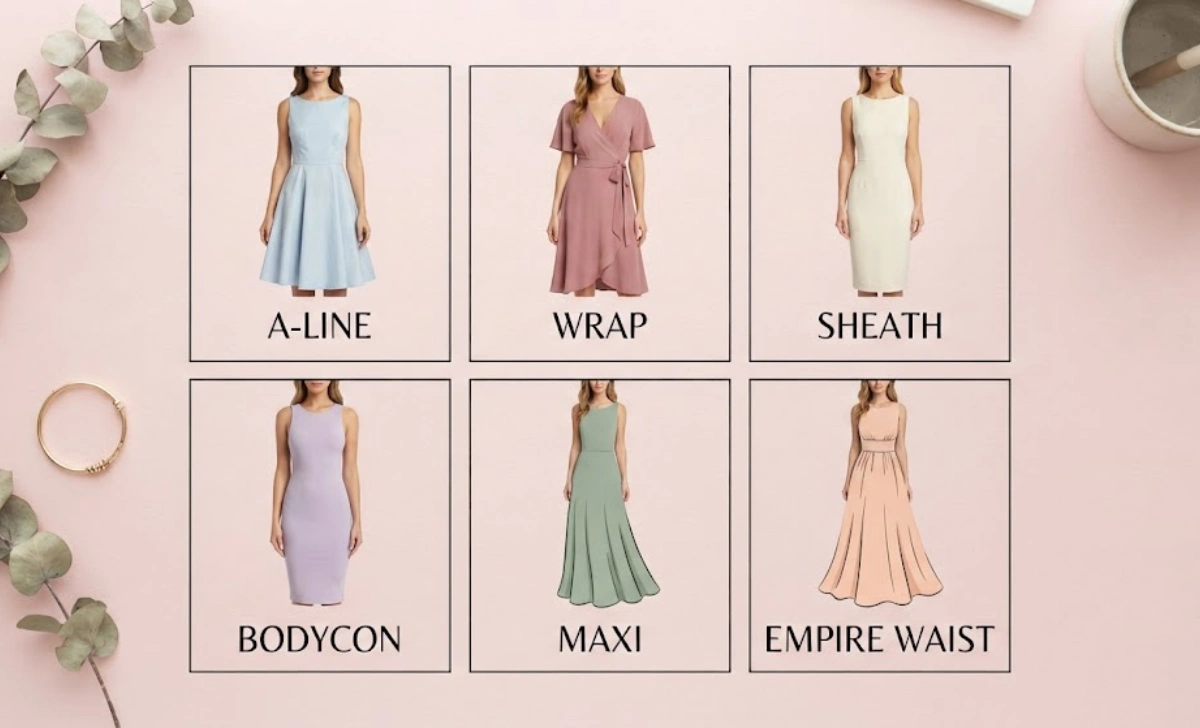
You’ve probably stood in front of a dress rack, or scrolled an online store, feeling that quiet hum of confusion. Sheath, shift, A-line, fit-and-flare — the names sound familiar but vague, and picking the right one turns into guesswork. Nobody handed you a dress code dictionary, and even bold avant-garde fashion trends feel intimidating until you learn the basics. By the end of this guide, you’ll know 23 common types of dresses by name and shape, plus a simple method for picking whichever one makes you feel like the best version of yourself.
Why Knowing Your Dress Silhouettes Matters More Than You Think
Most people choose a dress for its color or print, then feel let down when the fit misses. Silhouette drives a good look far more than either: it’s the outline a dress creates around your body, deciding where attention lands and what stays quiet.
Learn that outline, and you gain control. A glance at a rack tells you instantly whether a style suits your proportions and the occasion. That single skill saves money, time, and the frustration of a closet full of near-misses.
What Are the 23 Main Types of Dresses?
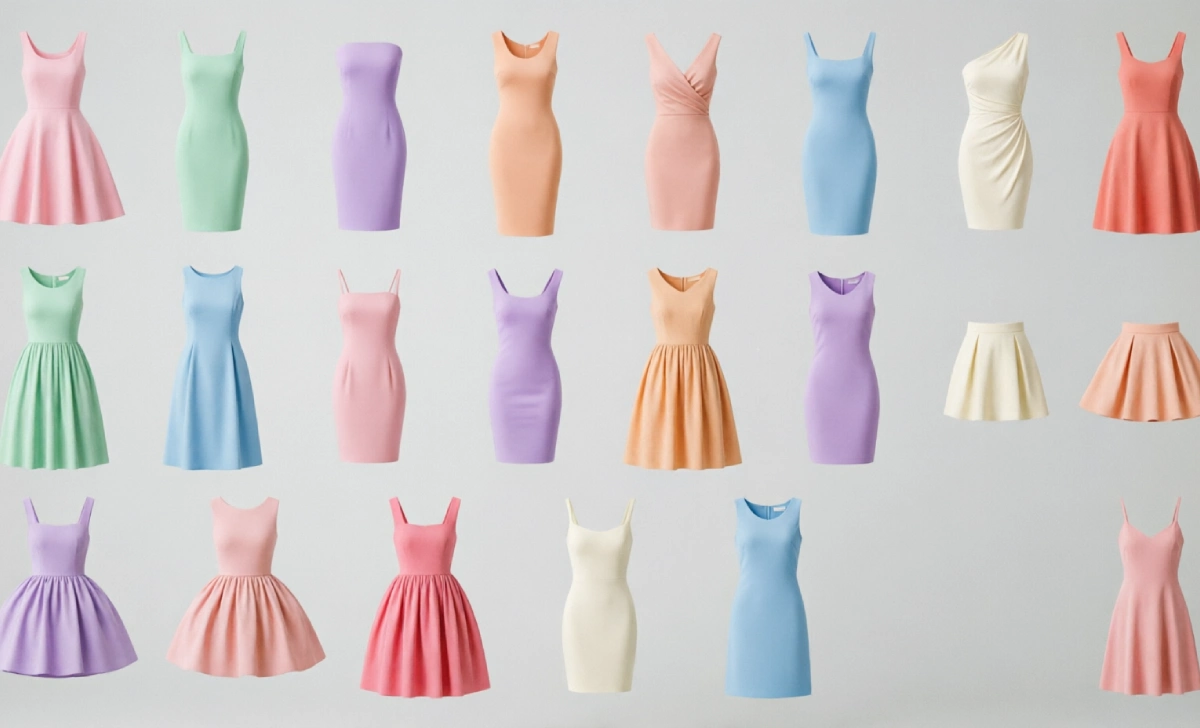
Here’s your cheat sheet — 23 distinct shapes, each built for a different job. See them side by side, and shopping stops feeling like a guessing game.
- A-line dress — Fitted at the shoulders or waist, then flares gradually into an A-shaped skirt that skims the hips. Flatters nearly every body type.
- Fit-and-flare dress — Structured at the waist before bursting into a fuller skirt. More dramatic than an A-line, equally forgiving.
- Empire waist dress — Gathers just under the bust, letting fabric fall past the midsection. Draws the eye upward and skims a rounder stomach.
- Shift dress — Hangs straight from the shoulders with no waist definition. Relaxed and modern; strong for apple shapes.
- Sheath dress — Follows your natural curves, usually stopping near the knee. Tailored, sharp, office-ready.
- Bodycon dress — Stretch fabric hugging every contour. Bold, figure-celebrating, especially on hourglass frames.
- Wrap dress — Ties at the side into a V-neckline and an adjustable waist. Arguably the most universally flattering cut ever designed.
- Shirt dress — Borrows structure from a button-down, often with a self-tie belt. Effortless and polished at once.
- Slip dress — Cut on the bias for a fluid drape. Evening-ready alone, or casual layered under a tee.
- Tube dress — Strapless, straight line, no bust shaping. A summer staple for smaller busts and rectangle frames.
- Off-shoulder dress — Frames the collarbones and shoulders, pulling focus upward. Balances wider hips.
- Halter dress — Ties around the neck, showing off shoulders and arms in one long, unbroken line.
- Peplum dress — A short, flared ruffle at the waist gives instant waist definition.
- Tunic dress — Basically a long top, worn over leggings or jeans. Relaxed and built for comfort.
- Maxi dress — Sweeps to the ankle or floor for a long vertical line. Swap sandals for heels, and it moves from beach to evening.
- Midi dress — Falls between the knee and mid-calf. Refined, especially when the hem hits your leg’s narrowest point.
- Mini dress — Ends well above the knee, so your legs do the talking. Balance it with a fitted top so you don’t look top-heavy.
- Cocktail dress — Usually knee-length in a luxe fabric, built for semi-formal parties rather than one fixed silhouette.
- Ball gown — Fitted bodice, floor-length full skirt. Reserved for black-tie events and once-a-year occasions.
- Sundress — Lightweight fabric, easy warm-weather attitude, often borrowing shapes like A-line or slip.
- Sweater dress — A cozy knit hitting the knee or mid-thigh. Pairs well with ankle boots.
- Kaftan dress — Loose and flowing from the shoulders, skimming the stomach — an instant vacation statement.
- High-low dress — Shorter in front, longer in back, blending mini-length drama with a soft skirt sweep.
How Do You Choose a Dress for Your Body Shape?
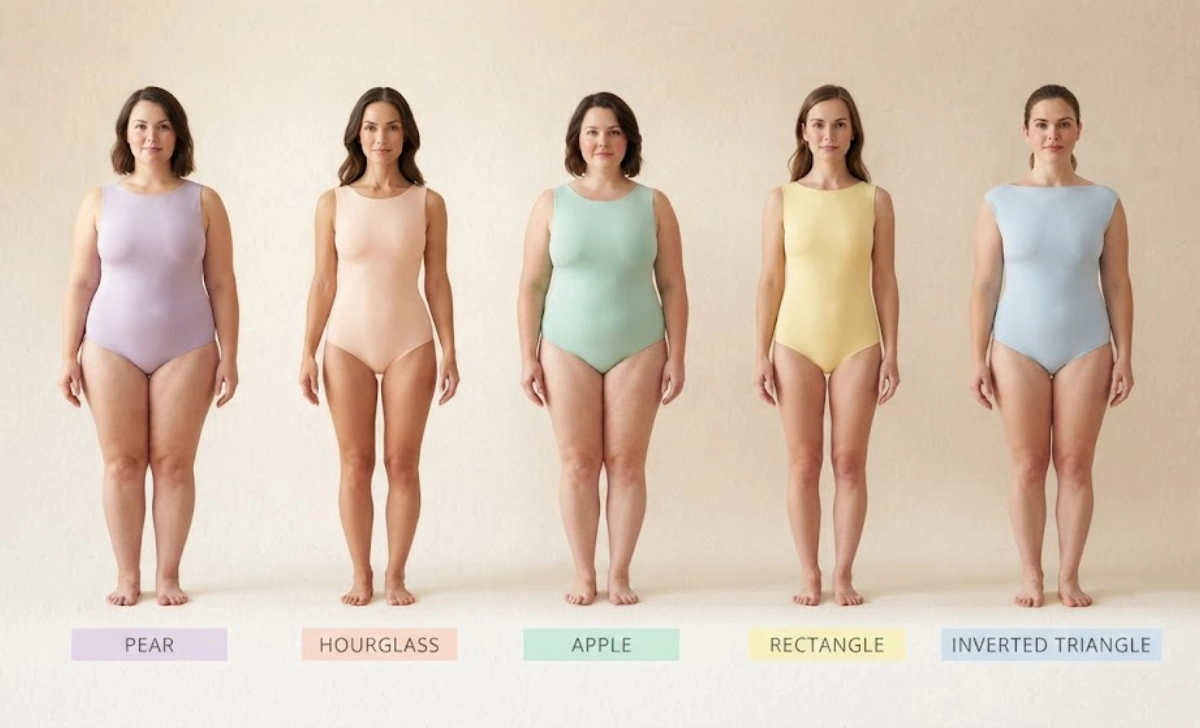
Once you know the names, the real question gets personal: which shapes work for you? Forget rigid rules and follow one balancing principle instead — add volume where you lack it, streamline where you already have plenty.
Start by noticing your dominant lines. Shoulders and hips roughly aligned with a defined waist point to an hourglass. Hips wider than shoulders suggest a pear. Weight concentrated at the middle with slimmer legs usually means apple.
A rectangle frame shows little waist definition, shoulders and hips sitting in a fairly straight line. An inverted triangle has broader shoulders or bust than hips. Most people blend shapes, so aim to spot your strongest tendency rather than a perfect category.
From there, apply the balance rule. Pears build interest up top and keep the lower half clean. Apples lean into shift dresses and empire waists. Hourglass shapes showcase curves with bodycon, wrap, or belted sheath styles. Rectangles benefit from peplum detailing; inverted triangles find balance in A-line and full skirts.
What’s the Difference Between a Sheath and a Shift Dress?
This pairing confuses more shoppers than any other. Both sit close to straight-cut and often stop near the knee, yet the fit tells two different stories. A sheath tailors in at the waist and skims the hips using darts and seaming.
A shift skips that step entirely, hanging straight from the shoulders with zero waist definition. Pick a sheath for a polished, waist-conscious look; pick a shift for unfussy ease that suits apple shapes and casual settings alike.
Which Dress Length Is Most Flattering for Petite Women?
Length changes how tall a dress makes you look. A mini shortens your visual line but keeps energy high. A midi, hitting at your calf’s narrowest point, elongates the leg beautifully on petite frames.
A maxi builds one unbroken vertical sweep from shoulder to floor, and a slight heel amplifies that height illusion. As a general rule, whichever hemline lands at your leg’s narrowest point will flatter most.
Which Dress Styles Flatter a Pear-Shaped Body?
Pear-shaped? Resist the urge to hide your hips. Add detail up top instead, and let fabric fall cleanly below. A-line and fit-and-flare styles ease gently over the hips without clinging.
Wrap dresses form a V-neckline that pulls the eye upward while still defining your waist. Off-shoulder and halter cuts widen the shoulder line visually, bringing your whole silhouette into balance.
What Dress Types Are Best for an Hourglass Figure?
An hourglass frame already holds natural balance between shoulders and hips, so the goal isn’t to change anything — it’s to honor those lines. Bodycon dresses do this directly, wrapping the body with confidence.
Wrap dresses cinch at your narrowest point. Belted sheath dresses bring structure while still showing shape. Skip shapeless, boxy cuts; they hide the exact asset you’re working with.
How to Pick the Perfect Wedding Guest Dress?
Wedding guest dressing has one firm rule: never outshine the bride. Beyond that, a midi wrap dress, a fit-and-flare style, or a polished cocktail dress all land in the sweet spot between respectful and stylish.
Daytime garden ceremonies call for lighter fabrics and softer colors. Evening receptions can handle richer fabrics and slightly more structure without crossing into black-tie territory.
What Simple Styling Tricks Make Any Dress Look Expensive?
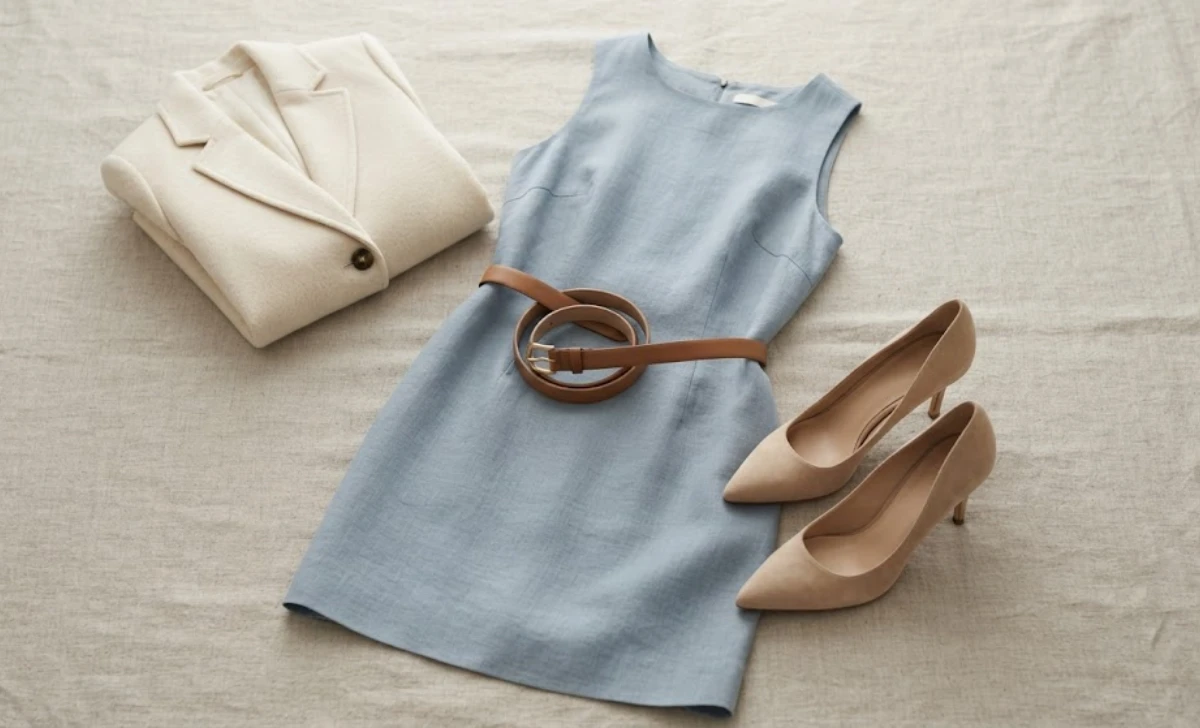
Three small moves separate a “nice” dress from an expensive-looking one. First, define the waist wherever possible — even a slim belt over a shift dress signals intention.
Second, choose shoes with purpose. A sleek heel or a clean pair of ankle boots elevates a dress in seconds; heavy, clunky footwear drags a soft silhouette down.
Third, layer smart. A blazer over a slip dress, a cardigan with a fit-and-flare, or a trench over a midi builds dimension without extra shopping. Nearly every dress on this list responds to these three tricks.
What Are the Most Common Dress Shopping Mistakes?
The biggest trap is shopping for a fantasy life — a ball gown with no event on the calendar, or a bodycon “for when I lose weight.” Buy for your real body and your real schedule instead.
Judging fit purely from a mannequin or a model causes the second mistake. A dress that looks flawless on someone six feet tall may sit completely differently on your frame, and that’s not a flaw in your body.
Finally, don’t let a trendy print override a silhouette that doesn’t suit you. Lock in your best shapes first, then experiment with trends on top of that foundation.
What Are Your Top Dress Style Questions? Quick Answers Here
What is a tea-length dress and when should you wear it?
A tea-length dress hits mid-calf, between knee and ankle. Its vintage charm suits garden parties and daytime weddings where you want polish without full formality.
Can you wear a maxi dress to a formal event?
Yes, provided the fabric earns its place. Silk or chiffon maxis feel elevated, while a casual jersey maxi stays too relaxed for black-tie settings.
What dress neckline is most universally flattering?
A V-neckline usually wins because it elongates the neck and draws the eye vertically. A wrap-style V-neck is especially forgiving since you can adjust the depth yourself.
How do you style a slip dress for daytime?
Layer a fitted tee or turtleneck underneath, swap heels for flat sandals, and add a denim jacket. That same layering logic works just as well when you style flare jeans with a simple top for a laid-back weekend outfit.
Conclusion
You now have names and shapes for all 23 dress types, plus a compass for matching them to your body instead of fighting it. Skip the rigid rules and the chase for every trend. Learn a handful of key silhouettes, watch how they sit on your own lines, and trust whatever makes you feel genuinely good. Open your closet or your browser and notice how different those dresses look now that you know exactly what you’re looking at.