
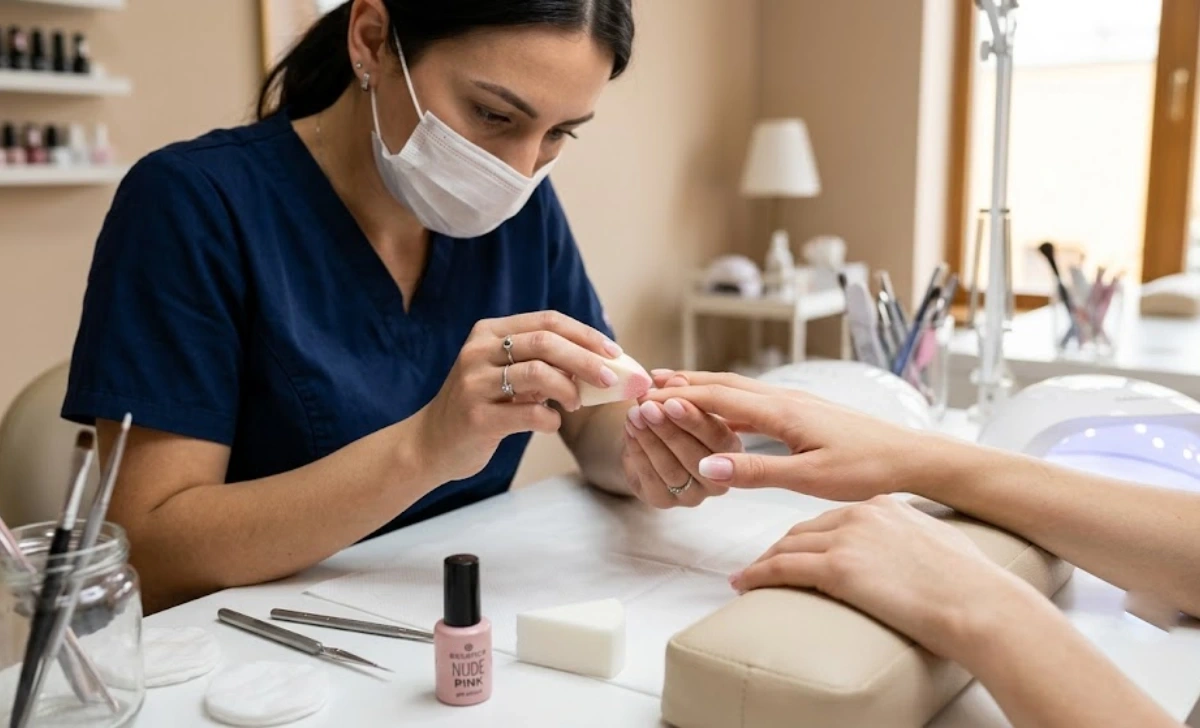
Ombre nails cost more than a regular manicure, and salons rarely explain why. You’ve seen that soft color fade saved on your phone, finally decided to book — and every salon gives you a different number. One says $45, another says $120, with no explanation between them.
Ombre nails are a blending technique, not just a color choice. That extra skill and time is what push the price above a basic manicure.
By the end of this guide, you’ll know realistic price ranges, every factor that changes your total, and how to walk into any salon confident and prepared.
What Exactly Are Ombre Nails and Why Do They Cost More?
Ombre nails are built around a gradient fade, usually from one color to another, or from sheer to solid. A nail tech creates this effect using a sponge, airbrush, or powder layering — and each finger can take several extra minutes compared to a regular polish job.
A standard manicure is relatively quick: base coat, two color coats, top coat. An ombre set adds blending, re-blending, and sealing steps before the finish even begins. That labor is real, and so is the extra product used.
You are not just paying for a color. You are paying for technique, skill, and the time it takes to make that fade look clean from every angle.
How Much Do Ombre Nails Typically Cost at a Salon?
Most people pay between $55 and $95 for a standard salon ombre set. In high-cost cities like New York or Los Angeles, that range stretches to $100–$130 for longer nails or premium products.
In smaller towns or budget-friendly salons, you might find an ombre gel set for $45 to $65. Lower prices are not always a red flag, but they sometimes reflect shorter service time or lower-grade products that wear down faster.
There is no single “average” because your final bill depends on choices you make before the tech even picks up a brush. Once you understand those choices, the numbers start to make sense.
What Factors Make Ombre Nail Prices Go Up?
Nail length is the first thing that changes your total. Short nails need less product and less time to blend. Long nails — especially if tips are added — require more structural work, more filing, and a larger canvas to blend across. A short set keeps you at the lower end of the price range. Long coffin or stiletto nails push you straight to mid-to-high.
Shape is the next factor. Round and square shapes are standard and fast to create. Coffin, stiletto, or ballerina shapes require precise sculpting, and many salons add a $10 to $20 shape surcharge. Add glitter, rhinestones, or chrome powder, and you are looking at a per-finger fee that adds up quickly across ten nails.
Finally, your technician’s experience quietly affects the price too. A junior tech may charge less but take longer or produce an uneven fade. A senior specialist charges more because their results are consistent and their time is in demand. You are paying for that reliability.
Ombre Acrylic, Gel, and Dip Powder: A Cost and Quality Comparison
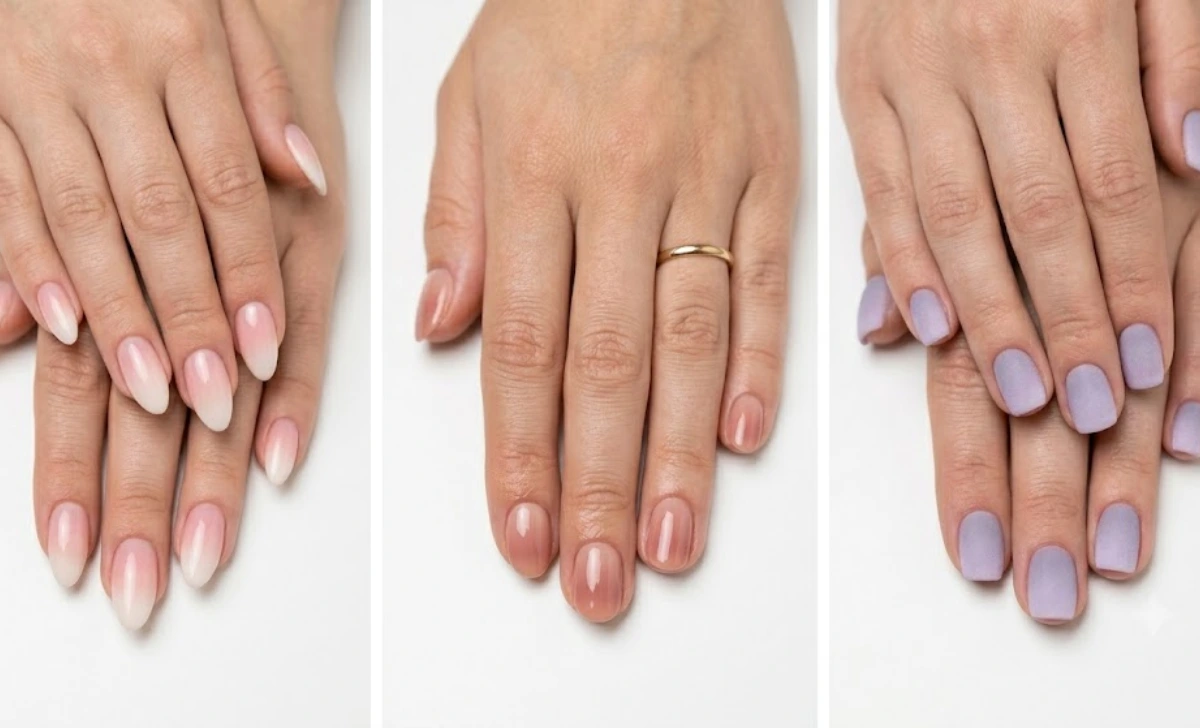
The three main systems for ombre nails each sit in a slightly different price bracket. Understanding the difference helps you choose based on your lifestyle and budget, not just what sounds familiar.
If you want to go deeper into how these systems compare beyond price, this gel vs acrylic nails breakdown covers the key differences in durability, feel, and maintenance.
Acrylic ombre nails typically cost $55 to $85. The pink-and-white fade — often called baby boomer or French ombre — is especially common in this category. Acrylic is durable and great for adding length, though it can feel heavier on the nail.
Gel ombre usually runs $50 to $90. It creates a flexible, glossy finish with less odor during application. Brands like OPI and CND appear in salons that charge at the higher end, and their pigments tend to wear more evenly over time.
Dip powder ombre sits between $50 and $85, depending on whether the salon treats it as a standard or specialty service. It is lightweight and long-wearing, and SNS is the brand name you will hear most often. Each method has loyal fans — the right one for you depends on your nail health and daily routine.
What Are the Hidden Costs? Removal, Fills, and Upgrades
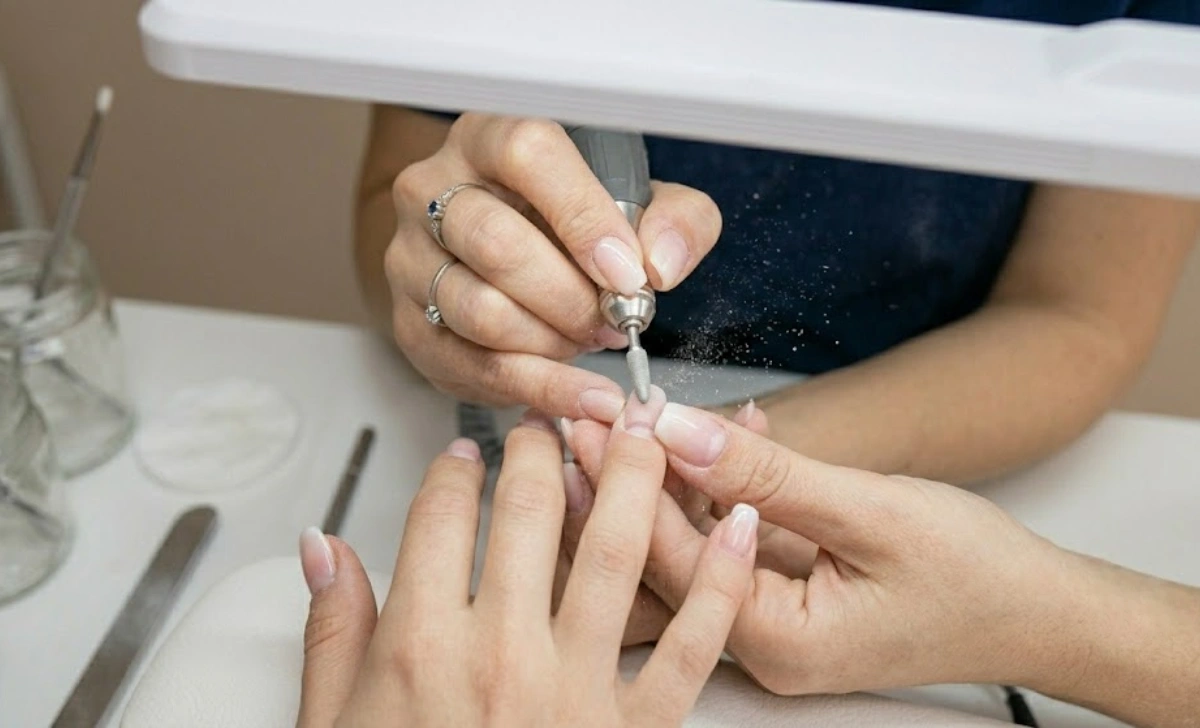
The full set price is just the beginning, and this is where most people get caught off guard. Fills are the highest recurring cost. Every three to four weeks, the growth gap near your cuticle needs to be filled in and reblended. A fill usually costs 50 to 70 percent of the full set price.
So if your full set was $70, expect fills in the $35 to $45 range. Over twelve months, fills alone can add up to over $500, before anything else is counted. That number surprises most people the first time they see it laid out.
Removal is another charge that often goes unmentioned. Some salons include removal when you book a new set. Others charge $15 to $25 separately, especially if you are just removing and not replacing. Mid-fill upgrades — changing your shape, repairing a broken nail, or adding a design detail — are also billed separately. Knowing these exist lets you ask for a full, all-in quote before the work starts.
Can You Do Ombre Nails at Home and Save Money?
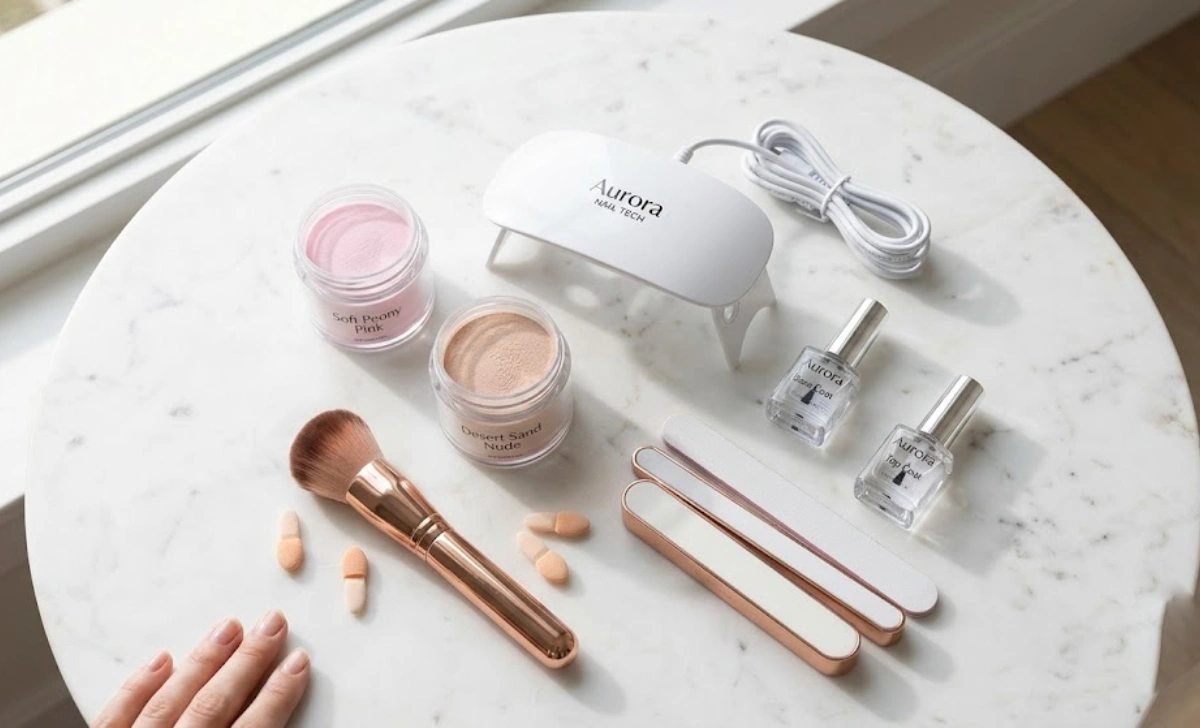
You can absolutely try ombre nails at home, and plenty of people do. The real savings depend on whether you stick with it long enough to make the upfront investment pay off.
A solid at-home setup — dip powder kit from a brand like Kiara Sky, a UV lamp if needed, sponge brushes, files, and a base and top coat — runs between $80 and $120 for first-time buyers. If you already want to try gel nails specifically, this guide on how to do gel nails at home walks you through the full process step by step.
Once your tools are ready, each at-home application costs around $5 to $8 in product. Compare that to twelve salon visits a year at $70 each — you are looking at over $700 annually at the salon versus much less at home. The honest trade-off is time and a learning curve. Most people need six or seven tries before their fade looks consistently clean.
Many people find a practical middle ground: do fills and basic maintenance at home, and visit a tech for full sets or special occasions. That approach gives you quality results without paying full salon prices every few weeks.
How to Find a Fair-Priced Ombre Nail Salon Near You
Start with real client photos, not just the salon’s curated feed. Booking platforms like Booksy and StyleSeat often display pricing estimates alongside recent work tagged with local locations. Look for ombre sets where the fade is smooth close-up, and the shape looks consistent across fingers.
Read reviews with a pricing lens. Phrases like “transparent pricing” or “no surprise fees” are good indicators. Complaints about being rushed or charged more than quoted are worth taking seriously. Once you narrow it down to two or three options, call each one and ask for a complete quote — method, length, and shape included.
A salon that gives you a clear number without hesitation is showing you that they respect both their pricing and your budget. That kind of confidence is a good sign before you sit down.
Questions to Ask Your Nail Technician Before Booking
The right questions before your appointment can prevent almost every billing surprise. Start with: “What is included in the ombre set price?” Some salons bundle cuticle care and a basic shape into the rate; others charge those separately.
Follow up with: “Does the price change for my preferred shape or length?” A simple question like “Is coffin shape extra?” can save you from a quiet addition to your bill at checkout. You might also ask what brand products they use and how they create the fade — sponge, brush, or airbrush. A tech who answers those questions easily is one who takes their craft seriously.
Finally, ask about their fill and removal policies upfront. A technician who explains these things freely is someone who values your long-term care, not just your first visit.
Is the Ombre Nail Look Worth the Long-Term Cost?
Over a full year, ombre nails cost most people between $800 and $1,200, depending on method, length, and fill frequency. Some people see that number and immediately look for ways to cut back. Others see it as a consistent part of how they present themselves every day.
When ombre is done well, it grows out more gracefully than a solid color, which means you can sometimes stretch the time between appointments. That small flexibility adds up over twelve months.
You now have the full picture — what you are paying for, what pushes the price up, and how to find fair value without guessing. Walk into your next salon appointment knowing exactly what a reasonable quote looks like and what questions to ask before the work begins.
Common Questions About Ombre Nails Cost
How much should I tip on an ombre nail service?
Tip 15 to 20 percent of the total service cost, the same as you would for any beauty appointment. If the tech handled a complex design with care, leaning toward 20 percent is a fair and appreciated gesture.
Does the price of ombre nails include nail art or just the fade?
The base ombre price generally covers the gradient only. Small details like a single glitter nail might be included, but rhinestones, hand-painted designs, and chrome finishes are almost always charged separately per nail.
How often do I need a fill, and how does that affect yearly cost?
Most people need a fill every three to four weeks. If your full set is $70 and fills are $40, you are looking at roughly $480 in fills alone over twelve months, on top of the original set cost.
Are ombre nails more expensive than a French manicure?
Yes, typically $10 to $25 more. The blending process behind ombre requires more steps and a higher skill level than a clean white-tip French manicure.