You sit down in the salon chair and your stylist asks one simple question: half head or full head highlights? If that moment has ever made you freeze, this guide on half head vs full head highlights is exactly what you need. By the end, you will know which service fits your hair type, your budget, and your maintenance lifestyle.
What Is a Half Head of Highlights, Exactly?
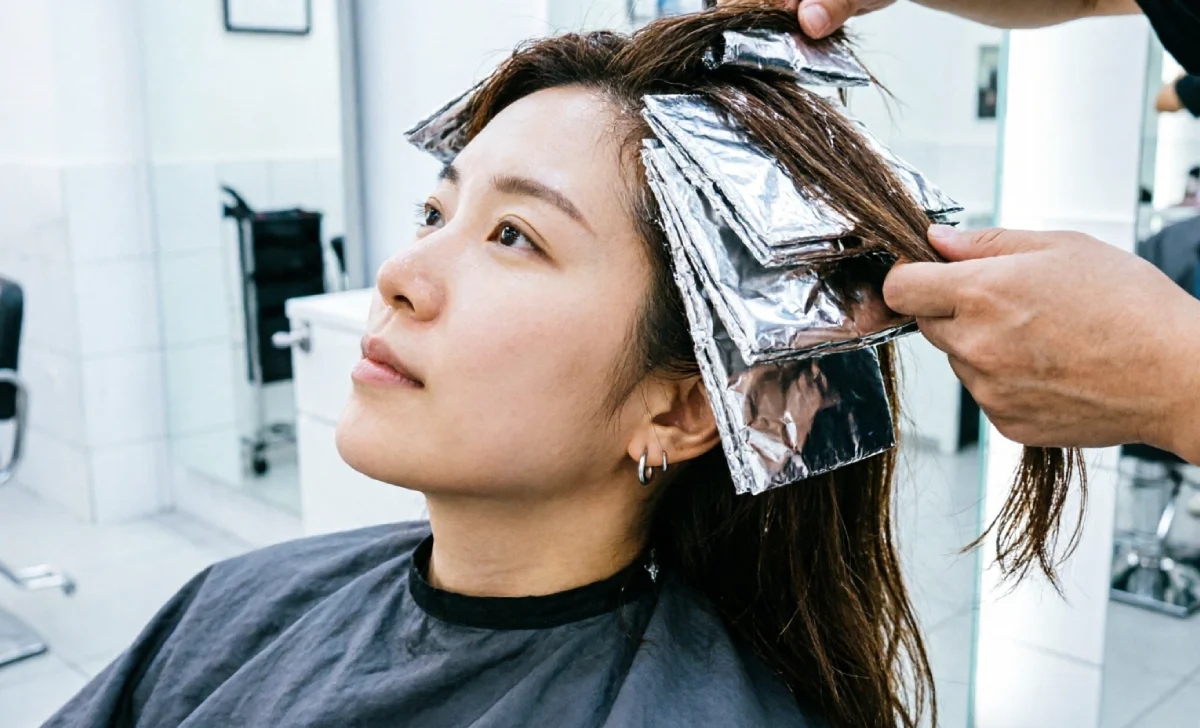
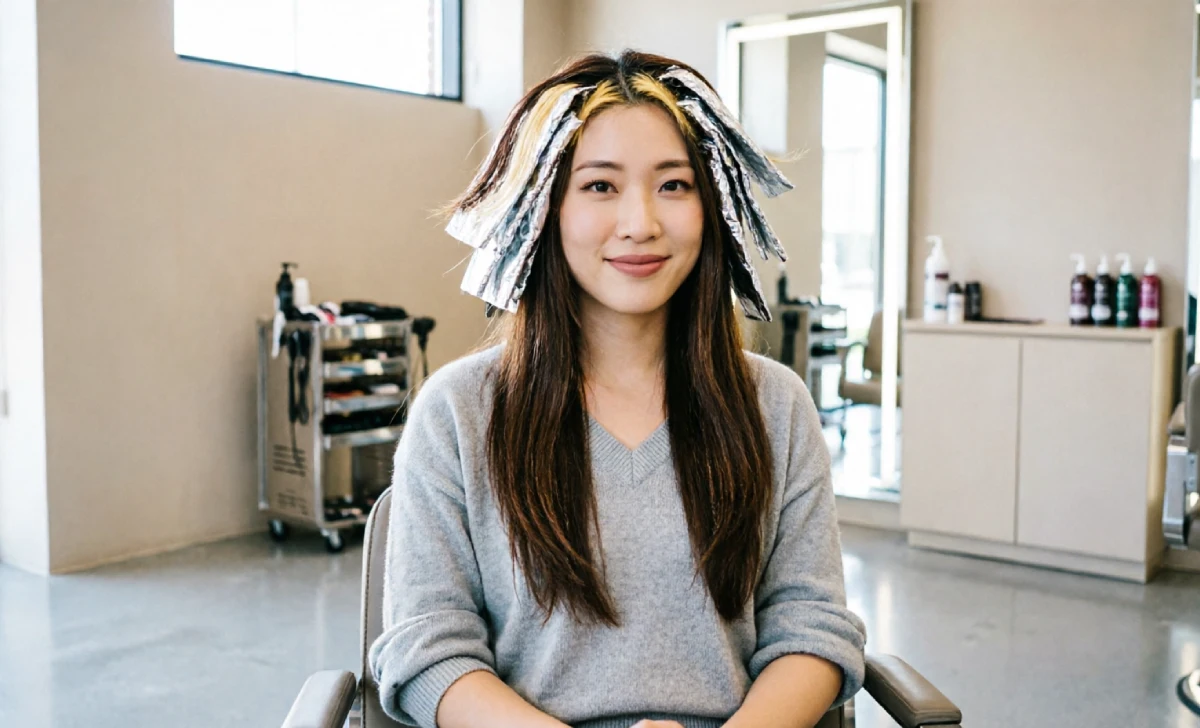
A half head of highlights means your colorist places foils on the top section of your scalp, along your parting, and down the sides. The back and underneath layers stay close to your natural base color. This brightens the most visible areas without touching every section.
The result feels soft and dimensional rather than dramatically transformed. You will notice the brightness every time you face a mirror, but someone standing behind you may not see a huge difference. That subtlety is exactly why so many clients prefer this option for a low-commitment color change.
A half head typically uses twenty-five to forty foils. The appointment moves faster, which keeps your time in the chair shorter and your bill lower.
What Does a Full Head of Highlights Cover?
A full head of highlights places foils across your entire scalp, from the crown and sides all the way down to the nape of your neck. When you wear your hair down, brightness appears everywhere. Pull it up, and no dark block of base peeks through at the back.
This all-over coverage creates a more uniform lightened result. The transformation feels complete and makes a stronger visual statement from every angle. Brands like L’Oréal Professionnel provide lighteners that help colorists achieve this level of lift while keeping the hair’s condition intact across so many sections.
A full head typically uses forty to seventy or more foils. You spend more time in the chair and pay more for the product, but the payoff is consistent brightness that looks polished without extra styling effort.
How Much Do Half Head vs Full Head Highlights Cost?
The price gap comes down to three things: time, product, and the colorist’s focus across a larger area. A half head moves faster because only a portion of your scalp is covered, which means a lower service fee. Most salons price it comfortably in the mid-range of their color menu.
A full head adds thirty to forty-five extra minutes, sometimes more for thick or long hair. You are also paying for additional lightener, toner, and any bond-protecting additive like Olaplex that the salon includes. Those extras protect your hair but do increase the final number on your receipt.
Maintenance costs also differ over time. Half head clients often stretch touch-ups to twelve or sixteen weeks. A full head can feel more demanding on your calendar and wallet, with most clients returning every eight to ten weeks.
The Key Differences in Placement and Density
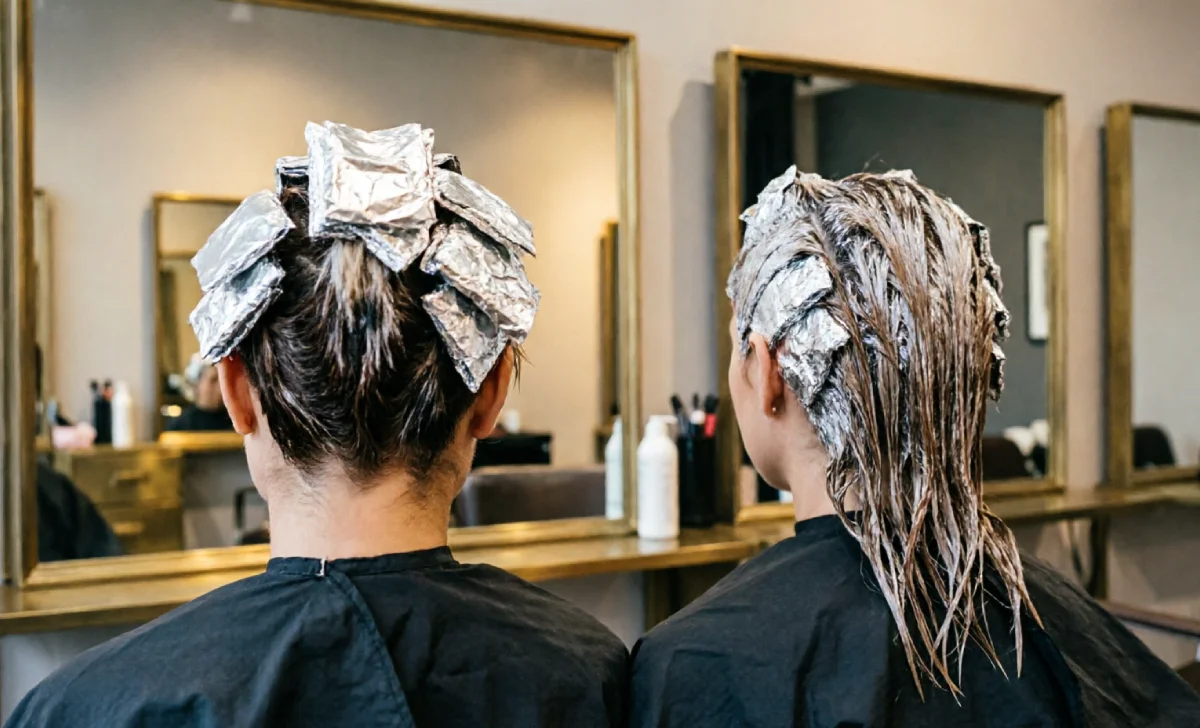
Placement is what separates these two services most visibly. A half head concentrates lightness on the surface zones where light naturally hits. A full head distributes that brightness evenly from the hairline all the way down to the nape across every section of the scalp.
Density changes how your hair looks when it moves. Fewer foils in a half head let the darker base underneath create natural depth. More foils in a full head minimize that contrast, producing a consistently lighter result no matter how your hair falls.
Your scalp visibility shifts too. Half head keeps your natural root color dominant at the back, softening the regrowth line. Full head brings lightened pieces closer together, so grow-out appears more uniform across the whole scalp.
Which Service Is Better for Your Hair Type and Length?
Fine or thin hair often does best with a half head. Too many foils across delicate strands can make the scalp more visible, and the result feel over-processed. A colorist can also add face-framing pieces that make fine hair look fuller without overloading it.
Thick or coarse hair frequently benefits from the even distribution of a full head service. Concentrating foils only on top can leave the back looking noticeably darker and heavier, almost like an unintentional two-tone effect. Spreading highlights throughout prevents that line of contrast.
Hair length changes the equation too. A short bob already exposes the back of the head, so a half head can look perfectly balanced. With very long hair, the lower lengths can feel disconnected from the brighter sections above if only the top half receives foils.
How Does Regrowth Look with Half Head vs Full Head Highlights?
Half head highlights tend to grow out with less obvious contrast. The darker sections at the back create a natural shadow that softens the transition, giving many clients the confidence to stretch appointments to twelve or even sixteen weeks.
Full head highlights grow out as a more uniform band around the part and hairline. This looks intentional if you keep up with visits every eight to ten weeks, but the contrast can feel stark if you prefer to delay salon trips. Your natural base color plays a huge role — a strong contrast between dark roots and platinum pieces will demand more frequent maintenance regardless of which service you choose.
What About Damage? Protecting Your Hair During the Process
Any time you lift color from your hair, your strands go through real stress. The good news is that modern professional products have changed what is possible during intensive services. Bond-building additives like Olaplex and L’Oréal Professionnel Smartbond work during the lightening process to protect the hair’s internal structure from breaking down.
Ask your colorist to include a bond protector in your lightener, especially for a full head service. This small addition makes a measurable difference in how your hair feels weeks later when you are brushing through it at home. It is the most impactful thing you can request beyond choosing the right service type.
How to Talk to Your Stylist About Highlights
The consultation is where great color actually begins. Tell your colorist where you want to see brightness rather than just saying you want highlights. Mention whether you care most about the top, around your face, or all over when your hair is pulled back.
Bring one or two reference photos of hair with a similar base color and texture to yours. Ask your stylist whether that look needs a half or full head to achieve, and listen to their answer even if it surprises you. A simple phrase like “I want brightness, but I’m concerned about damage, can we use a bond builder?” gives them everything they need to make you happy.
Half Head vs Full Head vs Balayage and Babylights
Balayage is a freehand painting technique where lightener is swept onto the surface of your hair without foils, creating a soft grown-out look from day one. It falls into a different category than traditional half or full-head highlights, which rely on foils for precise, saturated lift.
Babylights are ultra-fine highlights that mimic the subtle natural dimension you might see on a child’s sun-lightened hair. You can get babylights in a half-head or full-head density, depending on how all-over you want that delicate effect to appear. Clarifying exactly which method and which coverage area you want keeps everyone on the same page from the start.
Your Simple Decision Checklist
Ask yourself how much of your hair you want lightened on an average day. If the top and around your face is enough, a half head will satisfy that. If you want consistent brightness everywhere, including when your hair is pulled up, a full head is the right call.
Think about your daily hair routine and how you actually wear your hair, not how you imagine wearing it. Someone who lives in ponytails will notice the back-of-head difference far more than someone who always wears their hair down. Let your real daily habits guide the choice, not an idealized version of them.
Aftercare Essentials for Long-Lasting Highlights
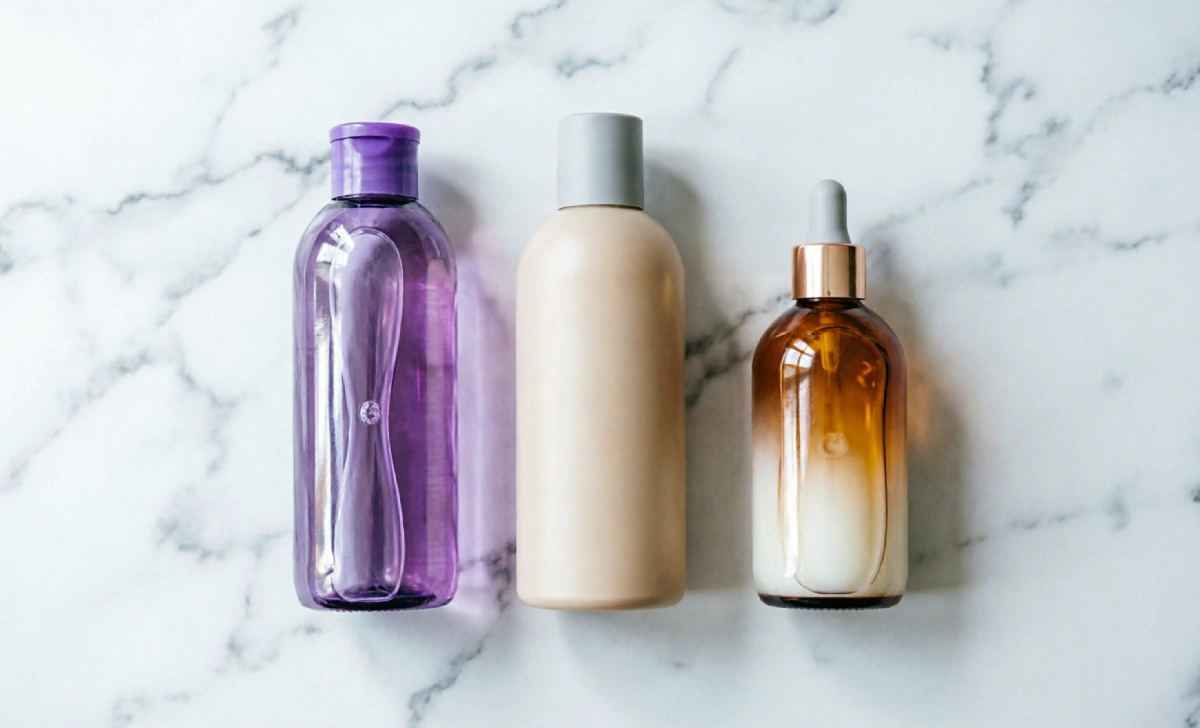
Your highlights are a real investment, and a few simple swaps at home keep them looking fresh far longer. Start with a color-safe, sulfate-free shampoo and conditioner that won’t strip your toner within two weeks. Sulfates are the main driver of fade, so checking the label takes thirty seconds and saves weeks of color life.
Purple shampoo used once a week makes a visible difference when your highlights start pulling warm or brassy. Leave it on for two to three minutes, not longer, or you risk an accidental lavender tint. Home bonding treatments like Olaplex No.3 rebuild the internal bonds that break during lightening, and using one for ten minutes before shampooing once a week pays off in noticeably more shine and less snapping when you brush — a small but worthwhile beauty investment for anyone serious about color-treated hair.
FAQs
Can you get half head highlights on very short hair?
Yes. On a pixie cut or cropped bob, a half head often looks complete because the back and sides are naturally exposed. Your colorist adjusts the foil placement so the brightness feels balanced without overwhelming the cut.
How long does a half-head appointment take compared to a full head?
A half head typically runs forty-five minutes to an hour and a half. A full head can take ninety minutes to over two hours, depending on your hair density and length.
What should you do if you regret choosing half head and want more brightness?
Most colorists can add highlights at a follow-up appointment to increase coverage. Tell them exactly what feels missing, and they will target those areas without starting from scratch.
Do half head highlights work on dark brown or black hair?
They do, and the contrast can look rich when done well. The key is toning the lifted pieces to a warm caramel or honey shade so the transition from dark base to lightened strand feels intentional rather than brassy.
Conclusion
Choosing between half head and full head highlights comes down to how much brightness you want, how often you can realistically maintain it, and how that fits your overall look. A half head gives you soft dimension with easy grow-out and a lower price. A full head wrap gives you consistent, all-over brightness that makes a bolder statement. You now have everything you need to walk into your next appointment, speak clearly about what you want, and leave with exactly the hair you pictured.