
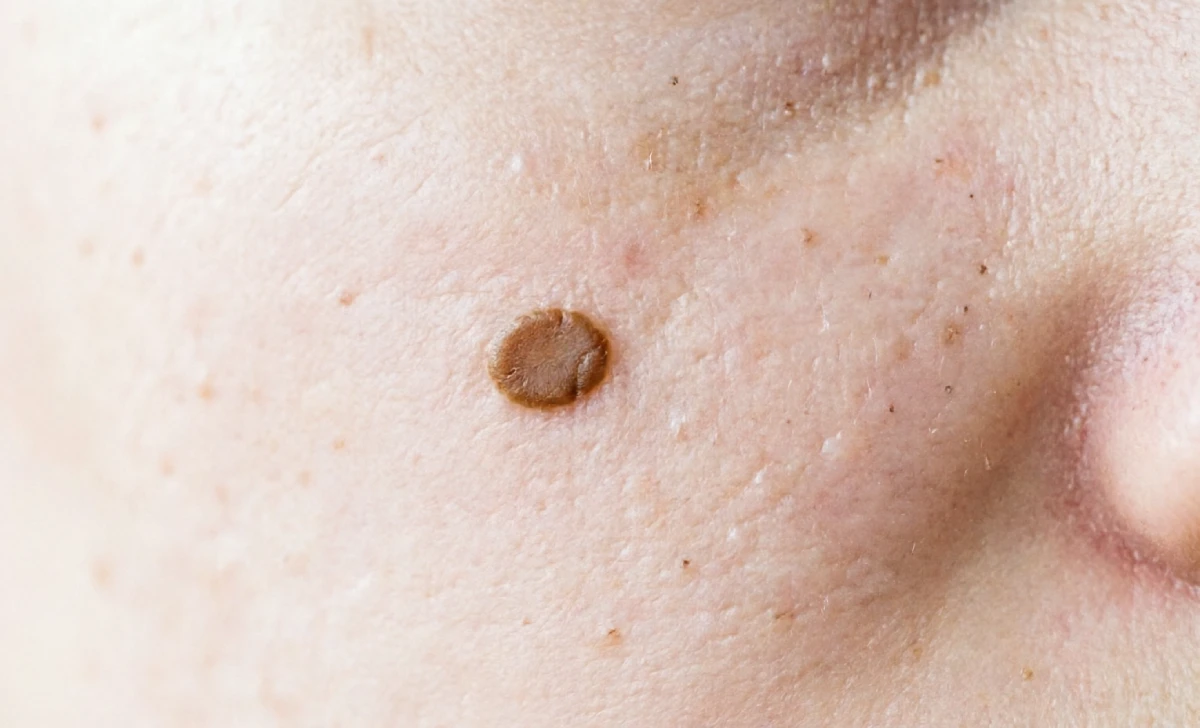
If you are considering flat mole removal but are not sure where to start, you are not alone. Many people feel frustrated by these marks and want a safe, permanent solution. This guide walks you through how dermatologists remove flat moles, what it costs, and how to protect your skin during recovery.
What Exactly Is a Flat Mole and Why Do You Have Them?
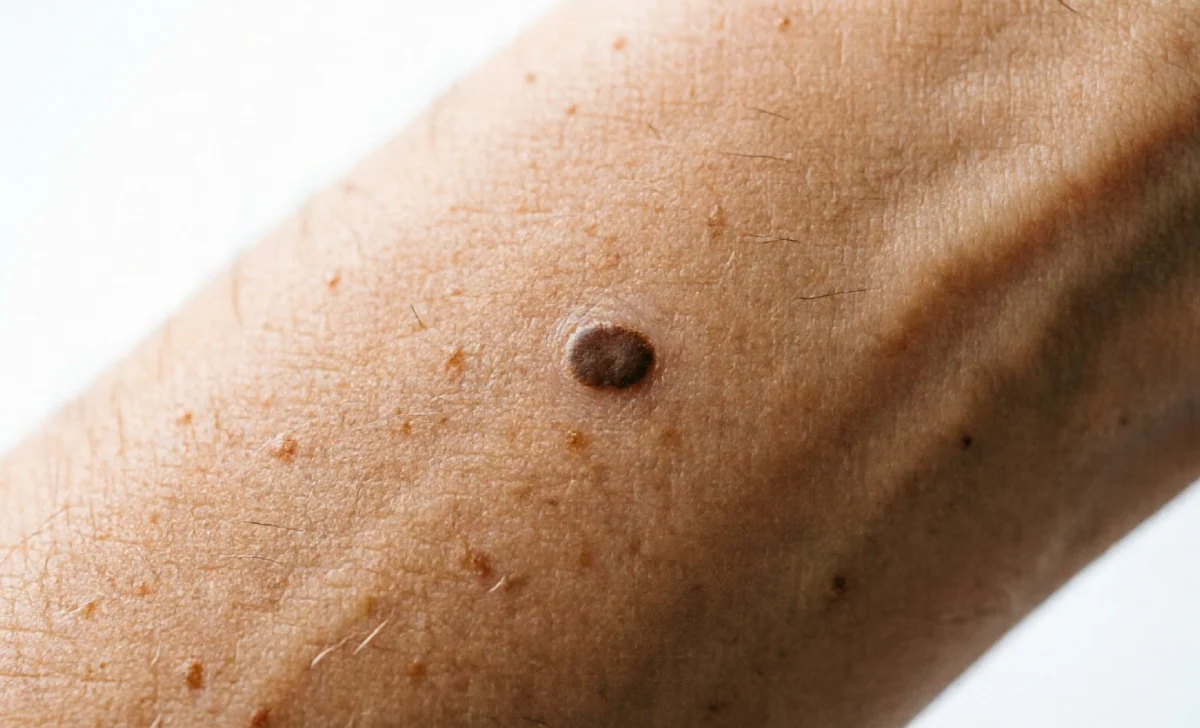
These marks appear when pigment-producing cells called melanocytes cluster together instead of spreading evenly. The result is a flat, dark spot that sits flush with the surface of your epidermis. Unlike raised bumps, these growths blend into your skin and stay there.
Genetics determines how many of these spots you develop over your lifetime. If your parents had several, there is a strong chance you will too. Sun exposure during childhood can also trigger their formation and make them more visible as you age.
Most flat moles are completely benign and pose no health risk on their own. They are simply clusters of pigmented skin cells sitting in a patch. That said, any change in size, shape, or color is worth getting checked by a professional.
Some people feel self-conscious about these marks, particularly when they appear on the face or neck. Others experience mild irritation when the spot rubs against a collar, strap, or jewelry. Both are valid reasons to pursue professional removal.
How Do Dermatologists Remove Flat Moles Safely?
The process always begins with a thorough visual examination by a board-certified dermatologist. The doctor checks the spot before agreeing to any procedure to rule out anything concerning. This step protects you and ensures the removal is completely appropriate for your situation.
Once the spot is cleared for removal, the doctor applies a local anesthesia injection to numb the area. You may feel a small pinch for a second, then the skin goes completely numb. The actual procedure happens without any pain on your part.
The clinical setting is kept sterile throughout the entire visit. Specialized tools and antiseptic preparation are standard at every reputable dermatology clinic. This controlled environment is what separates professional removal from anything you could attempt at home.
Professional Flat Mole Removal Methods Explained
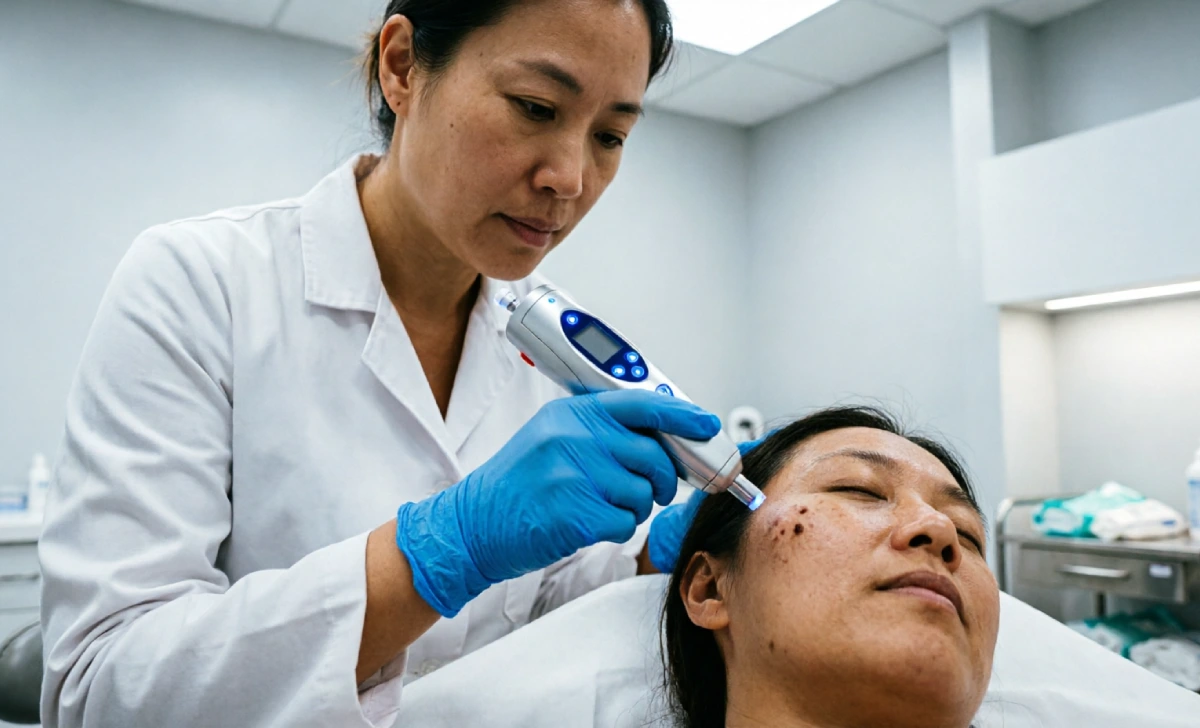
The right technique depends on how deep the pigment sits and your individual skin type. For shallow, flat spots on the face, laser therapy is often the first recommendation. A carbon dioxide laser breaks down the pigment cells so your body can clear them away naturally over the following weeks.
Shave excision works well for spots with slightly deeper roots. The doctor uses a tiny surgical blade to carefully shave the growth level with the surrounding skin. This method is fast and rarely requires any stitches afterward.
Surgical excision is used for larger or deeper marks that need complete removal. The dermatologist removes the entire spot and closes the skin with fine sutures. This approach also allows the tissue to be sent to a lab for a biopsy if needed.
Cryotherapy is another available option, where liquid nitrogen freezes the pigmented cells in place. The treated area blisters and falls away, leaving fresh skin underneath. Some clinics also use radiofrequency devices that vaporize the cells with precision and cause very little surrounding tissue damage.
Can You Remove a Flat Mole at Home Without Scarring?
Over-the-counter mole removal creams are widely advertised online, but they are genuinely dangerous. These chemical pastes burn through multiple layers of skin with no way to control how deep they go. The result is almost always a permanent, disfiguring scar.
Physically cutting or tying off the spot yourself carries even more serious risks. Without sterile equipment or proper technique, you are opening the door to severe infection, uncontrolled bleeding, and lasting damage. The money saved is never worth the consequences.
Home remedies like apple cider vinegar or baking soda paste are popular in videos but cause real harm. These ingredients disrupt the skin’s natural pH barrier and produce chemical burns that scar heavily. The wound they leave behind is often worse than the original mark.
There is also a medical reason to avoid DIY removal. If the spot turns out to be malignant, burning or scraping it off at home leaves dangerous cells behind to spread further. A dermatologist sends the removed tissue to a lab, which can catch a problem before it becomes serious.
How Much Does Professional Flat Mole Removal Cost?
For cosmetic removal, you will most likely pay out of pocket. Prices typically range from one hundred to five hundred dollars per spot, depending on the size, method, and clinic location. Laser treatments are sometimes priced higher than shave excision due to the equipment involved.
Health insurance may cover the procedure if the removal is medically necessary. If the spot bleeds regularly, catches on clothing, or shows suspicious changes, it qualifies as a medical concern. Your dermatology clinic can help you submit the correct codes to your provider for possible reimbursement.
Always ask for a full, all-inclusive quote before your appointment. Some clinics bundle the consultation and follow-up visits into one flat fee, while others bill separately. Knowing the complete cost upfront prevents surprises and helps you plan accordingly.
Many clinics also offer payment plans or financing options for those who want multiple spots treated. Medical credit cards can spread the cost across several months with low or no interest during a promotional period. Getting the skin you want does not have to mean paying for everything at once.
The Healing Process and Essential Aftercare Tips
The days immediately after your procedure are critical for achieving the best cosmetic result. Keep the treated area clean and apply a topical antibiotic ointment to prevent infection and keep the wound moist. A moist healing environment consistently produces less visible scar tissue than a dry, scabbed one.
Sun protection is non-negotiable during healing time. UV rays hitting fresh skin cause hyperpigmentation, which leaves a dark mark that can take months to fade. Wearing SPF 50 and keeping the area covered outdoors are the two most important habits you can build right now.
Once the surface has fully closed, silicone scar sheets can help flatten the healing tissue. These pads hydrate the skin and guide collagen to repair evenly. Used consistently for several weeks, they make a real difference in the final appearance of the treated area.
Avoid picking at scabs or pulling at peeling skin during recovery. Disrupting the healing tissue too early reopens the wound and can permanently affect the result. Letting the area shed naturally is one of the simplest and most effective things you can do to look years younger after removal.
Stay away from swimming pools, hot tubs, and heavy exercise for at least one week. Chlorine and bacteria in water can easily infect an open wound, and sweat creates a warm environment where bacteria thrive. Keeping the area clean and dry speeds recovery more than any cream or supplement.
How Do You Know If Your Flat Mole Needs Medical Attention?
Not every flat mole needs removal, but some genuinely do require a doctor’s evaluation right away. Dermatologists use the ABCDE rule to assess whether a skin lesion is a concern. Asymmetry, irregular Border, uneven Color, large Diameter, and any change that is evolving are all warning signs worth taking seriously.
If your mole is growing, bleeding without reason, or developing multiple shades of brown, red, or black, book a dermatologist appointment promptly. A quick mole biopsy can confirm whether the tissue is benign or needs further treatment. Catching melanoma early is the single most important factor in a positive outcome.
Even if the mark has been stable for years, a dermatologic surgeon can tell you whether removal is advisable. Routine skin cancer screenings are a smart habit for anyone with multiple pigmented spots. You deserve to glow up faster with full confidence that your skin has been properly checked.
Moles that itch persistently, crust over repeatedly, or feel tender without obvious cause should not be ignored. These symptoms can indicate changes happening beneath the surface that are not visible to the naked eye. A professional examination takes only a few minutes and gives you clear answers.
Regular self-checks at home also help you stay informed. Take a photo of any flat mole you want to monitor and compare it monthly. If anything shifts noticeably, that photograph becomes useful evidence for your dermatologist during your next skin care consultation.
FAQs
Can a flat mole grow back after it is removed?
A spot can return if the deeper pigment cells were not fully destroyed during the initial procedure. Your dermatologist can address this easily with a follow-up laser session in most cases.
How long should you wait before wearing makeup over the site?
Avoid applying any product directly over the open wound for at least one week. Once the skin has fully closed and healed, you can safely return to your normal routine.
Does laser removal leave a worse scar than surgical excision?
Laser therapy generally produces less visible scarring because no physical cutting is involved, making it the preferred option for facial spots. Surgical excision leaves a small linear mark, but a skilled dermatologist places it to blend with your natural skin lines.
Should you remove a mole that has not changed in years?
A completely stable mole does not need removal for health reasons, but you can still choose to have it removed for cosmetic preference. Discuss your goals with a dermatologist to decide whether removal makes sense for you.
Conclusion
You have real, safe options for removing flat moles, and none of them require guesswork or risk. Trusting a board-certified dermatologist gives you the best chance of a clean result with minimal downtime. Skip the home remedies, follow your aftercare instructions carefully, and your skin will thank you for it.