
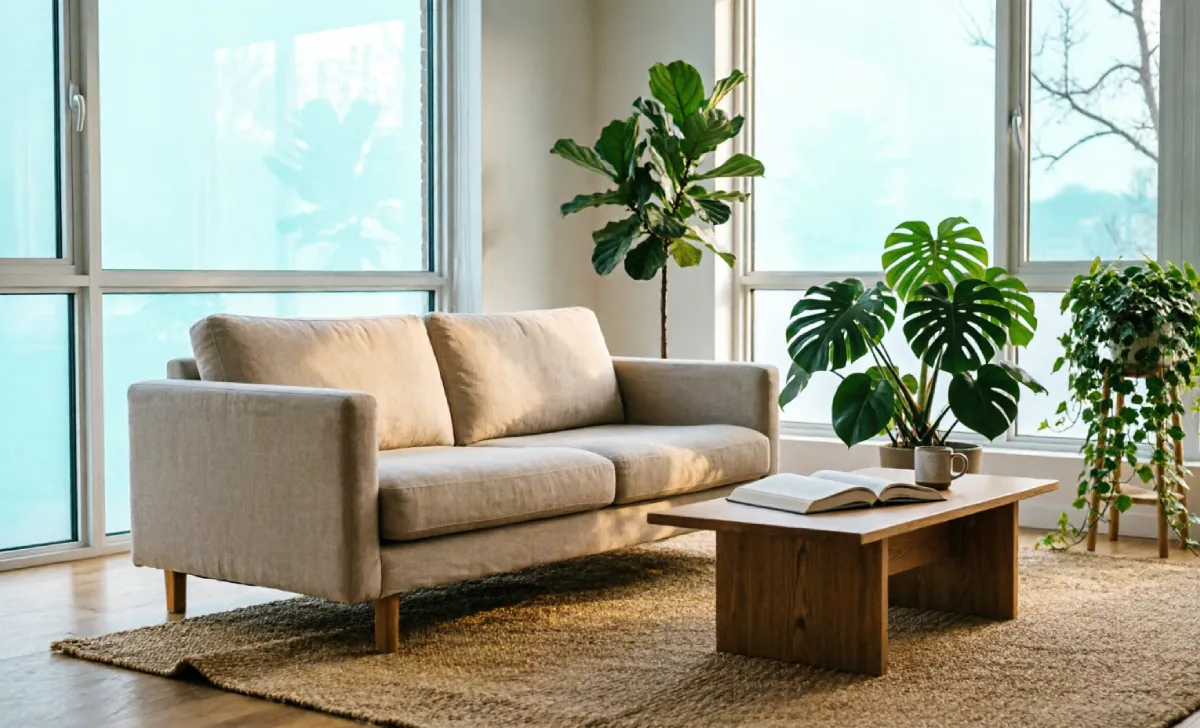
You want a home that looks amazing and does less harm — but the advice out there is either too vague or too expensive to feel real. The good news is that sustainable interior design principles are more personal and practical than most articles let on.
In 2026, these principles go beyond recycling. They connect your paint finish choices, lighting, materials, and daily habits, Non-Toxic, Renewable, and Transparent Materials, into one clear way of thinking. By the end of this guide, you’ll have six concrete principles you can actually use — starting today.
What Exactly Is Sustainable Interior Design in 2026?
The term gets misused a lot, so let’s clear it up. Sustainable interior design means shaping your living spaces to reduce harm to the environment while improving your own well-being at the same time. It’s not one or the other.
Frameworks like the WELL Building Standard have pushed the field past just “eco materials.” They now include air quality, natural light, thermal comfort, and mental health. A sustainable home in 2026 supports your body and mind — not just a lower carbon footprint.
That shift matters because it makes sustainability personal. You aren’t doing it out of guilt. You’re creating a space that helps you sleep better, breathe easier, and feel calmer every day.
Why These 6 Principles Form the Core of a Greener Home
Instead of a rigid checklist, these six principles work as a connected system. They draw from ideas like the circular economy, carbon footprint reduction, and human-centered wellness — and translate them into everyday choices.
They cover what you bring into your home, how you use energy, how you handle waste, and how you protect your health. Together, they’re flexible enough for renters and homeowners alike. Think of them as a compass, not a rulebook.
Principle 1: Select Non-Toxic, Renewable, and Transparent Materials
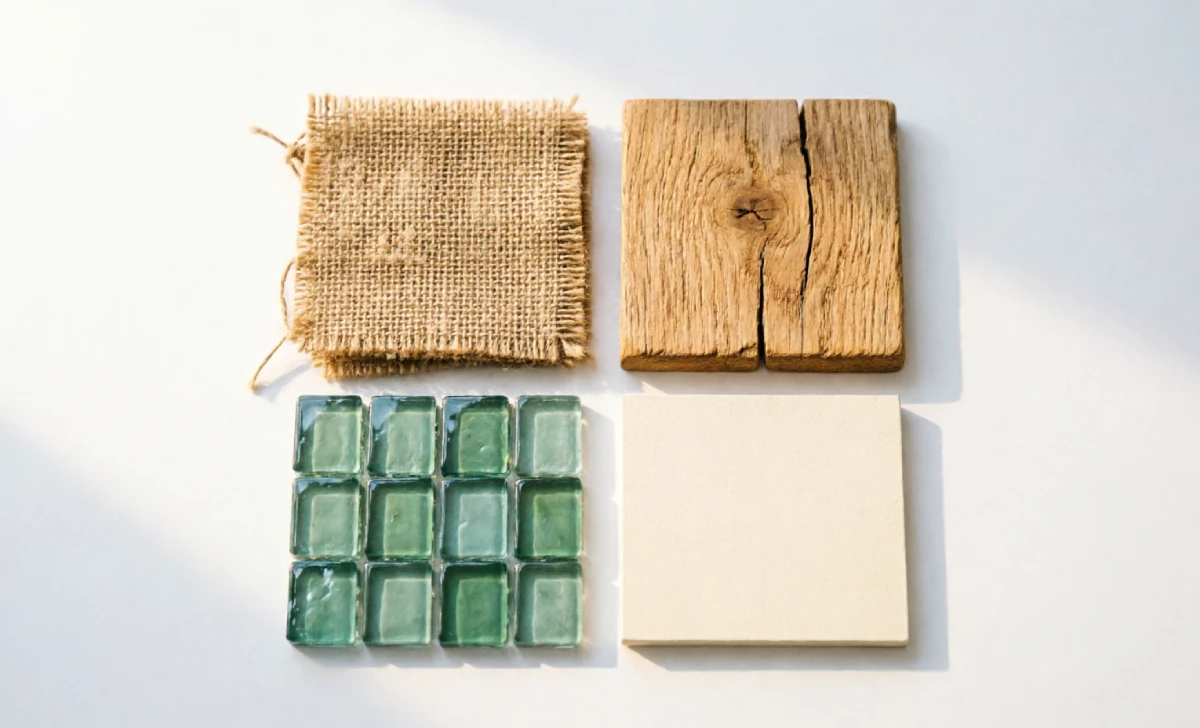
The materials around you directly affect the air you breathe. A genuinely sustainable material does three things: it comes from a renewable or recycled source, it doesn’t release harmful chemicals, and the company behind it is open about how it was made.
Start with FSC-certified wood furniture, natural fiber rugs made from wool or jute, and countertops from recycled glass. These choices don’t just check an environmental box — they bring warmth and texture that synthetic materials rarely match.
When brands are transparent about their supply chains, you gain real confidence in your purchases. That trust makes everyday moments in your home feel more grounded.
How Can You Verify Material Sustainability Labels?
Labels can feel overwhelming, so here’s what to focus on. A trustworthy certification means a third party — not the brand itself — tested and confirmed the product’s claims.
Look for GREENGUARD on furniture and paints if you want cleaner indoor air. OEKO-TEX is reliable for textiles. FloorScore applies to hard surface flooring. The Sustainable Furnishings Council also points you toward vetted brands, which saves a lot of research time.
Once you know a few of these names, shopping gets straightforward. You skip the marketing language and go straight to the label that actually guarantees the standard you care about.
Principle 2: Design for Energy Efficiency and Natural Light
Energy efficiency starts long before solar panels. It begins with how you arrange furniture and use the light already coming through your windows. A mirror placed near a window, or a desk moved closer to natural light, can reduce how often you reach for a switch.
Start by clearing your windowsills and tracking where daylight travels through your space. When you do use artificial light, LEDs with smart controls that adjust to your schedule make a real difference. Understanding attic insulation by climate also plays a bigger role than most people realize — a well-insulated home retains warmth in winter and stays cooler in summer without extra energy use.
Small changes add up fast. A smart thermostat that learns your routine can trim energy use without any effort on your part.
Why Does Natural Light Matter for Your Health and the Planet?
Daylight does two jobs at once. It cuts your need for artificial lighting, and it resets your body’s internal clock. When your eyes get natural light early in the day, your brain releases hormones that improve alertness and sleep quality.
A sun-filled room isn’t just a design preference — it’s a tool for better mental health. And when you rely less on electric light, your home’s energy demand drops naturally.
These two benefits are linked. Designing for daylight serves both the planet and your personal well-being in the same decision.
Principle 3: Reduce Waste Through Circular Design and Thoughtful Purchasing
Most furniture is designed to be replaced, not repaired. A circular mindset asks you to think about the full life of an object — where it came from, how long it will last, and where it goes when you’re done with it.
Before buying anything new, ask if the piece can be repaired, repurposed, or disassembled for recycling. Upcycled pieces, vintage finds, and modular shelving all fit naturally into this thinking. They carry a character that mass-produced alternatives rarely have.
You don’t need to go zero-waste immediately. Choosing one well-made secondhand item over a cheap new one keeps resources in use and out of a landfill — and that single decision shapes how you evaluate every future purchase.
Is It Possible to Decorate Sustainably on a Tight Budget?
If you’ve assumed a green home requires a big budget, let that go now. Some of the most intentional, beautiful interiors are built through patience, thrift store finds, and a willingness to refinish or repurpose.
The shift is from “new” to “new to you.” A secondhand wooden dresser refinished with low-VOC paint becomes something entirely your own. A scrap of fabric becomes a cushion cover. Your time and creativity do the work your credit card doesn’t have to.
Sustainable design is defined by intention, not price. When you choose slowly and thoughtfully, your home starts to reflect who you actually are.
Principle 4: Prioritize Indoor Environmental Quality — Air, Water, and Comfort
Indoor air can be two to five times more polluted than outdoor air. That fact alone makes indoor environmental quality worth taking seriously. This principle covers everything from the paints on your walls to the humidity in your bedroom.
Low-VOC and zero-VOC paints are your first line of defense. Understanding the difference between latex vs oil-based paint also matters here — latex options dry faster, off-gas less, and are easier to clean up. Pairing them with natural fiber rugs and curtains reduces synthetic off-gassing across your whole space.
Water and ventilation matter too. A simple aerator on your faucet cuts water use and heating energy. A few houseplants help regulate indoor humidity while also improving your mood.
What Role Do Low-VOC Paints and Natural Fibers Play in Your Health?
If you’ve painted a room with conventional paint and noticed a sharp chemical smell that lingers for days, that’s VOCs at work. For children, older adults, or anyone with respiratory issues, these compounds are more than a nuisance — they’re a genuine health concern.
Low-VOC and zero-VOC paints now perform just as well as traditional options and come in every color imaginable. Pair them with rugs and curtains made from organic cotton, jute, or wool, and your space breathes instead of trapping pollutants.
The result is fewer headaches, better sleep, and a general sense of lightness that you might not notice immediately — but your body registers every day.
Principle 5: Bring Nature Indoors with Biophilic Design
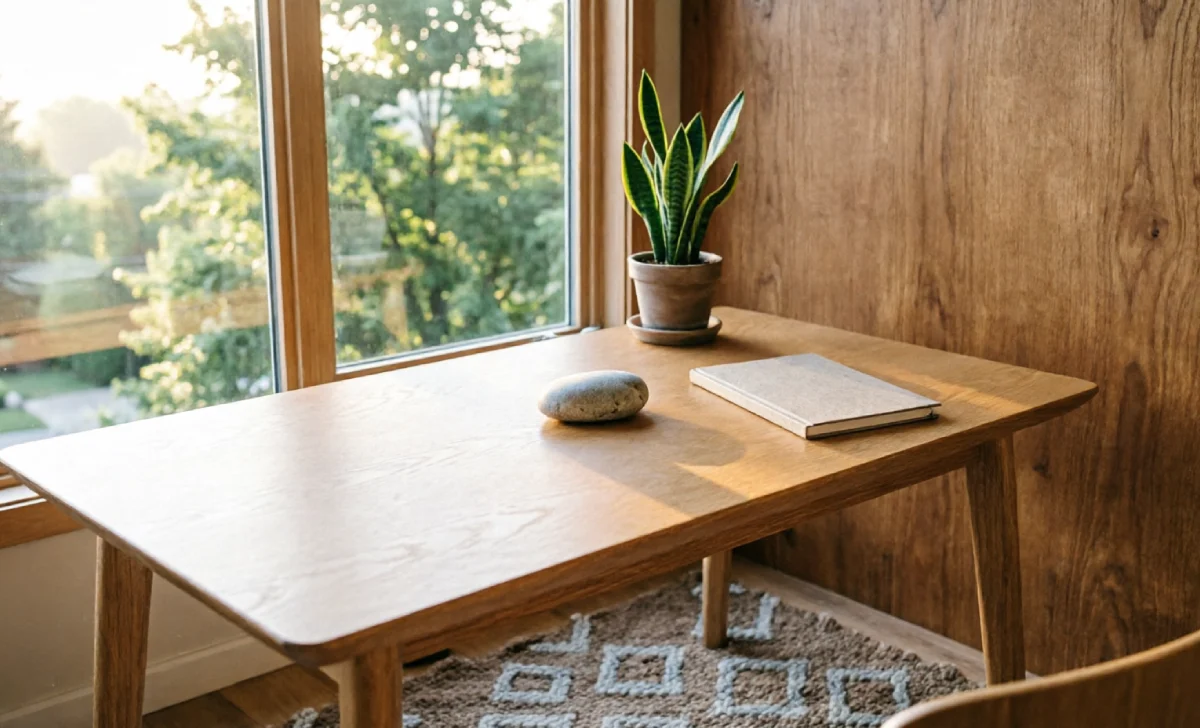
Biophilic design means recognizing that you respond positively to nature — to the grain of wood, the texture of a leaf, the warmth of sunlight. A sustainable home doesn’t just protect nature; it brings nature in.
Start small: a potted plant on your desk, a small herb garden on your windowsill, furniture that shows the real texture of wood rather than hiding it under heavy lacquer. Even a bowl of smooth stones on a coffee table shifts the energy of a room.
When you add natural elements to your space, you build a daily connection to the living world. Research shows this lowers stress, improves focus, and makes your home feel like a refuge.
How Does Biophilic Design Improve Focus and Happiness at Home?
Studies show that even indirect exposure to nature — a view of trees, the texture of a linen curtain — lowers cortisol levels and improves cognitive performance. In a home office, that can mean fewer afternoon slumps and sharper thinking.
Placing your workspace near a window or using natural materials in your furniture creates an environment that quietly supports concentration. A bedroom with wool blankets and visible wood grain helps your nervous system settle at night.
This is where sustainable design gets personal. It’s no longer just about the planet. It’s about the atmosphere you’re building inside your own mind.
Principle 6: Commit to Timeless Style and Responsible Consumption
Trends move fast, and fast furniture — like fast fashion — is designed to be replaced. A sustainable home stands outside that cycle. It doesn’t chase the latest look. It grows more personal and more beautiful with age.
Choosing timeless pieces isn’t about being boring. It’s about selecting shapes, materials, and colors you’ll love just as much in ten years. A solid wood table gathers the patina of family dinners. A well-built linen sofa wears its softness like a badge of honor.
When you commit to buying less and choosing better, you also free up mental space. Your home becomes a finished, peaceful place rather than a permanent project.
What Does the Future Hold for Sustainable Interiors?
The conversation is already moving toward deeper transparency. Digital material passports — which track a product’s full lifecycle — are starting to appear in the market. Imagine scanning a chair with your phone and seeing where every component came from and how to recycle it.
Net-zero interior design is becoming more practical for everyday homes, not just commercial buildings. AI-driven energy systems are learning to predict your needs and reduce waste automatically. These aren’t general ideas — they’re arriving now.
Every one of these innovations still rests on the six principles you just learned. The foundation doesn’t change, no matter what technology arrives next.
Your Sustainable Interior Design Quick-Start Checklist
You don’t need to overhaul your home this weekend. Pick one principle and let it guide a single action this week.
Open your curtains fully tomorrow morning and track where the light falls. Swap one synthetic item for something made of wood, wool, or stone. The next time you need furniture, check a secondhand source first. And if your bedroom feels stuffy or restless at night, look into bedroom humidity for sleep — it’s one of the simplest, most overlooked fixes in sustainable home design.
These small acts, repeated over time, build the kind of home that takes care of you and the planet at once.
FAQs
What is the difference between green design and sustainable interior design?
Green design focuses mainly on reducing environmental harm. Sustainable interior design goes further by including long-term thinking, human health, and social responsibility — treating your well-being and the planet’s as one connected system.
Can renters apply these principles without making permanent changes?
Yes. You can use temporary, non-toxic paint alternatives, add natural fiber rugs, rearrange furniture to maximize daylight, and choose secondhand decor. None of these require landlord approval or permanent changes to your space.
How do I find a sustainable interior designer?
Look for designers who mention LEED, WELL, or the Sustainable Furnishings Council in their credentials. Ask directly about their material sourcing and experience with circular design. Many now offer virtual consultations if no one local specializes in this area.
What are some easy sustainable swaps I can make this weekend?
Replace synthetic air fresheners with houseplants, switch to LED bulbs, and use natural cleaning products. Rearranging your furniture to let in more daylight is free and immediate — and it makes a bigger difference than most people expect.