
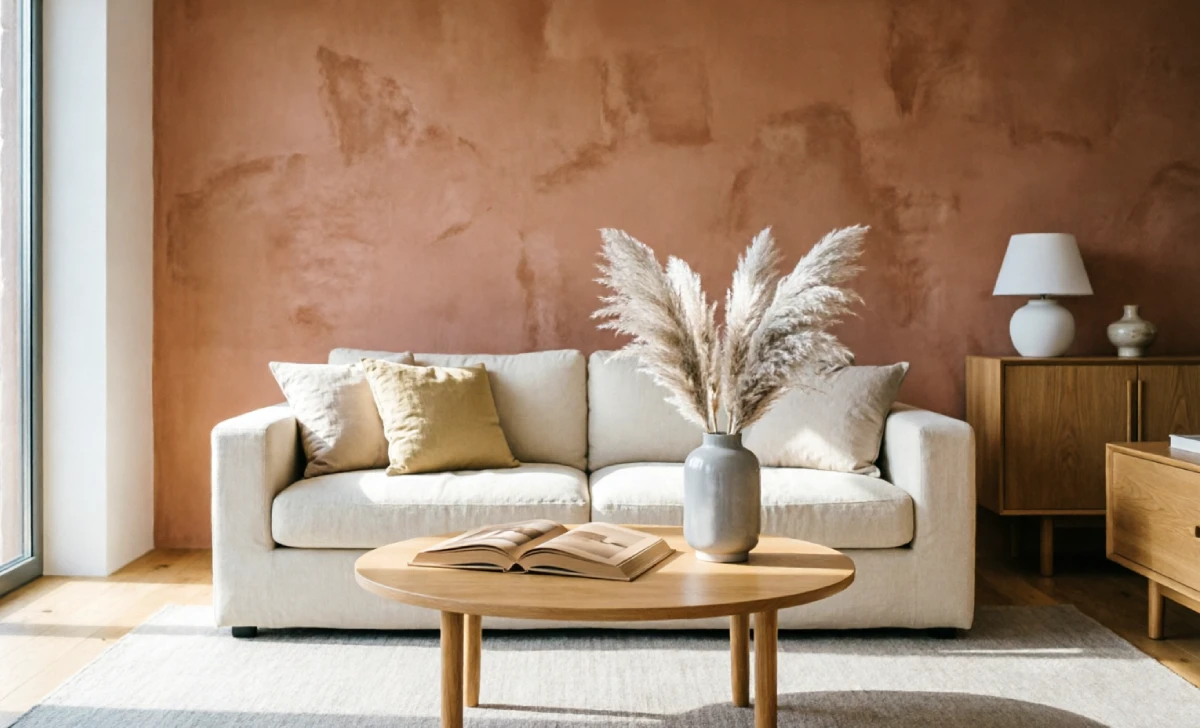
You saw it on a design blog: “accent walls are officially over.” Then you saw a beautiful textured one on Pinterest the same afternoon. If you’ve been asking yourself — Are accent walls out of style — you’re not overreacting, because the conversation around them genuinely has changed. This article gives you the honest 2026 verdict, a quick way to diagnose your own wall, and a clear plan whether you want to update it or move on entirely.
What Is an Accent Wall and Why Did It Get So Popular?
If you’ve ever walked into a room and felt your eyes land on one wall before anything else, you already understand the concept. An accent wall is simply a single surface treated differently — whether through paint, texture, or material — to create a focal point. The goal has always been to add visual weight and break up the sameness of four identical walls.
The trend really took off in the early 2000s when builders started offering a single contrasting wall as a low-cost way to make cookie-cutter homes feel less generic. Homeowners loved it because one gallon of paint and a weekend could completely change a room’s personality. What nobody anticipated was how quickly that same formula would become the default — and eventually feel a little predictable.
Are Accent Walls Out of Style in 2026?
Here’s the direct answer: accent walls are not out of style, but the lazy version of them is. The old approach — picking a random wall, slapping on a dark contrasting color, and calling it a design decision — is what’s tired. A thoughtful, intentional feature wall is still very much part of current interior design.
What’s shifted is the design world’s tolerance for anything that looks unconsidered. Today’s interiors are moving toward cohesion, layering, and materials that feel like they belong to the house. Design publications and working interior designers consistently show rooms where any accent grows from the architecture rather than being added on top of it.
Think of it this way: the accent wall hasn’t disappeared — it’s just grown up. In 2026, it earns its place through texture, tonal depth, and connection to the room’s overall palette rather than through stark contrast alone.
When Does an Accent Wall Look Dated?
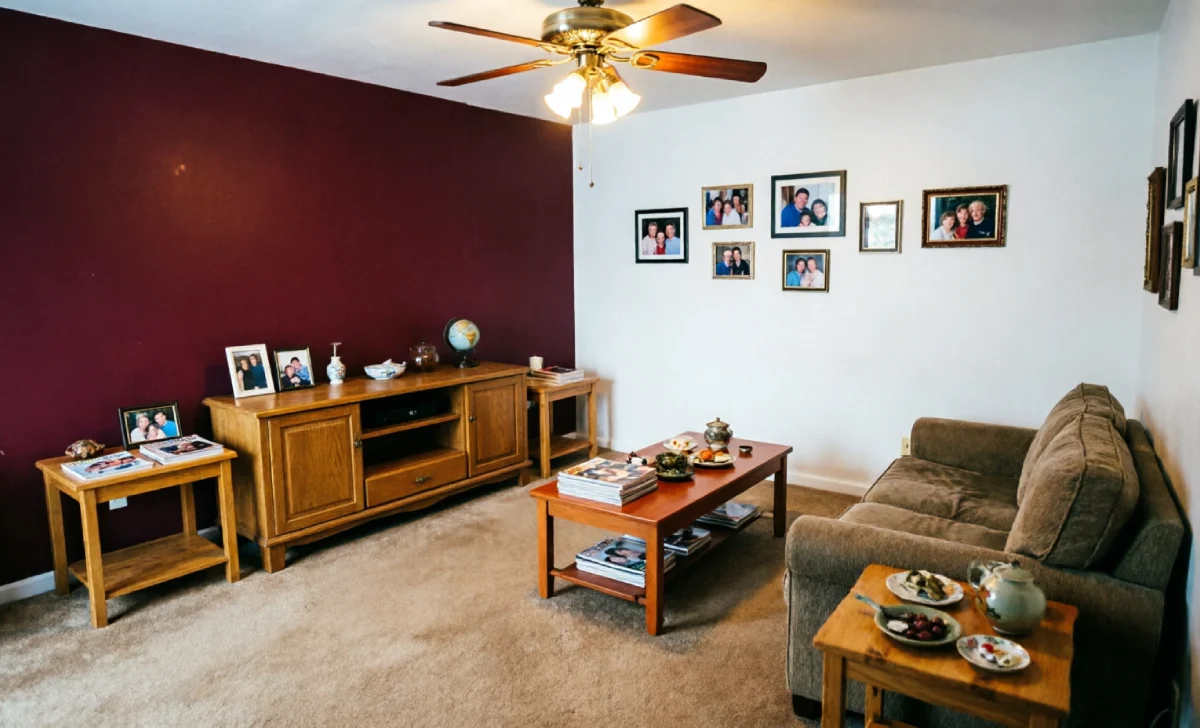
This is where you get to assess your own space honestly. If you chose a wall simply because it was the smallest or least important one in the room, that’s usually the first sign of trouble. A good accent wall anchors the room — it doesn’t highlight an awkward corner or a wall broken up by multiple doorways.
Another telltale sign is a high-contrast color with no relationship to the room’s furniture, trim, or other surfaces. Think burgundy against builder white, or dark charcoal in a room full of warm wood tones with no other cool elements. When the accent color stands alone, the eye doesn’t know where to settle, and the space feels disconnected and smaller than it is.
The subtler version of dated is an accent wall that has no texture, no architectural reason, and no built-in purpose. If the wall is just painted differently and nothing else — no millwork, no material change, no intentional focal point behind it — it reads more like an unfinished thought than a design decision. I’ve seen this in dozens of homes over the years, and it’s the easiest thing to fix once you know what you’re looking for.
How to Make Your Accent Wall Look Modern in 2026
The quickest upgrade you can make right now is to bring texture into the equation. Flat paint on a single wall feels very early-2010s; a limewash finish, on the other hand, adds a soft, chalky depth that photographs beautifully and shifts subtly with the light throughout the day. You don’t need to repaint the whole room — just changing the finish on that one wall can completely reframe it.
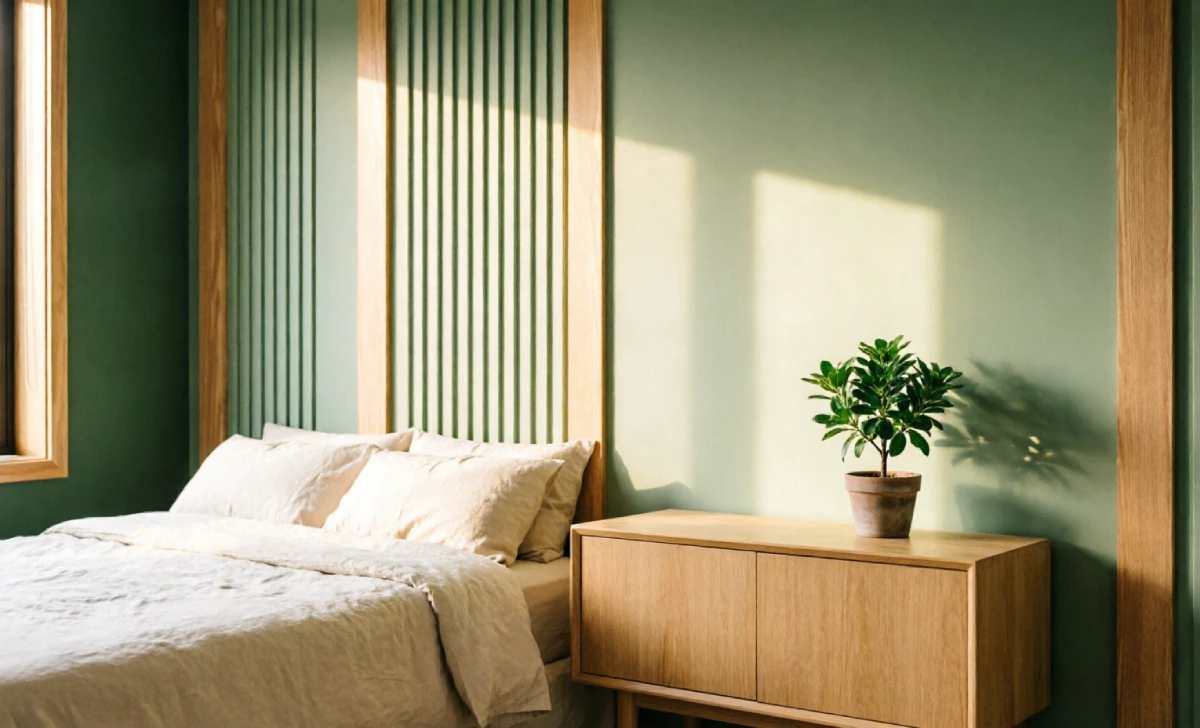
Board and batten or vertical slats painted the same tone as the surrounding walls are another way to add architectural weight without relying on color contrast. When the accent feels structural rather than painted-on, it automatically reads as more intentional. The light catches the edges of the millwork, and the wall becomes something the room lives with rather than something it has to apologize for.
If you’re not ready for a texture project, try a tonal shift instead. Choose a color two or three shades deeper than your surrounding walls, but within the same color family. This creates an enveloping, layered effect rather than a jarring contrast. Peel-and-stick wallpaper in a subtle organic print or grasscloth texture can also transform a flat accent wall in a single afternoon, particularly in a bedroom or home office.
What Are the Best Alternatives to an Accent Wall?
If you’ve decided the accent wall isn’t for you anymore, 2026 has genuinely exciting replacements. The statement ceiling is the most talked-about shift in interior design right now. Painting the ceiling a warm clay, dusty sage, or deep navy pulls the eye upward and makes the whole room feel curated — without a single accent wall in sight.
Color drenching is the other major alternative. This means painting every wall, the trim, the door frames, and sometimes even the ceiling in the same hue. Rather than isolating one wall, you let the whole room breathe as one cohesive volume. A room drenched in warm linen or terracotta reads as far more current than a room with one bold wall and three bare white ones.
For those who don’t want permanent paint decisions, a large piece of statement art or a curated gallery wall does the same job. Your art carries the personality and color, while the walls stay neutral and flexible. It’s especially useful for renters or anyone who likes to refresh their space regularly.
Designer Tips for a Timeless Statement Wall
The most consistent advice from interior designers is simple: start with the wall that your eye naturally finds when you walk into the room. That’s almost always the one behind the headboard, in front of a fireplace, or directly opposite the main entry point. Working with the room’s natural focal point is what separates an accent wall that looks intentional from one that looks random.
Commit to a material shift, not just a color shift. A wall that looks like it was always there — because it has paneling, plaster texture, or architectural trim — feels permanent and purposeful. One that’s simply a different shade of paint can feel temporary even when it isn’t.
Finally, stay connected to your home’s broader color family. Designers like Bobby Berk and Emily Henderson consistently return to this principle: rooms that flow together with tonal consistency feel more expensive and more considered than rooms where one space shouts over the others. Texture and subtle shifts in depth will always outlast bold contrasts.
FAQs
Do accent walls add value to my home, or will they turn buyers away?
A neutral, texture-based accent wall can add perceived value by making a space feel finished and custom. However, a bold, highly personal color choice can be a subtle turnoff for buyers who see it as a painting project before move-in. If you’re selling, matching it to the room is the safer, lower-risk call.
Can I still use wallpaper for an accent wall and have it look current?
Wallpaper is one of the strongest accent wall choices right now — particularly organic prints, grasscloth textures, and tonal murals. The key is choosing a pattern that pulls colors already in the room rather than introducing something entirely new. A single wallpapered wall in a powder room or bedroom still feels like a considered, elevated design moment.
How do I choose the right wall to accent in an awkward room layout?
Default to the wall your eye lands on when you first enter the space, even in an awkward room. If that wall is heavily broken up by windows or doors, use a continuous material like vertical wood slats or limewash that flows across the surface without needing a clean canvas. The goal is to anchor the room, not to spotlight its quirks.
Should I paint my accent wall and trim the same color?
Painting the wall, trim, and adjoining surfaces the same color is actually the foundation of the color-drenching trend that’s replaced high-contrast accent walls. Blending the trim into the wall removes visual lines, makes ceilings feel higher, and gives the room a cohesive, grown-up quality. It’s one of the most effective ways to modernize a space with a single paint decision.
Conclusion
Accent walls aren’t something you need to rush to paint over — but they do deserve a second look. The high-contrast, randomly chosen single wall is genuinely past its prime, while a textured, tonal, architecturally grounded feature wall is as current as anything in 2026 design. You now have a clear framework: diagnose, update, or move on with intention. Whatever you decide, a home made with care and purpose never goes out of style.