

If you’ve ever stared at your Garmin wondering what that VO2 max number actually means for your rides, you’re not alone. Most cyclists see the metric but miss the story it tells about their endurance potential. Here’s the thing: this VO2 max cyclists guide isn’t just lab jargon—it’s a practical tool rooted in aerobic vs anaerobic energy that can reshape how you train and race.
What Is VO2 Max for Beginners?
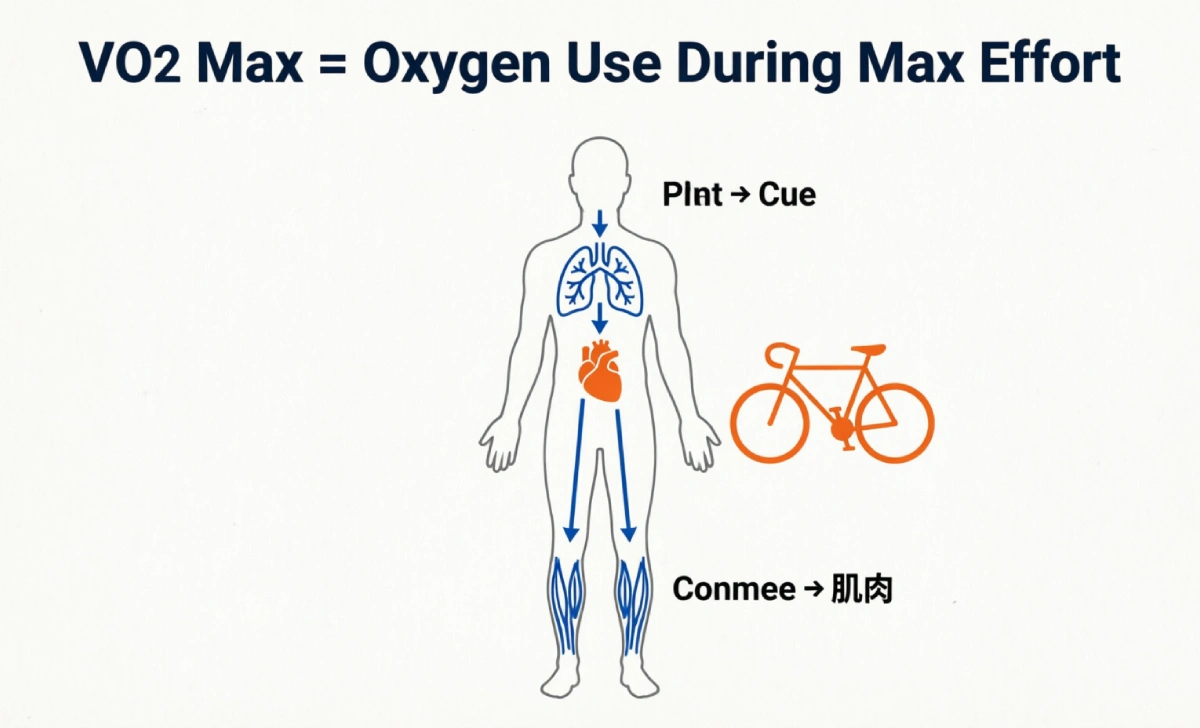
Let’s strip this down to basics. VO2 max measures the maximum amount of oxygen your body can use during intense effort. Think of it as your engine’s displacement—bigger isn’t everything, but it sets your ceiling.
For cyclists, this translates to how much power you can sustain when you’re really pushing. The number appears as mL/kg/min (millilitres of oxygen per kilogram of body weight per minute). Why the per-kilogram part? Because carrying extra weight means your engine works harder to move the same speed uphill.
You’ve probably noticed your watch estimates this after a hard ride. Those numbers aren’t lab-perfect, but they’re useful for tracking trends over time.
Why VO2 Max Matters for Endurance Performance
Here’s where it gets interesting. Your VO2 max affects running and cycling performance because it defines your aerobic ceiling—the highest intensity you can sustain using oxygen alone.
But—and this is a big but—it’s not the whole story. Two riders with identical VO2 max scores can race very differently. Why? Because threshold, efficiency, and mental grit matter just as much.
Think of VO2 max as your car’s top speed. Useful? Absolutely. But if you can’t handle corners or manage fuel, that top speed won’t win many races.
VO2 Max vs. Lactate Threshold: Which Should You Train?
This question trips up a lot of athletes. VO2 max vs lactate threshold for endurance isn’t an either/or choice—it’s about timing and balance.
VO2 max work pushes your ceiling higher. Threshold work raises the floor, letting you sustain a bigger percentage of that ceiling for longer. During those hard intervals, paying attention to breathing techniques while you push helps you stay efficient and avoid gassing out too early.
Here’s the practical takeaway: if you’re newer to structured training, spend more time building your threshold base. Once you’ve got that solid, sprinkle in VO2 max intervals to lift your ceiling. Both matter, but the sequence does too.
Why VO2 Max Is Important for Marathon and Century Training
Planning a big event? Understanding why VO2 max is important for marathon training (or century rides) helps you set realistic goals.
Your VO2 max gives you a rough estimate of your potential race pace. But don’t lock onto it too tightly. Training consistency, smart periodization, and learning to build endurance without overtraining often matter more than that single number.
For century riders, the key is pacing below your VO2 max zone for most of the ride, then knowing when to tap into that reserve for climbs or final pushes.
How VO2 Max Changes With Age—and How to Adapt
You might be wondering: can you improve VO2 max after 30? Short answer: yes, but the playbook changes.
After 30, VO2 max naturally declines about 1% per year if you stay sedentary. But here’s the good news: consistent training can slow that drop dramatically, and sometimes even reverse it for a while.
Master’s athletes often need slightly more recovery between hard sessions. That’s not a weakness—it’s smart programming. Protect the recovery, and the adaptations will come.
Practical Takeaways: Testing, Tracking, and Training
So how do you actually use this?
First, don’t obsess over the absolute number. Track trends instead. Is your estimated VO2 max creeping up over the months? That’s progress.
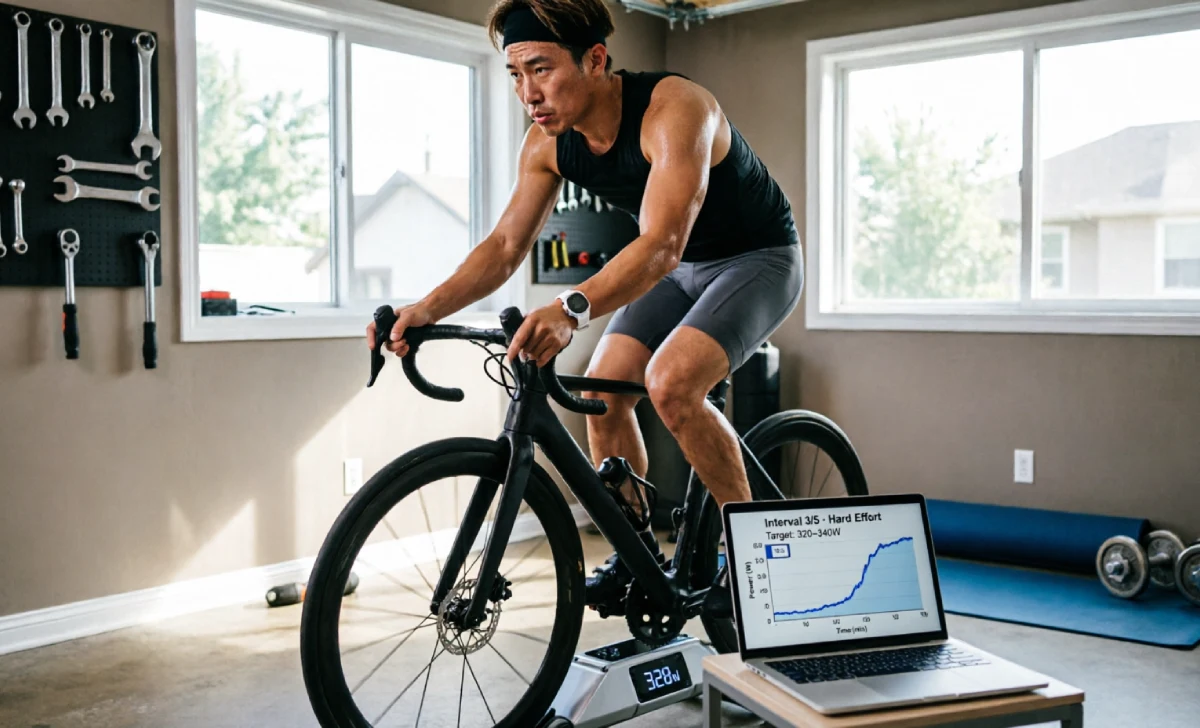
Second, mix your training. Try this simple VO2 max interval session:
- Warm up for 15 minutes easily
- 5 x 3 minutes hard (90-95% max effort)
- 3 minutes easy spinning between efforts
- Cool down for 10 minutes
Do this once a week for 4-6 weeks, then reassess.
Third, remember that the way VO2 max affects running performance might differ slightly from that in cycling due to muscle recruitment patterns if you’re a duathlete or triathlete, test and train both disciplines specifically.
FAQs
Is my Garmin VO2 max estimate accurate?
It’s directionally useful, not lab-perfect. Wearables estimate based on heart rate, power, and pace. Good for tracking trends, not for setting exact training zones.
Can I improve VO2 max without doing brutal intervals?
To a point, yes. Consistent base mileage and tempo work will lift your number. But to push near your genetic ceiling, you’ll need some high-intensity work eventually.
Does losing weight increase VO2 max?
Since VO2 max is relative to body weight (mL/kg/min), losing fat while maintaining fitness will raise the number. But don’t chase weight loss at the expense of health or power.
How often should I retest?
Every 6-8 weeks during a training block is plenty. More frequent testing just adds noise and fatigue.
Wrapping It Up
VO2 max isn’t a magic number, but it’s a useful compass. Understand what VO2 max is for beginners, respect how it interacts with threshold work, and apply it to your specific goals—whether that’s a marathon, century, or just feeling stronger on weekend rides.
Your next step? Pick one workout from the practical section above and slot it into your next training week. See how your body responds and builds muscle memory in your movement patterns through consistent repetition. Track the trend, not the daily fluctuation.
And if you’re curious about building a full training plan around these concepts, explore periodization basics for endurance athletes to tie it all together.