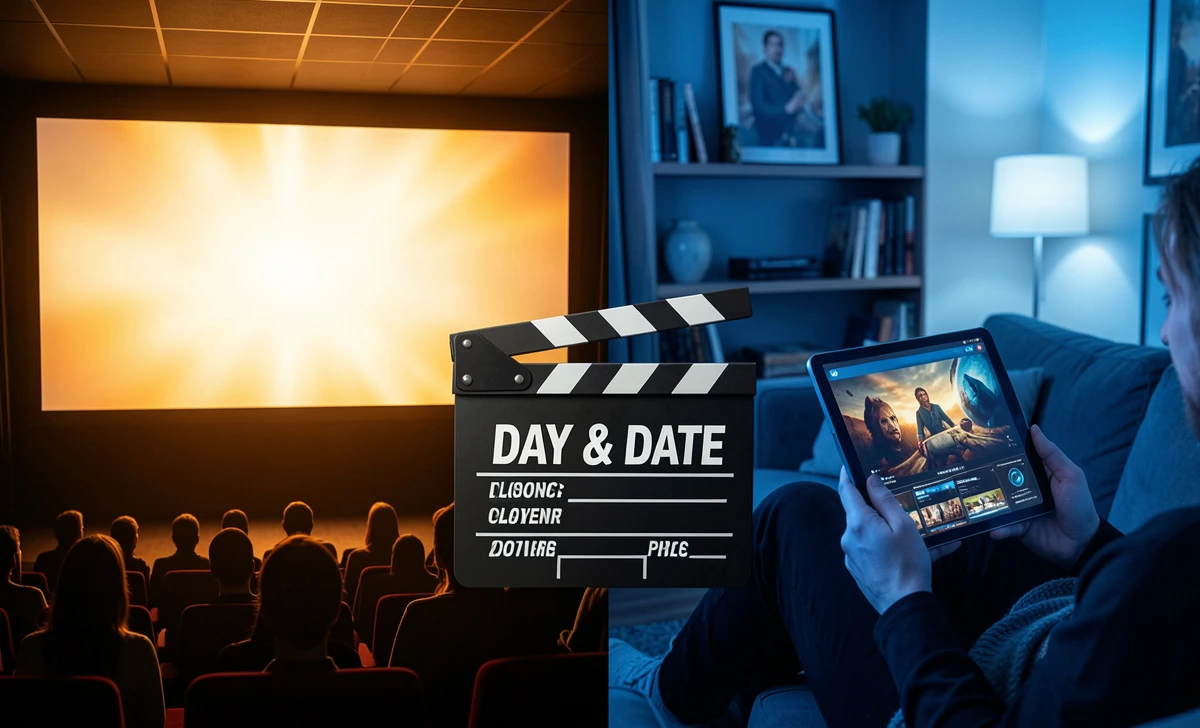
You’ve probably opened your streaming app lately, seen a fresh movie drop, and wondered: “Wait, isn’t this still playing in theaters?” You’re not imagining things. More films are hitting both platforms on the same day. If you’re stuck on what to watch, hybrid releases actually give you more options—but they also add a layer of decision fatigue. So what is a hybrid theatrical streaming release, really? And why does it matter to your weekend plans?
Here’s the thing: it’s not just industry jargon. It’s changing how movies get funded, how theaters survive, and where you actually press play. Let’s break it down—plain English, zero fluff.
The Basics: Defining Hybrid & Day-and-Date Releases
What Does “Simultaneous Release” Actually Mean?
A hybrid theatrical streaming release (often called “day-and-date”) means a movie premieres in cinemas and on a streaming service on the same calendar day. No waiting 45 days. No exclusive theater window. Just… both. At once.
Picture this: You could grab a ticket for the latest thriller at your local multiplex, or you could curl up on your couch and hit play. Same release date. Your call.
Key Terms Decoded: PVOD, Windowing, Theatrical Exclusivity
Quick glossary so you’re not lost in the comments section:
- PVOD (Premium Video on Demand): Renting a brand-new release at home for $19.99–$24.99 before it hits standard streaming tiers.
- Theatrical window: The traditional gap between a movie’s cinema debut and its digital release. Used to be 90 days. Now it’s often zero.
- Day-and-date: The end of hybrid. Exactly simultaneous.
It sounds messy. That’s because it is. Motion Picture Association report on modern distribution windows.
Why Studios Are Choosing Hybrid Releases in 2024-2026
The Business Case: Revenue, Data, and Risk Management
Truth is, studios aren’t doing this out of charity. They’re hedging bets.
Theaters are unpredictable. A film can stumble on opening Friday and never recover. But drop it on streaming too? Suddenly, you’ve got subscription data, PVOD rentals, and global reach all working together. If ticket sales dip, home viewers might pick up the slack.
Streaming platforms also crave fresh content to keep people from canceling. A same-day drop drives sign-ups and keeps eyeballs glued. It’s a numbers game, and hybrid releases let studios play multiple boards at once.
How Streaming Platforms Changed the Rules
Remember when streaming was just for catching up on old sitcoms? Now platforms are funding Oscar contenders and dropping them in select theaters and on the app simultaneously. Disney+, Max, Apple TV+—they’re all in the mix.
These services don’t rely on box office receipts. They care about retention, watch time, and subscriber growth. So why wait? If a movie can fill seats and keep you scrolling through the algorithm, it’s a win.
You’ve probably noticed: massive blockbusters still get exclusive theater runs. But mid-budget films? Character dramas? Quirky comedies? Those are the ones going hybrid first. Makes sense when you think about it.
How Hybrid Releases Affect Different Players
Do Simultaneous Releases Hurt Movie Theaters?
Short answer: sometimes, yeah. Long answer: It’s complicated.
Major chains like AMC or Regal can negotiate backend deals or revenue shares from streaming partners. But small, independent theaters? They usually get left behind. No exclusivity means fewer reasons to drive downtown on a Friday night.
That said, plenty of local cinemas are adapting. Think: luxury recliners, dine-in menus, or hosting director Q&As around hybrid drops. It’s not all doom and gloom—but the old playbook is definitely retired.
Is Day-and-Date Good for Indie Films?
Here’s where it gets interesting. For independent filmmakers, hybrid releases can be a lifeline.
No massive marketing budget? No problem. Drop your film on a platform like MUBI or Sundance Now while it plays in a few key cities. You reach niche audiences globally without waiting for a slow, expensive theater rollout.
But there’s a trade-off: prestige. Some festivals and critics still prioritize theatrical exclusivity. So while hybrid opens doors, it might close others. If you’re an indie creator, ask yourself: Is my goal awards buzz, or just getting seen by people who’ll actually care?
What This Means for You as a Viewer
Let’s get practical. How does this actually affect your weekend?
- More flexibility: Hate crowded screens? Wait a few days and stream it. Love the big screen? Go on opening night.
- Price confusion: Why pay $15 for a ticket when PVOD is $20? Or just wait until it hits your existing subscription?
- FOMO factor: If everyone’s posting clips online, you might feel pressured to watch now—theater or not. That shared reaction is part of the online theater experience many viewers miss when watching alone.
It’s empowering, but also a little overwhelming. Here’s a quick cheat sheet:
| If you… | Try this |
|---|---|
| Love the theater experience | Go opening weekend—before spoilers spread |
| Prefer watching at home | Wait 2–3 weeks for PVOD price drops |
| Already pay for a streaming service | Check if it’s included before renting |
| Want to support local cinemas | Look for “theatrical exclusive” showtimes |
Pros and Cons of Day-and-Date Movie Releases
The Upside: Accessibility, Flexibility, Global Reach
Let’s start with what works:
- No more waiting: If you can’t make it to a cinema (kids, schedule, distance), you’re not locked out.
- Global access: A film dropping in New York can be watched in Toronto or Berlin the same day.
- Lower risk for studios: More data, more revenue streams, less pressure on a single opening weekend.
For busy parents, night-shift workers, or folks in rural areas, this shift is huge. Movies become more accessible, period.
The Downside: Cannibalization, Piracy, Cultural Shifts
Now, the tricky parts:
- Box office impact: Some tracking shows hybrid models can reduce theater revenue by 20–40% for mid-tier releases.
- Piracy spikes: When a film drops digitally, high-quality leaks often surface within hours.
- The “event” feeling fades: Part of why we love cinema is the shared experience. If everyone watches alone on a laptop, does that collective magic fade?
It’s not black and white. But these are real concerns worth weighing before you hit play.
What’s Next? The Future of Movie Release Strategies
Shorter Windows vs. True Simultaneous Drops
Don’t expect the hybrid to be the only model forever. What’s more likely? Flexible, sliding windows.
Maybe a film gets a 17-day theater exclusive (like some Universal deals), then hits PVOD, then streaming. Or studios test “geo-hybrid” drops—simultaneous in some countries, staggered in others.
The goal isn’t chaos. It’s finding the sweet spot where theaters stay profitable, and streaming keeps growing. We’re still in the trial-and-error phase.
Decision Flowchart: Theater, PVOD, or Wait for Streaming?
Stuck on how to watch? Ask yourself:
- Is this a visual spectacle? (Think: massive VFX, IMAX sound) → Theater, no question.
- Do I care about spoilers? → Watch early, however you can.
- Am I trying to support local cinema? → Check if it’s playing exclusively near you.
- Is it already on my streaming sub? → Press play. Save the cash. Or invite friends to a virtual watch party to recreate that communal feeling.
No right answer. Just what fits your schedule, budget, and mood.
FAQs
Does watching a hybrid release at home hurt the movie’s success?
Not necessarily. Studios now factor streaming hours and PVOD rentals into their success metrics. But if you want the film to get a sequel and keep theaters alive, buying a ticket still carries real weight.
Will hybrid releases kill small movie theaters?
They add serious pressure, sure. But many indie venues are surviving by leaning into niche programming, community events, and premium formats. Buying a ticket directly helps more than you think.
How do I know if a movie is getting a hybrid release?
Check the film’s official social channels or aggregator sites like JustWatch. Studios usually announce their distribution strategy 2–4 weeks out. If it’s vague, assume theatrical-first unless stated otherwise.
Are hybrid releases here to stay?
For certain genres and budgets, absolutely. But don’t expect every franchise blockbuster to drop on streaming day one. Tentpoles will likely keep exclusive windows—for now.
Conclusion
So, what is a hybrid theatrical streaming release? It’s not a passing trend. It’s a recalibration. Studios, streamers, theaters, and viewers are all figuring out the new rules together.
Your move? Stay flexible. Watch how you want. But maybe—just maybe—treat yourself to a theater trip now and then. There’s still nothing quite like that opening scene on a massive screen, surrounded by strangers reacting at the same moment.
If you’re curious about how long movies typically stay in theaters before hitting digital platforms, setting up a home entertainment setup for streaming? The hybrid model makes that investment even more worthwhile.