
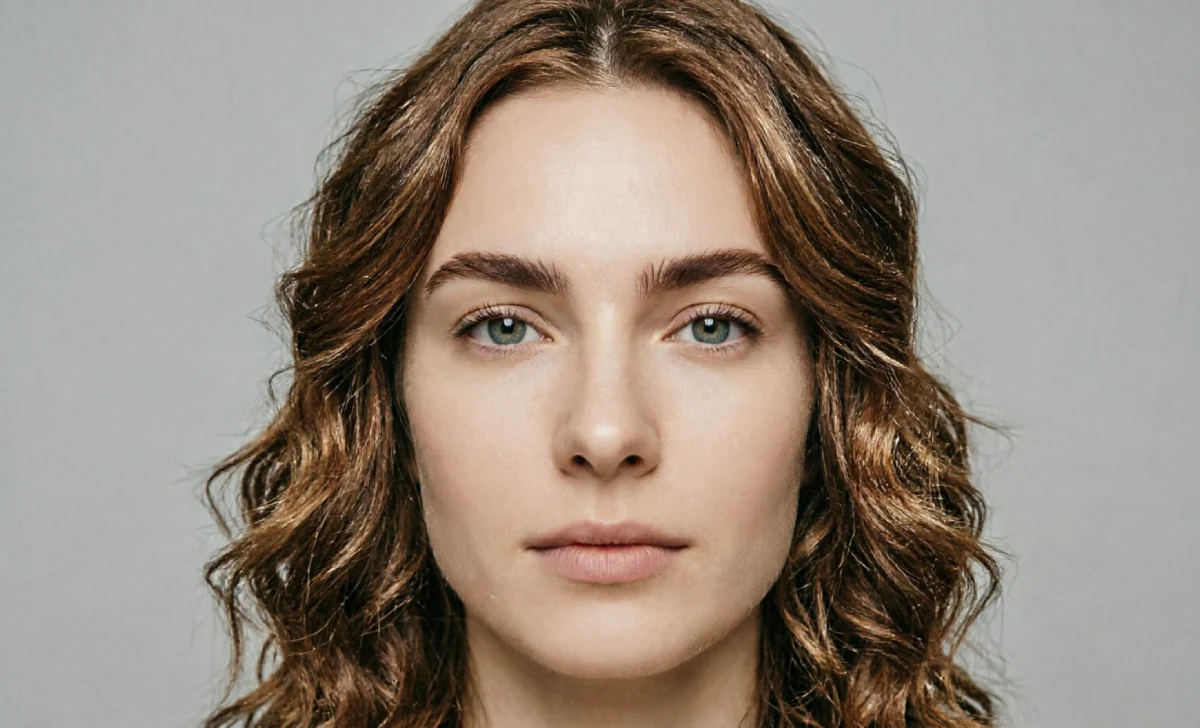
If you’ve ever stared into a mirror trying to name the brow style you actually want, you’re not alone. Most people can picture a beautiful arch but struggle to describe it in words. Understanding the different eyebrow shapes for face types gives you the vocabulary you need before you ever pick up a tweezer, and knowing your eye shape and features helps you choose even faster. By the end of this guide, you’ll know exactly which shape fits your face, how to map it yourself, and how to keep it looking sharp for months.
What Are the Different Types of Eyebrow Shapes?
The seven main eyebrow shapes are straight, soft arch, high arch, rounded, S-shaped, feathered, and tapered. Each changes the expression of the face — straight brows look calm and youthful, while a high arch adds instant drama.
Each shape has its own line, arch, and personality. Learning to spot the differences is the first step toward choosing one that suits you.
- Straight – runs almost flat with very little curve. Creates a calm, youthful look and softens the whole face.
- Soft arch – lifts gently without looking dramatic. Works on nearly every face shape, which is why most brow artists suggest starting here.
- High arch – peaks sharply above the natural brow line, adding drama and making a round face look longer.
- Rounded – follows the curve of the eye with no sharp point, giving a warm, approachable expression.
- S-shaped – dips slightly before lifting again, creating a subtle wave that feels unexpected but still elegant.
- Feathered – focuses on texture instead of a hard line, with hairs brushed up and out for a fluffy finish. This has become one of the most requested styles in recent years.
- Tapered – starts thick at the front and narrows toward the tail, giving a clean, timeless finish that pairs with almost any face.
Eyebrow Shapes at a Glance
| Shape | Best For | Expression It Gives | Upkeep Level |
|---|---|---|---|
| Straight | Oval, long faces | Youthful, calm | Low |
| Soft arch | Most face shapes | Balanced, natural | Low–Medium |
| High arch | Round faces | Dramatic, sharp | Medium–High |
| Rounded | Square, angular faces | Warm, approachable | Low |
| S-shaped | Oval, heart faces | Elegant, unique | Medium |
| Feathered | Any face shape | Soft, effortless | Medium |
| Tapered | Oval, square faces | Clean, timeless | Medium |
How Do Face Shape and Eyebrow Shape Work Together?
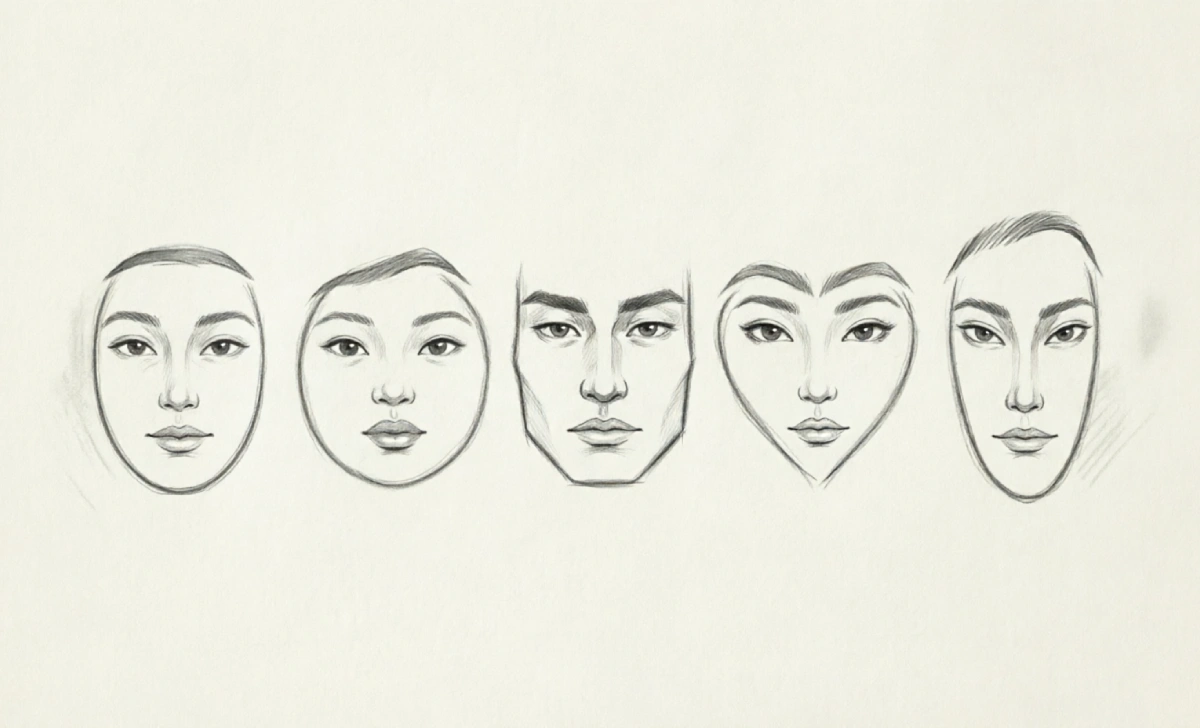
The reason a brow looks perfect on one person and off on another usually comes down to face shape. Matching your brow to your bone structure creates balance instead of tension.
- Oval face – the most freedom. Straight, soft-arched, and gently rounded brows all work well. Just avoid an arch that climbs too high.
- Round face – benefits from a higher arch and a defined tail, which adds vertical lift and makes the face look more sculpted.
- Square face – carries strong angles, so a softly rounded or S-shaped brow helps balance them. Keep the thickness moderate for a warmer look.
- Heart-shaped face – has a wider forehead, so a low to medium arch works best and keeps attention on the eyes.
- Long face – needs horizontal balance. A straighter brow with a gentle tail adds width and keeps the face from looking stretched.
Does Eyebrow Thickness and Hair Texture Matter Too?
Face shape decides the outline, but your natural hair texture decides how easily you can hit that outline. This is a step most guides skip, and it’s why two people with the same face shape can need different approaches.
If your brow hair grows fine and sparse, a hard, sharply defined arch will look harsh because there isn’t enough hair density to soften the line. A feathered or soft-arch style, filled in with short, hair-like strokes, usually looks more natural.
If your hair grows thick and coarse, you have more flexibility to wear a defined tapered or high-arch shape, since the hair itself creates texture and depth without extra product.
Growth direction matters as well. Hair that grows straight down or in multiple directions benefits from daily brushing with a spoolie and a light brow gel to train it upward before you decide on a final shape.
What Is the Golden Ratio for Eyebrow Mapping?
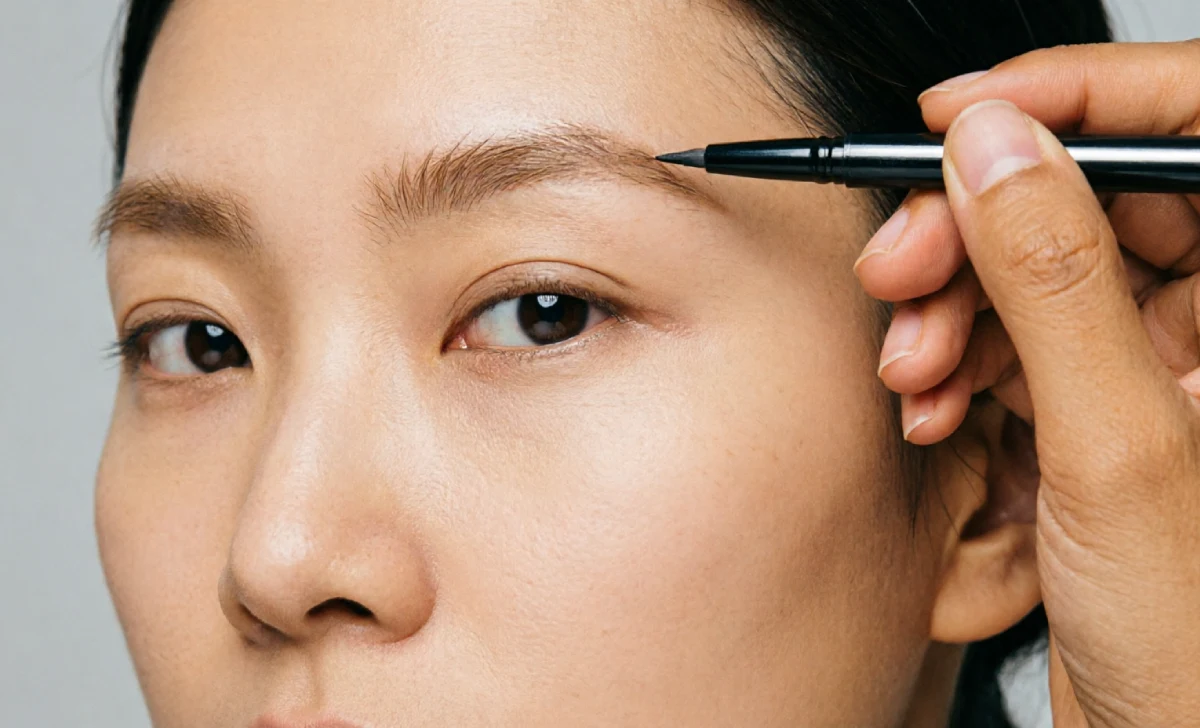
Eyebrow mapping uses three points — the inner start (aligned with your nostril), the arch peak (aligned with your pupil), and the outer end (aligned with the outer corner of your eye) — to find your brow’s ideal shape using a simple pencil test.
Before you change anything about your brows, you need a reliable map. This three-point method removes the guesswork completely.
- Hold a thin pencil against the side of your nose, lined up with the nostril. Where it touches your brow is your starting point.
- Angle the pencil so it crosses your pupil while looking straight ahead. That spot marks the highest point of your arch.
- Angle the pencil toward the outer corner of your eye. That’s where your brow tail should end.
Mark these three points with a light pencil before tweezing or filling. It takes less than a minute and turns a stressful task into a confident one.
How Do I Choose the Best Eyebrow Shape for My Face?
Once you understand the general rules, personalization matters just as much. Your shape should reflect your features, your lifestyle, and how much upkeep you want to do.
Stand in front of a well-lit mirror and trace your current brow with a fingertip. Notice where your arch naturally sits and how thick the hair grows. Then apply the mapping method above and compare it to your natural shape — most people only need to clean up a few stray hairs rather than start from scratch.
If you’re torn between two shapes, think about the impression you want to give. A soft arch feels approachable, while a straighter brow feels modern and calm.
Eyebrow Shape Myths vs Facts
| Myth | Fact |
|---|---|
| “Thin brows are always more polished.” | Thin, over-plucked brows can age the face and are one of the hardest mistakes to reverse. Moderate thickness usually looks more refined. |
| “You should shape both brows the same.” | Brows are sisters, not twins — small natural asymmetry is normal and doesn’t need correcting. |
| “Plucking makes hair grow back thicker.” | Plucking removes hair from the follicle and doesn’t change thickness. Repeated plucking in the same spot over years can eventually weaken the follicle instead. |
| “A high arch suits everyone.” | A high arch tends to flatter round faces but can look harsh on already angular or long faces. |
| “You only need to shape your brows once.” | Hair regrows continuously, so light maintenance every one to two weeks keeps the original shape intact. |
What Eyebrow Shape Trends Are Popular Right Now?
Eyebrow trends shift almost as fast as fashion itself. Knowing what’s current helps you update your look without losing what flatters you.
- Fluffy, laminated brows remain a favorite because they look full and brushed-up all day. This pairs naturally with a soft arch or straight shape.
- The straight “boy brow,” inspired by Korean beauty trends, gives a fresh, youthful expression and suits oval and long faces especially well.
- Feathered, natural-looking brows have moved from trend to staple, avoiding hard lines and letting your own hair pattern shine through.
- Refined, tapered brows with a soft arch never really go out of style and remain the safest choice for formal settings.
How Can I Shape My Eyebrows at Home Safely?
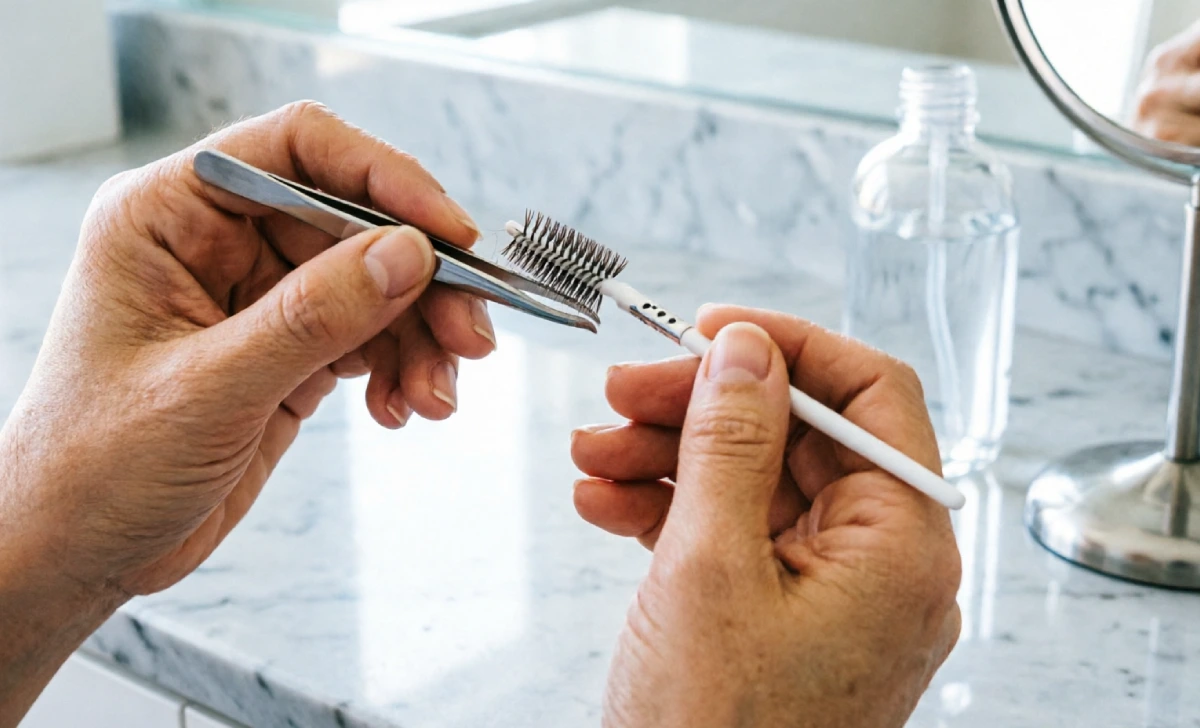
Shaping your own brows feels intimidating, but a calm, planned approach prevents most mistakes. The biggest error people make is tweezing without a clear plan.
- Start with clean, dry skin and a spoolie brush. Comb your hair upward so you can see your natural boundaries clearly.
- With your mapped points marked, only remove hairs that sit clearly outside that zone.
- Use slant-tipped tweezers and pull in the direction of hair growth.
- Step back from the mirror every few hairs to avoid over-plucking.
- If you need to trim length, brush hairs up first and snip only the tips that poke out.
Tools Compared
| Method | Precision | Pain Level | Best For | Regrowth Time |
|---|---|---|---|---|
| Tweezing | High | Moderate | Small touch-ups, daily maintenance | 2–4 weeks |
| Threading | High | Moderate | Clean lines, sensitive skin | 3–4 weeks |
| Waxing | Medium | Higher | Larger areas, quick sessions | 3–5 weeks |
| Trimming | N/A (length only) | None | Controlling length on thick brows | Ongoing |
Common Eyebrow Shaping Mistakes and How to Fix Them
Even careful hands slip sometimes, but almost every brow mistake can be fixed. The most common one is removing too much from the top edge, which flattens the arch. If this happens to you, patience and a nourishing brow serum are your best friends, since growth usually returns within a few months.
Another frequent mistake is a “tadpole” shape, where the tail tapers off too fast. Filling that area with light, hair-like pencil strokes helps it look balanced while it grows back.
Misplacing the arch too far inward or outward throws off the whole face. Go back to your mapped points and slowly retrain the shape by filling rather than plucking.
When Should You See a Professional for Eyebrow Shaping?
Doing your own brows is empowering, but some situations call for expert hands. A big shape change, for example, is easier and safer with a trained artist guiding you.
Semi-permanent options belong firmly in professional territory. If you’re comparing long-term solutions, understanding the tattoo vs microblading difference will help you pick the right service for your goals.
Even routine threading or waxing benefits from someone who can view your face from a distance. Bringing your mapped points along makes it easy to explain exactly what you want.
How Do You Maintain Your Eyebrow Shape?
Once your shape is set, upkeep becomes a light weekly habit rather than a big project. You’re simply preserving what already works, not redesigning it.
- Every few days, brush your brows upward and check only your mapped zone for new growth, removing a few hairs at a time.
- A clear or tinted brow gel keeps hairs in place and adds a polished finish. If you want longer-lasting color without daily effort, an eyebrow tinting service is worth looking into.
- Regular brushing with a spoolie also trains your hair to grow in the right direction over time, making brows easier to manage.
Maintenance Schedule
| Task | How Often |
|---|---|
| Brush with spoolie | Daily |
| Check for stray hairs | Weekly |
| Full shape touch-up | Every 2–3 weeks |
| Brow tint (if used) | Every 4–6 weeks |
| Serum application (if regrowing) | Nightly |
Can Eyebrow Shape Make You Look Younger?
As skin ages, brows can naturally thin and drop slightly, making the eyes look tired. A soft, full arch placed at the right peak gently lifts the whole upper face.
Avoid very thin, sharply angled brows, since they can echo the thinning that comes with age. A moderate thickness with a rounded peak feels far more youthful.
Filling sparse areas with fine, hair-like pencil strokes restores fullness without looking heavy. This small habit makes a noticeable difference over time.
Quick Checklist Before You Shape
- Brows brushed upward and dry
- Three mapping points marked
- Correct tool chosen (tweezers, trimmer, or professional appointment)
- Only hairs outside the mapped zone targeted
- Mirror check every few hairs
- Brow gel or serum applied after shaping
Frequently Asked Questions About Eyebrow Shapes
What is the most universally flattering eyebrow shape?
A soft arch with moderate thickness flatters the widest range of faces. It lifts the eyes gently without looking overly dramatic.
How do I find my natural shape if I’ve over-plucked for years?
Let your brows grow out for six to eight weeks before doing anything. Then map your points and shape only the obvious outliers.
Is it better to shape eyebrows at home or visit a professional?
Home care works fine for maintaining an already good shape. Major changes or semi-permanent services are best left to a professional.
How long does it take for over-plucked eyebrows to grow back?
Most people see noticeable regrowth in two to four months, though full regrowth can take up to a year depending on how the follicles were affected.
What’s the difference between eyebrow mapping and eyebrow microblading?
Mapping is a free, temporary technique using a pencil to find your ideal shape. Microblading is a semi-permanent tattooing process that fills in that shape with pigment, usually lasting one to three years.
Conclusion
Eyebrow shaping doesn’t have to feel stressful once you understand the basics. By learning the core shapes, mapping your face, and pairing that shape with your eye shape, you can build brows that look effortless and intentional.
The same patience applies if you’re also working on eyelash growth naturally alongside your brows. The real goal isn’t a trend — it’s a shape that fits your own face and holds up with minimal daily effort.