
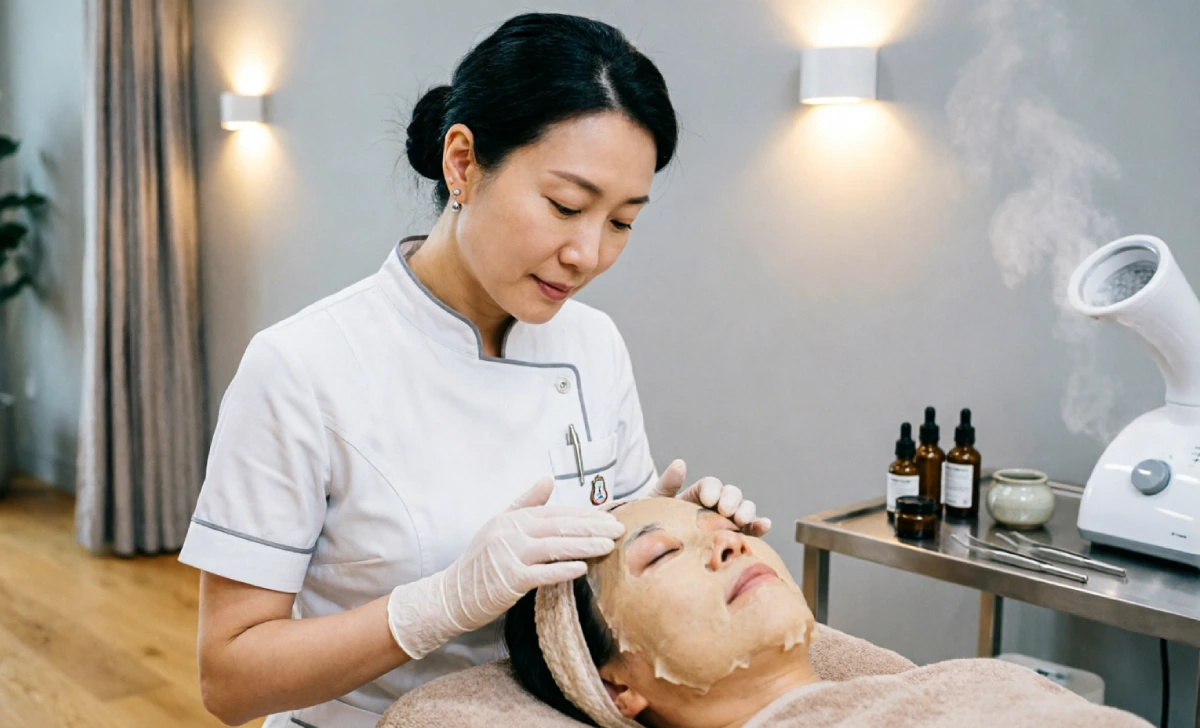
If you’ve ever watched a calming facial video and felt a flicker of envy, you’re not alone. Many people daydream about a hands-on career that blends creativity, science, and human connection, from glowing skin to perfect eyebrow shapes. Few realise how deep and varied a beauty therapist career actually is.
A beauty therapist does far more than apply lotions and makeup. Part skincare expert, part wellness coach, part confidence builder — that’s the role you step into with every client. This field sits at the heart of a wellness industry where self-care is now a daily expectation, not a luxury.
By the end of this guide, you’ll know exactly what the role involves, which skills matter most, how the training path works, and what a certification like CIDESCO opens up globally. Expect honest numbers on pay too, so you can judge whether the path fits your life.
What Exactly Does a Beauty Therapist Do?
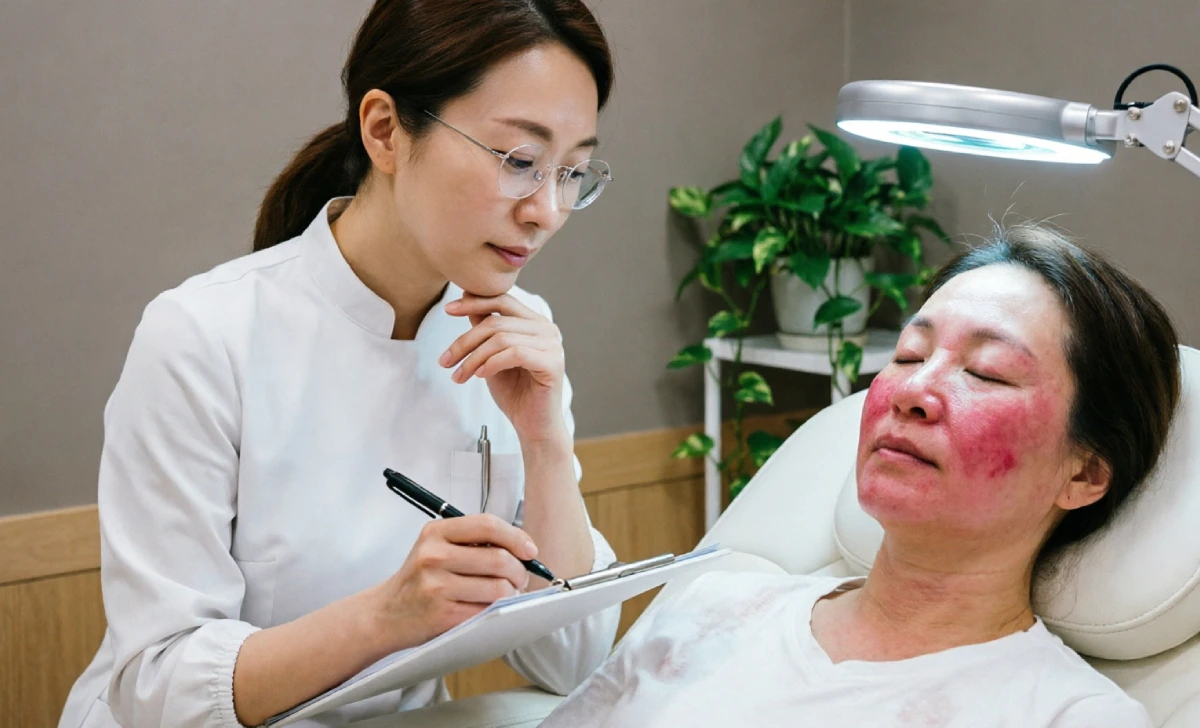
A beauty therapist delivers treatments that improve the skin, body, and overall appearance of clients. One hour might bring a deep cleansing facial; the next, a waxing service or a hand massage. Few days repeat themselves exactly.
Behind the scenes, the job runs on skin science. Choosing the right product for dehydration, sensitivity, or early ageing takes real judgment, built from a proper consultation before anything touches the skin.
Emotional care matters just as much as technique. Clients often arrive tired or self-conscious and leave visibly lighter. Changing someone’s mood through touch and attention sits right at the core of this profession.
What Skills Will You Need to Succeed?
Loving skincare is a start, not the whole picture. Success also demands technical range: facial techniques, hair removal, lash and brow shaping, and often body massage, alongside a working knowledge of ingredients and hygiene protocols.
Physical stamina counts for more than newcomers expect. Hours on your feet, precise hand movements near the eye area, and steady nerves around hot wax all become second nature with practice.
Interpersonal skill separates good therapists from great ones. Reading a client’s mood, adjusting your approach on the fly, and knowing when to talk or stay quiet all shape whether they rebook.
Organisation ties it together. Back-to-back appointments, tool sanitising, and client notes all run smoother once you settle into a rhythm — and staying composed on a packed day puts you ahead early.
What Does a Day in the Life of a Beauty Therapist Look Like?
Forget the polished social-media version. I remember my first morning in a busy day spa: essential oils in the hallway, the steamer warming up, and a quick scramble through the appointment book before the doors opened.
Setup comes first. Clean facial bed, stocked trolley, ready equipment — a tidy room calms nerves before a single client walks in.
A signature facial might open the day. After a warm greeting and quick consultation, the treatment moves through cleansing, exfoliation, massage, and mask, with regular check-ins on comfort throughout.
Gaps between appointments disappear fast into sanitising, restocking, and note-taking. By late afternoon, tired feet come with real satisfaction — several people leaving your chair feeling cared for.
How Do You Become a Beauty Therapist? Your Step-by-Step Training Path
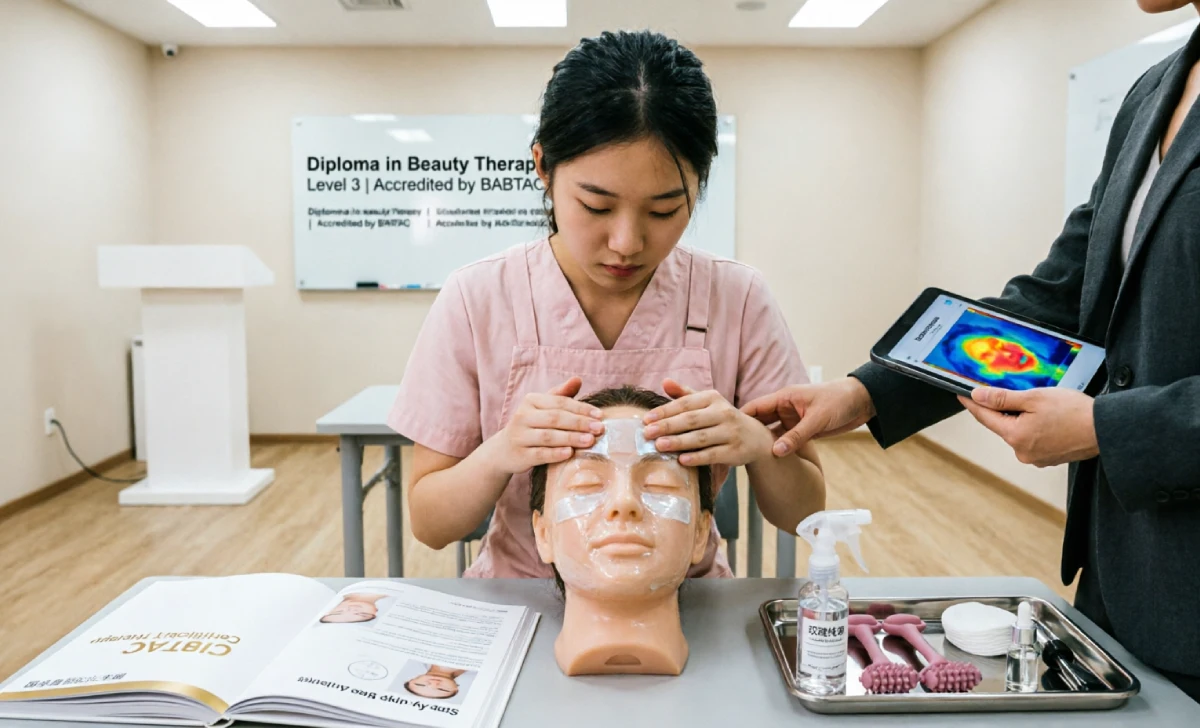
No single rigid route exists, which works in your favour. College diplomas, private academy courses, and apprenticeships all lead somewhere; budget and pace decide which fits.
Full-time diplomas typically run nine months to a year, while part-time study stretches closer to two. A Level 2 or 3 NVQ anchors UK training, while US candidates usually complete a state-approved esthetics program instead.
Private schools often add internationally recognised credentials like CIDESCO or CIBTAC, covering anatomy and business alongside advanced technique. That signals a high global standard to employers, especially if working abroad is on your radar.
Practical hours make everything click. Once certified, junior roles in salons, spas, or clinics open up — and that’s where real learning continues.
Which Certification Is Right for You? CIDESCO, ITEC, and More
The alphabet soup of accreditation looks worse than it is. CIDESCO sits as the global gold standard, backed by a demanding curriculum and practical exam — the credential of choice for international or five-star spa work.
ITEC carries strong recognition across the UK, Ireland, and parts of Asia. Its modular structure lets you build qualifications unit by unit, ideal if gradual specialisation suits you better than one large exam.
CIBTAC matches CIDESCO’s rigour and often runs alongside it in top training centres. US therapists follow a different route entirely: a state-licensed program followed by a board exam. Matching credential to location saves both time and money.
Beauty Therapist Career Paths and Progression
A flat ceiling is the biggest myth about this career. Junior therapist roles build the foundation, with your appointment column growing steadily over the first year or two.
Senior therapist comes next, bringing training duties and harder-to-treat skin cases. Head therapist or spa manager positions follow for those drawn to coordinating menus and leading a small team.
Independence appeals to plenty of therapists instead. Renting a chair or converting a home space hands you control over pricing and schedule, at the cost of learning marketing and basic bookkeeping.
Teaching, brand education, and product consulting all sit beyond the treatment room too. Some therapists even build an audience as beauty educators online — proof the door never fully closes; it just moves.
The Importance of Accreditation and Licensing in Beauty Therapy
Licensing exists for one main reason: safety. A certified therapist has proven competence in hygiene, anatomy, and equipment use, protecting everyone in the room.
Legality varies by region. US practitioners must pass a state board exam; UK employers and insurers generally expect a recognised qualification such as an NVQ.
Beyond legal cover, accreditation protects your business. Insurance depends on it, and a certificate on the wall gives you leverage when negotiating pay or studio rent later.
How Much Can You Earn as a Beauty Therapist?
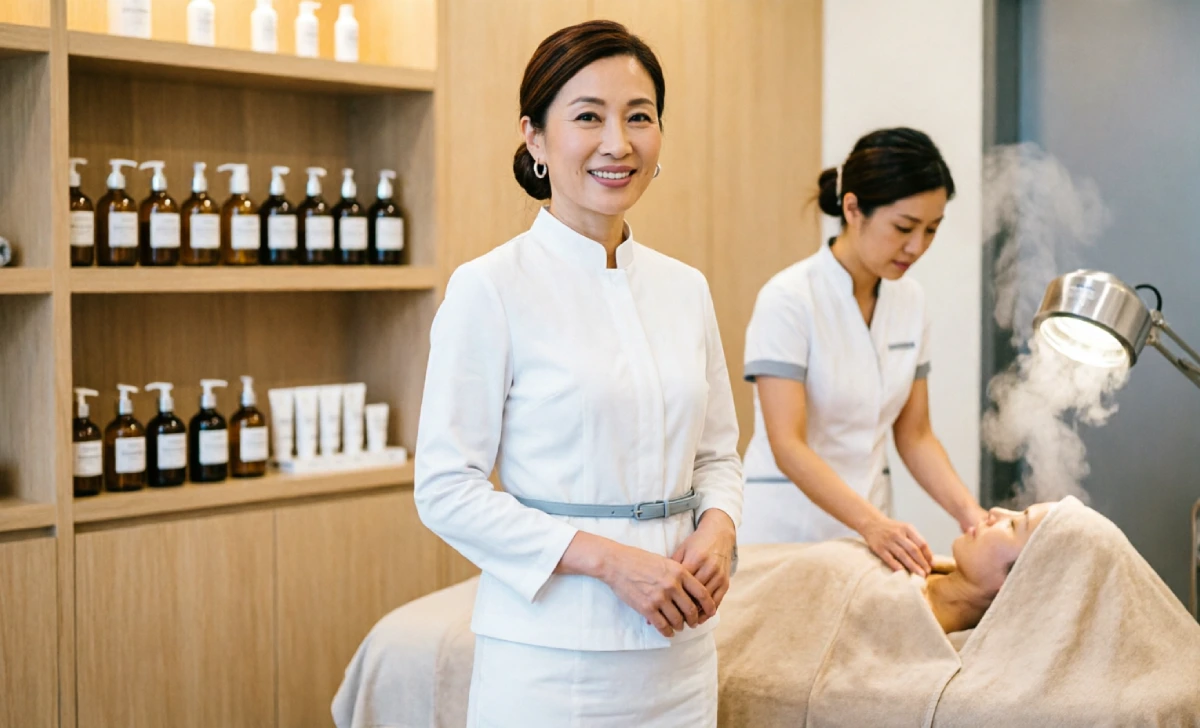
Money deserves early attention in career planning. Newly qualified UK therapists typically start around £18,000–£22,000 a year, while US entry-level estheticians usually earn an hourly wage plus commission.
Experience and a loyal client base push earnings up. Senior therapists in busy hotel spas often out-earn salon peers once retail commission is factored in, with top UK earners clearing £30,000.
Self-employment ties income directly to effort. A therapist charging £50 per facial across twenty weekly appointments generates solid turnover, and many build a thriving business within five years of starting.
Popular Beauty Therapy Specializations to Consider
Specialising turns a steady career into a standout one. Advanced facials like microneedling and LED therapy draw clients chasing visible, science-backed results — and command higher prices.
Lash and brow work has surged in demand. Lash lifting, brow lamination, and semi-permanent brow microblading offer transformative, low-maintenance results that keep clients coming back to the same therapist.
Body treatments open another lane. Lymphatic drainage massage and body wraps suit wellness-focused clients, and their longer sessions raise your average ticket price.
Medical aesthetics offers a natural next step for experienced therapists. Certifications in laser hair removal or skin needling move you into clinical settings, often with a fast increase in earning power.
Is a Beauty Therapist Career Right for You? Honest Pros and Cons
No career suits everyone, so a clear view matters. On the plus side: a creative, people-focused job where variety is constant, and watching a client’s confidence lift never grows old.
Challenges exist too. Long hours on your feet, repetitive hand movements, and a slow income build in the early months all test patience — plus an expectation to keep your own appearance polished.
If calming people and constant demand for your skill appeal to you, the upsides usually outweigh the hard days. I’ve watched unsure students become confident salon owners within a few short years.
Frequently Asked Questions About a Beauty Therapist Career
Do I need a license to work as a beauty therapist?
Most regions require a recognised qualification or state license. UK employers and insurers typically expect an NVQ or equivalent; US practitioners need a state esthetics license.
Can I become a beauty therapist without going to school?
Formal training through a college, academy, or apprenticeship remains the standard route. Short online courses rarely provide the practical hours or accreditation employers require.
How long does it take to build a steady client base?
Most therapists see a regular roster within six to twelve months of consistent work. Reliability and good follow-up communication speed this timeline considerably.
What’s the difference between a beauty therapist and an esthetician in the US?
An esthetician holds a scope of practice very close to a beauty therapist’s. “Beauty therapist” is the more common UK and Australian term, often covering a wider range including nail and massage services.
Conclusion
A beauty therapist career runs on touch, empathy, and steady growth — far more craft than job. You now know the daily reality, the skills worth building, and small add-ons like an eyebrow tinting service that boost income from day one.
Having every answer isn’t the next step — exploring accredited courses near you or talking to a working therapist is. Your future treatment room is waiting, so take that first move.