
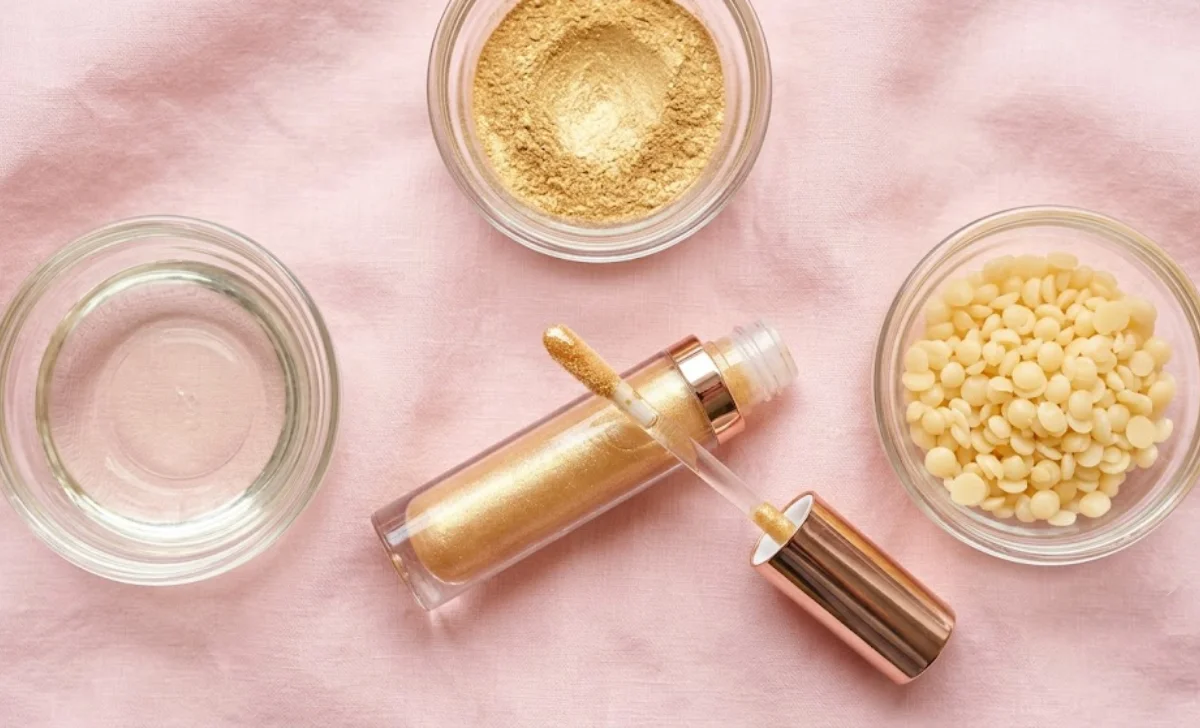
That satisfying click when you pull out a glossy tube and swipe on a perfect, wet shine feels effortless. But if you’ve ever paused to wonder what is lip gloss made of, you’re not alone, especially if you already follow a careful skincare routine and want every product on your face to make sense.
Ingredient lists can look like a foreign language, and somewhere in your mind, a tiny voice might even ask if the old whale sperm myth is true. It isn’t, and the real answer is far more interesting.
Lip gloss is really just a blend of a few functional ingredient families, each with a clear job: smoothing on, locking in shine, or adding color. Once you spot the logic behind those scientific names, shopping for gloss gets a lot easier. Ahead, you’ll learn what builds the shine, the stickiness, the color, and even the tingle.
What Are the Basic Ingredients in Lip Gloss?
A lip gloss label might look intimidating, but nearly everything on it falls into four groups: a base, a shine booster, a thickener, and a few extras for color, flavor, and freshness.
The base is usually liquid oils or emollients, which make the gloss feel slippery and wet; these sit near the top of most ingredient lists. A thickener or polymer follows next, giving the formula body so it doesn’t slide straight off your lips.
Color comes from pigments and shimmer particles like mica, iron oxides, and dyes, ranging from a sheer pink tint to full glitter. Small amounts of preservatives and flavor oils round things out, keeping the product safe and pleasant to wear.
The Role of Oils and Emollients: Creating That High-Shine Finish
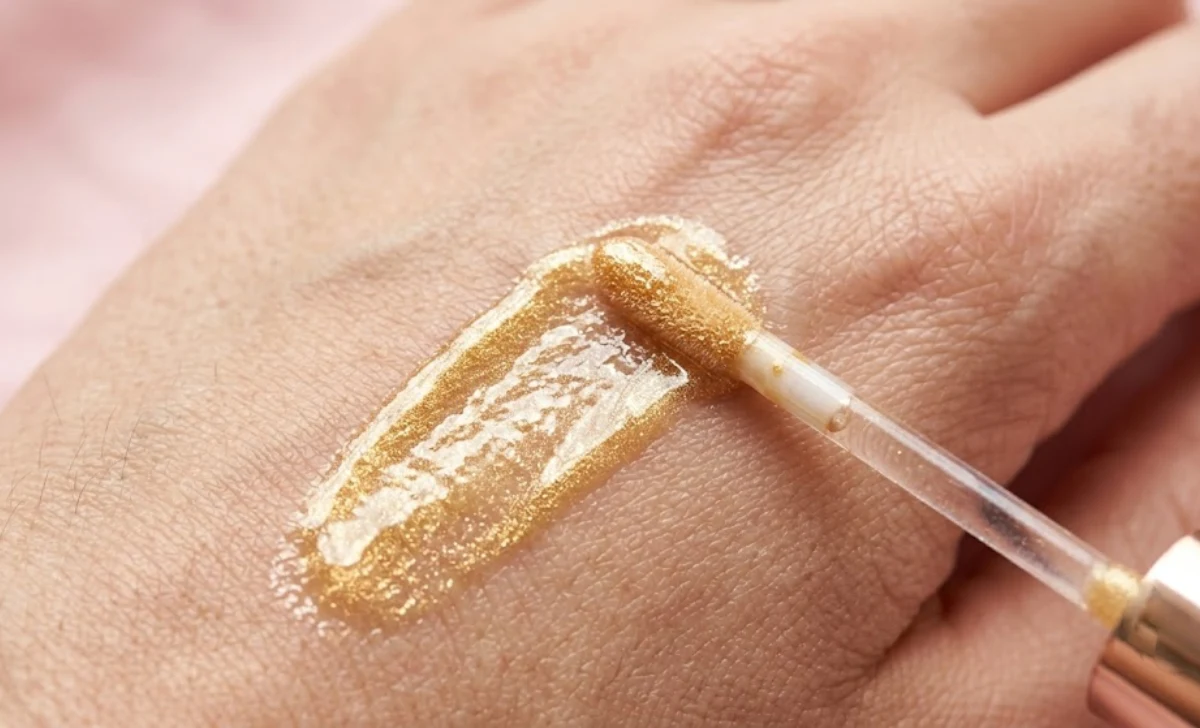
That mirror-like wet look isn’t magic. Emollients sit on your lips, smooth over tiny imperfections, and create a light-reflecting surface.
Castor oil leads the pack here. Naturally thick and glossy, it’s a workhorse in formulas like MAC Lipglass. Mineral oil offers a clearer, more stable shine, while lanolin brings deep hydration, and plant-based shea butter or coconut oil step in for animal-free formulas.
Comfort matters too. A gloss that dries your lips mid-wear is usually missing the right oil balance. Fenty Gloss Bomb, for instance, layers oils of different weights for a feel that’s both cushiony and slick.
Why Is Lip Gloss So Sticky? The Science of Thickeners and Polymers
Catching a strand of hair in your gloss on a windy day isn’t a flaw in the formula; it’s a side effect of a deliberate choice. Stickiness keeps the gloss exactly where you put it instead of sliding off within minutes.
Polybutene, a synthetic polymer, delivers that clingy, long-wearing texture without dulling the shine. Beeswax and candelilla wax do similar work naturally, with candelilla offering a plant-based, vegan-friendly alternative.
Knowing this changes how you shop. Prefer a lighter feel? Look for thinner oils and silicones instead of heavy polymers. Want a gloss that survives lunch? A little tack works in your favor.
Is Lip Gloss Made from Whale Sperm? Debunking the Most Viral Myth
No, lip gloss has never been made from whale sperm. The myth likely traces back to “spermaceti,” a waxy substance once harvested from sperm whales for old-school cosmetics and candles, a practice long abandoned by the industry.
Today’s shine comes from plant oils, synthetic polymers, and safe emollients like polyisobutene and hydrogenated polyisobutene, which mimic that rich viscosity without any animal byproducts. If you want extra reassurance, just check the label for a cruelty-free certification.
How Do Color and Shimmer Get Added to Lip Gloss?
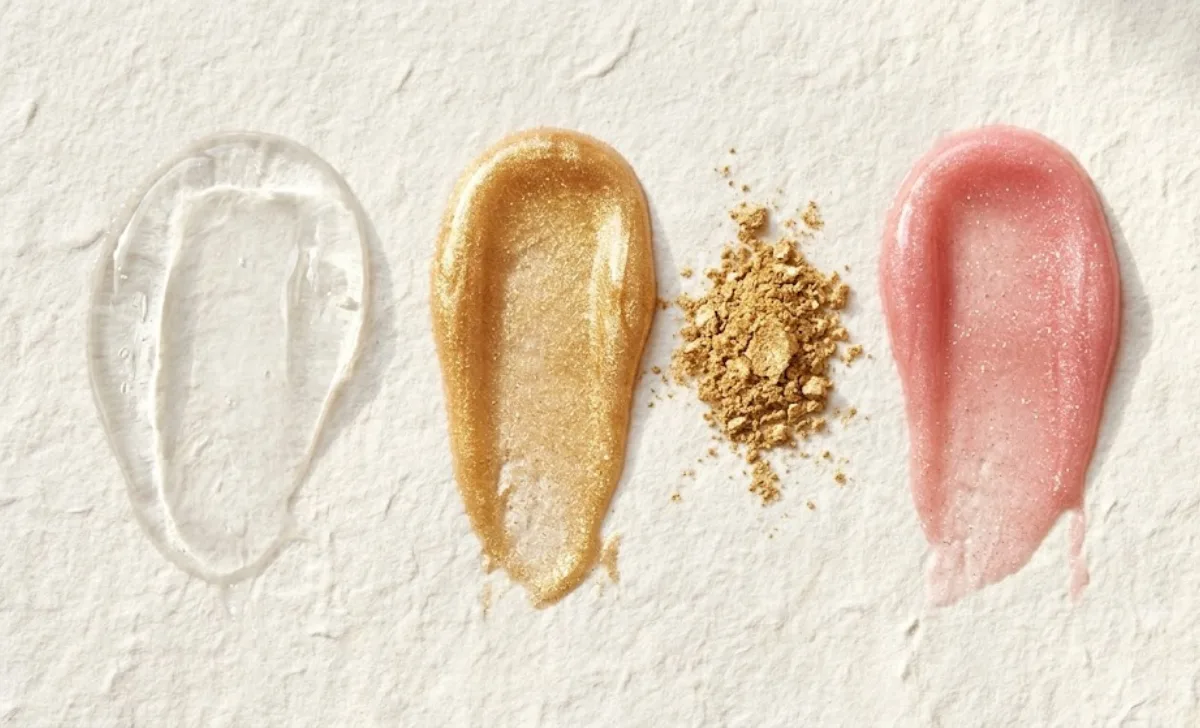
From a sheer pink wash to an explosion of golden sparkle, color payoff comes down to carefully dispersed pigments mixed into the glossy base.
Mica, a naturally occurring mineral ground into fine powder, supplies most of that shimmer and is often coated with titanium dioxide or iron oxides for different reflective effects. Opaque, creamy shades rely instead on iron oxide pigments and lip-safe D&C dyes.
Formulators work to keep pigments from clumping so the gloss stays smooth, not gritty. A shimmer version of NYX Butter Gloss, for example, should glide just as easily as its clear counterpart.
What Makes a Plumping Lip Gloss Tingle?
That cool zing or warm prickle from a plumping gloss isn’t accidental. It’s the result of active ingredients temporarily boosting blood flow to your lips’ surface.
Menthol and peppermint oil deliver a gentle cooling tingle, while capsicum or cinnamon extract trigger a stronger flush and swell. Newer formulas favor peptides and niacin, offering a softer, more skincare-like plump over time.
Sensitivity varies widely from person to person, so patch-testing a new plumping gloss on a small area is always a smart first step.
How to Tell if a Lip Gloss Is Vegan, Natural, or Cruelty-Free
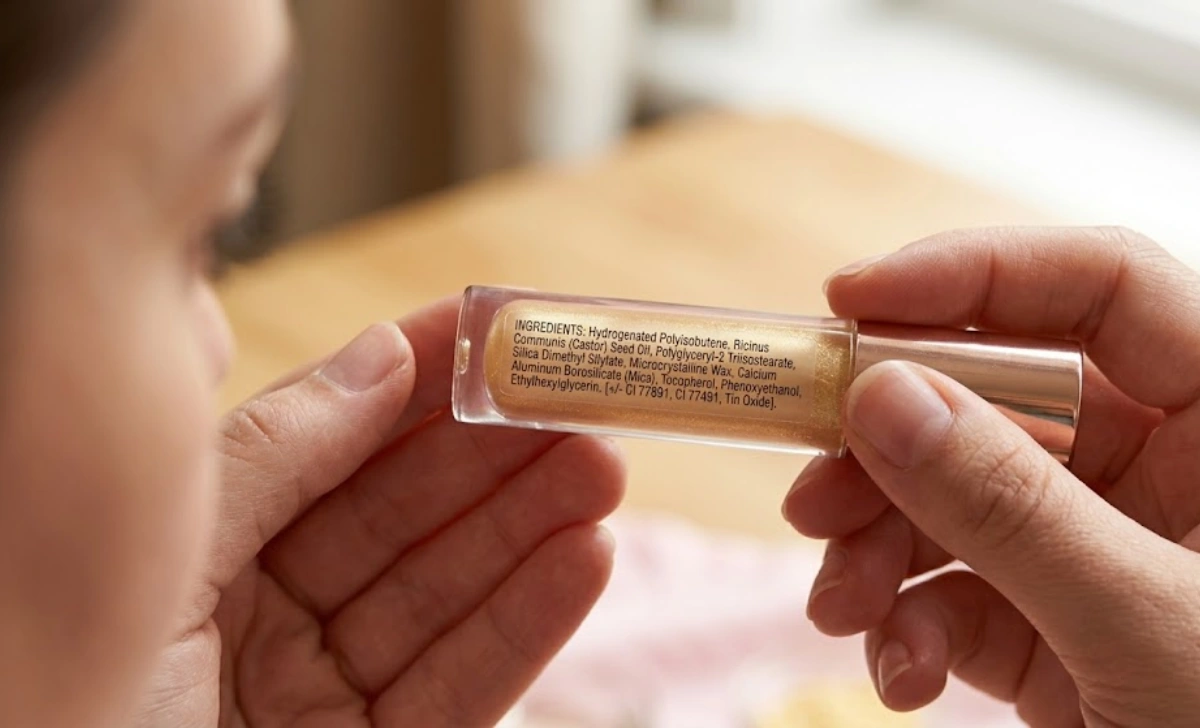
Many beauty shoppers now want products that match their values, but brands don’t always spell this out clearly on the front of the package. Reading the ingredient list is the fastest way to know for sure.
Vegan glosses skip beeswax, lanolin, and carmine. Beeswax, a common thickener, is usually swapped for candelilla wax or a synthetic polymer in vegan formulas, while carmine, a red pigment made from crushed cochineal insects, immediately rules a product out.
Cruelty-free is a separate claim entirely, meaning the finished product wasn’t tested on animals. Look for a Leaping Bunny logo or a direct statement from the brand to confirm it.
What Is the Difference Between Lip Gloss, Lip Oil, and Lipstick?
Choosing between these three comes down to their ingredient makeup, not just their packaging.
Gloss leans on polymers and thick emollients for maximum shine and visible plumpness. Lip oil takes a lighter approach, using fast-absorbing oils like jojoba and rosehip for a non-tacky sheen. Lipstick, by contrast, packs in more wax and pigment for full, lasting color coverage.
Want a juicy statement shine? Reach for gloss. Need nourishment for dry lips? Grab the oil. Craving bold color that lasts? Lipstick wins.
Frequently Asked Questions About Lip Gloss Ingredients
Does lip gloss contain petroleum jelly?
Many formulas include petroleum jelly itself or a synthetic version for its thick, occlusive shine. To avoid it, check for “petrolatum” and choose plant-oil-based glosses instead.
What ingredients should you avoid if you have dry lips?
Skip glosses with strong drying alcohols or intense plumpers like capsicum. Look instead for glycerin and shea butter to keep lips comfortable.
Is lip gloss safe if you accidentally swallow a little?
Trace amounts are inevitably swallowed during normal wear, and reputable brands use ingredients recognized as cosmetically safe, so there’s no real cause for concern.
What makes a lip gloss long-lasting?
Film-forming polymers and sticky thickeners create a flexible layer that resists transfer. The trade-off is usually a slightly tackier feel in exchange for staying power.
Conclusion
What is lip gloss made of? A smart blend of oils for shine, thickeners for staying power, and pigments for personality- nothing mysterious about it.
The whale sperm myth is busted, the stickiness finally makes sense, and you now know how to spot a vegan formula at a glance. That’s real confidence for your next glow-up moment.