

You are probably exhausted from reading health tips that contradict each other. One expert says cardio is king, while another swears by fasting, making it nearly impossible to know what actually works. The good news is that learning how to optimize physical health does not have to be complicated. Just like understanding green juice benefits can simplify your nutrition choices, the right health approach simplifies everything else too. True wellness asks you to make small, consistent choices that support your body’s natural systems every single day. In this guide, you will find practical, science-backed strategies to build a stronger, healthier version of yourself without burning out.
What Does It Mean to Truly Optimize Physical Health
Many people assume that optimizing their health means following a perfect, rigid plan every single day. In reality, health optimization is about steady, incremental progress that adds up over weeks and months. You do not need to be a professional athlete or follow an extreme routine to see real, lasting results.
When you shift your focus from perfection to consistency, your body begins to adapt in genuinely useful ways. Small daily improvements in sleep, movement, and nutrition create a compounding effect that transforms your energy levels over time. Your ideal health routine will look different from someone else’s because your genetics, lifestyle, and goals are entirely unique. Embrace your own path and focus on habits that genuinely fit your daily life.
The Foundational Pillars of Daily Wellness
Your body depends on four areas: movement, nutrition, rest, and stress recovery. If even one of those areas weakens, the entire structure becomes unstable over time. Giving each area consistent attention is what separates people who feel well from those who simply get by.
Movement fuels your cardiovascular system and keeps your muscles strong throughout life. Nutrition provides the raw materials your cells need to repair, rebuild, and generate steady energy. Rest and stress recovery complete the cycle by allowing your body to consolidate all the gains you have made. Start by identifying which area currently needs the most attention in your daily routine, then strengthen the others one at a time.
Why Sleep Is the Most Critical Factor for Recovery

You might be tempted to sacrifice sleep to squeeze more productivity into your day. However, sleep is not a passive activity. It is when your nervous system repairs itself, your muscles rebuild, and your brain clears out metabolic waste that builds up during waking hours.
During deep sleep, your endocrine system releases growth hormone, which drives tissue repair and muscle recovery throughout the body. Without sufficient sleep, your body cannot fully process the benefits of exercise or nutrition, no matter how disciplined you are in those areas.
Building a consistent sleep schedule is one of the most effective things you can do right now. Going to bed and waking at the same time every day trains your internal clock to work in your favor. Dimming lights and avoiding screens an hour before bed signals to your brain that it is time to wind down. Prioritizing seven to nine hours of quality sleep will strengthen every other health habit you practice.
How to Build a Sustainable Exercise Routine

Starting a new workout routine with maximum intensity every day is one of the most common and costly mistakes people make. That approach leads to soreness, burnout, and eventually quitting within a few weeks. A smarter strategy focuses on building consistency first and intensity second.
A well-rounded routine should combine cardiovascular fitness with regular resistance training. Cardiovascular exercises like brisk walking, cycling, or swimming strengthen your heart and boost your stamina. Resistance training builds and preserves lean muscle mass, which is essential for a healthy metabolism and long-term independence.
Aim for at least three to five sessions per week, and always include one or two full rest days to allow proper recovery. Whether that is lifting weights, hiking local trails, or dancing in your living room, movement you enjoy becomes movement you maintain. People who stay consistent with exercise also tend to glow up fast because physical fitness shows visibly over time.
Nutrition Strategies for Optimal Energy and Healing
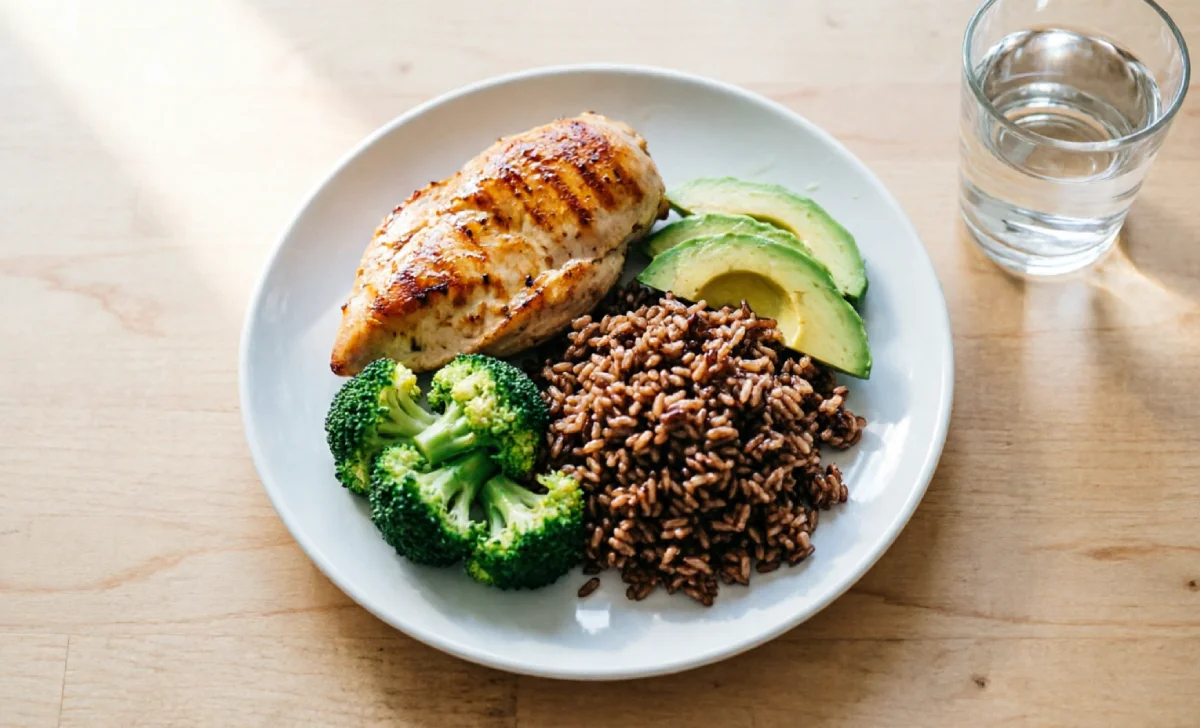
Fueling your body well does not require cutting out entire food groups or counting every calorie. Effective nutrition is about adding more whole, nutrient-dense foods rather than constantly restricting yourself.
A balanced diet built around lean proteins, healthy fats, and colorful vegetables gives your body the raw materials it needs for cellular repair and sustained energy. Proper hydration supports every biological process, from digestion to brain function. Drink water consistently throughout the day rather than in large, infrequent bursts.
Pay attention to how different foods make you feel two to three hours after eating them. This practice of mindful eating naturally helps you identify which foods energize you and which ones drain you. Food should be a source of nourishment and genuine pleasure, not anxiety or guilt. A flexible nutrition approach is always more effective than a rigid, restrictive one that you cannot maintain long-term.
What Role Does Stress Management Play in Your Well-Being
Stress is not just a mental experience. It is a full-body physiological response that directly impacts your physical health. Chronic stress keeps your nervous system locked in fight-or-flight mode, which disrupts digestion, weakens your immune system, and impairs sleep quality.
Managing stress requires you to actively engage your parasympathetic nervous system, which is responsible for rest and recovery. Simple techniques like slow deep breathing, short walks in nature, or five minutes of quiet meditation can interrupt the stress response quickly. These small, consistent practices signal to your brain that you are safe, allowing your body to shift back into healing mode.
People who manage stress well consistently tend to look younger naturally because chronic stress accelerates cellular aging. Setting clear boundaries in your personal and professional life is also a powerful form of stress management. Learning to say no to draining commitments protects your mental calm and your physical vitality equally.
How to Track Your Progress and Stay Consistent
Tracking your health progress gives you real, objective data instead of relying on vague feelings. Simple tools like a fitness tracker or heart rate monitor can reveal patterns in your sleep quality, activity levels, and recovery that you might never notice otherwise.
You do not need expensive equipment to track progress effectively. Keeping a simple weekly journal where you note your energy levels, sleep hours, exercise sessions, and mood is a free and powerful tool. Pairing your tracking with a consistent body care routine is a great way to stay connected to how your body looks and feels over time. Review your data every two to four weeks and make one small, intentional change based on what you find.
Frequently Asked Questions
How long does it take to see results when optimizing physical health?
You will likely notice improvements in daily energy and sleep quality within the first two to three weeks of consistent habits. Significant physical changes typically take about three to six months of steady effort to fully develop.
What is the single most important daily habit for improving overall well-being?
Prioritizing seven to nine hours of high-quality sleep every night is the most impactful habit you can build. Sleep regulates your hormones, repairs your tissues, and sharpens your mind.
Do you need expensive supplements to optimize your physical health?
No. A nutrient-dense whole food diet, consistent hydration, and regular movement will provide the vast majority of benefits you are looking for.
How can you stay motivated when you miss a day of your health routine?
Missing a single day will not derail your progress if you simply return to your routine the next day. Focus on the momentum you have already built and treat your next session as a fresh start.
Conclusion
By giving steady attention to your sleep, movement, nutrition, and stress levels, you build a strong foundation that supports your energy and vitality for years to come. Start with just one or two small adjustments this week and allow your new habits to grow naturally over time. Be patient with yourself, and your body will respond to every bit of consistent care you give it.