
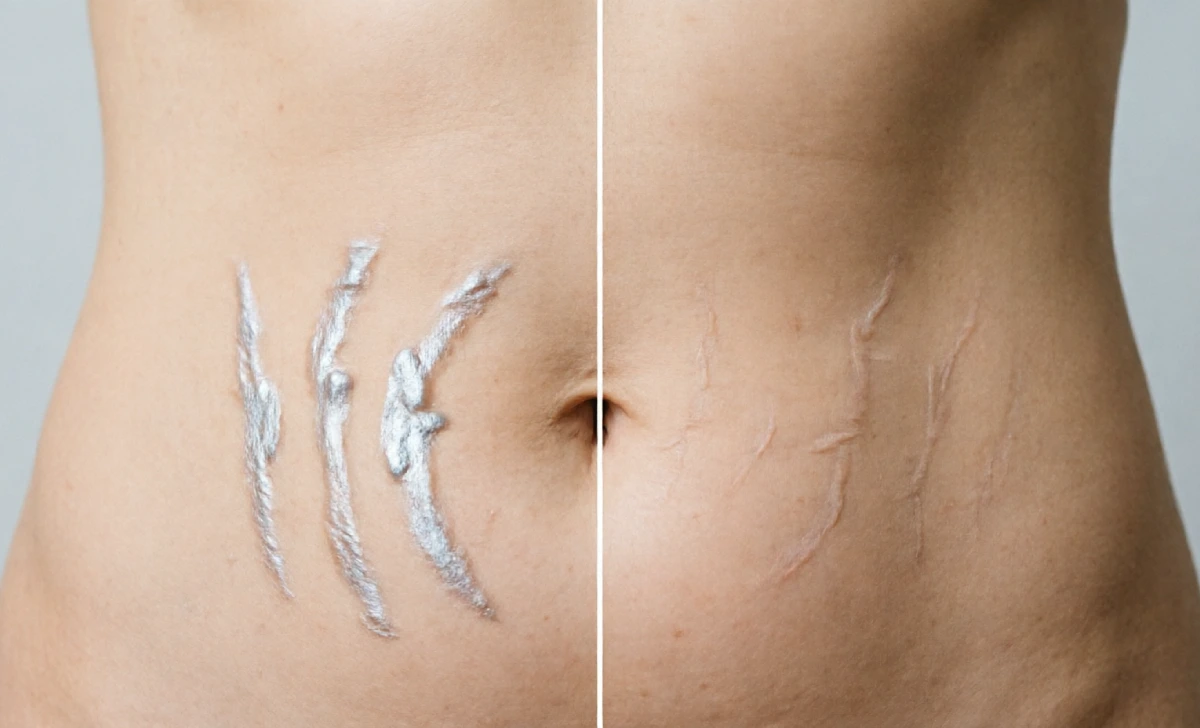
You’ve tried creams and waited for them to fade, but those stretch marks still make you feel self-conscious. Laser stretch mark removal is one of the most researched ways to reduce their appearance, and you’re right to ask real questions first. In this guide, you’ll learn what the procedure feels like, how to choose the right laser, what real costs look like, and how to find a trustworthy skin scar treatment provider.
What Are Stretch Marks and Why Do They Appear?
Stretch marks are tiny tears in the dermis, the skin’s supportive middle layer, where collagen and elastin fibers get stretched beyond their limit. This happens during rapid growth, such as pregnancy, growth spurts, or rapid weight changes. When the marks are fresh and red, doctors call them striae rubra, and at this stage, they’re more responsive to laser treatment. Over time, they heal into sunken, pale scars known as striae alba, and those older marks need a different laser approach.
How Does Laser Stretch Mark Removal Work?
The laser doesn’t directly burn or remove the stretch mark. Instead, the light energy creates tiny, controlled columns of heat in the dermis, triggering a process called fractional photothermolysis. This kickstarts your skin’s natural repair response, producing new collagen and elastin that remodel the scar from the inside out. Over several weeks, both texture and color gradually improve.
Which approach your provider recommends depends on your stretch mark color, their age, and your skin tone.
Types of Lasers Used for Stretch Mark Treatment
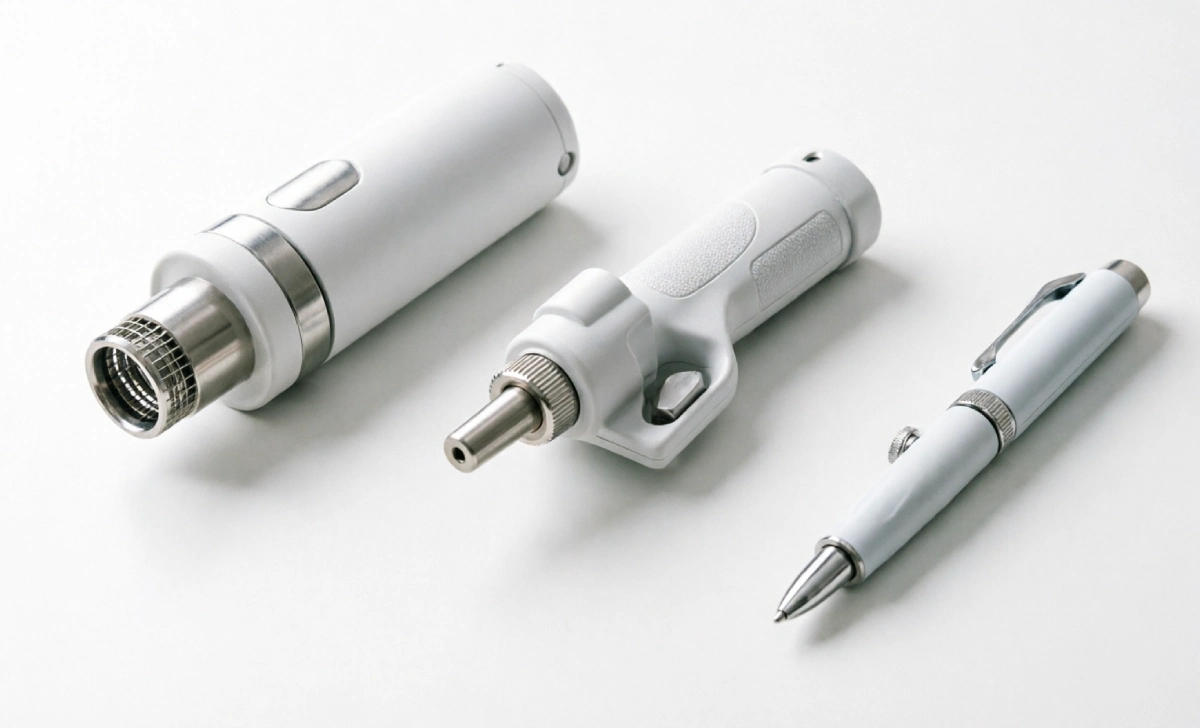
There are two main laser families to know. Ablative fractional lasers like CO2 and Erbium: YAG remove microscopic columns of skin and work well on older white stretch marks that need powerful collagen rebuilding. Non-ablative fractional lasers, including devices like Fraxel, heat the deeper layers without wounding the surface, offering a shorter recovery for mild to moderate marks.
If your stretch marks are still red or purplish, a vascular laser like the pulsed dye laser, known as Vbeam, targets the blood vessels responsible for that color. For people with darker skin tones, an Nd: YAG laser is often the safer choice because it bypasses melanin in the upper layers and lowers the risk of pigmentation changes. The right laser for you depends on your specific marks, skin tone, and how much downtime you can manage.
Who Is a Good Candidate for This Treatment?
You might be a good candidate if you have stretch marks that bother you, you’re in good general health, and you understand that laser improves rather than erases them. The best results come with realistic expectations and a willingness to complete a full treatment series. If you are pregnant or breastfeeding, it’s usually recommended to wait until after that phase.
If you have a history of keloid scars or active skin infections, raise this at your consultation so your provider can adjust the plan.
What to Expect During Your Laser Session?
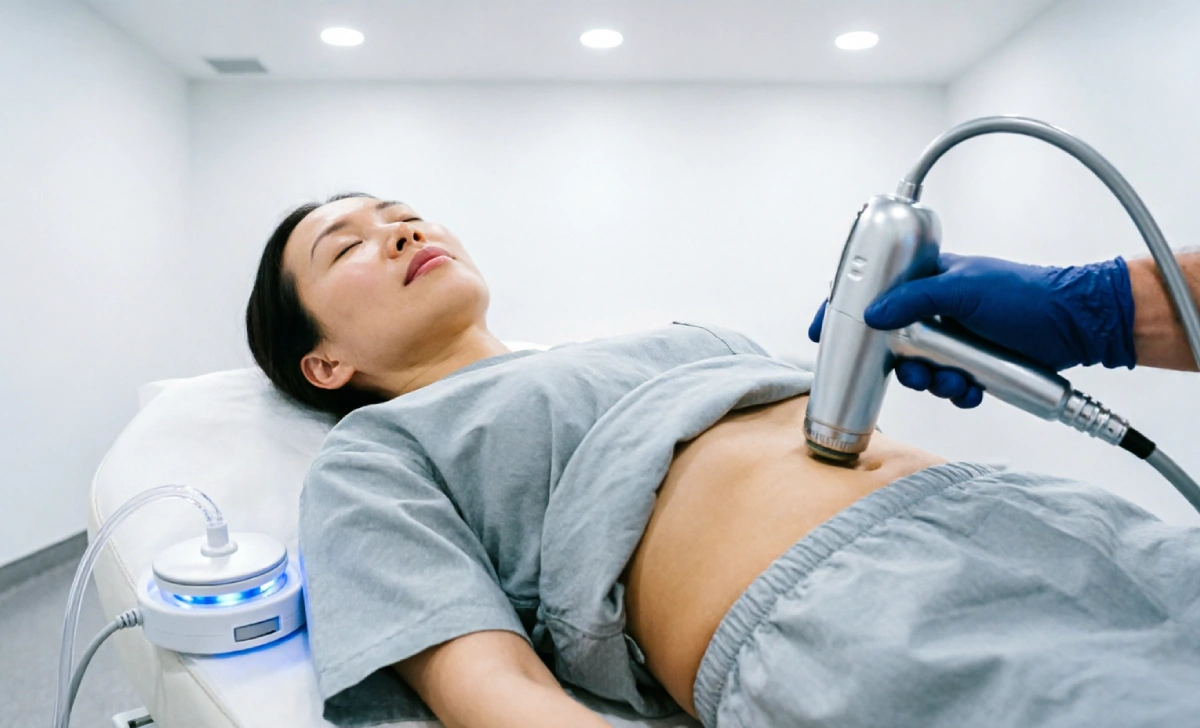
Most people describe the sensation as a warm snapping feeling, not unbearable pain. Before the session starts, a numbing cream containing lidocaine is applied and left for about 30 to 45 minutes. By the time the laser begins, the area will feel noticeably dulled.
You’ll lie comfortably while the provider guides the laser handpiece over the marks. Many modern devices include a cooling tip that soothes the skin during the pulses. A session usually lasts between 20 and 45 minutes, depending on the size of the treatment area, and you can go home right after.
How Many Sessions Will You Need?
Most people need between three and six sessions spaced four to six weeks apart. Red stretch marks often respond faster because of active healing potential, while older white marks take more sessions since collagen production has slowed. Your body needs roughly a month between treatments to build new collagen, so spacing is not optional.
Laser Stretch Mark Removal Recovery and Aftercare
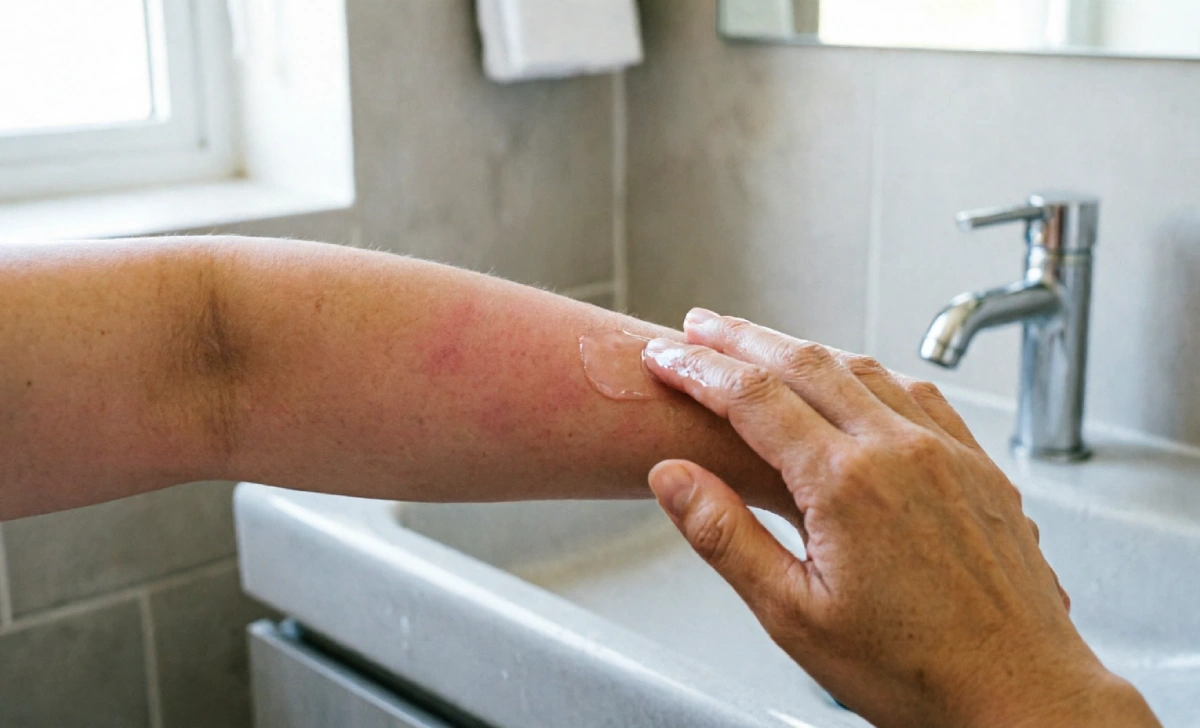
For the first day or two, your skin will be red and slightly puffy, similar to a mild sunburn. Gentle cleansing and a cool compress will help, and you can learn exactly what to expect at each stage from our guide on healing stages day by day. By day three, the redness fades, and you may see light peeling as the skin renews itself — don’t pick or scrub these areas.
Keep the skin hydrated with a hyaluronic acid serum or silicone-based gel your clinic recommends. Sun protection is non-negotiable. Your treated skin stays sensitive to UV damage for several weeks, and even brief unprotected exposure can cause dark spots. Wear a broad-spectrum SPF 50 every day without exception.
When Will You See Results?
The marks don’t vanish, but they often become less raised and much closer to the surrounding skin tone. Keep progress photos so you can track the gradual shift, because day-to-day changes are easy to miss.
Laser Stretch Mark Removal Cost Breakdown
Per-session prices range from around two hundred to over a thousand dollars depending on your location, provider experience, and the size of the area being treated. Many clinics offer package pricing that reduces the per-session cost when you commit to a full series. Since insurance treats this as cosmetic, you’ll pay out of pocket, so ask for a clear written estimate that includes every fee during your consultation.
A higher price from a board-certified dermatologist often reflects safer technique and better outcomes — choosing on skill rather than the lowest quote usually pays off.
Risks and Side Effects You Should Know
Temporary redness, swelling, and that sunburn sensation are normal. They settle within a few days and confirm the skin is actively healing. Pigment changes are the main risk to understand. People with olive or darker skin tones can develop temporary dark or light spots in the treated area, but a provider who selects the correct laser and settings for your skin color significantly reduces this chance.
Scarring or infection is rare when a qualified professional performs the treatment and you follow aftercare instructions. Share any history of keloids or poor healing upfront.
How Does Laser Compare to Other Stretch Mark Treatments?
Microneedling also stimulates collagen using tiny needles and has minimal downtime, but laser reaches deeper with more controlled energy, making it more effective for stubborn or older marks. Platelet-rich plasma is sometimes paired with microneedling to support healing and can improve results for some people. Topical creams cannot penetrate the dermis deeply enough to remodel scar tissue, so while they may soften the surface, they won’t produce the change that energy-based devices can.
Radiofrequency is another option that heats tissue to tighten skin and improve stretch mark appearance, particularly when skin laxity is also a concern.
How to Choose the Right Provider
Look for a board-certified dermatologist or cosmetic surgeon with direct experience in laser stretch mark removal. Ask how many cases similar to yours they have treated and which laser devices they use. Request before-and-after photos of real patients, ideally with a similar skin tone and mark type to your own.
If a clinic applies heavy sales pressure or avoids sharing real patient results, walk away. A trustworthy provider answers your questions honestly and speaks openly about what the treatment can and cannot do.
Is Laser Stretch Mark Removal Permanent?
Improvement from laser treatment can last for years, but stretch marks are scars and no procedure erases them. Natural aging and significant weight changes afterward can affect how results hold up. Think of it as a meaningful, durable improvement — maintain results by keeping your weight stable and your skin well cared for.
Can You Treat Stretch Marks at Home with a Laser Device?
At-home laser devices operate at energy levels far below what medical-grade equipment delivers. They cannot reach the deep dermis where stretch marks reside, so the effect on actual scar tissue is minimal. If you’re tempted by at-home gadgets, ask your dermatologist first — the honest answer will likely save you both money and disappointment.
Preparing for Your First Consultation
Write down your questions before you go so nothing slips your mind. Bring a list of any medications, supplements, or skincare products you use, since ingredients like retinoids may need to be paused. Avoid tanning or strong sun exposure for at least two weeks before your appointment, as sun-damaged skin raises the risk of side effects and can affect laser settings.
Arrive with clean, sunscreen-free skin if a test spot is planned. Pay attention to how you’re treated in the consultation space — you deserve honest answers, not a rushed session that ends with a booking form.
FAQs
Can laser stretch mark removal completely erase stretch marks?
No. Laser treatment can significantly fade and smooth stretch marks so they blend much better with surrounding skin, but the original scar structure doesn’t disappear entirely. Most people feel the improvement is worthwhile when they go in with realistic expectations.
What is the best time of year to start treatment?
Fall and winter are often ideal because reduced sun exposure makes aftercare simpler and lowers the risk of post-treatment pigmentation issues. If a beach vacation is coming up, schedule your series after you return, and your tan has fully faded.
Will my stretch marks look worse before they get better?
In the first few days, they will appear redder and slightly swollen, which is a normal healing response, not damage. Once the initial inflammation settles, the skin begins its gradual improvement. Contact your provider immediately if anything looks or feels severe.
How soon after pregnancy or weight loss can I start?
It’s usually best to wait at least three to six months after childbirth or reaching a stable weight. Your body needs time to normalize hormonally, and waiting for marks to shift from active red to a more settled state improves both laser response and safety.
Conclusion
Laser stretch mark removal can give you smoother, less noticeable skin, but the best results come from realistic expectations, multiple sessions, and a skilled provider. You now know what the procedure involves, how to plan for cost and recovery, and what questions to ask. If you want to keep building on your results, our guide on how to look younger covers practical skin care steps that complement professional treatments. Take your time, ask every question, and move forward only when you feel completely ready.