
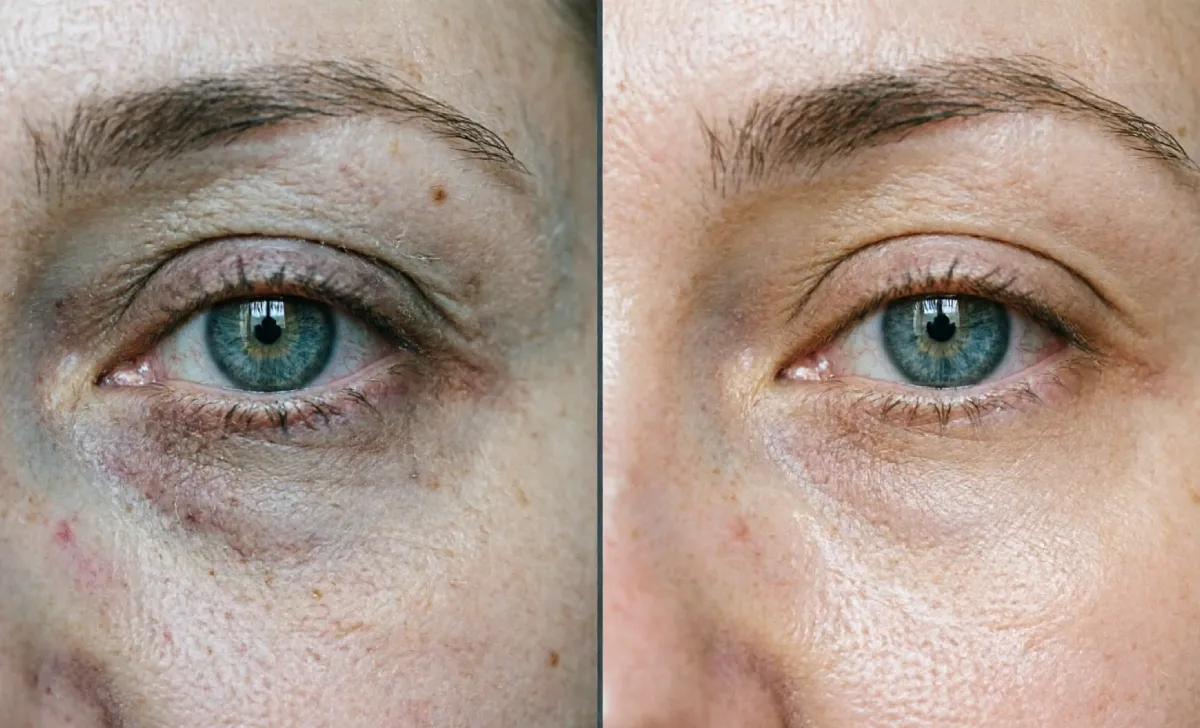
You have tried every concealer and expensive eye cream, but those dark circles still make you look more rested feel impossible. PRP for under eyes uses your own blood to naturally improve the under-eye area — no surgery, no synthetic filler. In this guide, you will learn the real cost, recovery timeline, sessions needed, and whether PRP is right for you.
What Exactly Is PRP for Under Eyes and How Does It Work?
PRP stands for platelet-rich plasma. It uses a small sample of your own blood to help your under-eye skin repair itself naturally. The treatment has been used in sports medicine for years and is now one of the most popular options in aesthetic medicine.
Here is what happens at the clinic. A doctor draws a small amount of blood from your arm, just like a routine blood test. That blood goes into a centrifuge — a machine that spins fast to separate its components into layers. The result is a concentrated golden liquid packed with platelets and growth factors.
Growth factors are proteins that signal your skin to produce more collagen and elastin. When injected under your eyes, they activate fibroblasts — the cells that build new collagen. Because PRP comes from your own body, there is zero risk of allergic reaction or rejection.
Who Is a Good Candidate for PRP Under the Eyes?
You are likely a good candidate if your concern involves a mix of issues — dark circles, fine lines, and mild hollowness together. PRP works best when there is an overall dullness that needs refreshing rather than a single severe problem.
You may not be a good candidate if you have true under-eye bags caused by fat herniation. Those puffy bulges come from fat pushing forward, and PRP cannot remove fat. Very deep, bony tear troughs where the shadow is structural may also respond better to filler.
Certain medical conditions can disqualify you as well. Bleeding disorders, blood thinners like warfarin, pregnancy, or breastfeeding are all reasons most providers will decline to treat you. Always share your full medical history before booking.
How Much Does PRP for Under Eyes Cost in 2025?
Expect to pay between six hundred and fifteen hundred dollars per session. The range depends on your location, the provider’s experience, and the PRP kit used. A board-certified dermatologist in a major city charges more than a medical spa in a smaller town.
Most clinics offer a package of three sessions for around two thousand to three thousand five hundred dollars total. Since most people need two or three treatments to see full results, a package deal saves money overall. Paying per session without a bundle usually costs more in the long run.
Insurance never covers cosmetic PRP. However, many clinics accept payment plans or financing through services like CareCredit to make the cost more manageable.
The Complete PRP Under-Eyes Procedure Step by Step
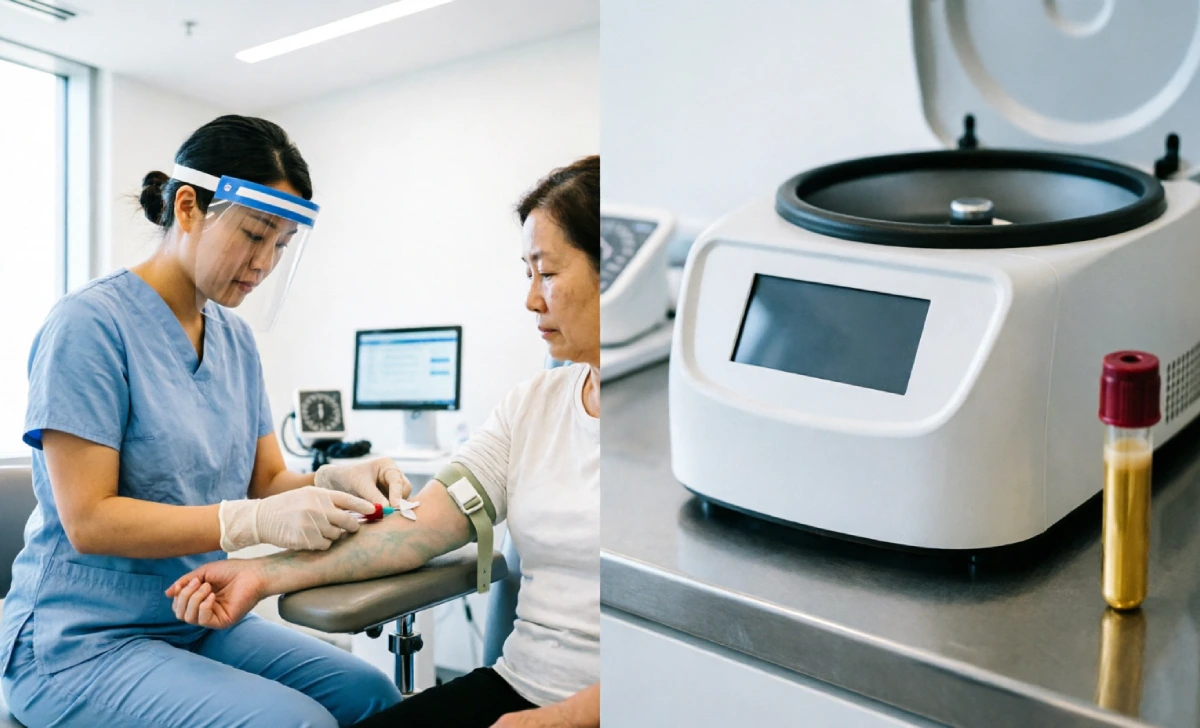
First, numbing cream is applied to your under-eye area, and you wait about twenty minutes. Once the numbing takes effect, a small amount of blood is drawn from your arm — this takes about two minutes and feels like a routine draw.
Your blood then spins in the centrifuge for approximately ten minutes. It separates into three layers: red blood cells at the bottom, platelet-poor plasma at the top, and the golden PRP in the middle. The doctor draws only the PRP layer into a sterile syringe.
Finally, tiny injections are placed along your tear-trough area using a fine thirty-gauge needle or a blunt cannula. The numbing cream makes it very tolerable. The full appointment takes about sixty to ninety minutes from start to finish.
PRP for Under-Eye Recovery Timeline Day by Day
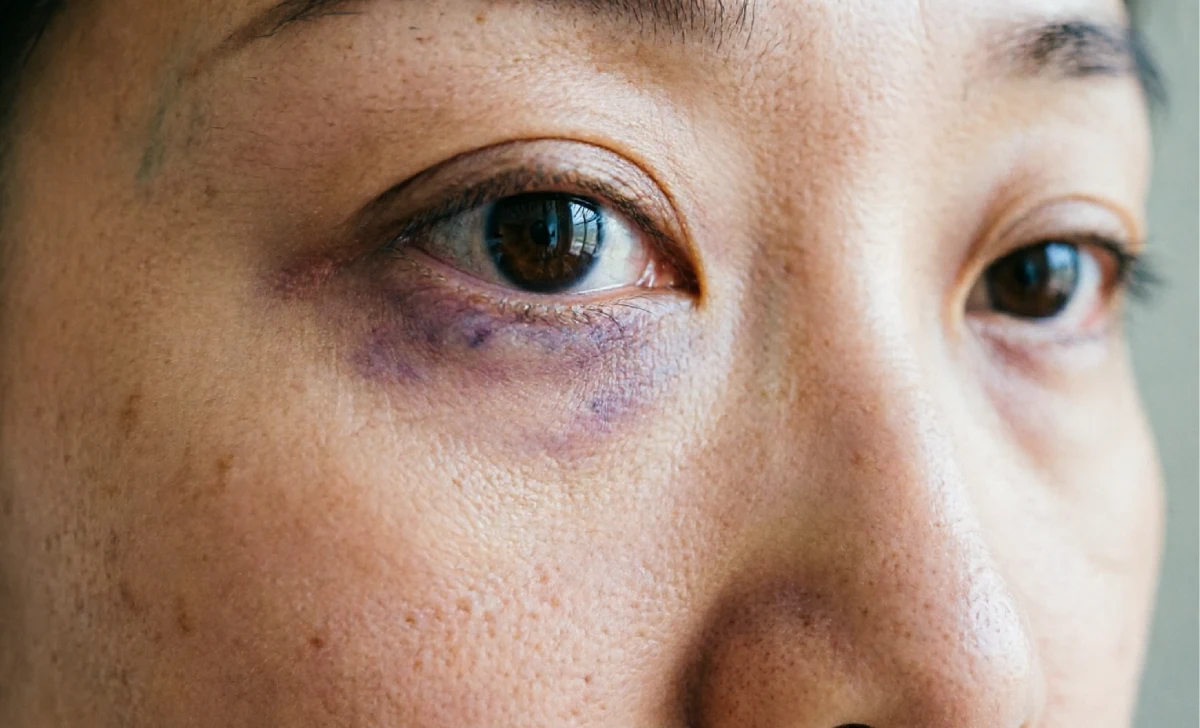
Day one brings swelling that looks worse than your final result will be. Your under-eyes may appear puffy, almost like an allergic reaction. This is normal — it is just fluid and the PRP settling into the tissue.
By day three, bruising peaks and may spread slightly toward your cheeks. Colors range from purple and blue to yellowish-green as healing progresses. This happens because the under-eye area has many small, delicate blood vessels.
By day seven, most people feel comfortable returning to social events. Avoid heavy makeup for the first twenty-four hours. Skip blood thinners like ibuprofen and alcohol for at least one week to support proper healing.
How Soon Will You See Results From PRP Under Your Eyes?
Do not expect instant results like you would from filler. What you see right after the procedure is swelling, not improvement. Your body does the real work over the following weeks and months.
In two to three weeks, your skin may feel slightly smoother and look a little brighter. By one to two months, dark circles often look lighter and fine lines begin to soften. Many patients describe their skin as having a radiant skin glow that looks completely natural and effortless.
The best results appear around three to six months after your final session. Collagen builds gradually, and the full effect arrives slowly. Unlike filler, PRP results look like you simply got more sleep.
How Long Does PRP Last Under the Eyes and When Should You Repeat?
Your results are not permanent because your body continues to age. The collagen built from PRP will naturally break down over time. That said, improvement typically lasts much longer than most people expect from a non-surgical option.
Most patients enjoy noticeable improvement for twelve to twenty-four months after their initial series. Maintenance sessions are shorter and less expensive than the first round. You will not need to start completely from scratch each time.
Plan on one touch-up session every year or two. Patients who maintain a solid skincare routine and protect their skin from sun exposure daily tend to get the most out of their results.
PRP Versus Under-Eye Fillers – Which One Is Right for You?
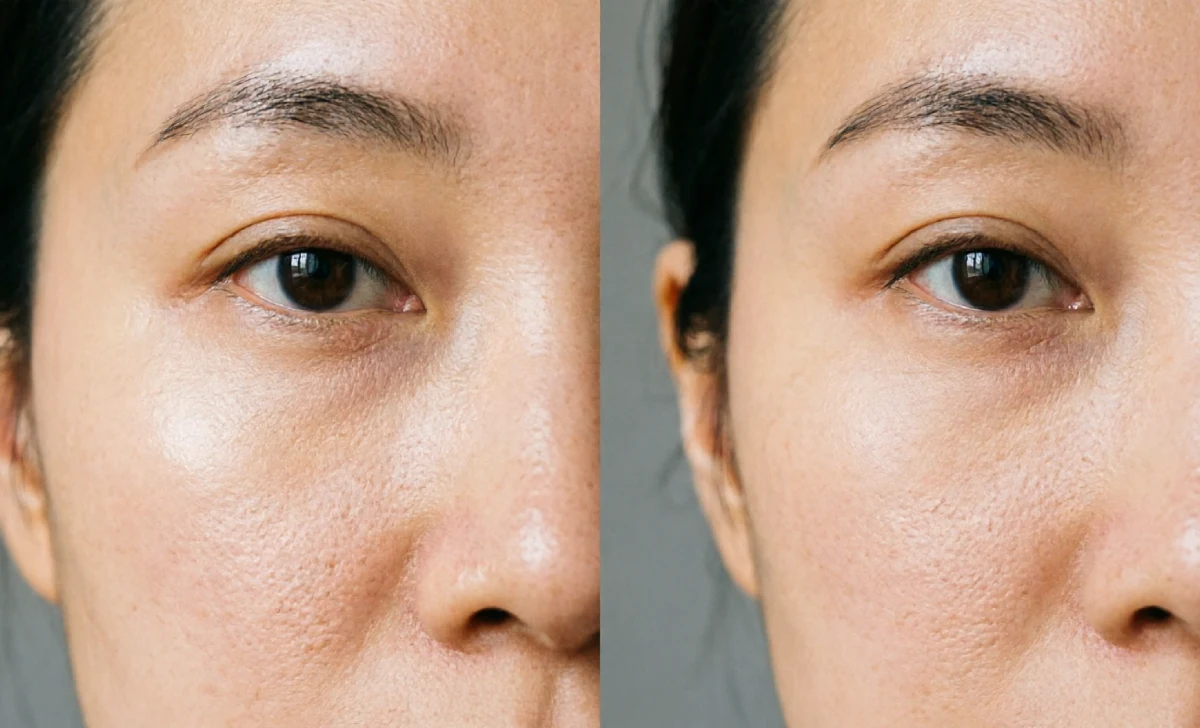
Fillers give you immediate volume correction in one appointment. You walk in with hollows and walk out smoother, though swelling lasts a few days. That instant result is a major selling point for many patients.
But fillers carry unique risks under the eyes. The Tyndall effect can create a bluish tint under thin skin. Some patients also develop lumps that can only be dissolved with an enzyme called hyaluronidase.
PRP gives gradual, natural improvement with virtually no risk of that bluish discoloration. The trade-off is that you need multiple sessions and real patience. If you have deep bony tear troughs, filler may work better. If you have thin skin and dark circles, PRP is often the safer first choice.
Risks and Side Effects of PRP for Under Eyes
Swelling and bruising are expected outcomes, not complications. Plan for three to seven days of visible discoloration that may look worse than anticipated. This is temporary and a completely normal part of the healing process.
Small temporary lumps can form if PRP is injected too superficially. These typically feel like tiny grains of rice and resolve within one to two weeks. Serious risks like infection or vascular blockage are extremely rare with an experienced injector.
Understanding the day-by-day healing process after any facial procedure helps you recognize what is normal versus when to call your provider. The most common disappointment is simply not seeing enough improvement to justify the cost — which is why honest provider consultations matter so much.
Five Questions to Ask Your Provider Before PRP Under the Eyes
Ask which PRP kit the clinic uses. Trusted brands include Arthrex ACP, RegenLab, and Selphyl. Generic kits can produce weaker results with fewer active platelets.
Ask how many under-eye PRP procedures they have performed specifically in the past year. Under-eye anatomy requires specialized knowledge — experience with knees or hair is not the same. Also ask to see before-and-after photos of patients with your same skin type and concern.
Ask what happens if you are unsatisfied with your results. Reputable clinics have a clear policy for addressing outcomes that fall short of expectations. Finally, ask who performs the actual injection — doctor, nurse, or physician assistant — and verify their credentials directly.
FAQs
Does PRP work for genetic dark circles?
Yes, but with realistic expectations. Genetic dark circles often come from thin skin revealing the blood vessels underneath. PRP can gradually thicken the skin to help camouflage those vessels. If hyperpigmentation is the cause, you may also need topical lighteners or laser treatment.
Can PRP make under eyes worse?
In rare cases, yes. Improper technique can cause lumps or excessive bruising. When performed correctly by a qualified injector, PRP does not worsen under-eye appearance — though in some cases it may simply produce no visible improvement.
How many PRP sessions for the under-eyes are really needed?
Most patients need two to three sessions spaced four to six weeks apart. Three sessions generally produce the best and longest-lasting outcome. A small number with very mild concerns may see results after just one session.
Is PRP under the eyes painful compared to filler?
Both are tolerable with numbing cream. Filler involves a brief pinch and pressure. PRP involves more numerous small pricks across the area. Most patients say PRP feels slightly more uncomfortable during the session, but recovery discomfort is minimal for both.
Conclusion
PRP for under the eyes offers a natural, gradual improvement for dark circles, fine lines, and mild hollowness. It is not a quick fix, but it carries far less risk of an artificial look than filler. You will need two to three sessions and about three to six months of patience for full results. Choose a qualified provider, set realistic expectations, and PRP can help you look genuinely more rested — without anyone knowing you had anything done.