
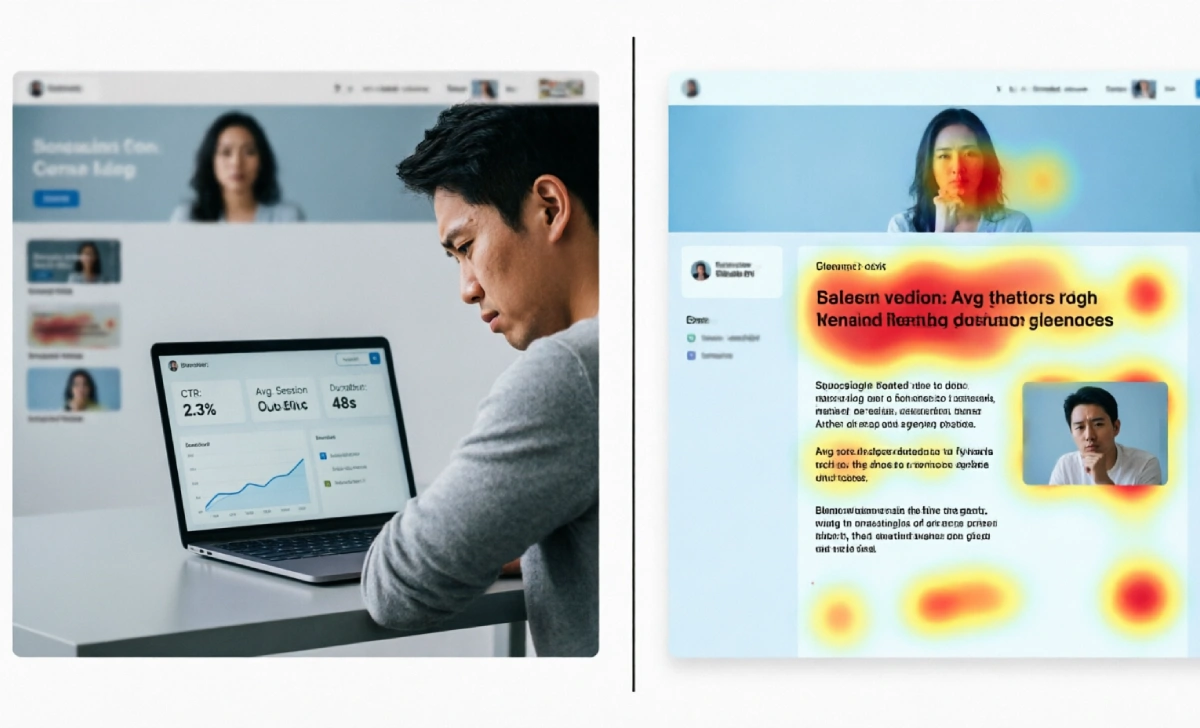
You’ve spent hours designing that banner. Picked the perfect colors. Written copy that should convert. Then you check your analytics… and crickets.
If you’re wondering why people ignore banner ads, you’re not alone. It’s one of the most frustrating puzzles for bloggers trying to monetize without annoying their readers. The good news? It’s not you, and it’s not your audience being difficult. The truth is, visitors ignore banner ads more than ever—but it’s not your fault. There’s actual science behind this—and more importantly, practical fixes that work. display ads never seen
Here’s the thing: banner blindness isn’t a flaw in your design. It’s a habit your visitors developed to survive the internet.
What Is Banner Blindness, Anyway?
Banner blindness is that split-second mental filter people use to skip anything that looks like an ad. Your brain does it automatically—like ignoring background noise at a café.
Researchers at Nielsen Norman Group found users actively avoid content in predictable ad zones (top banners, sidebars, pop-ups) even when that content is useful. It’s not personal. It’s survival mode for attention.
Think about your own browsing. When you land on a site, do you consciously read every banner? Or does your eye just… glide past? Exactly.
7 Reasons Visitors Skip Your Banner Ads
Let’s break down the real reasons your banner ads aren’t getting clicks. These aren’t guesses—they’re patterns backed by user behavior studies.
1. Placement screams “ad.”
If it’s at the very top, in the sidebar, or floating in the corner, users have trained themselves to ignore it. Their eyes go straight to the content.
2. Visual cues trigger the skip reflex
Bright colors, borders, animation, or the word “Sponsored”? That’s like waving a red flag. The brain files it under “not for me” before a single word is read.
3. Cognitive overload is real
People scan, they don’t read. If your banner asks them to pause, process, and decide? Too much effort. They’ll keep scrolling.
4. Past bad experiences stick
Maybe they clicked a misleading ad once. Or got stuck in a pop-up loop. Now they’re cautious. Trust takes time to rebuild.
5. Mobile behavior changes everything
On phones, sidebars vanish. Top banners get pushed down. If your ad isn’t optimized for thumb-scrolling, it’s invisible.
6. Ad blockers set expectations
Even visitors without blockers have learned that “ad-shaped” things usually aren’t worth their time. The format itself is the problem.
7. Timing and context miss the mark
A relevant ad shown too early (before they trust you) or too late (after they’ve found what they needed) won’t land. Relevance isn’t just about targeting—it’s about the moment.
You’ve probably noticed some of these on your own site. That’s a good sign. Awareness is step one.
Why Relevant Ads Still Get Ignored
This one stings. You nailed the targeting. The offer matches your audience. So when you wonder why relevant ads get ignored, remember it comes down to psychology, not logic. content being ignored
Here’s a quick story: A blogger I know promoted a hosting service she actually used. Perfect fit for her audience. Great placement. Still, under 0.3% CTR.
Why? Because her readers weren’t in “buying mode.” They were there to learn. The ad felt like an interruption, not a help.
The relevance gap happens when we assume “right audience + right offer = clicks.” But users don’t think in funnels. They think: Am I being sold right now? If the answer feels like yes, they disengage.
It’s not about making ads more relevant. It’s about making them feel less like ads.
How to Fix Banner Blindness on Your Website
Okay, so how to fix banner blindness on your website without ditching monetization entirely? Let’s keep this practical.
Blend, don’t blast
Try native-style placements. A text link within your content, a subtle box that matches your site’s design, or a recommendation that reads like your voice. If it feels like part of the experience, not a detour, people notice.
Rethink placement
Mid-content often outperforms headers. Why? Because the reader is already engaged. They’ve committed to your words. A well-timed, relevant suggestion there feels helpful, not pushy.
Test interactive formats
Static banners get skipped. But a quick poll (“Which tool do you use for X?”) or a mini-calculator? That invites participation. Engagement beats exposure every time.
Measure attention, not just clicks
CTR isn’t the whole story. Use heatmaps to see if people even see your banners. Sometimes the fix isn’t the ad—it’s where you put it. track marketing results
Start small
Pick one banner. Change one thing (copy, color, placement). Run it for two weeks. Compare. Tweak again. No need to overhaul everything at once.
Ad Blindness Tips for Bloggers
If you’re blogging for income, you can’t just ignore ads. But you also can’t ignore your readers. So here are some ad blindness tips for bloggers that keep both sides happy.
Prioritize user trust over quick revenue
One annoying pop-up might earn $5 today, but cost you a loyal reader forever. Ask: “Would I appreciate this if I were visiting my own site?”
Mix monetization methods
Banners aren’t your only option. Affiliate links woven into tutorials, sponsored posts that align with your voice, or digital products you create yourself often convert better and feel less intrusive.
Use ad blockers as feedback
Yes, they hurt revenue in the short term. But they also tell you what users find disruptive. If a format gets blocked constantly, maybe it’s worth rethinking.
Be transparent
A simple “This post contains affiliate links” or “Sponsored” builds trust. People don’t mind ads—they mind being tricked.
Track what actually moves the needle
Set up goals in Google Analytics for micro-conversions: time on page, scroll depth, and email signups. Sometimes a banner’s real value isn’t the click—it’s keeping the right people engaged longer.
Key Takeaways + Action Checklist
Let’s wrap this up with something you can use today.
Audit one banner on your site right now. Does it look like an ad at first glance? If yes, tweak the design to blend better.
Move one ad to mid-content and test for two weeks. Compare engagement.
Add one non-banner monetization method this month (affiliate link, digital product, sponsored mention).
Install a free heatmap tool to see where eyes actually go. Data beats assumptions.
Ask your readers directly: “What kind of recommendations feel helpful vs. salesy?” Then listen.
Small shifts add up. You don’t need to be perfect. Just a little more intentional than the last version.
If you’re tweaking your ad strategy, you might also like our guide on banner ad sizes that actually work—it breaks down which formats get seen (and which get skipped).
Pro tip: Want to run through these steps without guessing? I’ve turned this checklist into a simple one-page PDF you can save or print. Keep it handy for your next site audit.
FAQs
Is banner blindness getting worse in 2026?
Not worse, just more refined. Users aren’t ignoring all ads—they’re ignoring predictable ones. The more your banner feels like native content, the better it performs.
Should I just stop using banner ads?
Not necessarily. But do test alternatives. Many bloggers find that a mix (banners + affiliate + products) earns more and keeps readers happier than relying on one format.
How long does it take to see improvements after changing ad placement?
Give any change at least 2–3 weeks of consistent traffic before judging. User behavior takes time to shift, and you need enough data to spot real patterns.
Can I “train” my audience to notice my banners?
Kind of. Consistency helps. If your recommendations are always valuable, readers start paying attention to your styled boxes or links. But never sacrifice clarity for cleverness—if it looks like an ad, it’ll get ad-treated.