

In this article
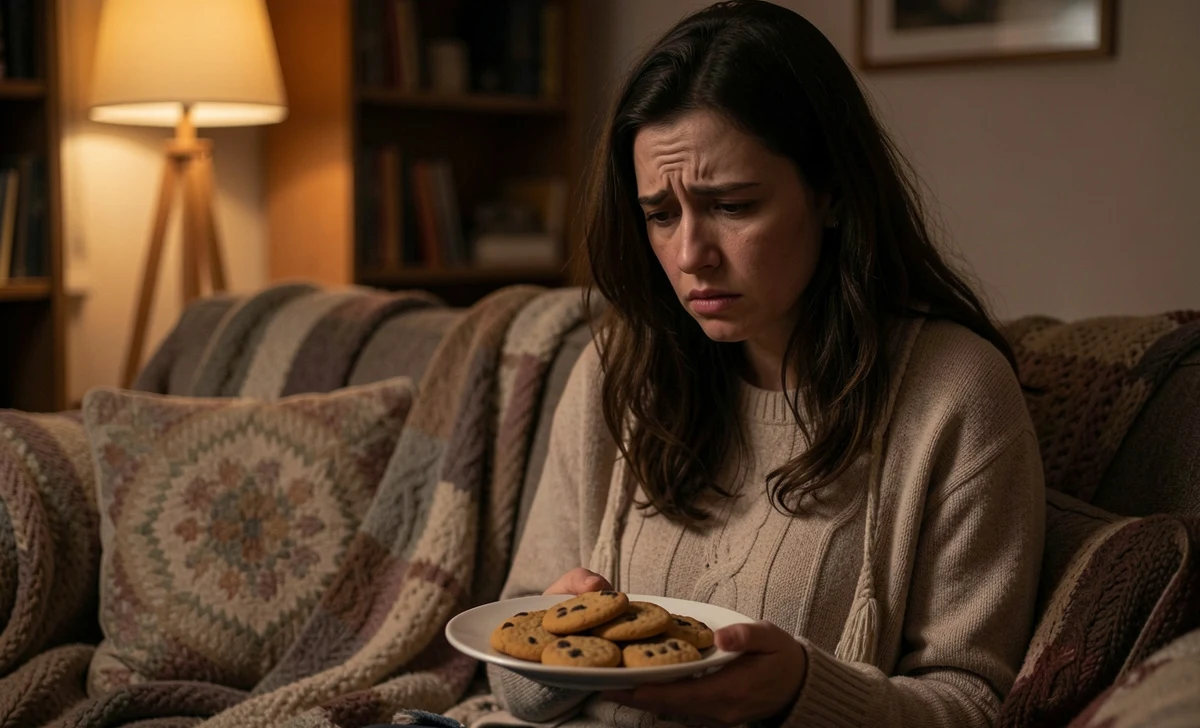
You finish dinner. The plates are cleared. You’re finally relaxing… and then it hits. That pull toward the cookie jar, the chocolate stash, the leftover cake. If you’re wondering why sugar cravings after dinner feel so impossible to resist, you’re not broken, weak, or alone. That urge has real, fixable causes—and tonight, you can start changing the pattern without white-knuckling your way through it. chronic fatigue
Here’s the thing: evening sugar cravings aren’t a willpower problem. They’re a signal. Once you know what your body’s actually asking for, the fixes get a whole lot simpler.
The Real Reasons You Crave Sugar After Dinner
Let’s cut through the noise. That post-dinner sugar pull usually comes down to four common triggers—and knowing which one’s driving your habit changes everything.
Your blood sugar took a nosedive. If dinner was light on protein or fiber (think: plain pasta, salad with just greens, or a rushed sandwich), your blood sugar can drop sharply 60–90 minutes later. Your brain interprets that dip as “emergency!” and screams for quick fuel: sugar.
Stress is still humming in your system. Cortisol—the stress hormone—often peaks in the early evening for people juggling work, family, or just mental overload. Higher cortisol = stronger cravings for high-reward foods. It’s not laziness; it’s physiology.
Your brain’s on autopilot. If you’ve paired “relaxing after dinner” with dessert for weeks or months, your brain has wired that loop: couch + TV = treat. Habits aren’t moral failures. They’re neural pathways. And like any pathway, they can be rerouted.
You’re running on empty. Skimp on sleep? Your ghrelin (hunger hormone) spikes and leptin (fullness signal) dips. Research shows even one night of poor sleep can increase cravings for high-carb, high-sugar foods by up to 30%.
Sound familiar? Good. Now let’s fix it.
7 Natural Ways to Reduce Sugar Cravings at Night
No extreme diets. No “just say no” pep talks. These are practical, science-backed tweaks you can try tonight to learn how to reduce sugar cravings naturally at night—without feeling deprived.
Try cinnamon tea: how it stabilizes blood sugar
You’ve probably got cinnamon in your spice rack. Great. Stir ½ teaspoon into a mug of hot water (or caffeine-free herbal tea) after dinner. Cinnamon helps slow the breakdown of carbs in your gut, which blunts blood sugar spikes and crashes—the very rollercoaster that triggers cravings.
How to use it: Sip slowly while you unwind. Add a splash of milk or a dash of vanilla if you like. It’s not about perfection; it’s about giving your body a gentler signal.
Protein-powered evening snacks that actually satisfy
If you’re genuinely hungry after dinner (not just bored or stressed), reach for a small, protein-focused snack. Think: Greek yogurt with a few berries, a hard-boiled egg, or a tablespoon of almond butter on apple slices. balanced weekly meal plan
Protein triggers satiety hormones that sugar simply can’t match. And it keeps your blood sugar steadier, so you’re not back in the pantry 20 minutes later.
The 10-minute distraction technique (no willpower needed)
Craving hitting hard? Set a timer for 10 minutes. Do anything that occupies your hands and mind: fold laundry, text a friend, water a plant, sketch something silly.
Here’s why this works for how to stop sugar cravings without willpower: cravings peak and pass like a wave—usually within 10–20 minutes if you don’t feed them. You’re not suppressing the urge; you’re riding it out. Most people find the intensity drops significantly by minute 8.
Stress-reset rituals for craving control
When sugar cravings during stress natural fix feels impossible, try a 3-minute reset:
- Breathe in for 4 counts, hold for 4, exhale for 6. Repeat 5x.
- Splash cool water on your wrists or neck.
- Name one thing you’re grateful for today (out loud, if you can).
This isn’t woo-woo. It interrupts the stress-craving cycle by activating your parasympathetic nervous system—the “rest and digest” mode that calms the urge to self-soothe with sugar.
Hydration hacks: Is thirst masquerading as a sugar craving?
Sometimes your body mixes up signals. That “I need chocolate” feeling? Could just be mild dehydration. Before reaching for sweets, drink a full glass of water and wait 5 minutes. Add a pinch of salt or a squeeze of lemon if plain water feels boring. signs of dehydration
Keep a water bottle near your evening wind-down spot. Small tweak, big difference.
Sleep prep: how better rest reduces next-day cravings
You can’t fix tonight’s craving with tomorrow’s sleep—but you can set yourself up for fewer cravings tomorrow. Try this: 30 minutes before bed, dim the lights, put your phone on night mode (or better yet, outside the bedroom), and do one calming thing: read a physical book, stretch gently, or jot down tomorrow’s top 3 priorities. bedtime routine
Better sleep = more balanced hunger hormones = less desperate reaching for sugar tomorrow evening.
Mindful eating: savoring one square of dark chocolate
If you still want something sweet? That’s okay. Choose one square of dark chocolate (70% cocoa or higher). Let it melt slowly on your tongue. Notice the texture, the bitterness, the richness.
Mindful eating isn’t about restriction—it’s about satisfaction. Often, one square enjoyed fully beats three eaten mindlessly while scrolling.
When to Seek Help: Cravings vs. Underlying Issues
Most evening sugar cravings respond well to the tweaks above. But sometimes, they’re a sign that something deeper needs attention.
Watch for these red flags:
- Cravings paired with shakiness, sweating, or confusion (could signal reactive hypoglycemia)
- Using sugar to cope with anxiety, sadness, or trauma regularly
- Feeling out of control around food most days
If any of these resonate, talking to a registered dietitian or healthcare provider isn’t “overreacting.” It’s smart. They can help you untangle physical vs. emotional drivers and build a personalized plan.
Quick Reference: Your Evening Craving Emergency Kit
Save this. Screenshot it. Stick it on your fridge.
When the craving hits:
Drink a full glass of water
Sip cinnamon tea or herbal tea
Eat a small protein snack if truly hungry
Set a 10-minute timer and distract yourself
Try the 3-minute stress reset (breathe, cool water, gratitude)
If you still want sweets: one square of dark chocolate, eaten slowly
Prep tonight for tomorrow:
Dim lights 30 min before bed
Charge your phone outside the bedroom
Jot down tomorrow’s dinner plan (include protein + fiber!)
FAQs
Is it bad to give in to sugar cravings sometimes?
Not at all. Flexibility beats perfection. If you choose to enjoy a treat, do it mindfully—no guilt. The goal isn’t elimination; it’s balance.
How long does it take to reduce sugar cravings naturally?
Many people notice a shift within 3–7 days of consistent tweaks (like adding protein to dinner or trying cinnamon tea). Full habit rerouting? Give it 3–4 weeks. Your brain needs repetition to build new pathways.
Can certain vitamins or minerals help?
Some research suggests magnesium, chromium, or zinc deficiencies might play a role in cravings for some people—but don’t supplement blindly. Talk to your doctor first, especially if you take medications.
What if I crave sugar after dinner even when I eat a balanced meal?
Then the trigger is likely habit or stress, not blood sugar. Focus on the distraction technique, stress-reset rituals, or mindful eating. Sometimes the fix isn’t food—it’s a new evening routine.
Conclusion
Truth is, you don’t have to white-knuckle your way through another evening of sugar guilt. Start with one tweak tonight—maybe the cinnamon tea, maybe the 10-minute timer. See how it feels. Small shifts compound.