
Nashville’s traditional country scene doesn’t always reward the biggest paychecks, but it builds some of the most loyal fan bases in music. Mo Pitney is proof of that. Known for his classic honky-tonk sound and frequent Grand Ole Opry appearances, he has carved out a steady career without chasing pop-leaning trends. Many fans now want to know about Mo Pitney’s net worth and how he earns his living in an industry that often favors flash over substance.
Mo Pitney is an American country singer and songwriter recognized for staying true to traditional country roots. His identity as an artist is built on classic instrumentation, heartfelt lyrics, and a deep respect for country music history. That authenticity is exactly why people are curious about his financial standing today.
Mo Pitney Net Worth

Based on typical celebrity finance estimates, Mo Pitney’s net worth is believed to fall between $1 million and $3 million. There is no official public financial disclosure confirming an exact number, so this remains an estimate rather than a verified figure.
This range reflects a mid-tier country artist who earns steadily through music and live performances rather than massive label payouts. Compared to mainstream pop stars, traditional country artists often build wealth more gradually. If you’re curious how other entertainers compare, this breakdown of Laura Prepon’s career earnings shows how different income paths can shape long-term financial outcomes.
Since there are no verified public records, Mo Pitney’s net worth in 2026 should be viewed as an educated estimate. It is based on industry patterns rather than confirmed bank statements or tax filings.
Main Income Sources
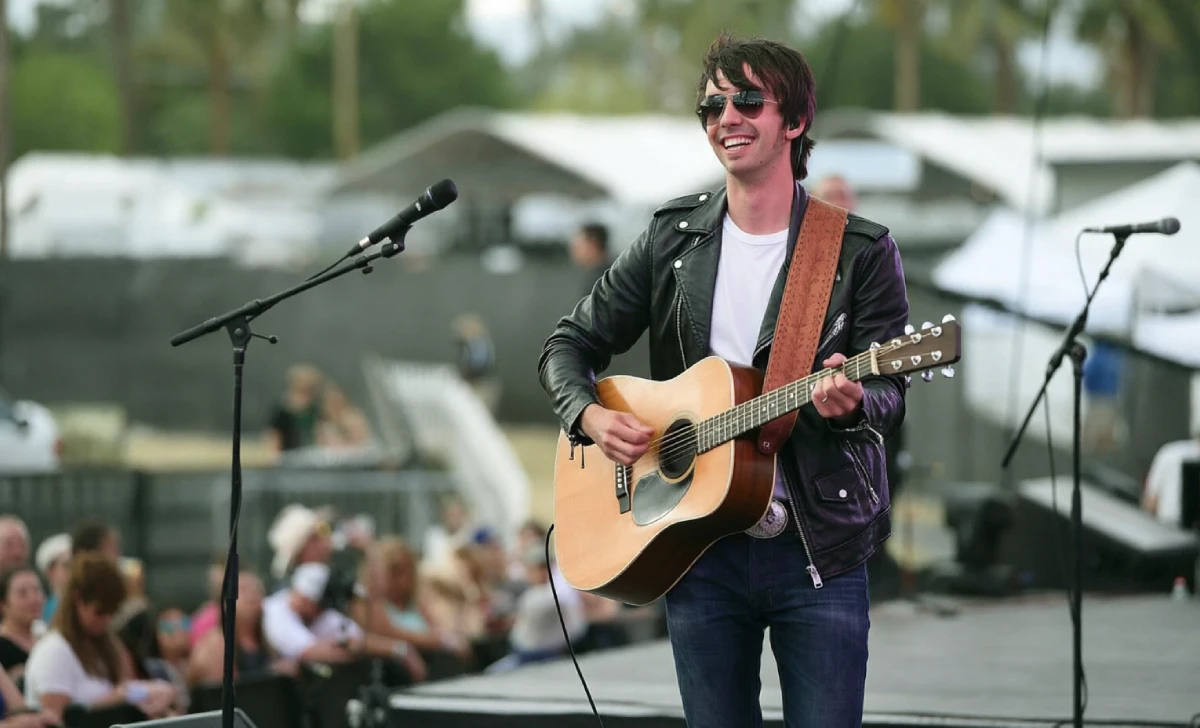
Understanding Mo Pitney’s net worth means looking closely at where his income actually comes from. His earnings are not tied to a single source, but instead come from a mix of music-related revenue streams.
Music sales and streaming royalties form a core part of his income. Every stream, download, and physical album sale adds small but steady payments over time. For independent-minded country artists, this revenue can be modest but consistent.
Live concert performances and touring remain one of his strongest income sources. Country fans tend to show up for live shows, and Pitney’s traditional sound has built a dedicated touring audience.
Songwriting royalties also contribute meaningfully. Since he writes much of his own material, he earns publishing income separate from performance royalties. This is similar to how other entertainers diversify earnings, much like the varied income paths seen in Paulina Porizkova’s career.
Merchandise sales add a smaller but useful income stream, especially during tours and live appearances.
Career Highlights

Mo Pitney’s career has been shaped by steady milestones rather than overnight fame. His debut single “Country” reached No. 35 on the Billboard Country Airplay chart in 2014, introducing him to mainstream country radio.
In 2015, his single “Boy & a Girl Thing” peaked at No. 46 on the same chart, helping build his radio presence further. That same year, his Grand Ole Opry debut became a turning point, increasing his visibility and boosting his value as a live performer.
His debut album, Behind This Guitar, released in 2016, debuted at No. 10 on the Top Country Albums chart. This success reinforced his standing as a serious traditional country artist.
Since 2020, releases like “Clean Up on Aisle Five” and “Ain’t Bad for a Good Ol’ Boy” have kept his streaming numbers active and supported smaller touring income. These ongoing releases show that his earning potential hasn’t slowed down, even without major chart-topping hits. Career consistency like this is often compared to other entertainers’ steady rises, similar to how Laverne Cox’s career growth shows long-term value over instant fame.
Major Success Factors
Several factors have shaped Mo Pitney’s ability to earn steadily in a competitive industry. His traditional country sound appeals to a dedicated niche audience that values authenticity over trends, giving him a loyal fan base that supports both streaming numbers and ticket sales.
Regular Grand Ole Opry appearances have also played a major role in strengthening his visibility. Each performance reinforces his reputation as a respected traditional artist, which directly increases his booking value for live shows.
His songwriting credits add another layer of financial stability. Writing his own material means he earns royalties beyond just performing, creating a more consistent income flow.
Finally, his long-term record deal with Curb Records has provided a dependable foundation. This relationship offers base advances along with catalog royalties, giving him financial support even during periods between major releases.
Assets or Business Ventures
Unlike many mainstream celebrities, Mo Pitney does not have any publicly known business ventures, endorsements, or major asset holdings outside of typical musician property. There are no confirmed investments, brand partnerships, or side businesses tied to his name in verifiable sources.
His known assets appear limited to standard items expected for someone in his profession, such as residential property and music equipment. This suggests his financial approach has stayed centered on his craft rather than on outside business expansion.
This is fairly common among traditional country artists who prioritize music careers over diversified income streams. It also means his wealth is more directly tied to his ongoing music and performance activity than to passive business income.
Financial Growth
Mo Pitney’s financial growth has followed a slow and steady path rather than a sudden spike. Early chart success in 2014 and 2015 helped establish his name, but it didn’t immediately translate into massive earnings.
His long-term record deal with Curb Records has played a key role in his financial stability. This relationship provides base advances and ongoing catalog royalties, which support consistent income even between major releases.
Frequent Grand Ole Opry performances have also strengthened his earning power over the years. Each appearance reinforces his reputation, which in turn increases his value for ticketed shows and touring opportunities.
Although there are no confirmed major assets or business ventures outside typical musician property, this isn’t unusual for artists who prioritize music over outside investments. His wealth appears to be built primarily through performance, songwriting, and recorded music income rather than diversified business holdings.
Conclusion
Mo Pitney’s net worth reflects a career built on authenticity, songwriting talent, and consistent live performances rather than quick fame. With an estimated range of $1 million to $3 million, his financial story shows how traditional country artists can build lasting income through music sales, touring, and royalties.
While exact figures remain unconfirmed, his steady chart history and Opry presence suggest continued financial stability moving forward. You may also find it interesting to explore other celebrities’ net worth in the same industry, including Kat Stickler’s growing online career, to see how different paths to financial success can look across entertainment fields.
Disclaimer: The net worth figures mentioned are based on publicly available information, industry reports, and reliable estimates. In some cases, additional insights or updates may be considered where available. Although we aim to keep the data as accurate and current as possible, these figures should still be viewed as estimates rather than exact financial records. We always appreciate corrections or updated information from reliable sources.