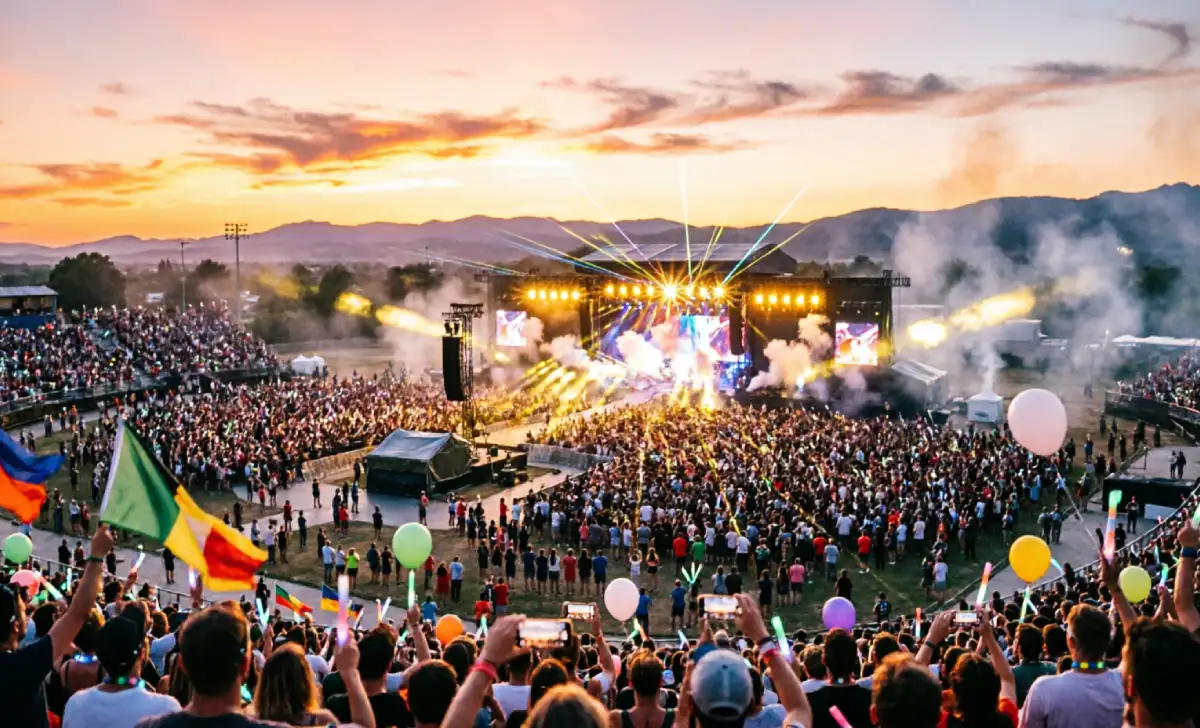
You know that feeling when the lights drop and the first chord hits — pure electricity. You’ve probably clicked through dozens of “greatest concerts” lists that just name-drop a band without telling you anything real. This one is different.
Certain live performances don’t just fill a stadium — they change what music can mean. Here are the 34 best concerts of all time, with the stories behind each one and where you can still watch many of them today.
What Makes a Concert Truly “Iconic”?
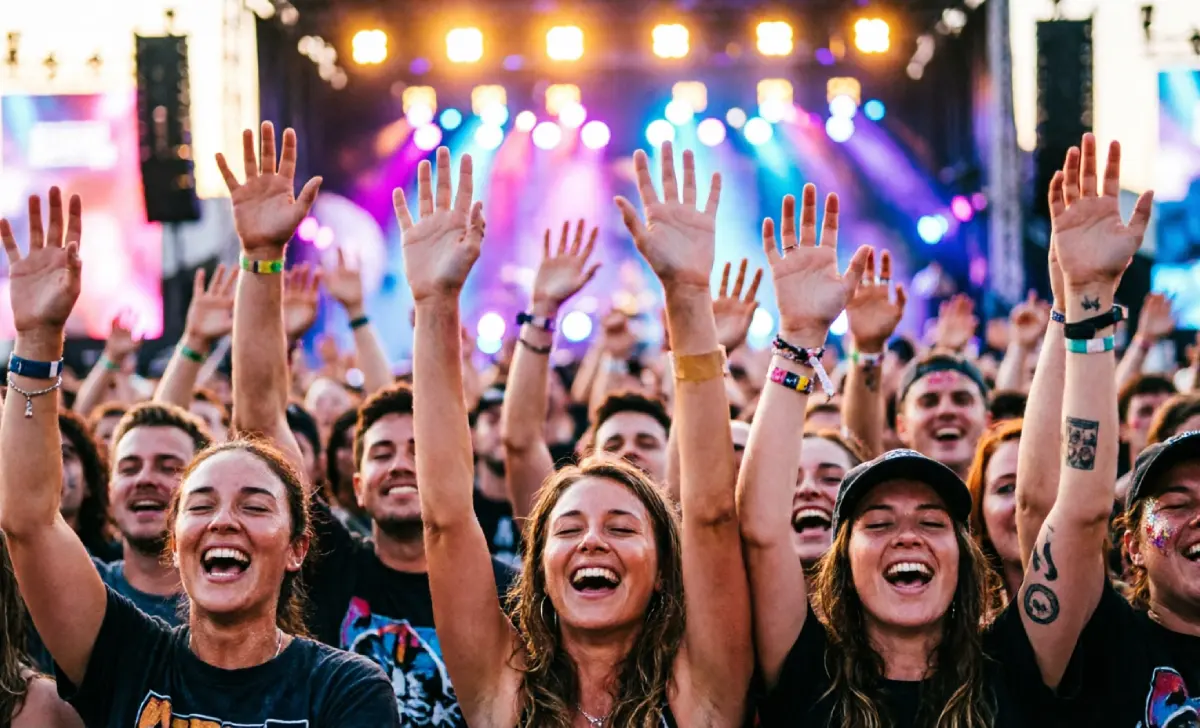
A concert becomes iconic when it does something unrepeatable — when it captures a cultural shift, breaks a boundary, or feels like one collective heartbeat. It’s not just about a clean setlist or a sold-out crowd.
What really cements a performance is how far the ripple travels afterward. It changes how people listen, and it raises the bar for every artist who follows. That kind of local live entertainment magic is exactly what separates a great gig from a historic one.
The venue matters too. There’s a reason places like Red Rocks, the Apollo Theater, and Wembley Stadium feel almost sacred. When an artist rises to match the space, the result creates a memory that outlives any recording.
The 34 Best Concerts of All Time
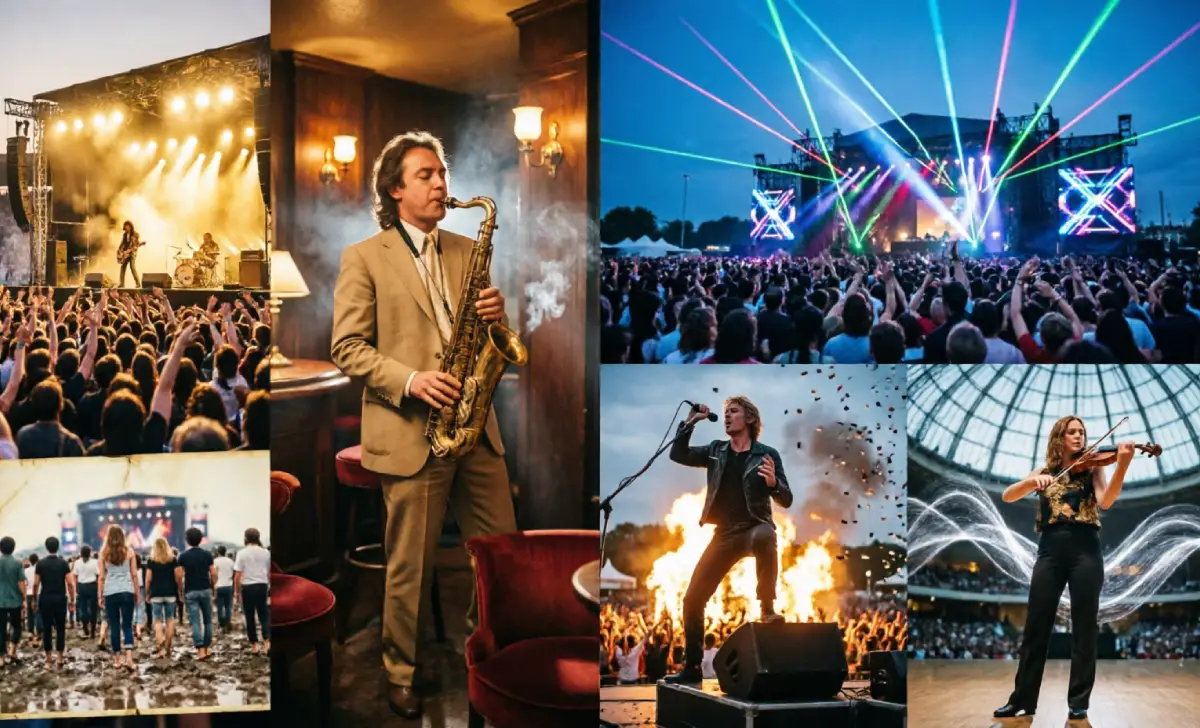
1. Queen at Live Aid — Wembley, 1985Freddie Mercury commanded 72,000 people and two billion television viewers in just 21 minutes. It remains the gold standard of live performance worldwide.
2. Jimi Hendrix at Woodstock — 1969 Closing Woodstock at dawn with an improvised “Star-Spangled Banner,” Hendrix turned a patriotic melody into a raw statement about war and freedom that half a million people felt in silence.
3. The Beatles’ Rooftop Concert — London, 1969. Unannounced and brief, the Beatles played their final public performance on a London rooftop. It stopped traffic and became one of the most mythologized moments in pop history.
4. Nirvana MTV Unplugged — New York, 1993 Kurt Cobain chose deep cuts over hits and sang as if something inside him was already breaking. It still feels like watching something private you were never supposed to see.
5. Woodstock 1969 — The Full Festival Half a million people, three days of music, and a lineup including Janis Joplin, The Who, and Sly Stone. Woodstock didn’t just document a generation — it defined one.
6. Otis Redding at Monterey Pop — 1967 Redding had 40 minutes to win over a rock crowd that barely knew him. His delivery of “Try a Little Tenderness” is still studied as a masterclass in pure stage command.
7. Johnny Cash at Folsom Prison — 1968. Standing in front of inmates, Cash sang about sin and hard living with an honesty no arena could replicate. Every cheer and silence on that recording tells the full story.
8. Led Zeppelin at Madison Square Garden — 1973 Zeppelin played with such thunderous precision that bootlegs are still traded like sacred texts. You can hear a band at its absolute peak, pushing every song past its studio version.
9. Michael Jackson — Bad Tour, 1987. His moonwalking silhouette and precise choreography set a template for arena pop that artists still follow today. The Bad tour proved pop could be as ambitious as rock.
10. U2 at Red Rocks — Colorado, 1983 Rain-soaked and windswept, U2’s “Sunday Bloody Sunday” captured something raw and spiritual. It announced that a young Irish band could transform any outdoor space into a cathedral.
11. Pink Floyd — The Wall Tour, 1980. A giant wall was built and destroyed on stage across the entire night. It wasn’t just a concert — it was a full theatrical narrative that redefined what a live show could say.
12. The Who at Monterey Pop — 1967 Pete Townshend and Keith Moon destroyed their instruments on stage in a calculated act of chaos. It was theatrical, violent, and completely unforgettable.
13. Beyoncé at Coachella — 2018 “Beychella” was a historically layered tribute to Black culture and female power. The precision and the message redefined what a festival headline slot could represent.
14. Talking Heads — Stop Making Sense, 1983. David Byrne’s big suit and the band’s art-school precision made this concert film feel like a communal fever dream. It proved a concert could double as avant-garde theater.
15. Bruce Springsteen at Hammersmith Odeon — 1975 A young Springsteen played a marathon set that turned rock into something close to religion. The crowd walked out believing they had witnessed something they would describe forever.
16. Prince — Purple Rain Tour, 1985. Prince blended funk, rock, and soul with effortless theatricality. His total creative control over every element produced nights that very few artists have come close to replicating.
17. Radiohead at Glastonbury — 1997 Rain-lashed and technically troubled, this set became transcendent anyway. Thom Yorke’s delivery of “Karma Police” through the storm turned a near-disaster into a career-defining night.
18. Bob Marley at the Lyceum — London, 1975 “No Woman, No Cry” with the crowd singing back every word still brings tears to anyone who watches the footage. A quiet connection can be just as powerful as any guitar solo.
19. The Band — The Last Waltz, 1976. Martin Scorsese filmed this farewell concert with Bob Dylan, Joni Mitchell, and Van Morrison as guests. It felt less like a concert and more like a family reunion captured perfectly on film.
20. David Bowie — Ziggy Stardust Tour, 1972–73 Bowie inhabited an alien rock star character with such commitment that audiences weren’t sure where Bowie ended, and Ziggy began. The tour permanently redefined what a pop performer could be.
21. Fela Kuti — Lagos, 1970s. Fela’s marathon performances turned Afrobeat into a full-body spiritual experience. His ability to hold a trance groove while delivering political commentary was unlike anything else on earth.
22. Daft Punk at Coachella — 2006 The pyramid light show combined with a set that rewired every song they had made proved that electronic music could be a stadium spectacle without a single guitar.
23. Lauryn Hill and The Fugees — Apollo Theater. The energy in that historic room was immediate and physical, proving hip-hop could translate to any stage without losing any of its soul.
24. Janis Joplin at Woodstock — 1969 Joplin brought raw blues-rock vulnerability to one of the biggest stages in history. Her voice cracked and soared in equal measure across a performance that felt genuinely uncontrollable.
25. Sly and the Family Stone at Woodstock — 1969. Their pre-dawn set is still described as the most joyful performance the festival produced. Sly Stone had the crowd moving as the sun came up and never lost them for a second.
26. Oasis at Knebworth — 1996. Over a quarter of a million people attended across two nights. Oasis delivered the anthemic rock that defined an era of British music with a swagger never quite repeated since.
27. Jay-Z at Glastonbury — 2008 Facing skepticism about rap on the Glastonbury main stage, Jay-Z opened by covering Oasis. It was a perfectly timed move that won the crowd and shifted the conversation permanently.
28. The Grateful Dead — Any Night, 1960s–90s. No single show defines their legacy because every night was different. Their devoted fanbase followed them for decades in search of the perfect unrepeatable moment.
29. Aretha Franklin at Fillmore West — 1971 Franklin’s gospel performance, released as Amazing Grace, remains one of the most emotionally overwhelming live recordings in music history. You can hear the audience being transformed.
30. Miles Davis at Isle of Wight — 1970 Miles Davis brought electric jazz to a rock festival crowd and left them converted. His willingness to challenge rather than comfort an audience separated him from everything else on the bill.
31. Johnny Cash at San Quentin — 1969 Cash delivered a performance even rawer than Folsom Prison. “San Quentin,” performed twice at the crowd’s insistence, is one of the most charged moments ever captured on a live recording.
32. Elton John at Dodger Stadium — 1975. Dressed in a sequined Dodger uniform with a feathered hat, Elton John played two sold-out nights that turned a baseball stadium into the most glamorous venue in the world that weekend.
33. Rage Against the Machine at Coachella — 2007. Their reunion performance was charged with the political fury that defined their entire career. The crowd matched the band’s intensity completely and proved confrontational rock still mattered.
34. Nina Simone at Montreux — 1976 Nina Simone’s command of a piano and a room was unlike any other artist of her era. Her Montreux performance captured her classical training, jazz instincts, and civil rights fury in one extraordinary evening.
Where Can You Watch the Best Concerts of All Time?
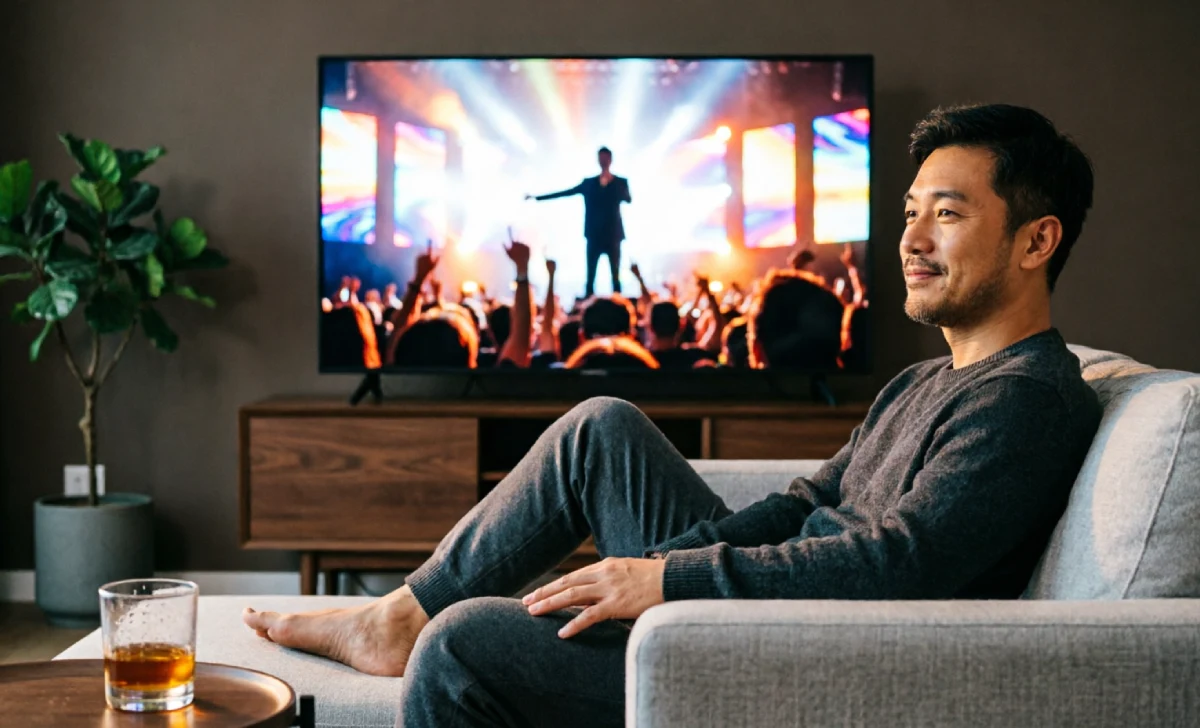
Many of the most iconic nights have been preserved in excellent quality and are just a few clicks away. Start with the official films — the Woodstock documentary runs over three hours, and Queen’s Live Aid set is widely available on YouTube in full.
The Last Waltz is on multiple streaming platforms and works even if you’ve never heard a Band record. Beyoncé’s Homecoming on Netflix gives you the full Coachella performance with the behind-the-scenes story. For anyone looking to discover music without genre boundaries, it is one of the most rewarding starting points available.
Stop Making Sense is streamable and is a perfect entry point for Talking Heads newcomers. Johnny Cash at Folsom Prison exists as a complete live album that sounds shockingly immediate more than fifty years later.
Honorable Mentions: Legendary Nights That Almost Made the Cut
Cutting this list to 34 was nearly impossible. Metallica’s Black Album era tours, Adele at the Royal Albert Hall, and Kendrick Lamar’s recent stadium shows all belong in any serious conversation about the greatest live music ever performed.
These nights prove that the best male singers and the artists who define generations don’t always appear on every list. Your personal favorite might not be here, but the feeling it gave you is just as real as anything written above.
FAQs
What is widely considered the single greatest concert of all time?
Most critics and polls point to Queen’s Live Aid performance in 1985. Its combination of global reach, flawless execution, and Freddie Mercury’s unmatched crowd command has never been replicated in the same way.
Why does Queen’s Live Aid set appear on almost every list?
Because it compressed everything we want from a concert — showmanship, spontaneity, and massive audience connection — into just 21 minutes. The footage still stops people in their tracks today.
Are there any modern concerts that rival the classics?
Absolutely. Beyoncé’s 2018 Coachella set is already considered a generation-defining cultural moment. As stagecraft continues to develop, new performances will inevitably earn a permanent place among the greats.
How were these 34 performances chosen?
They were selected based on cultural impact, technical innovation, documented audience response, and long-term influence on other artists. It is a cross-genre view honoring both obvious legends and quieter defining moments.
Conclusion
The best concerts of all time remind you that music is never just about sound. It’s about a moment when thousands of strangers breathe together and something real travels from a stage straight into your chest. These 34 performances are proof that live connection can outlast decades. The only question left is which one you’ll turn into your next watch party time with the people who matter most.