

You check the forecast, see 70 degrees, and instinctively reach for your favorite beanie. Then the doubt creeps in. Is this going to look like you don’t know what season it is? That hesitation is exactly what this guide on wearing a beanie in 70 degree weather clears up, without turning you into a walking sauna.
Most style advice treats beanies like a winter-only accessory, but that thinking is outdated. Even in modern menswear style, accessories are no longer locked to a single season. 70-degree weather is a tricky middle ground. It’s not cold enough to need a hat, but not hot enough that you have to retire your cool-weather accessories either.
By the end of this, that morning indecision will be gone. You’ll know which beanies handle mild temperatures, how to style them, and why 70 degrees might actually be the sweet spot for a lightweight beanie look.
Is It Actually Okay to Wear a Beanie in 70 Degree Weather?
Yes, you can wear a beanie at 70 degrees. The only thing that matters is picking the right one. A beanie isn’t just a warmth tool — it’s a style piece you can reach for whenever you want, as long as the fabric matches the temperature.
What trips people up is assuming every beanie traps heat the way a thick wool ski hat does. Some beanies are built to be so light and breathable they feel closer to a second skin than a winter shield.
Why Doesn’t 70 Degrees Always Mean It’s Too Hot for a Beanie?
A single number on a weather app never tells the whole story. You might see 70 degrees and picture blazing sun, but what if there’s a steady breeze or you’re mostly in the shade? That same temperature can feel completely different on your scalp.
Humidity plays a role too. Dry 70-degree air feels crisp, while muggy conditions make everything cling and feel warmer than the number suggests. Compare it to cooler 60-degree days, and you’ll notice a beanie earns its place far more easily at 70 than most people assume.
Your own comfort level is the last piece of the puzzle. Some people run warm, others run cool — which is exactly where fabric choice comes in.
Beanie Fabric Comparison: What Actually Works at 70 Degrees
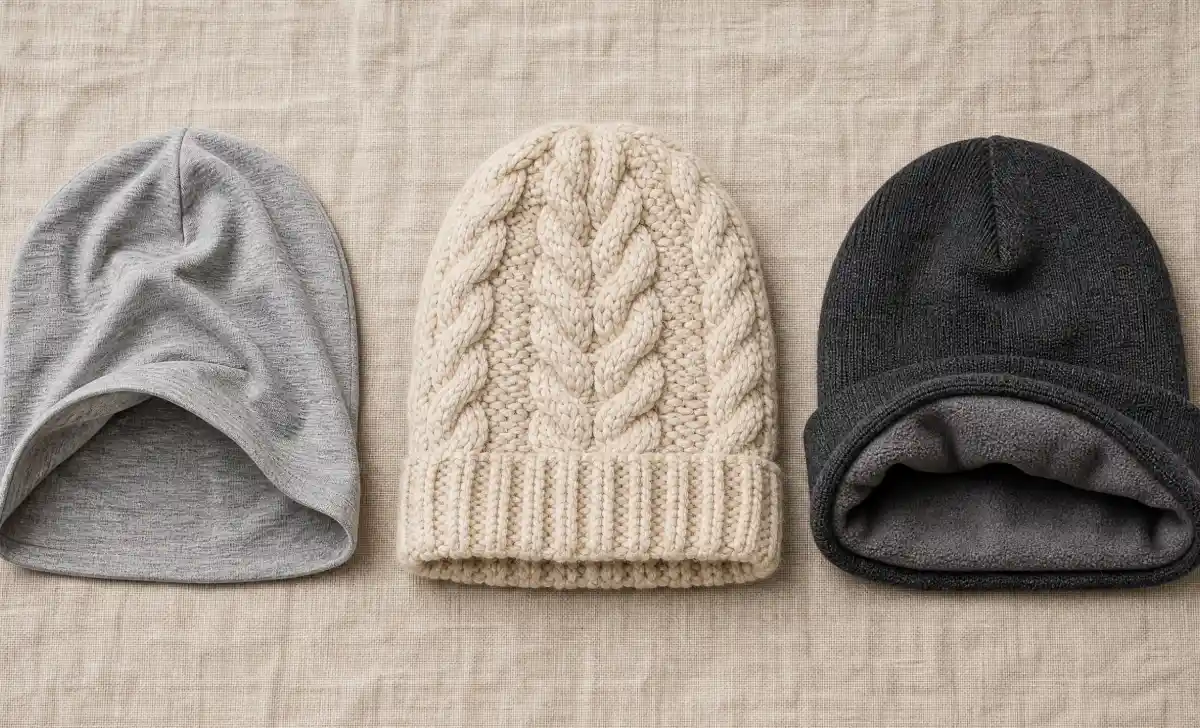
| Fabric | Breathability | Best For 70°F? | Notes |
|---|---|---|---|
| Cotton (unlined) | High | Yes | Lightest option, ideal for warm days |
| Cotton-linen blend | Very High | Yes | Maximum airflow, great in humidity |
| Lightweight acrylic | Moderate-High | Yes, if labeled “summer weight” | Avoid standard/cheap acrylic; it traps heat |
| Wool (any weight) | Low | No | Built for cold, will overheat you fast |
| Fleece-lined | Very Low | No | Designed to trap heat, opposite of what you need |
Cotton is your best bet in this temperature zone — the fibers let air move through so heat doesn’t build up against your scalp. Linen and cotton-linen blends take that airflow even further. Steer clear of anything double-layered or fleece-lined; a heavy cable-knit wool beanie at 70 degrees will have you sweating within minutes.
The 3 Golden Rules for Wearing a Beanie in Mild Weather
1. Choose an open-weave knit. Hold the beanie up to the light — if you can see tiny gaps between the yarn, that’s a good sign it’ll breathe.
2. Keep the fit relaxed. A slouchy beanie sitting a little back on your head creates natural ventilation. A tight fit blocks any chance of airflow.
3. Think about color. Dark shades absorb more sunlight and heat up faster in direct sun. Lighter shades like cream or heather grey stay noticeably cooler.
Can You Really Avoid Sweating in a Beanie at 70 Degrees?
Position the beanie slightly higher on your forehead so your brow has room to breathe. Even half an inch of extra space changes how heat escapes.
A thin moisture-wicking liner worn underneath pulls sweat away before it reaches the fabric. If that feels like overkill, simply blotting your forehead before putting the beanie on helps a lot too.
Hair prep matters as well. A little dry shampoo at the roots absorbs oil and sweat, so you’re not left with that matted-down feeling later in the day.
Outfit Ideas That Look Natural With a Beanie in 70 Degree Weather

A beanie at 70 degrees looks best when the rest of your outfit feels light and relaxed. A cotton slouchy beanie in oatmeal or charcoal pairs easily with a white T-shirt, a faded denim jacket, and straight-leg jeans.
For a sportier vibe, try a thin ribbed beanie with a loose tank top and joggers. If you want the palette to feel intentional rather than random, following the 3-color rule keeps the beanie, top, and bottoms working as one look instead of three separate decisions.
Even a sundress or linen button-down can work with a beanie when the fabric is airy and neutral. What makes these looks click is that the beanie feels deliberate, not leftover from a cold-weather closet.
How to Pick the Right Beanie for Mild Days Without Getting Overheated
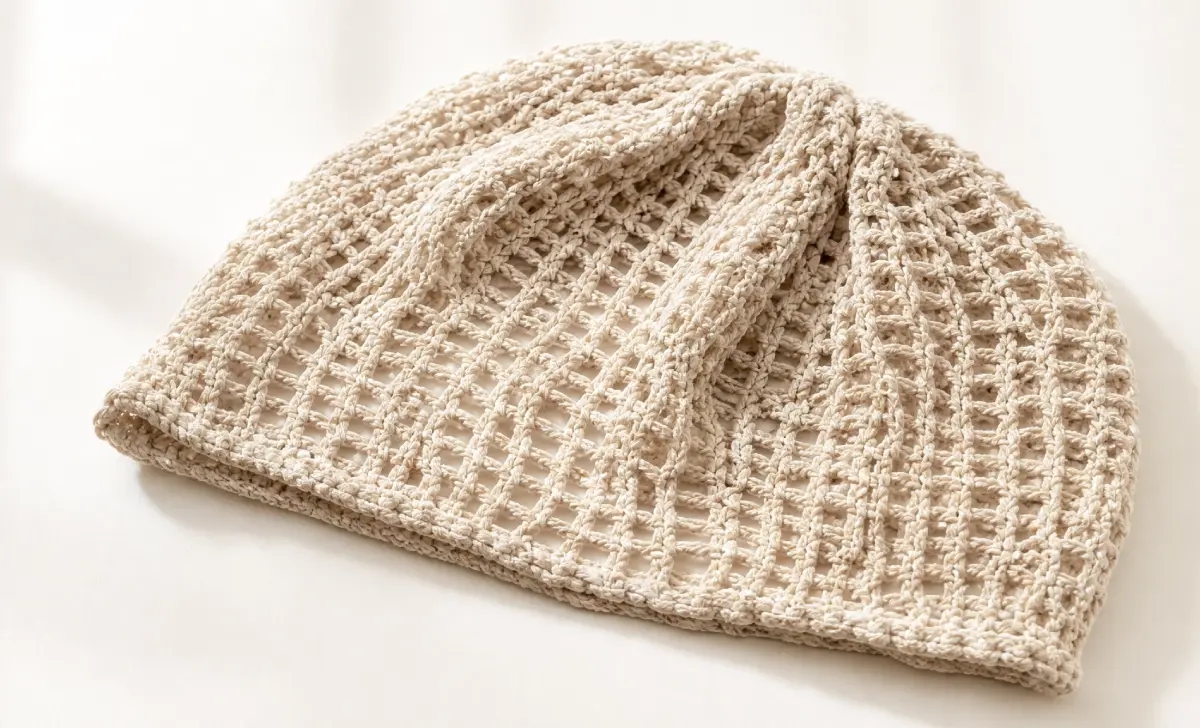
Shopping for a warm-weather beanie is easy once you know what to look for. Scan the product description for the word “unlined” first. If it’s not mentioned, check the product images for a single layer of fabric.
Look for terms like “summer weight,” “breathable,” or “lightweight” in the title. A loose knit gauge is another visual cue — if it looks almost see-through, it will wear much cooler.
Even the brand can give you a clue. Workwear labels like Carhartt often make seasonal versions of their classic beanies in lighter materials, so it’s worth digging past the standard wool option.
Pros and Cons of Wearing a Beanie at 70 Degrees
Pros:
- Adds a finished, intentional look to casual outfits
- Useful for cooler mornings that warm up by afternoon
- Easy to remove and stash in a bag once it heats up
Cons:
- Wrong fabric choice can cause overheating fast
- Dark colors in direct sun add noticeable warmth
- Not ideal for humid, high-activity days
What Are the Most Common Mistakes People Make With Warm-Weather Beanies?
The biggest misstep is grabbing a thick, cable-knit wool beanie simply because it’s sitting by the door. That beanie was made for 40-degree days, not 70, and it will punish you with trapped heat.
Another common error is ignoring the rest of the outfit. A heavy beanie paired with a puffer vest on a 70-degree day sends a mixed signal that confuses the whole look.
And don’t forget beanies can be removed and carried. Wearing one for a cool morning and tucking it into your bag by noon is a perfectly reasonable strategy.
Frequently Asked Questions About Wearing a Beanie in Mild Weather
Does a black beanie make you hotter at 70 degrees?
A black beanie absorbs more sunlight than a lighter color, so it can feel warmer in direct sun. On overcast days or in the shade, the color makes almost no difference.
Can I wear a beanie if I have thick hair and get hot easily?
Yes, but prioritize an extra loose, open-knit cotton beanie worn pushed back on your head. Thick hair already insulates, so giving your scalp maximum ventilation matters more than usual.
Are thin beanies still fashionable?
Thin beanies are very much in style, especially in streetwear and minimalist looks. A sleek, lightweight beanie often looks more intentional than a bulky winter hat.
What’s the best beanie for a 70-degree outdoor event?
Look for an unlined cotton or cotton-linen blend beanie in a neutral tone. It breathes well, handles light sun, and still looks polished enough for an evening out.
So, Is 70 Degrees Too Hot? Your Final Takeaway
The answer is a clear no. 70 degrees isn’t too hot for a beanie when the material and styling match the moment. Fabric choice changes everything.
You now have the rules, the fabric knowledge, and the outfit ideas to make this work with confidence, whatever your personal style leans toward. And once the mornings turn colder, it’s worth revisiting your hoodie season outfits so your beanie has the right layers to pair with.
Trust the open-weave rule, keep it slouchy, and don’t be afraid to let a little air in. Grab the beanie you love, step outside, and wear it like it was always meant for a day exactly like this.